Maine Caribou History and Extirpation
It's truly a somber thought for any hunter or wildlife enthusiast in Maine to consider a species that once thrived in our wild woods, only to vanish entirely. While we cherish our thriving populations of deer, moose, and bears today, the story of the caribou in Maine is a poignant reminder of what can be lost, a stark chapter in our natural history that often goes unremembered. This guide will delve into the past, exploring the history of caribou in Maine, the complex reasons behind their disappearance, and the enduring impact of losing such an iconic creature from our landscapes.
The Vanished Ghost of the Maine Woods: Caribou's Historical Presence
Imagine wandering through the vast, unbroken forests of northern Maine centuries ago, not just keeping an eye out for the majestic moose we know today, but also for another magnificent cervid: the woodland caribou. These animals were once an integral part of Maine's natural heritage, perfectly adapted to the rugged, boreal environment that defines so much of our state. Their presence shaped the ecosystem, leaving a unique footprint that, while gone, still whispers through the old growth and remote ponds.
Where They Roamed: Maine's Original Caribou Landscape
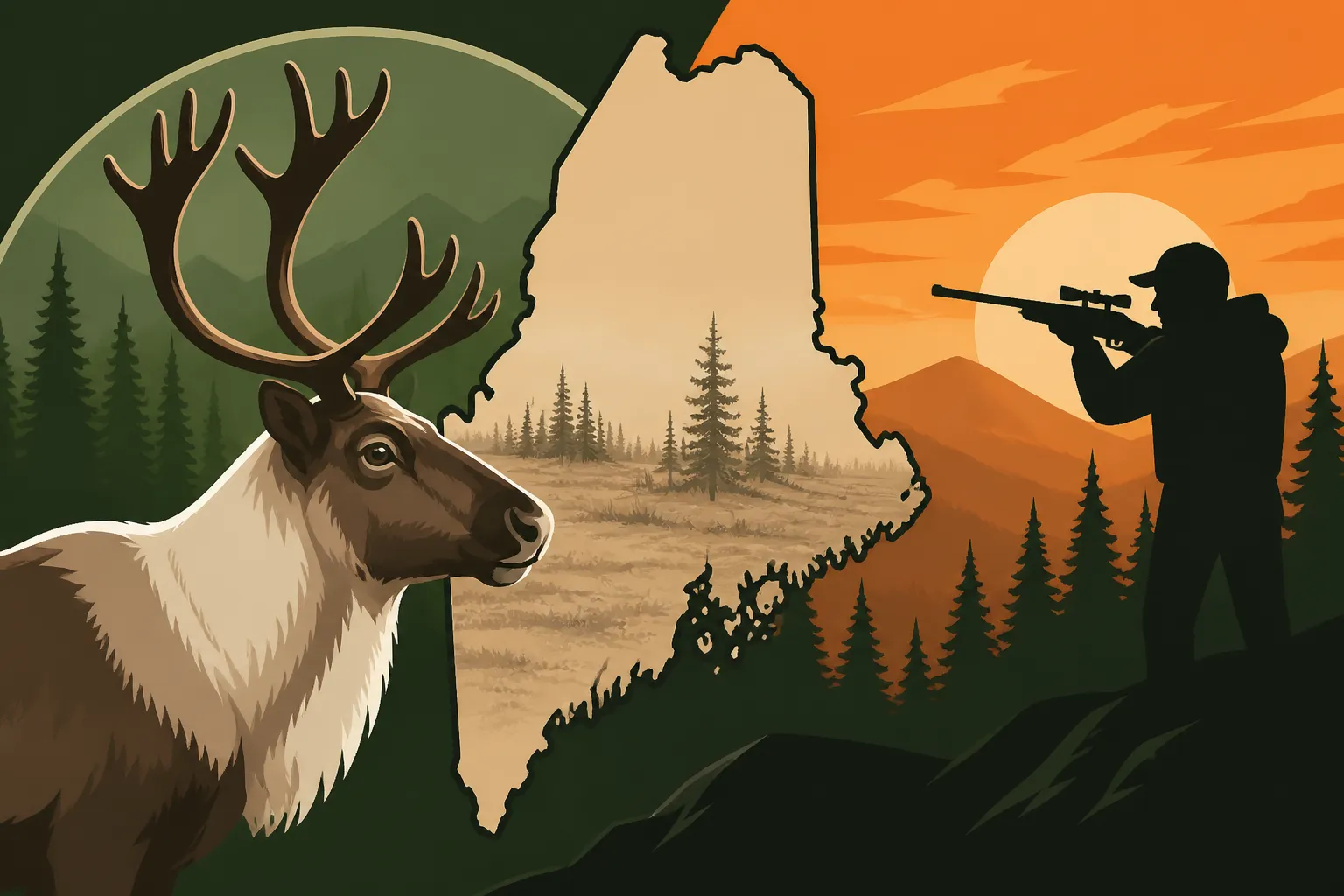
Historically, woodland caribou ranged far wider than many realize, extending their presence well into the northeastern United States, with Maine representing the southernmost outpost of their contiguous range. They weren't just visitors; they were residents, particularly in the vast, wild stretches of what we now call the North Maine Woods, the mountainous regions of western Maine, and even portions of Downeast. These were landscapes dominated by mature spruce and fir forests, interspersed with bogs, fens, and open rocky outcrops—habitat that perfectly suited their specialized needs. When you're poring over maps, perhaps with a tool like GoHunt, looking at remote logging roads and dense timber stands, it’s worth remembering that these very same areas were once prime caribou country. They favored areas with extensive lichen growth, especially arboreal lichens that hung from old-growth trees, which formed a crucial part of their winter diet when other forage was scarce under deep snow. Their nomadic patterns meant they traversed immense distances, following food sources and avoiding predators, creating invisible pathways through the wilderness.
The caribou's domain overlapped significantly with areas that today are core habitats for Moose in Maine's North Woods. Unlike deer, which tend to thrive in more fragmented, disturbed landscapes, caribou were creatures of the deep forest, preferring solitude and vast, uninterrupted tracts of wilderness. Their presence speaks volumes about the historical condition of Maine's forests—a truly ancient and expansive wilderness that has seen significant changes over the centuries. When we consider the types of habitat that support today's large game, it helps us appreciate the unique requirements of a species like the caribou and how specific their niche truly was.
Life in the Boreal Forest: Caribou Adaptations
Woodland caribou were masters of survival in Maine's harsh winters. Their adaptations were nothing short of incredible. Picture their feet: large, crescent-shaped hooves that acted like natural snowshoes, spreading their weight to prevent them from sinking too deep into the snow, allowing them to traverse terrain that would bog down a deer or even a moose. These hooves also doubled as shovels, perfect for digging through snow to reach lichens and other buried vegetation. Their coats were thick, dense, and provided exceptional insulation against the biting cold, a stark contrast to the more open pelage of a white-tailed deer.
Their diet was another key adaptation. While they browsed on some woody vegetation, their reliance on lichens, particularly arboreal and ground lichens, was paramount. This specialized diet meant they needed older, intact forests where these slow-growing organisms could flourish. These weren't animals that could easily switch to agricultural crops or common browse if their preferred food source disappeared. Their entire life strategy was geared towards navigating and thriving in a specific type of pristine, mature boreal forest. This intimate connection to a stable, older forest ecosystem made them incredibly vulnerable when that habitat began to change. Thinking about these specialized adaptations really drives home how unique these animals were, and how perfectly they fit into the ecological tapestry of historic Maine.
The Slow Fade: Factors Leading to Extirpation
The disappearance of caribou from Maine wasn't a sudden event, but rather a slow, agonizing decline that unfolded over decades, a complex interplay of environmental shifts and direct human pressures. It's a story that many hunters grapple with when thinking about conservation today—how seemingly small changes can build up to devastating impacts on a species, especially one as specialized as the caribou. Understanding these factors is key to appreciating the challenges our wildlife faces even now.
The Shadow of the White-Tailed Deer: Disease and Competition
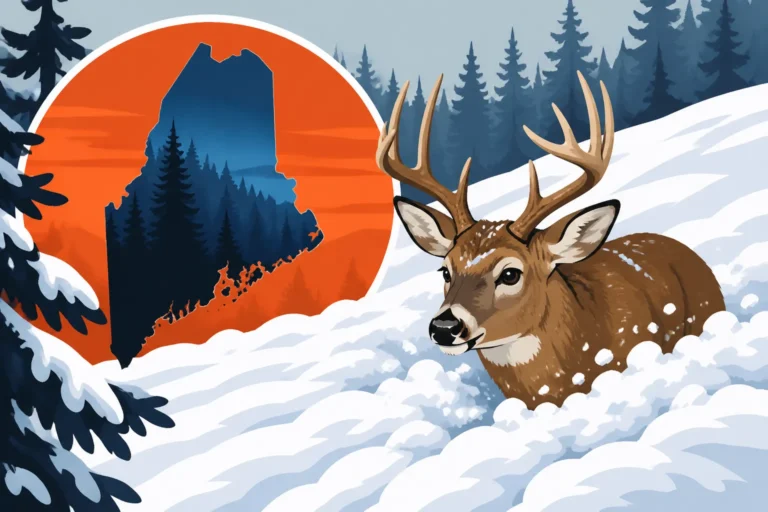
One of the most insidious threats to Maine's caribou population came in the form of what might seem like an unlikely culprit: the white-tailed deer. While deer are a beloved and abundant game species in Maine today, their historical range was more southern. As European settlers cleared land for agriculture and logging, they inadvertently created ideal habitat for deer, which thrive in fragmented forests, young growth, and field edges. Deer populations exploded, pushing northward into traditional caribou territories.
This expansion brought two major problems for the caribou. First, deer are natural carriers of a parasite called brainworm (Parelaphostrongylus tenuis). This parasite is relatively harmless to deer, which have evolved defenses against it. However, it is lethal to caribou (and moose) if they ingest the larvae. The expanding deer population meant a wider distribution of brainworm, and as caribou shared browsing grounds or migrated through areas frequented by deer, they became infected. Imagine the silent, invisible threat slowly decimating a population, one animal at a time, without any visible signs until it was too late. This is a crucial lesson in wildlife management, reminding us why programs like Maine's Chronic Wasting Disease Monitoring are so vital for our current cervid populations, even if CWD itself is not in Maine.
Second, white-tailed deer also competed directly with caribou for food resources, especially during harsh winters. While caribou preferred lichens, they would also browse on woody vegetation. With higher deer densities, particularly in areas where habitat was already becoming fragmented, the pressure on available forage increased. Caribou, already struggling with disease, then faced the added stress of finding enough food, particularly as their specialized lichen sources dwindled. This ecological squeeze, combined with disease, created a perfect storm for the caribou.
Human Impact: Unregulated Hunting and Habitat Loss
Beyond the natural pressures, human actions played a direct and devastating role in the caribou's demise. In the 19th and early 20th centuries, hunting regulations were either nonexistent or poorly enforced. Caribou, being relatively large and sometimes less wary than deer, were a tempting target for market hunters and subsistence hunters alike. Their slow reproductive rate meant they couldn't sustain heavy hunting pressure, and without proper management, their numbers dwindled rapidly. It was a classic "tragedy of the commons" scenario, where individual takes added up to collective loss. Hunters today, with tools like GoHunt to understand regulations and plan ethical hunts, operate under a very different ethos than those of a century past. The idea of Game You Cannot Hunt in Maine due to population concerns is now ingrained in our conservation efforts.
Perhaps even more impactful than direct hunting was the widespread habitat destruction driven by logging and settlement. The vast, old-growth boreal forests that caribou depended on for their specialized lichen diet were systematically cut down. As forests were cleared for timber, pulp, and agricultural expansion, the caribou's prime habitat was fragmented and eliminated. The creation of roads and clear-cuts further opened up the wilderness, making caribou more accessible to hunters and increasing their exposure to deer and brainworm. When we look at the historical timeline, the caribou's decline closely tracks the intensification of industrial logging and human settlement patterns in northern Maine.
Caribou Extirpation Timeline (Simplified)
| Era | Key Factors | Impact on Caribou |
|---|---|---|
| Pre-1800s | Stable boreal forest habitat, low human density | Thriving populations |
| Mid-1800s | Increased logging, early settlements | Habitat fragmentation begins, increased hunting pressure |
| Late 1800s | Market hunting, significant habitat destruction, deer range expansion | Rapid population decline, increased disease exposure |
| Early 1900s | Last confirmed sightings, continued habitat loss | Near extirpation |
| 1920s-1930s | Last remaining animals vanish | Extirpated from Maine |
Attempts were made in the late 1800s and early 1900s to reintroduce caribou, bringing animals from other regions, notably Newfoundland. However, these efforts ultimately failed, largely due to a lack of understanding of the complex factors contributing to their initial decline—brainworm, habitat fragmentation, and perhaps continued predation pressure (though predation from Maine Wolf History and Extirpation would have already been a factor in their initial range) were still pervasive challenges. The last native Maine caribou was reportedly seen around 1908, and the last reintroduction attempt faded by the 1930s.
Echoes in the Wilderness: The Legacy of Loss
The extirpation of the woodland caribou from Maine is a profound loss, not just for the animal itself, but for the ecological fabric of our state. When a species vanishes, it leaves a void, and the ripple effects can be felt throughout the ecosystem. For those of us who cherish Maine's wild places, it serves as a powerful cautionary tale about the delicate balance of nature and the responsibility we bear as stewards of our wildlife.
A Missing Piece: Ecological Impact
The absence of caribou left an ecological niche unfilled in Maine's boreal forests. As large herbivores, caribou played a role in shaping vegetation through their browsing and grazing habits. While moose eventually expanded their range and filled some of the large cervid role, their dietary preferences and habitat use differ significantly from caribou. Moose are primarily browsers of woody vegetation, while caribou's unique reliance on lichens meant they interacted with the forest floor and tree canopy in a distinct way. Their removal altered nutrient cycling and vegetation patterns in subtle but significant ways.
Furthermore, caribou were a prey species for large carnivores, including wolves and possibly even bears. Their disappearance likely impacted the dynamics of these predator populations, forcing them to rely more heavily on other prey like deer and moose. It's a complex web, and when one strand breaks, the whole structure shifts. The loss of caribou also meant a loss of genetic diversity and a unique evolutionary lineage perfectly adapted to the specific conditions of the Maine woods. It's impossible to truly quantify the full extent of this ecological impact, but we know that ecosystems are most resilient when they are biodiverse and robust.
Looking Forward: The Realities of Reintroduction
Given the poignant history, it's natural for people to wonder: could caribou ever return to Maine? While the thought is romantic, the realities are incredibly complex and challenging. The primary reasons for their extirpation—brainworm, habitat loss, and competition—are still very much present.
Our white-tailed deer populations, which carry brainworm, are robust throughout much of Maine, including areas that might otherwise be suitable for caribou. Releasing caribou into brainworm-prevalent areas would likely lead to the same tragic outcome. Furthermore, the extensive, mature boreal forest habitat that caribou depend on has been significantly altered by a century and a half of logging. While Maine still has vast tracts of forest, much of it is managed for timber production, resulting in younger, more fragmented stands compared to the ancient forests that once sustained caribou. Even with modern technology, using tools like GoHunt to identify potential habitat, the scale and specific characteristics needed for a self-sustaining caribou population are immense and difficult to achieve.
Reintroduction efforts are costly, lengthy, and have a low success rate, particularly for species that disappeared due to persistent environmental factors rather than a single, easily reversible cause. While the idea of seeing caribou once again roam the Katahdin region or the deep North Woods is an inspiring dream, the current ecological landscape of Maine presents formidable hurdles. Instead, conservation efforts in Maine rightly focus on protecting and enhancing habitat for species that currently thrive, like White-Tailed Deer Across Maine and ensuring the health of our existing cervid herds, as detailed in reports from the Maine Wildlife Disease Monitoring Program. The story of the caribou, though, remains a powerful lesson in what can happen when human expansion and natural factors combine, urging us to be ever-vigilant in our stewardship of Maine's precious wild heritage.
Disclaimer
This article is for general informational purposes only and does not constitute professional advice. Laws, prices and regulations vary by location and change over time. Consult a qualified professional for guidance on your specific situation.