Hunting Aroostook County Farmland
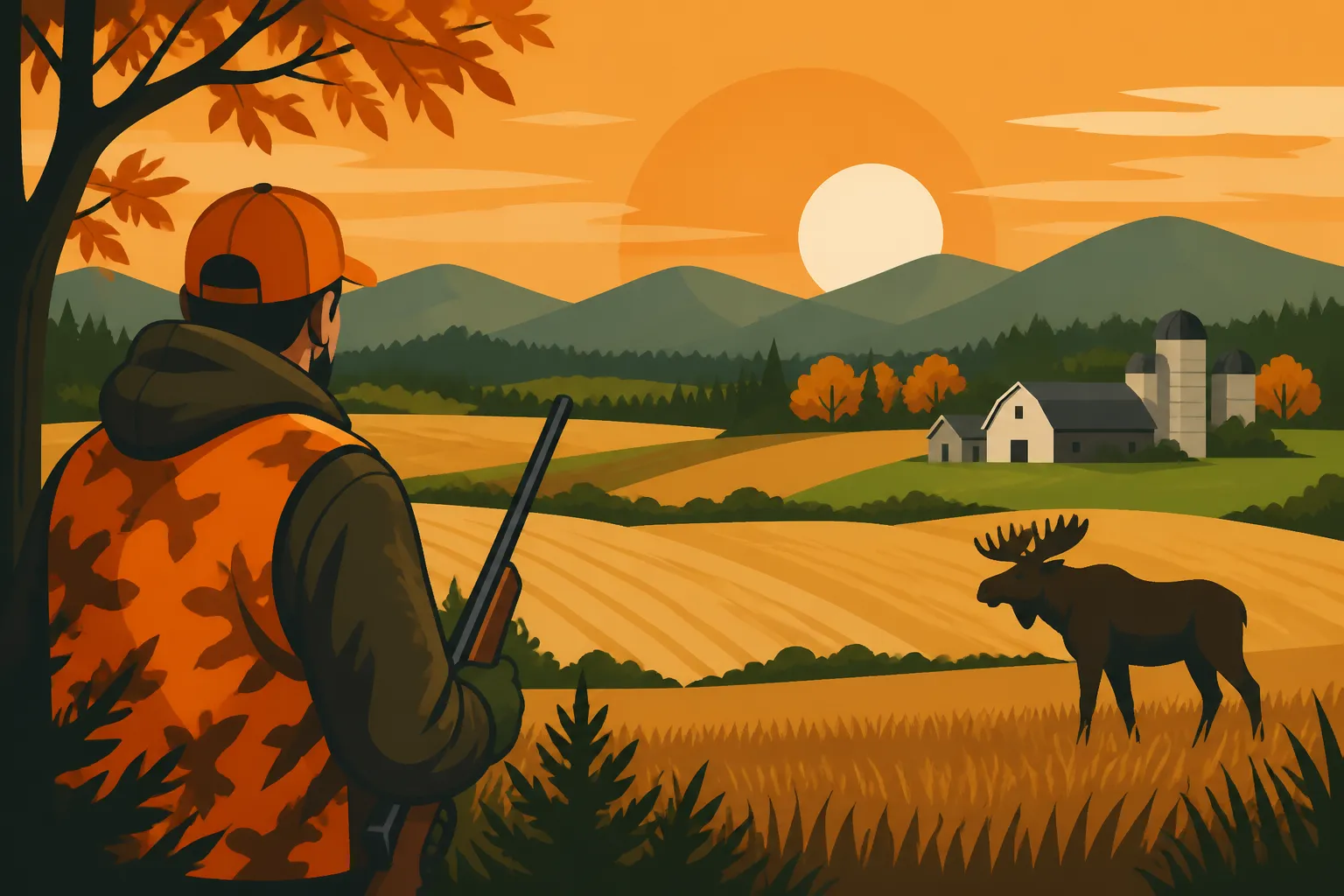
Oh, Aroostook County farmland! If you've ever driven through "The County" and seen those endless fields stretching to the horizon, you know it's a breathtaking sight. But if you're a hunter, that vastness can feel both incredibly promising and utterly overwhelming. Where do you even begin to find a deer, let alone secure permission, in such an expansive, agricultural landscape? This guide is here to cut through that fog of uncertainty, offering a comprehensive look at how to successfully navigate and hunt the unique farmlands of Aroostook County, turning those open spaces into productive hunting grounds.
Understanding the Aroostook Farmland Landscape
Aroostook County, Maine’s largest county, is renowned for its vast agricultural lands, particularly its potato fields, hayfields, and grain crops. This isn't your typical North Woods big timber hunting. Instead, you're dealing with an ecosystem heavily influenced by human activity, where deer and other game species have adapted to thrive amidst the ebb and flow of planting, growing, and harvesting seasons. Understanding this dynamic environment is the first step to unlocking its potential.
The Layout of Fields, Woodlots, and Edges
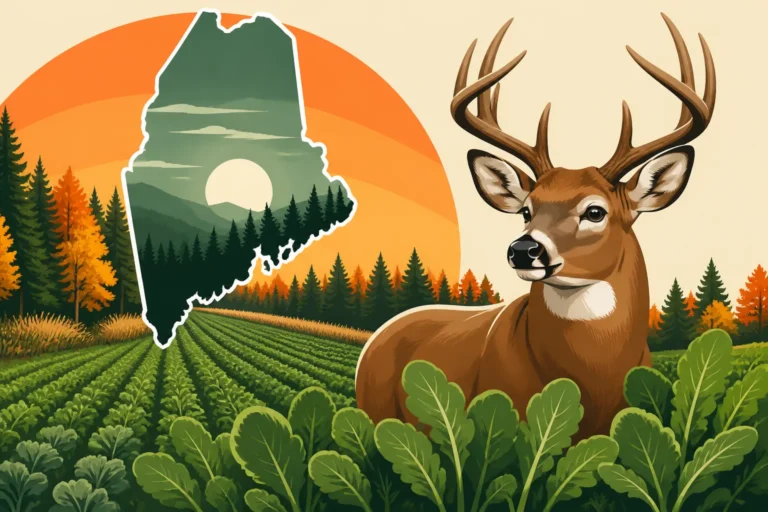
Imagine a patchwork quilt, but instead of fabric, it's made of golden potato fields, waving green hay, dark strips of forest, and winding lines of treelines. That’s Aroostook farmland. Deer don't just wander aimlessly through the middle of a hundred-acre potato field, especially during daylight hours. They use the cover and structure that frames these fields. These are the critical areas: the edges where forest meets field, the small woodlots dotted within the agricultural expanse, and the narrow fingers of timber that stretch into or connect larger blocks of cover.
These transitional zones, often overlooked by less observant hunters, are absolute magnets for deer. They offer security cover for bedding, especially during daylight, and provide a quick escape route into thicker timber. At the same time, they are literally steps away from abundant food sources in the fields. A mature buck might bed deep in a cedar swamp or spruce thicket on the edge of a field all day, waiting for the safety of dusk before slipping out to feed. Understanding how these elements connect – how a deer might travel from a bedding area in a small woodlot, along a brushy fencerow, to a freshly cut hayfield – is paramount. Your scouting efforts should heavily focus on these edges, looking for trails, rubs, and scrapes that indicate consistent deer movement.
Crop Cycles and Their Impact on Deer Movement
The agricultural calendar dictates much of the deer movement in Aroostook County. What's available to eat, and where, changes dramatically throughout the spring, summer, and fall. In late summer and early fall, deer are often drawn to standing cornfields, which offer both food and incredible cover. A deer can disappear into a standing cornfield and be almost impossible to locate. As harvest approaches, these fields become high-value hunting grounds, especially if they haven't been cut yet.
Once crops like corn and potatoes are harvested, the game changes. Suddenly, the cover is gone, and the primary food source might be gleanings left behind. Deer then shift their focus to other areas, such as winter wheat fields (which provide early green forage), natural mast crops in nearby woodlots, or even newly planted cover crops. Hayfields, particularly after a fresh cutting, can attract deer looking for succulent regrowth. Understanding when specific crops are planted, when they mature, and when they're harvested is critical. It helps you predict where deer will be feeding and when they'll be most exposed. A little research into local farming practices and a drive through the area during different seasons can tell you a lot about these patterns.
Water Sources and Travel Corridors
Even in a landscape dominated by fields, deer need water. Ponds, small streams, drainage ditches, and even low-lying, marshy areas can serve as vital water sources, especially during drier periods. These water sources often become natural hubs for deer activity and, consequently, excellent places to focus your hunting efforts. Deer will establish well-worn trails leading to and from these spots, often following the path of least resistance through dense cover or along the edges of fields.
Beyond water, deer use specific travel corridors to move between bedding, feeding, and watering areas. These might be brushy fencerows, small strips of timber, overgrown ditches, or even topographical features like subtle ridges or dips in the landscape. These corridors offer a sense of security, allowing deer to move relatively unexposed. Identifying these pinch points and travel lanes is a critical scouting task. Think about how a deer would move from one woodlot across an open field to another without being seen. They will almost always choose the path with the most cover, even if it means a slightly longer route. Setting up on one of these overlooked travel corridors, especially during the rut, can be incredibly productive.
Key Game Species in Aroostook Farmland
While deer are often the primary target for hunters in Aroostook County's farmlands, this agricultural mosaic supports a diverse range of game species. Understanding which animals thrive here, and how they utilize the unique habitat, can broaden your hunting opportunities and increase your success.
White-Tailed Deer in the Farmland Belt
Aroostook County's farmland belt is a prime example of how deer adapt and flourish in close proximity to human activity. The deer here benefit from an abundance of high-quality forage provided by agricultural crops, leading to robust body weights and impressive antler growth, especially for bucks that survive a few seasons. However, hunting these deer comes with its own set of challenges. The sheer scale of the fields means deer can often detect hunters from a long distance, and their reliance on linear cover makes them incredibly alert when traveling.
Unlike the deep woods, where deer might be found anywhere, farmland deer often concentrate their activity around specific edges, small woodlots, and natural funnels. They learn to move strategically, often under the cover of darkness, only venturing into the open fields when they feel secure. This means successful hunting often revolves around intercepting them as they transition between bedding cover and feeding areas at dawn and dusk. Why Deep Snow Limits Northern Maine Deer is a real concern in Aroostook during harsh winters, influencing deer survival and population, but during the hunting season, the focus is on capitalizing on the rich food sources. Patience is a virtue, and understanding the specific feeding habits tied to current crop availability is paramount.
Wild Turkeys and Small Game Opportunities
Beyond deer, Aroostook's farmlands offer fantastic opportunities for other species. Wild turkeys, for instance, have made a remarkable comeback in Maine, and the agricultural landscape of Aroostook provides ideal habitat. Turkeys love the open fields for foraging and strutting, but they always stay within close proximity to mature timber for roosting and escape cover. Fall turkey hunting, especially, can be incredibly rewarding as large flocks feed on waste grain, insects, and berries in the field edges. If you're out deer hunting and see a flock of turkeys, it's often a great sign that the area has diverse food sources and good cover. For a deeper dive into their presence, you can look into Maine Turkey Population Estimate.
Small game hunting is also a classic pursuit in these areas. Snowshoe hare can be found in the thicker brushy areas and cedar swamps that border fields. Gray squirrels will often be found in the scattered oak and beech stands that provide acorns, while cottontail rabbits will utilize dense thickets and brush piles along field edges. These opportunities can add a lot of excitement to a hunt, especially during times when deer activity might be slow or to scout for deer sign while actively hunting small game.
Predator Hunting in Agricultural Zones
Where there are abundant prey species like deer, turkeys, and small game, there will also be predators. Coyotes are prevalent throughout Aroostook County's farmlands, drawn by the readily available food sources. They often hunt along field edges, through woodlots, and across open ground, making them a challenging but rewarding target. Calling coyotes, particularly during the colder months when they are more active and visible against the snow, can be an exciting way to spend time in the field. Coyote Calling Maine Farm Country is a tactic that can be particularly effective in these open, often windy, environments.
Other furbearers like fox and bobcat also utilize these areas, though they are more elusive. Fox will often hunt mice and voles in the open fields, especially during winter, while bobcats stick to the denser cover bordering fields, ambushing prey. While not always the primary focus, understanding the presence and movement of these predators can offer additional hunting opportunities and contribute to overall wildlife management in the agricultural landscape.
Gaining Access: Permission and Public Land Nuances
Hunting Aroostook County's farmlands is overwhelmingly a private land endeavor. Unlike the vast public tracts of the North Maine Woods, the agricultural regions are primarily owned by farmers and private citizens. This means securing permission is not just a polite gesture; it's a legal and ethical requirement. Navigating this landscape successfully hinges on understanding landowner relations and utilizing modern tools to identify and approach property owners.
Knocking on Doors in Aroostook Farm Country
Let's be real: for many, the thought of walking up to a stranger's door and asking to hunt feels intimidating. But in Aroostook County, it's often the most direct and effective way to gain access. This is still a place where handshakes and respectful conversations carry weight. When you're Knocking on Doors in Aroostook Farm Country, presentation and timing are key. Dress neatly, don't show up in full camo with a rifle in hand, and choose a time when people are likely to be home but not busy with farm work or dinner.
Start by introducing yourself, explain why you're interested in their property (e.g., "I've noticed some deer sign along your back woodlot"), and always offer to share some of your harvest if successful. Be explicit about your intentions: what you want to hunt, when, and how. Ask about specific areas where they might not want you to hunt, such as near their house, livestock, or machinery. Always leave your contact information and thank them profusely, even if they say no. A "no" today might be a "yes" next year, or they might recommend another landowner. Building a positive relationship is more valuable than any single piece of property. Remember, you're not just asking for permission; you're asking to become a trusted steward of their land.
Understanding Maine's Implied Permission and Posted Land
Maine has a unique "implied permission" tradition for private land access. This means that, historically, if land wasn't explicitly posted with "No Trespassing" signs, it was generally understood that you could access it for recreation, including hunting, so long as you weren't causing damage. However, this tradition is slowly eroding, and relying on it in populated or actively farmed areas like Aroostook County is increasingly risky and often unwise.
Many landowners, especially those with valuable crops or concerns about liability, are posting their land. If a property is clearly marked with "No Trespassing," "No Hunting," or "Posted" signs, that implied permission is explicitly revoked, and hunting there is illegal. It's crucial to understand Maine Trespass and Permission Law and respect these boundaries. When in doubt, always assume you need explicit permission. It's not worth the legal trouble, the fine, or, more importantly, the damage to the positive image of hunters in Maine. Always seek direct permission, especially in farmland environments where property lines can sometimes be unclear and crop damage is a serious concern for farmers.
Utilizing Digital Tools for Landowner Information
In today's world, digital mapping tools have revolutionized how hunters approach private land access. Services like onX Hunt and GoHunt provide invaluable resources for identifying property boundaries, landowner names, and often even contact information. This allows you to do your homework before you even knock on a door, making your approach more informed and professional.
With onX Hunt, for example, you can overlay property ownership data onto detailed aerial maps, showing you exactly who owns which parcel. You can pinpoint specific woodlots or field edges you're interested in, identify the owner, and then use that information to either send a letter, make a phone call, or simply know whose door to knock on. These apps also show public land boundaries, if any exist in the area, and can help you avoid inadvertently trespassing. While GoHunt might be more geared towards Western big game draws, its mapping features can still be useful for understanding topography and land features. These tools don't replace the need for polite, in-person requests, but they make the process of identifying who to talk to infinitely easier and more efficient, saving you time and preventing awkward encounters.
Here's a quick comparison of general hunting access points:
| Access Type | Description | Pros | Cons |
|---|---|---|---|
| Private Land (with permission) | Land owned by individuals or corporations, granted access by owner. | Access to potentially unpressured areas, specific habitat. | Requires proactive effort, permission can be revoked. |
| Private Land (unposted) | Maine's implied permission tradition for unposted land. | Convenient if unposted and no owner to ask. | Legally risky, tradition fading, can cause landowner friction. |
| Public Reserved Land | State-managed lands for recreation, including hunting. | Open to all, no permission needed. | Can be heavily hunted, may require longer walks. |
| North Maine Woods | Large industrial timberland, requires day-use or camping fees. | Vast areas, diverse habitat, managed. | Fees required, rules can be complex, can be remote. |
| Wildlife Management Areas | State-managed areas specifically for wildlife and public recreation. | Managed for wildlife, often good habitat. | Can be crowded, specific rules apply, sometimes smaller tracts. |
Effective Scouting Strategies for Farmland
Scouting is the cornerstone of successful hunting, especially in the unique environment of Aroostook County's farmlands. You can't just drive around hoping to stumble upon game. You need a systematic approach to understand how deer, turkeys, and predators are using the land before you even step foot in the woods with a weapon.
Reading Aerial Photos for North Woods Deer
While the title Reading Aerial Photos for North Woods Deer focuses on big timber, the principles are perfectly applicable, and arguably even more powerful, for Aroostook farmlands. Aerial photos (available through tools like onX Hunt, Google Earth, or your state's GIS mapping services) provide a bird's-eye view that reveals patterns you'd never see on the ground. Look for the "big picture" connections:
- Field Edges: Identify where different crops meet timber, brush, or fencerows. These are prime travel lanes and feeding zones.
- Small Woodlots & Island Cover: Spot isolated pockets of timber within large fields. These often serve as critical bedding areas or midday refuges. How do deer get to and from them?
- Funnels & Pinch Points: Look for narrow strips of cover (like overgrown ditches, tree lines, or brushy ravines) that connect larger blocks of timber or lead into fields. Deer will almost always use these to minimize exposure.
- Water Sources: Identify ponds, creeks, and low-lying wet areas. Deer will use these, and the surrounding cover, as travel routes.
- Topography: Even subtle elevation changes can influence deer movement, offering them sheltered travel paths or bedding sites out of the wind.
By studying these patterns from above, you can narrow down your ground scouting efforts to the most promising areas, saving you countless hours of aimless wandering. It's like having a cheat sheet before the test.
Finding Fresh Sign on Field Edges and Woodlots
Once you've identified promising areas from your aerial scouting, it's time to hit the ground. Focus your attention on the transition zones: where the crops meet the woods. This is where you'll find the most telling evidence of deer activity.
- Tracks: Look for fresh deer tracks where they enter and exit fields, particularly in soft soil near gateways, along wet ditches, or on old farm roads. Pay attention to track size and direction of travel.
- Droppings: Fresh droppings indicate recent feeding activity. Deer often defecate while feeding or shortly after, so finding them in quantity along a field edge or within a small woodlot signals a frequented area.
- Rubs and Scrapes: As the pre-rut and rut approach, bucks will become more active with rubs (rubbing their antlers on saplings) and scrapes (pawing the ground and urinating to mark territory). These are prime indicators of buck presence and can tell you where a specific buck is moving.
- Browsing: Look for browsed plants, especially tender shoots and leaves, in the woodlots or brushy fencerows. This shows where deer are actively feeding outside of the primary crop fields.
- Trails: Well-worn deer trails leading from cover to food, or between different cover types, are invaluable. Note their direction and how heavily they're used.
Early morning or late afternoon walks along these edges, with binoculars, can reveal deer in the distance, further confirming their patterns. Pay attention to wind direction while scouting; you don't want to blow out your hunting spot before the season even begins.
Where to Hang a Camera on a Logging Road
While Where to Hang a Camera on a Logging Road is about logging roads, the principles for trail camera placement are universal and extremely effective in Aroostook's farmlands. Instead of logging roads, think about farm roads, access lanes, and the defined edges of woodlots that border fields. These are often high-traffic areas for deer moving between bedding and feeding.
- Key Intersections: Place cameras where two or more deer trails intersect, or where a trail crosses a natural funnel like a narrow strip of timber.
- Field Entry/Exit Points: Set cameras facing inward towards a field edge where deer are likely to enter or exit, particularly near corners or protected pockets.
- Scrapes & Rub Lines: If you find an active scrape line or a series of fresh rubs, placing a camera nearby can reveal which buck is making them and at what time of day.
- Food Transitions: As crops are harvested, deer shift. A camera placed overlooking a transition point – say, from a cut cornfield to a standing soybean field, or a woodlot edge near a newly planted cover crop – can capture these shifts.
- Watering Holes: If you identify a small pond or a reliable stream, a camera overlooking a trail leading to it can be very productive, especially during dry spells.
Remember to place cameras discreetly, ideally where they won't be easily spotted by other hunters or curious passersby, and always secure landowner permission before deploying them on private land. Trail cameras provide objective, real-time data on deer movement, helping you fine-tune your hunting strategy right up to opening day.
Hunting Tactics for Aroostook Farmland Deer
Hunting in Aroostook County's farmlands presents a unique set of challenges and opportunities. The open nature of the landscape demands careful consideration of concealment, wind, and entry/exit routes. Simply walking out into a field at dawn won't cut it. You need specific tactics tailored to this environment.
Setting Up on an Aroostook Farmland Edge
The classic strategy for farmland deer hunting is often Setting Up on an Aroostook Farmland Edge. This is where the action happens, as deer move between the security of the woods and the abundant food in the fields. The key here is not just where you set up, but how you set up to remain undetected.
- Wind Direction is Paramount: Deer in open country rely heavily on their nose. Always approach and set up with the wind in your favor, blowing your scent away from where you expect deer to approach. A shifting wind can ruin your hunt, so have a backup plan or choose a setup that accommodates varying breezes.
- Concealment is Critical: Whether you're in a treestand or a ground blind, you need to blend in perfectly. Against a treeline, find a tree that offers good cover from all angles. For ground blinds, ensure it's brushed in thoroughly, breaking up its outline.
- Pinch Points and Funnels: Look for areas where the woods-to-field edge narrows, or where a natural feature forces deer to pass through a specific spot. This might be a dip in the terrain, a thick cluster of pines, or a gap in a fence line. These funnels concentrate deer movement and increase your odds of an encounter.
- Time of Day: Deer are most likely to be active on field edges at dawn and dusk. Plan your entry and exit routes carefully to avoid spooking deer that are already in the field or making their way to it.
Remember, deer often circle downwind before entering a field, so position yourself to catch them before they catch your scent. Patience is also key; farmland deer often emerge slowly, checking their surroundings before fully committing to the open.
Entry Routes Through a Cut Cornfield
While a field might look like a vast, open space, there are often subtle pathways deer use. Entry Routes Through a Cut Cornfield highlights how deer move through agricultural fields. Even after a cornfield is cut, the stubble and rows provide enough linear cover for deer to feel relatively secure traveling, especially if it's not wide open.
- Follow the Rows: Deer will often follow the remaining stubble rows in a cut cornfield, particularly at night or in low light conditions. If you're hunting adjacent to such a field, anticipate that deer might use these faint lines to enter or exit.
- Remaining Strips of Cover: Farmers sometimes leave a strip of corn standing, or a section might be missed by the combine. These areas become instant magnets for deer, offering both food and crucial cover. Focusing your efforts near these overlooked patches can be highly effective.
- Drainage Ditches and Swales: Even subtle depressions in a field, especially those with some weed growth or brush, can serve as hidden highways for deer. They offer a lower profile, allowing deer to move with greater confidence.
- Approaching a Setup: When approaching a treestand or blind set on a field edge, consider using the rows or ditches within the cut field to minimize your profile. This allows you to walk further into the field before popping up into your stand, reducing your chances of being silhouetted against the sky.
Understanding these subtle patterns allows you to use the "open" field to your advantage, rather than seeing it as a barrier.
Using Ground Blinds and Natural Cover Effectively
In Aroostook's open farmland, particularly where suitable trees for treestands are scarce or where you need flexibility, ground blinds become an invaluable tool. They offer excellent concealment and allow you to adapt to changing deer patterns or wind directions with relative ease.
- Portable Blind Placement: A pop-up ground blind offers incredible versatility. Position it in a strategic location along a field edge, near a known travel corridor, or even within a small woodlot. Crucially, brush it in thoroughly. Don't just set it up. Use local vegetation – branches, cornstalks, hay bales – to break up its outline and make it disappear into the surroundings. The sooner you set it up before hunting season, the better, allowing deer to get used to its presence.
- Natural Blinds: Don't underestimate the power of natural cover. A thick fencerow, a cluster of cedars, a brush pile, or even a large boulder can provide excellent natural concealment. The key is to position yourself so that you're not silhouetted against the skyline and that you have a clear shooting lane without excessive movement.
- Wind and Scent Management: Even in a ground blind, wind direction is critical. Use scent control products and pay attention to how your scent might be carried. The enclosed nature of a ground blind can help contain some scent, but it's not foolproof.
- Visual Advantage: From a ground blind, you're at deer level, which can make for intense encounters. Ensure your shooting lanes are clear and that you have a good view of the area you expect deer to travel through. Look for openings in the cover that align with deer trails.
Whether using a manufactured blind or natural cover, the goal is the same: disappear into the landscape and ambush deer as they move through their familiar patterns. This is particularly important for Using a Ground Blind on Posted-Free Land where you might not have the option of a permanent stand, allowing you to quickly adapt to opportunities.
Hunting Other Species in the Farmland Belt
While whitetails often grab the spotlight, Aroostook County’s farmlands are a truly diverse ecosystem, offering exciting hunting prospects for a variety of other game. Expanding your focus beyond deer can make for a more engaging and productive season, providing additional opportunities for success and a deeper appreciation for the local wildlife.
Fall Turkey Hunting in Aroostook's Fields
If you’ve never chased fall turkeys in Aroostook, you’re missing out on some incredible action. Unlike the spring "gobbler" season, fall turkey hunting is all about breaking up a flock and calling individual birds back. The vast open fields provide perfect habitat for large family groups and bachelor flocks, which often number in the dozens. These birds spend their days gleaning waste grain from cut fields, feeding on insects, and scratching for seeds along field edges and in woodlots.
Your strategy here often involves locating a flock in an open field, often by spotting them from a distance with binoculars. Then, the real fun begins: getting ahead of them, flushing them to scatter them, and then setting up quickly to call them back together. Hens will be looking for their poults, and poults for their mothers, making for realistic calling scenarios. The key is to be patient, use a variety of calls (yelps, clucks, purrs), and set up where you have good concealment but also a clear view of the field edge where birds will likely reappear. Aroostook’s generous fall turkey limits, especially in Hunting a Five-Bird Fall Turkey WMD, make it a fantastic destination for this often-overlooked pursuit. It’s a completely different challenge than spring gobblers, requiring a keen understanding of flock dynamics.
Coyote Calling Maine Farm Country
Coyotes are incredibly intelligent and adaptable predators, and the Aroostook farmlands provide them with an abundant food source and a mixed bag of cover. Hunting coyotes here can be exhilarating, especially during the colder months when their fur is prime and they are more visible against the snow. Coyote Calling Maine Farm Country can be particularly effective in these open environments where sound carries well and you can see approaching animals from a distance.
The best strategy often involves setting up on a high point overlooking multiple fields and woodlot edges. Use electronic callers or mouth calls to mimic distressed prey (rabbit, fawn, bird) or coyote vocalizations (howls, yips). Always consider the wind direction, as coyotes have an incredible sense of smell and will often circle downwind to scent-check the caller. Patience is key, as coyotes may approach cautiously. Be prepared for long shots, as they often hang up at a distance. Don't forget to remain absolutely still; a coyote's eyesight is phenomenal. Hunting coyotes also contributes to managing predator populations, which can benefit deer and turkey numbers.
Small Game and Upland Birds in Farm Cover
Beyond the big game, the farm country offers delightful opportunities for small game and upland birds. These hunts are often less intense, more about enjoying the stroll through nature, and can be a fantastic way to introduce new hunters to the sport.
- Rabbits and Hares: The dense brushy fencerows, overgrown ditches, and small thickets that border fields are prime habitat for cottontail rabbits and snowshoe hare. Walking these edges, especially with a beagle or two, can provide fast-paced action.
- Grouse and Woodcock: While not as abundant as in the deep North Woods, ruffed grouse and American woodcock can be found in the timbered woodlots and alder runs bordering fields. Look for areas with diverse young forest growth, often near wet ground for woodcock, or old apple orchards for grouse. A good bird dog can turn these into highly productive and enjoyable hunts.
- Squirrels: If there are mature hardwood stands (oaks, beech) within or adjacent to the farmlands, squirrels (gray and red) will be present, especially during years with good mast crops. A quiet walk through these woodlots can yield a nice bag of bushytails.
These smaller pursuits allow you to extend your time in the field, explore different types of habitat, and sometimes even stumble upon fresh deer sign you might have otherwise missed. It’s all part of the holistic hunting experience in Aroostook.
Overcoming Common Challenges
Aroostook County farmland hunting, for all its potential, isn't without its hurdles. The environment itself, combined with the presence of other people and the specific needs of agriculture, can throw curveballs at even the most seasoned hunter. Being prepared to adapt and respect the local context is crucial for a successful and enjoyable experience.
Dealing with Hunting Pressure Near a Maine Town
Even in "The County," you'll find that good hunting spots, especially those easily accessible or known for holding game, can experience significant hunting pressure. This is particularly true for properties that are Hunting Pressure Near a Maine Town or close to main roads. When deer feel pressured, they become largely nocturnal, move less during daylight, and stick to the thickest cover they can find. This makes them incredibly challenging to hunt.
To overcome this, you need to think differently:
- Hunt Midday: Most hunters are out at dawn and dusk. Consider hunting during the middle of the day. Pressured deer, if they move at all, might make a quick transition between bedding areas.
- Go Deeper: While fields are open, the woodlots and swamps bordering them can be incredibly dense. Many hunters won't venture deep into these thickets. Putting in the extra effort to penetrate these overlooked areas can pay off, as pressured deer often seek refuge there.
- Focus on Security Cover: Instead of focusing solely on food sources, prioritize areas that offer thick security cover adjacent to food. This is where deer will spend their daylight hours.
- Look for Overlooked Corners: Sometimes, there's a small, odd-shaped woodlot or a thick fencerow that's just too awkward for most hunters to bother with. These are often gems for holding pressured deer.
- Flexibility with Setup: If your primary spot is getting too much pressure, be willing to move. Have several backup locations scouted, ready to go.
Ultimately, dealing with pressure means working harder, thinking smarter, and being more adaptable than the average hunter.
Adapting to Weather Changes and Crop Harvests
Aroostook County weather is famously unpredictable, and the agricultural calendar marches on regardless. Both of these factors dramatically impact deer movement and the success of your hunt.
- Weather Extremes: A sudden cold front can put deer on their feet, feeding heavily before a storm, or cause them to bed down tight during severe conditions. Heavy rain can wash away scent trails and make tracking difficult, while fresh snow can make tracking easier but also make deer more wary against a white background. Always check the forecast and dress in layers. Be prepared for anything from mild Indian summer days to bitter cold and snow. Cold-Weather Sitting Strategy in Maine becomes especially important in late season.
- The Harvest Effect: As mentioned before, crop harvests fundamentally change the landscape. A standing cornfield offering food and cover one week might be a stubble field the next. This means your hunting strategy needs to be fluid. Scout regularly, even during the season, to keep tabs on what fields have been cut.
- Shift in Food Sources: Post-harvest, deer will shift from standing crops to gleanings, natural mast crops (like acorns or beech nuts if available), or winter wheat fields. Your focus should shift with them. If all the corn is cut, look for deer hitting unharvested bean fields or moving into woodlots with good mast production.
- Visibility Changes: When crops are down, visibility increases dramatically. This means deer will be even warier about entering open fields during daylight, reinforcing the need to hunt tight to cover and rely on transitions at dawn and dusk.
Successful Aroostook farmland hunting demands constant observation and a willingness to adjust your plan based on real-time conditions.
Ethical Considerations and Landowner Relations
Hunting on private land, especially in a farming community, comes with significant ethical responsibilities. Your actions, positive or negative, reflect not just on you, but on all hunters. Maintaining excellent landowner relations is paramount, as it directly impacts future access for everyone.
- Always Ask for Permission: We covered this, but it bears repeating. Never assume. Even if you've hunted a property for years, a quick check-in before the season shows respect.
- Respect Property and Crops: Stay out of standing crops unless explicitly given permission to enter them (e.g., to retrieve game). Be mindful of fences, gates, and farm equipment. Leave gates as you found them. Don't drive off established paths, especially if the ground is soft. Don't leave trash.
- Know Your Boundaries: Understand exactly where the property lines are. Digital tools like onX Hunt are invaluable for this. Avoid wandering onto neighboring property without separate permission.
- Be Mindful of Noise and Proximity: Avoid excessive noise near residences or livestock. If you're using a firearm, be aware of discharge setback distances from dwellings.
- Follow Up and Say Thank You: After your hunt, whether successful or not, always follow up with the landowner. A thank you note, a phone call, or even a small gift (like some fresh venison if you harvested) goes a long way. Building these relationships is a long-term investment.
- Report Concerns: If you notice anything amiss on their property (e.g., downed fences, suspicious activity), offer to let the landowner know. This shows you're a responsible steward.
The privilege of hunting Aroostook's farmlands is a gift, not a right. By upholding the highest ethical standards, you help ensure that this unique hunting opportunity remains available for generations to come.
Disclaimer
This article is for general informational purposes only and does not constitute professional advice. Laws, prices and regulations vary by location and change over time. Consult a qualified professional for guidance on your specific situation.