Getting Landowner Permission in Maine
Navigating the world of private land hunting in Maine can feel like deciphering an old family secret, especially with our state's unique tradition of implied permission. It’s a common frustration for hunters, both seasoned and new, to feel unsure about where they can legally and ethically pursue game without an explicit invite. This comprehensive guide will pull back the curtain on Maine's private land access, from understanding the unwritten rules to successfully building relationships and securing the permission you need for a rewarding hunt.
Understanding Maine's Unique Tradition of Private Land Access
Maine stands apart from many other states when it comes to private land access for outdoor recreation. It's a tradition deeply rooted in our history and culture, one that often baffles outsiders but is an integral part of what makes hunting here so special. This system, however, comes with its own set of responsibilities and potential pitfalls if you don't understand the nuances.
The Concept of Implied Permission
At its heart, Maine's tradition is built on a concept known as "implied permission." What this essentially means is that unless private land is clearly and conspicuously posted against entry, it's generally understood that the public has permission to use it for traditional outdoor activities like hunting, fishing, and trapping. This isn't a free-for-all, nor is it an invitation to disrespect property. Instead, it's a social contract, an expectation that you will be a responsible user of the land. It means you can walk a woodlot, follow a deer track, or set up for grouse in an unposted alder run without feeling like a criminal. This unique aspect is a huge gift to hunters in Maine, granting access to vast tracts of land that might otherwise be off-limits in other states. For more details, you can explore How Maine's Implied-Permission Tradition Works.
However, this implied permission comes with a very important caveat: it can be revoked at any time by the landowner. Just because you can be there doesn't mean you shouldn't always be prepared to leave if asked. Moreover, it places the onus squarely on the individual to respect the land and the landowner's wishes. This isn't permission to litter, damage property, or ignore boundaries. It’s an understanding that courteous and respectful use is generally welcomed until explicitly told otherwise.
What Constitutes "Posted" Land in Maine
Given the implied permission rule, understanding what "posted" actually means in Maine is critical. Landowners who wish to prohibit access must clearly mark their property according to specific legal requirements. Simply putting up a "No Trespassing" sign from a hardware store might not cut it, depending on how it's done. Maine law dictates what legally constitutes posted land, and it's more specific than you might think. Generally, land is considered posted if there are signs or placards that are "conspicuously placed" and "legibly printed," indicating that access is prohibited. These signs must be placed at intervals of not more than 100 feet apart, and at all vehicular access points and entrances from public ways.
The signs must also clearly state a prohibition, such as "No Trespassing," "Private Property," or "Access by Permission Only." They need to be visible and maintained. If you encounter land that meets these criteria, then the implied permission rule no longer applies, and entering that land without explicit permission is indeed trespassing. It's not enough to simply have a boundary line; the intent to deny access must be unmistakable to any reasonable person. For a deeper dive into these specifics, check out What Posted Land Means in Maine.
Common Misconceptions About Private Land Hunting
Many hunters, especially those new to Maine or coming from states with different traditions, harbor misconceptions about private land hunting here. One common one is that implied permission means landowners don't care what you do. This couldn't be further from the truth. While they may not actively patrol their unposted land, they absolutely care about how it's treated. Damage, litter, or unsafe practices can quickly lead to more land being posted, diminishing access for everyone. Another misconception is that if you don't see a house, it's fair game. Many large timber companies or private individuals own vast tracts of undeveloped forestland, and while much of it may be unposted, it's still private property.
Another pitfall is assuming that a general "hunting allowed" sign means you can do anything. Even on posted-free land, you are still bound by all hunting regulations, ethical considerations, and the general expectation of respectful conduct. Lastly, some mistakenly believe that permission on one parcel grants permission on an adjacent, unposted parcel. This is not the case; each property is distinct. Always understand where you are, and if in doubt, always err on the side of caution or seek explicit permission. It is your responsibility as a hunter to know where you are and whose land you're on, even on lands with implied permission.
The Importance of Asking Permission
While Maine's implied permission tradition offers a lot of freedom, choosing to ask for permission, even on unposted land, is almost always the best approach. It transforms an anonymous interaction into a personal connection, opening doors to better hunting opportunities and fostering goodwill that benefits the entire hunting community.
Building Positive Landowner Relationships
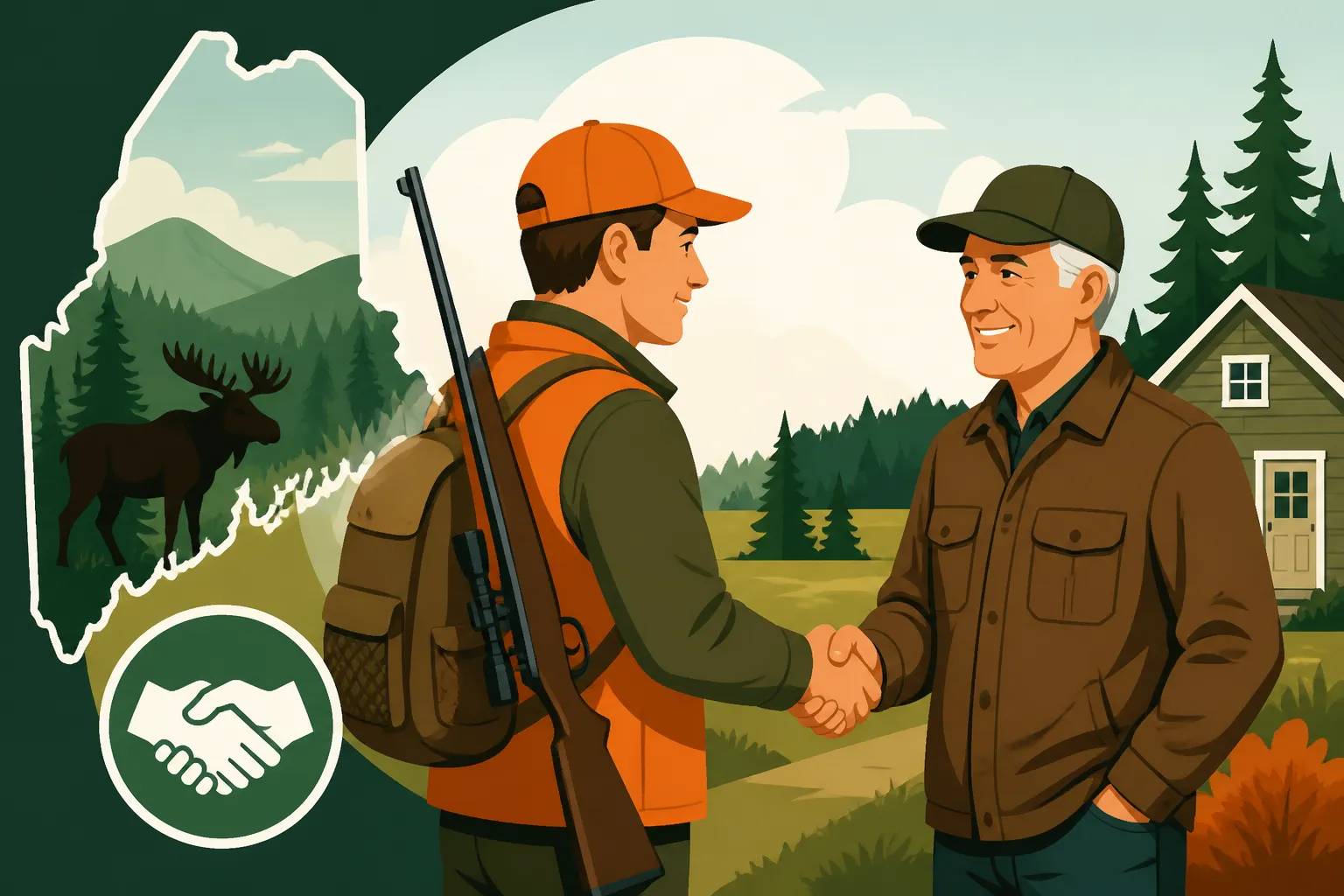
When you knock on a landowner's door and politely ask for permission, you're doing more than just requesting access; you're initiating a relationship. This simple act shows respect, professionalism, and a genuine appreciation for their property. Many landowners are open to hunters, especially if they know who is on their land and trust them to be responsible. A positive interaction can lead to exclusive access, tips on deer movement, or even invitations to hunt specific areas that aren't open to the general public. Over time, these relationships can become invaluable, providing consistent access year after year.
Imagine striking up a conversation with a farmer who owns a fantastic woodlot behind his hayfields. By asking permission, you might learn about areas where deer often funnel, or that he'd appreciate help controlling coyotes near his cattle. Maine Landowner Relations Program emphasizes that good communication is key to maintaining Maine's open land tradition. These personal connections are the bedrock of continued private land access in our state, and they ensure that future generations can enjoy the same opportunities we do.
Legal Obligations and Ethical Responsibilities
Even with implied permission, understanding your legal and ethical responsibilities is paramount. Legally, a landowner can revoke implied permission at any time. If they ask you to leave, you must do so immediately and respectfully. Failing to comply can quickly escalate to a trespassing charge, regardless of whether the land was previously posted or not. Ethically, you have a responsibility to treat private land as if it were your own, or better. This means leaving no trace, respecting crops, fences, and buildings, and being mindful of noise and disturbance to residents or livestock.
Beyond legal minimums, ethical hunting extends to how you represent hunters as a whole. Every interaction, every piece of litter, every careless shot, impacts the landowner's perception of all hunters. By being a model of responsible behavior, you reinforce the trust that allows Maine's unique access system to persist. It's about being a good steward of the land and a good neighbor. This includes being aware of things like Maine Firearms Discharge Setback Distance and other safety regulations, ensuring your presence is never a nuisance or a danger.
Avoiding Trespass and Potential Fines
The consequences of trespassing in Maine can range from a polite request to leave, to significant fines, and even confiscation of equipment in severe cases. While implied permission covers unposted land, ignorance of posted signs is rarely an acceptable defense. Landowners have the right to protect their property, and if they have gone through the effort of legally posting it, they expect those signs to be honored. The best way to avoid any potential issues is to always know where you are, and if in doubt, always seek permission.
Utilizing modern mapping tools like onX Hunt or GoHunt can be a game-changer here. These apps allow you to view property boundaries and often landowner information right on your phone, making it much easier to confirm if you're on public land, unposted private land, or a posted parcel. This technology removes much of the guesswork and significantly reduces the risk of accidentally trespassing. Always double-check your location, especially if you're venturing into a new area. Remember, even on unposted land, if a landowner approaches you and asks you to leave, you are legally obligated to do so. Ignoring their request can turn a simple implied permission scenario into a direct act of defiance, leading to legal trouble.
How to Identify Landowners and Property Boundaries
One of the biggest hurdles to asking permission is simply knowing who owns the land you want to hunt and where their property lines actually lie. Thankfully, there are several reliable methods and tools to help you with this essential scouting task.
Using Mapping Tools
In today's digital age, mapping applications have revolutionized how hunters approach private land. Tools like onX Hunt are indispensable for identifying property ownership and boundaries. With a subscription, you can overlay property lines onto detailed topographic maps and aerial imagery, often displaying the landowner's name and sometimes even their mailing address. This takes the guesswork out of locating specific parcels and provides you with the crucial information needed to make an informed request. You can literally sit at home, scout an area of interest, identify the landowner, and then plan your approach.
Similarly, other platforms like GoHunt offer advanced mapping capabilities that can assist in identifying potential hunting grounds and the associated private land details. These apps aren't just for property lines; they also help you understand the terrain, identify potential access points, and note features like logging roads, food plots, or water sources that might influence deer movement. Before heading out, always download offline maps in case you lose cell service in remote areas. Using these tools significantly streamlines the process of finding out Finding Maine Property Lines and connecting with the right people.
Local Resources: Town Offices and Registers of Deeds
Before modern mapping apps, hunters relied on good old-fashioned legwork, and these methods are still incredibly useful, especially if you prefer a more direct approach or need to verify information. Your local town office is a treasure trove of information. Tax assessor's maps, often available for public viewing, show property lines and list owners for tax purposes. You can often get copies or at least view the maps to pinpoint parcels of interest. The staff can usually help you navigate these records, and sometimes they even know the landowners personally and can offer advice on the best way to contact them.
For more detailed property records, the County Register of Deeds office is the place to go. Here you'll find official deeds, surveys, and plats that provide definitive legal descriptions of property. While more intensive to use, these records are the ultimate authority on land ownership and boundaries. Learning to read these maps can be a bit of a skill, but it's a valuable one for any hunter serious about long-term access. This approach is particularly helpful for understanding historical land use or verifying complex boundary descriptions.
Scouting for Property Markers and Signs
Even with digital maps, nothing beats boots on the ground. When you're physically scouting an area, pay close attention to any property markers you might encounter. These can include painted trees (often red, orange, or blue), stone walls, old fences, survey pins, and, of course, any "Posted" or "No Trespassing" signs. Understanding these physical indicators helps you confirm what you see on your digital map and understand the actual lay of the land. It’s important to remember that GPS can sometimes be off by a few feet, so correlating digital lines with physical markers is the safest bet.
Look for signs of recent activity – a landowner might have recently painted boundaries or installed new signs. Note the condition and type of signs; this can give you clues about the landowner's attitude towards access. For instance, a beautifully maintained property with professionally printed signs might indicate a more stringent stance on access than an older, faded, hand-written sign. Being observant during your scouting trips will give you invaluable context before you ever make contact with a landowner.
Approaching Landowners Effectively
Once you've identified the landowner and their property, the next crucial step is making contact. This interaction can make or break your chances of securing permission, so a thoughtful and respectful approach is absolutely essential.
Timing Your Visit and First Impressions
First impressions truly matter when you're asking for something. The best time to approach a landowner is generally during the off-season, well before hunting season ramps up. Spring and summer are ideal, when farmers might be working their fields or homeowners are tending to their yards, and before they're bombarded with last-minute requests right before opening day. Avoid showing up at meal times or late in the evening. A weekend afternoon or early evening on a weekday often works well.
When you arrive, make sure you look presentable and approachable. Leave your hunting gear in the vehicle; showing up in full camouflage with a rifle slung over your shoulder can be intimidating. A clean, casual appearance shows respect. Be polite, introduce yourself clearly, and state your purpose upfront. Start by complimenting their property or asking about a local landmark to break the ice. Remember, you're asking for a privilege, not demanding a right.
What to Say: Crafting Your Request
The words you choose and how you present your request are critical. Begin by politely introducing yourself and mentioning how you identified them as the landowner. For example, "Hello, my name is [Your Name], and I was looking at some maps and saw you own the woodlot behind your house. I'm an avid hunter, and I was hoping to get permission to hunt deer on your property this fall." Be specific about what you want to hunt (deer, turkey, grouse) and what method you plan to use (bow, rifle, muzzleloader). This transparency builds trust.
Be prepared to answer questions about your hunting ethics, safety practices, and even your hunting experience. Emphasize that you are a responsible and safe hunter. Offer to share your contact information and ask if there are any specific areas they'd prefer you avoid, or any gates you should close. Be upfront about any vehicle access you might need. The more information you provide, the more comfortable the landowner will likely feel. And be genuinely interested in their responses, even if they initially express hesitation. This is an excellent opportunity to learn about Asking a Maine Landowner for Permission.
Offering to Help: More Than Just Hunting
One of the most powerful ways to secure and maintain permission is to offer something in return. Don't just show up with your hand out. Ask if there's anything you can do to help them. This could be anything from helping to stack firewood, fix a fence, clear brush, or even just keeping an eye on their property for anything out of the ordinary. Many landowners appreciate an extra set of eyes and hands, especially if they are elderly or busy.
For a farmer, offering to help with a small chore or keep an eye out for coyotes near their livestock can make a huge difference. For a woodlot owner, offering to help with trail maintenance or clean up storm debris can be a big gesture. Even if they don't take you up on the offer, the gesture itself speaks volumes about your character and commitment to being a good neighbor. This kind of proactive generosity can turn a one-time permission into a long-term, mutually beneficial relationship. It shows you value their land beyond just the hunting opportunity it provides.
Formalizing Permission: Written Agreements and Best Practices
While a handshake and a verbal "yes" might seem sufficient on many Maine properties, especially those covered by implied permission, taking the extra step to formalize your access with a written agreement offers significant benefits for both you and the landowner.
When to Get Written Permission
While Maine's implied permission means you don't always need written permission for unposted land, it's almost always a good idea to seek it when possible, and sometimes it's legally essential. You should definitely get written permission for:
- Posted land: If land is posted "Access by Permission Only" or "No Trespassing," written permission is your only legal way to hunt there.
- Specific activities: If you plan to do anything beyond basic hunting, such as placing a treestand, establishing a bait site, or driving a vehicle off established roads, written permission protects you.
- Long-term access: For properties you hope to hunt year after year, a written agreement provides clarity and continuity, regardless of changes in verbal agreements or memory.
- Large parcels or timber company land: These often have specific rules, and a written agreement clarifies them.
- High-value or sensitive areas: If the land is adjacent to residential areas, has crops, or features sensitive natural resources, written permission shows you are taking extra care.
Even on unposted land, having something in writing protects you from misunderstandings or a change of heart from the landowner. It solidifies the agreement and leaves no room for doubt for either party involved. This clarity can also be beneficial if a third party questions your presence on the land. Read Do You Need Written Permission in Maine? for more context.
Key Elements of a Permission Slip
A good permission slip doesn't need to be overly complicated, but it should contain essential information to protect both parties. Here are the key elements to include:
- Landowner Information: Full name, address, and contact number.
- Hunter Information: Full name, address, license number, and contact number.
- Property Description: Legal description or a clear identifier of the property (e.g., "The woodlot behind 123 Main Street, extending to the old stone wall"). A map attachment outlining the specific hunting area is excellent.
- Dates of Permission: Clearly state the start and end dates of the permission (e.g., "September 1, 2024 to December 31, 2024"). Specify the hunting season(s) covered.
- Species and Methods: List what you are permitted to hunt (e.g., "White-tailed deer, using archery equipment only").
- Specific Conditions: Any special rules or restrictions the landowner has (e.g., "No vehicles off the main logging road," "Stay 200 yards from the house," "Close all gates").
- Signatures and Date: Both the landowner and hunter should sign and date the document.
You can often find simple templates online, or even create one yourself. The goal is clarity and mutual understanding. Carry a copy of this signed permission with you while hunting, especially if the land is posted.
Maintaining the Relationship Year After Year
Getting permission once is a great start, but maintaining that relationship is where long-term access is truly secured. Think of it as an ongoing partnership. At the end of the season, thank the landowner, whether you were successful or not. Offer to share some of your harvest if appropriate, or simply drop off a small gift like a gift card or a homemade treat. Clean up any litter you find (even if it's not yours), and report any suspicious activity or damage you notice on their property.
Check in with them during the off-season, not just when you need something. A simple phone call or a quick stop to say hello and see how they're doing shows you value them beyond just the hunting opportunity. If you promised to help with a chore, follow through. Be a good steward of their land and a respectful guest. This consistent good behavior builds trust and goodwill, making it much more likely they'll welcome you back next season and for many years to come. This kind of ongoing respect is what solidifies a strong Maine Landowner Preference Rules scenario for you.
Navigating Different Types of Private Land
Not all private land is created equal, and understanding the different types of ownership and management practices can help you tailor your approach to seeking permission and understanding what to expect.
Residential and Farm Properties
These are often the most common types of private land encountered, ranging from small suburban lots with wooded backyards to expansive agricultural operations with vast fields and woodlots. When dealing with residential properties, proximity to homes and other structures is a major consideration. Landowners will naturally be concerned about safety, noise, and privacy. Your approach should emphasize safety, using appropriate setbacks, and being respectful of their daily lives. Often, these smaller parcels are excellent for archery hunting or quiet still-hunting, rather than deer drives.
Farm properties, on the other hand, often present different opportunities and challenges. Farmers may be dealing with deer damage to crops and might welcome hunters to help manage the deer population. However, they also have active operations, livestock, and potentially dangerous equipment. Always ask about field access, specific times to avoid, and where livestock might be pastured. Offer to close gates, drive slowly on farm roads, and stay clear of farm equipment. Understanding their specific concerns is key. Hunting a field edge near a crop requires extreme care not to damage the harvest or disturb operations. Knowing Entry Routes Through a Cut Cornfield can be vital for minimizing impact.
Timber Company Lands and Industrial Forests
Maine is famous for its vast tracts of industrial forestland, much of which is owned by large timber companies. These lands often cover thousands of acres and are actively managed for timber production. Historically, many of these companies have allowed public access for recreation, including hunting, often under an implied permission system or with specific rules and fees. Some may require you to register online or at a checkpoint, while others simply ask you to be respectful.
When hunting timber company land, be aware that active logging operations can be happening at any time. Look for signs of logging, new roads, or equipment. Always respect safety zones around active cuts and avoid interfering with equipment or crews. Many companies have specific rules regarding vehicle access, camping, and the placement of permanent treestands. It's always best to check their websites or call their local offices for their current access policies before venturing out. While generally open, these are not truly "public" lands, and the implied permission can be revoked or restricted if the land is not treated with respect. Understanding Hunting a North Maine Woods Checkpoint Tract or Hunting a Timber Company Access Road is key here.
Small Woodlots and Remote Parcels
Beyond farms and timberlands, there are countless small woodlots and remote parcels owned by individuals who might not live on or even near the property. These can be goldmines for hunters looking for less pressured areas, but they also present unique challenges for gaining permission. Finding the landowner for these parcels often requires diligent use of mapping tools and town records. These owners may be absentee, making direct contact difficult.
For these properties, a formal letter sent via mail, introducing yourself and stating your intentions, can be an effective first step if a direct visit isn't possible. Always include your contact information and express your willingness to discuss their concerns. If you do gain access to a remote parcel, understand that you are often truly alone out there, far from immediate assistance. Plan accordingly, bring emergency supplies, and inform someone of your hunting plans. These parcels can offer incredible experiences, but they demand a high level of self-sufficiency and respect for the landowner's distant trust.
Common Challenges and How to Overcome Them
Despite your best efforts, gaining private land access isn't always easy. You'll likely encounter challenges, from outright denials to simply finding suitable land. Learning how to navigate these gracefully and persistently is part of the hunting journey.
Dealing with Denials Gracefully
It stings to be told "no," but it's an inevitable part of asking for permission. When a landowner denies your request, respond with grace and understanding. Thank them for their time, acknowledge their right to deny access, and politely leave. Do not argue, badger, or try to change their mind. Pushing the issue will only create resentment and could lead to them being less likely to grant permission to anyone in the future. Their reasons for saying no could be varied: they might have had bad experiences with hunters in the past, have other hunters already, or simply value their privacy.
Remember, a "no" today doesn't necessarily mean a "no" forever. If you leave a positive impression, they might reconsider in the future, or even refer you to a neighbor who is open to hunters. Maintain your polite demeanor, even if you're disappointed. Your reputation as a respectful individual precedes you, and a negative reaction can quickly spread through a rural community, closing doors rather than opening them. It's often not personal; respect their decision.
Finding "Unposted" or Less Pressured Land
In Maine, where implied permission is the norm, finding unposted land is often easier than in other states. The challenge, however, is finding unposted land that is also less pressured. Areas close to towns or main roads tend to see more recreational use. To find those hidden gems, you need to put in some serious scouting. Look for areas that are difficult to access, perhaps requiring a longer walk, crossing a stream, or navigating dense cover. These "hard-to-reach" spots often hold less pressured game because most hunters won't put in the extra effort.
Use your mapping tools like onX Hunt to identify remote corners of unposted land, areas without clear road access, or large tracts that might be overlooked. Pay attention to topography and natural barriers. Often, a steep ridge, a marshy area, or a thick cedar swamp can act as a natural buffer, creating pockets of less pressured land even near more accessible areas. Dedicate time to walk these areas in the off-season, looking for old logging trails, game sign, and potential ambush points. Often, Finding Ground Others Walk Past is about putting in more legwork than the average hunter.
Addressing Concerns About Safety and Liability
Landowners often have legitimate concerns about safety and liability when allowing hunters on their property. Be prepared to address these head-on. Emphasize your commitment to safety: always knowing your target and what's beyond it, adhering to all blaze orange requirements, and treating firearms with the utmost respect. If you plan to use a treestand, explain your safety harness use and tree stand ethics. If you're a bowhunter, highlight the shorter effective range and quieter nature of archery.
Regarding liability, Maine has laws that provide some protection to landowners who allow free public recreational use of their land. Generally, if they are not charging you for access, their liability is significantly reduced. However, this is not a blanket immunity, and it's always wise to discuss their specific concerns. You might offer to sign a waiver (if they have one) or explain that you carry your own insurance. Reassure them that you are a responsible adult who understands and accepts the risks associated with hunting. Transparency and a clear understanding of safety protocols can go a long way in alleviating their worries.
Alternative Access Options When Direct Permission Isn't Possible
Even with Maine's generous implied permission rules and your best efforts to secure specific landowner permission, there will be times when direct private land access simply isn't an option. Thankfully, Maine offers a wealth of public hunting grounds that can provide fantastic opportunities.
Maine Wildlife Management Areas
Maine's Wildlife Management Areas (WMAs) are tracts of land specifically managed for wildlife habitat and public recreation, including hunting. These areas are spread across the state and range in size from a few hundred to several thousand acres. They are typically open to hunting during established seasons, providing a reliable option when private land is unavailable or too heavily pressured. WMAs are often managed to provide diverse habitats, making them excellent for various game species, from deer and moose to grouse, woodcock, and waterfowl.
While WMAs are public, they still have rules and regulations specific to their management plans. Always check the Maine Department of Inland Fisheries and Wildlife (MDIFW) website for maps, specific regulations, and any temporary closures before you go. Access points might be clearly marked, and some WMAs might have restrictions on vehicle use, baiting, or stand placement. These areas are a fantastic resource for hunters and offer a predictable and legal place to pursue game. Finding Maine WMA Access for Upland Birds or Maine WMA Access for Waterfowl can be a great starting point for new areas.
Maine Public Reserved Land Explained
Beyond WMAs, Maine also boasts a significant amount of "Public Reserved Land." These lands are owned by the state and managed by the Bureau of Parks and Lands, often for multiple uses including timber harvesting, recreation, and wildlife habitat. Like WMAs, Public Reserved Lands are generally open to hunting, offering vast opportunities, especially in the more remote regions of the state. These lands often have extensive trail systems, camp sites, and scenic beauty that enhance the hunting experience.
Similar to WMAs, it's crucial to consult the Bureau of Parks and Lands website or contact their regional offices for specific maps and rules pertaining to the parcel you wish to hunt. Some areas might have seasonal restrictions, designated non-hunting zones, or rules about overnight camping. These lands can be excellent for those seeking a true wilderness experience, offering remote hunting opportunities far from crowds. Exploring Maine Public Reserved Land Explained can open up a lot of new possibilities.
Joining a Maine Hunting Club
For those who find the process of securing individual permission too daunting or simply prefer a shared experience, joining a Maine hunting club can be an excellent alternative. Hunting clubs often lease large tracts of private land from timber companies or private landowners, pooling resources to secure exclusive access for their members. This provides a guaranteed place to hunt without the constant worry of finding new permission each season.
Clubs vary widely in their focus, amenities, and costs. Some are rustic, offering simple camp access, while others provide fully outfitted camps, meals, and even guided services. Membership typically involves annual dues and an agreement to abide by the club's rules and regulations, which often include workdays to maintain the property. This can be a great way to learn from experienced hunters, gain access to quality land, and enjoy a strong sense of community. While it comes with a fee, the peace of mind and access it provides can be well worth the investment, especially if you're looking for a consistent hunting location year after year. Consider Joining a Maine Hunting Club if consistent, reliable access is a priority.
| Permission Type | Description | Best Practice for Hunter | Landowner Benefit | Hunter Benefit |
|---|---|---|---|---|
| Implied Permission | Land is unposted according to Maine law; public presumed to have permission for recreational use. | Treat all unposted land with utmost respect; consider asking permission anyway, especially if near residences. | Less burden to actively police land; encourages responsible public use. | Broad access to vast amounts of private land without needing explicit approval for every parcel. |
| Verbal Permission | Direct conversation with landowner, granting spoken permission. | Always seek clarification on boundaries and restrictions; follow up with a thank-you. Consider a written note for clarity. | Personal connection; ability to vet hunter; can revoke easily. | Direct access, often to specific, quality areas; builds trust. |
| Written Permission | Formal document signed by both landowner and hunter, outlining terms, dates, and areas of access. | Always carry a copy; strictly adhere to all conditions; re-establish contact annually. | Legal protection; clear understanding of terms; documented agreement. | Clear, undeniable access rights; reduces misunderstandings; good for long-term access or posted land. |
| Hunting Club/Lease Access | Access granted through membership in a club or a shared lease agreement for specific private tracts. | Understand and follow all club rules; participate in workdays; maintain good relations with fellow members and club leadership. | Guaranteed income/maintenance for landowner; shared responsibility for property. | Consistent, often exclusive access to managed land; community of hunters; reduced individual permission burden. |
Disclaimer
This article is for general informational purposes only and does not constitute professional advice. Laws, prices and regulations vary by location and change over time. Consult a qualified professional for guidance on your specific situation.