How Many Acres Maine’s Public Land Covers
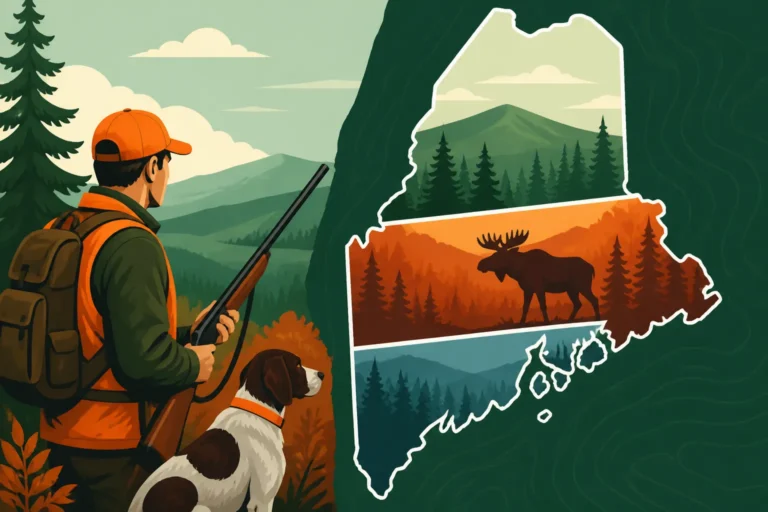
For anyone new to hunting in Maine, or even seasoned Mainers looking to explore new grounds, figuring out exactly where you can legally hunt can feel like trying to solve a complicated jigsaw puzzle with half the pieces missing. You hear about vast tracts of wilderness, but then you encounter "No Trespassing" signs or confusing gate systems, leaving you wondering if there's any truly public land left. This guide is here to untangle that confusion, giving you a clear picture of how much public land Maine actually offers, how to find it, and what kind of hunting adventures await you there.
The Big Picture: How Much Public Land is Really Out There?
When you dream of hunting in Maine, you likely picture endless forests, sprawling mountains, and remote waterways. While a significant portion of Maine's landscape is indeed forested, the ownership and access can be a complex tapestry. The question of "how many acres of public land" isn't as straightforward as it might seem, largely because Maine has a unique blend of genuinely public lands, privately owned lands with guaranteed public access, and vast industrial timberlands that allow public recreational use, often for a fee.
Maine's State-Owned Lands and Public Reserved Lands
At the heart of Maine's public hunting opportunities are lands directly owned and managed by the state. These include Wildlife Management Areas (WMAs) and Public Reserved Lands, which are specifically designated for conservation, recreation, and, crucially for us, hunting. These lands are truly public, meaning you generally don't need permission to access them for hunting, outside of specific seasonal regulations or localized restrictions.
The state manages hundreds of thousands of acres across these categories, carefully maintained for ecological health and recreational benefit. Maine Wildlife Management Areas are often specifically enhanced for wildlife habitat, providing excellent opportunities for deer, turkey, and small game. These WMAs are scattered throughout the state, from coastal regions to inland forests, often offering diverse habitat types. Similarly, Maine Public Reserved Land Explained refers to large tracts set aside for public use, often in more remote areas, providing opportunities for a more wilderness-style hunt. When you hunt these areas, you're on ground owned by all citizens, and the management objectives typically align with sustainable wildlife populations and diverse hunting experiences.
Federal Lands in Maine
While Maine isn't home to vast national forests or parks that are open to hunting on the scale seen in some western states, there are still pockets of federally managed land that contribute to our public hunting acreage. These might include National Wildlife Refuges or smaller parcels managed by federal agencies.
These federal holdings, though smaller in aggregate than state lands, are often critically important for specific types of hunting, particularly waterfowl and migratory birds. For instance, parts of the Maine Coastal Islands National Wildlife Refuge System might offer sea duck hunting opportunities in designated areas, though hunters must always be hyper-aware of specific refuge regulations that can differ significantly from state laws. It’s always paramount to check with the managing agency for specific rules on access and hunting within these federal boundaries, as they can change and are often more restrictive than state public lands.
The North Maine Woods: A Unique Public Access Model
Now, this is where things get really interesting, and often a little confusing for folks new to Maine's vast timberlands. The North Maine Woods isn't publicly owned in the traditional sense; it's a massive, privately owned working forest that spans over 3.5 million acres in northern Maine. However, it operates under a unique system that grants public access for recreation, including hunting, usually through a system of gated entry points and fees. This model allows hunters to experience truly remote, "big woods" hunting that feels every bit as wild as any federal or state wilderness.
The sheer scale of the North Maine Woods is difficult to comprehend until you've driven for hours through its network of logging roads, rarely seeing another soul. This region is a cornerstone of Maine's hunting heritage, offering incredible opportunities for Moose Hunting Maine's North Woods and Black Bears in Maine. While it's private land, the long-standing tradition and formalized access agreements mean that it functions much like public land for recreational users, provided you adhere to their rules and pay the access fees. Understanding The North Maine Woods Gate System is crucial for navigating this vast area, as different gates lead to different regions and have varying regulations and services.
Here's a quick overview of Maine's publicly accessible lands:
| Land Type | Ownership Type | General Access | Primary Uses (Hunting) | Key Considerations |
|---|---|---|---|---|
| State Wildlife Mgmt. Areas | State | Open, no fee | Deer, turkey, small game, waterfowl habitat focused | Managed for wildlife, specific local rules may apply |
| State Public Reserved Lands | State | Open, no fee | Deer, moose, bear, upland birds | Wilderness feel, often more remote, dispersed |
| Federal Wildlife Refuges | Federal | Restricted | Waterfowl, migratory birds | Very specific rules, limited access, check local regs |
| North Maine Woods | Private (timber) | Permitted, fee | Moose, bear, deer, upland birds | Fee-based access, gate system, remote, active logging |
| Industrial Timberlands (other) | Private | Implied (unless posted) | Deer, bear, small game | Widespread, reliant on Maine's Private Land Access Tradition |
Please note: The "General Access" and "Key Considerations" above are generalized. Always verify specific rules and access requirements for any land before entering.
Making Sense of the Maps: Navigating Maine's Public Access Terrain
So, you know there's a lot of land out there, but how do you actually find it and ensure you're hunting legally? This is where modern tools and a solid understanding of Maine's unique land access traditions come into play. It's not enough to just know the acreage; you need to know how to use it.
Leveraging Digital Mapping Tools
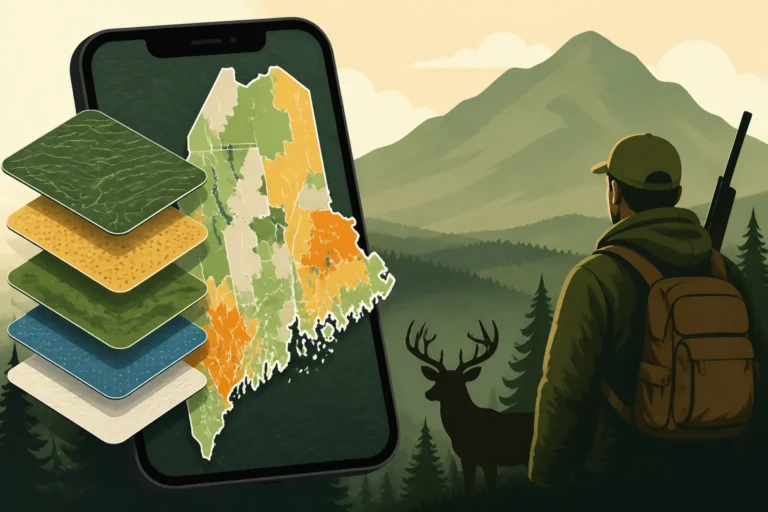
In today's hunting world, digital mapping applications are absolutely invaluable, especially in a state like Maine where land ownership can be fragmented or complex. Forget outdated paper maps that can't keep up with changing logging operations or newly posted parcels. Apps like onX Hunt and GoHunt have revolutionized how hunters navigate the backcountry, offering real-time property line data right on your phone or GPS device.
These platforms often provide layers that delineate public land boundaries, private property lines, landowner names, and even features like logging roads, topography, and recent timber cuts. For hunting in the North Maine Woods, an app can show you which parcel is owned by which timber company, helping you understand the access structure. For state lands, it clearly shows the boundaries of WMAs and Public Reserved Lands, ensuring you don't inadvertently wander onto a posted private lot. Checking Using an App for North Maine Woods Land Status or digging into the onX Layers for Maine Land Status specifically can be a game-changer for confident navigation, allowing you to maximize your time actually hunting, not guessing.
Understanding Posted Versus Unposted Land
Maine has a long-standing tradition of implied permission for recreational access on private land, which means you generally can hunt, fish, or trap on private land that isn't posted with "No Trespassing" signs. This is a crucial distinction that dramatically expands the amount of land available to hunters beyond just the strictly public acreage. However, this tradition comes with a big responsibility.
It's vital to understand Maine Trespass and Permission Law. If a landowner posts their property, that implied permission is rescinded, and you absolutely cannot hunt there without explicit permission. Posted land is exactly that: posted. No means no. Even on unposted land, it's always best practice to seek permission if you can, especially if you're hunting close to homes or active farm fields. This helps maintain the positive relationship between landowners and hunters that Maine is so proud of. Many productive hunting areas, particularly in agricultural regions like Aroostook County or scattered woodlots in southern Maine, are privately owned but accessible due to this tradition.
Scouting and Planning Your Public Land Hunt
Even with the best maps, success on public land—or public-access private land—comes down to thorough scouting and planning. Just because a vast tract is open doesn't mean deer, moose, or grouse will be everywhere. Animals gravitate to specific habitat features, food sources, and cover, which can change seasonally.
When you're looking at a map, whether digital or physical, identify potential pinch points, water sources, natural funnels, and areas of dense cover that might offer sanctuary. Look for changes in elevation, different forest types, and proximity to agricultural fields if you're hunting the fringes of developed areas. For deer, understanding Reading a North Woods Deer Yard or identifying late-season food sources can be key. For upland birds, focus on alder runs or old apple orchards. Access points are also crucial: identify parking areas, logging road networks, or water bodies that allow boat access. The more you plan your route, potential stand locations, and extraction strategies before you ever step foot in the woods, the more effective and enjoyable your hunt will be.
What You Can Hunt: Opportunities Across Maine's Public Acreage
The beauty of Maine's vast and varied landscape, coupled with its extensive public access, is the sheer diversity of hunting experiences it offers. From the deep woods of the north to the coastal edges, there's an adventure waiting for nearly every type of hunter.
Deer Hunting on Public Swathes
Maine's public and publicly accessible lands offer incredible opportunities for white-tailed deer hunters. While the northern reaches of the state are known for their massive timberlands, often requiring extensive travel and a more challenging "big woods" style of hunting, the central and southern parts of the state also boast excellent public ground. Whether you're after a trophy buck or simply looking to fill the freezer, understanding where deer thrive on these diverse landscapes is paramount.
In the more remote areas of the North Maine Woods and Public Reserved Lands, deer densities can be lower than in agricultural areas, but the opportunity to pursue an undisturbed, mature buck is high. These hunts often involve covering a lot of ground, still-hunting through thick spruce-fir stands, or focusing on old clear-cuts where regrowth provides browse and cover. Conversely, areas designated as Best Public Ground for Southern Maine Deer might be closer to population centers but offer excellent habitat within WMAs and smaller reserved lands, often bordering private agricultural fields. Here, deer can grow larger due to better nutrition, but you might face more hunting pressure. Success often comes down to early-morning or late-evening sits near travel corridors or using a ground blind on posted-free land adjacent to private fields.
Upland Birds and Small Game Hotspots
For those who love to walk and hunt with a keen eye or a good dog, Maine's public lands are a paradise for upland birds and small game. Ruffed grouse, American woodcock, and snowshoe hare are abundant in the right habitats, which are often found in regenerating forests common on state-managed and timber company lands.
Grouse Hunting Maine Alder Runs is a classic pursuit, and you'll find plenty of these dense, brushy covers along streams and old logging roads on both state public lands and through the North Maine Woods access system. Similarly, woodcock thrive in moist, young woodlands, and Maine is a significant migration corridor for them. Look for areas with a mix of young alders, aspens, and dense saplings. Woodcock Hunting Maine Covert Country often means finding those specific damp thickets they favor. Snowshoe hare, another fantastic small game animal, prefers thick conifer stands and areas with dense underbrush. Public lands across the state, especially those with mixed evergreen and deciduous forests, provide ample habitat for these species. The beauty of these hunts is the ability to cover miles on foot, exploring new territory without worrying about crossing property lines if you've done your mapping homework.
Bear and Moose in Remote Public-Access Zones
For many, the ultimate Maine big game experience involves either a black bear or a moose. Both of these iconic species are heavily concentrated in the vast, remote forests of northern and western Maine, much of which falls under the North Maine Woods public access system or state Public Reserved Lands.
Hunting for Black Bears in Maine often involves baiting, hunting with hounds, or still-hunting. While baiting and hounding typically occur on privately managed lands through outfitters, the vastness of the North Maine Woods also provides incredible opportunities for still-hunting bears, especially around berry patches or active timber cuts in late summer and early fall. Similarly, Moose in Maine's North Woods are primarily found in these expansive, undeveloped areas. Winning a tag in Maine's coveted moose lottery often means you'll be assigned a Wildlife Management District (WMD) within these very remote regions, where public-access timberlands or Public Reserved Lands will be your hunting grounds. These hunts require significant preparation, robust navigation skills, and often a willingness to venture far off the beaten path into truly wild country, but the rewards are unmatched. Whether you're tracking a deer in fresh snow or calling a bull moose from a clear-cut, the vastness of Maine's publicly accessible lands provides an unparalleled wilderness hunting experience.
Disclaimer
This article is for general informational purposes only and does not constitute professional advice. Laws, prices and regulations vary by location and change over time. Consult a qualified professional for guidance on your specific situation.