Hunting Near the Canadian Border
There’s something undeniably magnetic about the idea of hunting near the Canadian border here in Maine. It conjures images of vast, untouched wilderness, mature game, and an escape from the crowds you might find closer to population centers. But let's be real, this isn't your average woodlot hunt. It comes with its own unique set of challenges, from navigating immense timberlands to the very serious implications of an accidental international border crossing. This guide is here to walk you through what you need to know to hunt safely, successfully, and legally in Maine's border regions, ensuring your adventure is memorable for all the right reasons.
Understanding the Allure and Challenges of Borderland Hunting
Hunting along the Maine-Canada border isn't just another day in the woods; it's an immersion into a truly wild landscape, one that often feels more frontier than settled. This unique environment draws a specific type of hunter, but it also demands a higher level of preparation and respect for its inherent complexities.
The Call of the Wild: Why Border Areas Attract Hunters
For many, the draw of Maine's borderlands is simple: it's the sheer scale of the wilderness. This isn't fragmented suburbia with small woodlots and constant road noise. We're talking about massive tracts of timber, often managed by large timber companies, where the only sounds are the wind through the pines and the distant call of a raven. This vastness means less hunting pressure in many spots, which can translate to less wary game. When you're out there, you truly feel disconnected from the hustle and bustle, a feeling many hunters crave.
The remoteness also often means bigger, older animals. Deer in these northern reaches of Maine, while perhaps not as numerous as in the more fertile southern zones, often have the chance to grow to impressive sizes, honing their survival instincts in a truly wild setting. Moose, of course, are synonymous with Maine's North Woods, and their presence is strong in these areas. Black bears thrive in the deep woods, often far from human development, making the border region a prime spot for pursuing these powerful animals. Moose Hunting Maine's North Woods and Black Bears in Maine are prime examples of the game that thrive here.
Navigating the Borderland: Unique Considerations
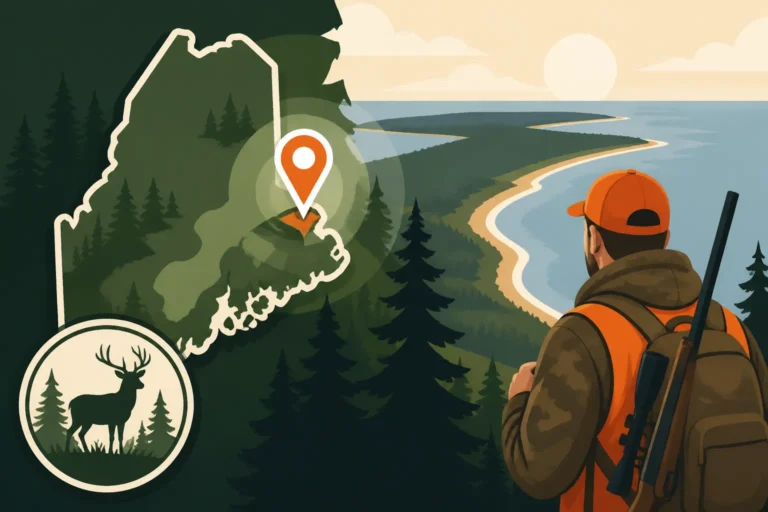
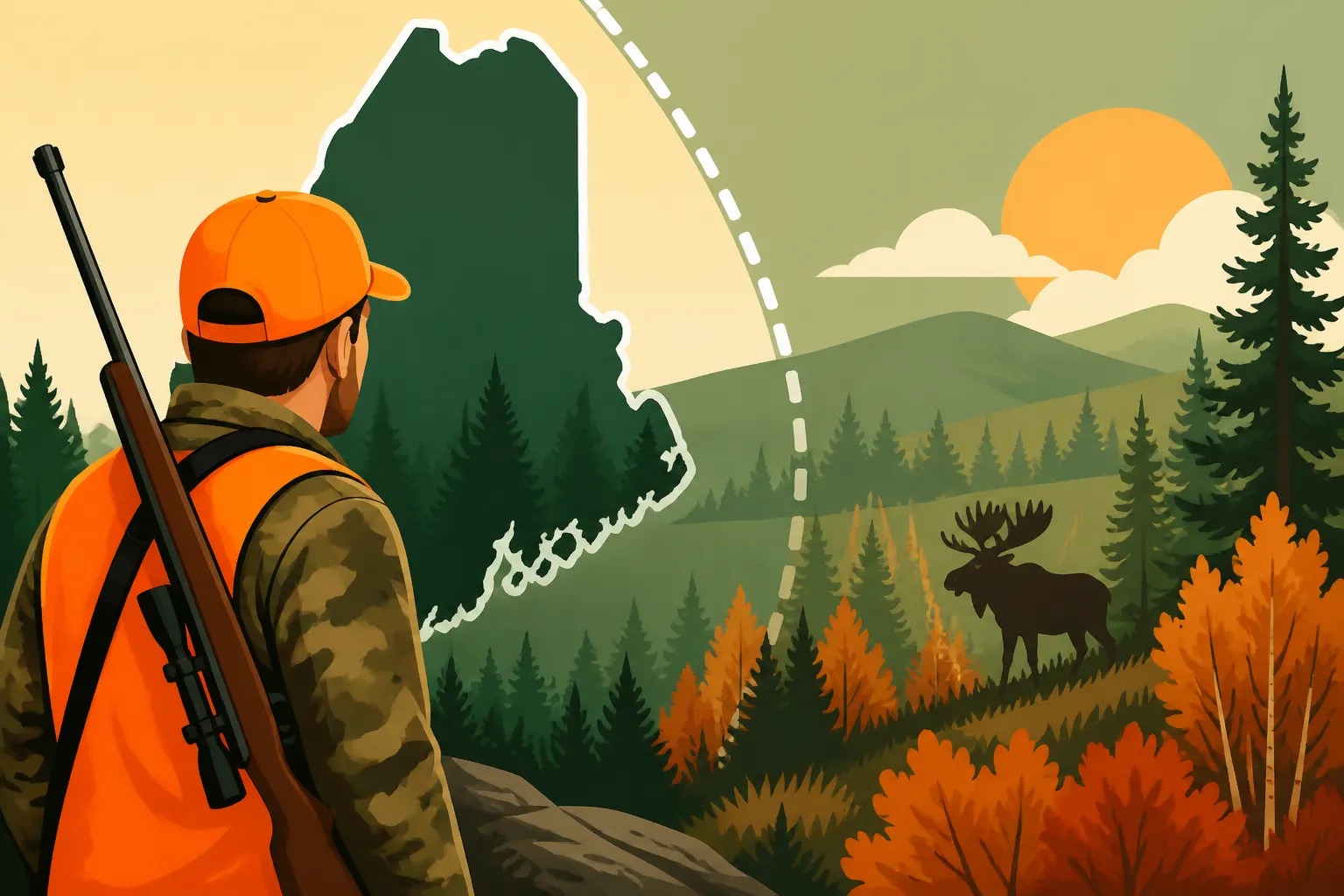
While the allure is strong, the challenges are equally significant. The most prominent, of course, is the international border itself. Unlike state lines, this isn't just an invisible marker on a map; it's a legal boundary with serious implications. Accidentally crossing into Canada, even by a few yards while tracking a deer, can lead to severe consequences. This isn't just about a slap on the wrist; it can involve detention, confiscation of your firearms and gear, significant fines, and even a permanent mark on your record that could affect future travel.
Beyond the border itself, the sheer remoteness means that help is often hours away. A twisted ankle, a broken-down vehicle, or an unexpected change in weather can quickly escalate into a life-threatening situation. Cellular service is virtually nonexistent in many of these areas, making communication with the outside world a significant hurdle. Hunters need to be entirely self-sufficient, well-prepared for emergencies, and keenly aware of their surroundings at all times.
Essential Preparations for Border Hunting
When you’re heading into Maine's border country, preparation isn’t just a good idea—it’s absolutely critical. This isn't a place where you can just wing it. Your navigation, communication, and emergency plans need to be dialed in before you ever step foot out of your vehicle.
Maps, GPS, and Boundary Markers
Accurate navigation is your best friend when hunting near the Canadian border. Relying solely on a phone app, while convenient, can be a recipe for disaster when signals are spotty or non-existent, and battery life is always a concern. You need robust, redundant navigation tools. Start with physical, detailed topographic maps, like USGS quads, that show terrain features, water bodies, and logging roads. Learn how to read them thoroughly and carry a compass, knowing how to use it with your map.
Complementing your physical maps, a dedicated handheld GPS unit is invaluable. These devices are designed for rugged outdoor use, offer longer battery life, and often have preloaded maps. However, digital mapping applications like onX Hunt are truly game-changers for border hunting. The onX Hunt app, for instance, offers detailed satellite imagery, property boundaries, and, critically, often overlays for the international border itself. This visual representation can be incredibly helpful in understanding where the line is in relation to the terrain you're traversing. You can download maps for offline use, ensuring you have access even without cell service. Before you go, spend serious time studying the digital and physical maps, identifying the border, and noting any prominent landmarks that could help you orient yourself in the field. Look for clearings, distinct ridge lines, or major water crossings that correlate with the border.
Communication and Emergency Planning
Given the often non-existent cell service in Maine's border regions, effective communication and a solid emergency plan are paramount. You absolutely cannot rely on making a quick call if something goes wrong. A satellite communication device, like a Garmin inReach or a Zoleo, is highly recommended. These devices allow you to send and receive text messages, track your location, and, most importantly, send an SOS signal to emergency services even without cellular coverage. Make sure anyone back home knows your exact itinerary, including your planned entry and exit points, the specific areas you intend to hunt, and when they should expect to hear from you. Establish a clear "check-in" schedule so that if you miss a call, someone knows to initiate a search.
Your emergency kit needs to be comprehensive. This goes beyond a basic first-aid kit; think about survival. Pack extra layers of clothing, a compact emergency shelter or bivy sack, fire-starting materials (multiple options), a water filter or purification tablets, high-energy food, and a powerful headlamp with spare batteries. Consider what you would do if you had to spend an unexpected night in the woods due to injury or getting lost. Hypothermia is a real threat, even outside of deep winter, if you get wet and the temperatures drop. Being prepared for the worst-case scenario isn't pessimistic; it's responsible and can be the difference between a bad day and a truly tragic one.
Game Species and Tactics Near the Border
The remote, expansive nature of Maine's borderlands offers incredible opportunities for hunters seeking various species. The tactics employed here often need to adapt to the unique environment, favoring stealth, endurance, and a deep understanding of wilderness game behavior.
Deer Hunting in the Northern Reaches
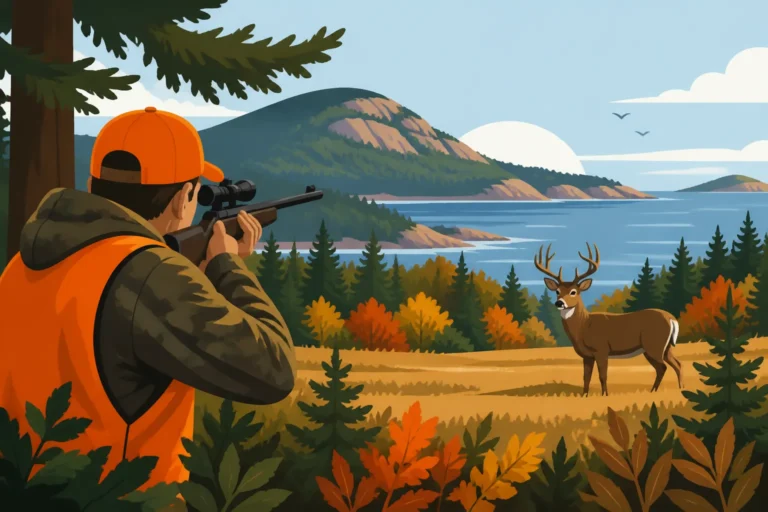
Deer hunting near the Canadian border, particularly in the vast, wooded landscapes of Aroostook, northern Somerset, and Piscataquis counties, is a different beast entirely than hunting closer to the coast. These aren't the fat, corn-fed suburban deer; these are rugged, wild whitetails. The populations tend to be lower due to harsher winters and deep snow, but the deer that survive and thrive often grow to impressive sizes, developing a keen sense of survival. Don't expect to see deer at every turn, but when you do, it could be a truly magnificent animal.
Still-hunting is a highly effective tactic in these big woods. This involves moving slowly, deliberately, and quietly through the timber, constantly scanning for movement, tracks, or other sign. You're hunting the woods, not just waiting in a stand. In late season, especially after the first significant snowfall, tracking becomes a powerful technique. Fresh snow reveals deer movement, allowing you to pick up a track and follow a buck, sometimes for miles, through the silent woods. This requires immense patience and skill in interpreting sign, but it can lead to incredibly rewarding encounters. Understanding Northern Maine Deer Density helps set realistic expectations, and knowing How Deep Snow Affects Maine Deer Survival can inform your strategy, pushing you towards deer yards where deer congregate to escape the elements. Learning to interpret Reading a North Woods Deer Yard is crucial for late-season success.
Moose and Bear: Big Game Opportunities
The remote border regions are quintessential moose and bear country. For moose, the vast clearcuts, regenerating forests, and boggy areas provide ideal habitat. If you're fortunate enough to draw a Maine Moose Lottery Application Process permit for one of the northern WMDs, hunting near the border offers prime opportunities. Calling is a popular and effective tactic, especially during the rut in late September and early October. Moose respond well to cow calls and bull grunts, drawing them out of thick cover. Still-hunting the edges of clearcuts at dawn and dusk, or slowly traversing old logging roads, can also yield sightings. Understanding Moose Habitat in the North Woods is key to finding these colossal animals.
Black bears are abundant throughout Maine's forested borderlands. Hunters typically pursue bears using one of three legal methods: baiting, hunting with hounds, or still-hunting/trapping. While baiting often draws bears to specific, scouted locations, ensuring your bait site is well clear of the international border is non-negotiable. Hunting with hounds, a traditional method in Maine, can be exciting, but hunters and their dogs must be extremely mindful of the border to prevent accidental crossings. Bear Hunting Maine's Three Legal Methods provides a deeper dive into these options. Still-hunting clearcuts for berries or acorns in early fall can also be productive, particularly in areas with a good mast crop.
Upland Birds and Small Game in Remote Cover
Don't overlook the incredible opportunities for upland birds and small game in Maine's border regions. Ruffed grouse, often called partridge here, thrive in the diverse timber stands, particularly along logging roads, clearcut edges, and younger growth. Walking these old roads or working through alder runs with a good bird dog can provide fast-paced action. Grouse Hunting Maine Alder Runs is a classic approach in these areas. American woodcock, a migratory bird, also use these remote coverts during their migration, particularly in dense, damp thickets near water. Woodcock Hunting Maine Covert Country often means finding these birds in similar habitats to grouse, making for a fantastic combo hunt.
Snowshoe hare populations can be robust in areas with dense conifer cover, especially young spruce and fir thickets that provide both food and protection from predators. Running beagles through these areas on a fresh snowfall is a time-honored tradition and offers a fantastic way to enjoy the winter woods. The remoteness often means these hares see less pressure, making them a bit more accessible than in more frequently hunted areas.
Legalities, Regulations, and Safety
Hunting near an international boundary elevates the importance of understanding and strictly adhering to all legalities and safety protocols. The consequences of error are far greater than simply losing a hunting opportunity.
Maine Hunting Laws Specific to Border Areas
All standard Maine hunting laws apply in the border regions, but the remote nature and international boundary demand extra diligence. Remember, there is no Sunday hunting in Maine, a rule that often catches non-residents off guard. Blaze orange requirements are strict during the firearms season; wear enough to be clearly visible from all directions, no matter the weather. Consult the Maine Department of Inland Fisheries and Wildlife (MDIFW) regulations book for the most current rules, season dates, and specific Wildlife Management Districts (WMDs) you'll be hunting in. Some WMDs may have specific nuances related to bag limits or season lengths that are critical to know.
It is also important to remember that all hunters born after January 1, 1999, are required to complete a Maine Hunter Education Requirements course before purchasing their first hunting license. This course covers not only firearm safety but also ethical hunting practices, game identification, and the importance of knowing and following regulations. While not specific to the border, these foundational rules are absolutely vital for any hunter operating in such sensitive areas. Make sure your Maine Hunting Licenses and What They Cost are up to date and physically on your person, or readily accessible on a digital device, should you encounter game wardens or border patrol.
International Border Crossing: A Strict No-Go
This cannot be stressed enough: do not cross the international border, even accidentally. The border line is not a suggestion; it's a hard boundary. The physical demarcation can sometimes be subtle, a cut line through the trees, old boundary markers, or even just a change in vegetation that doesn't immediately scream "international boundary." This is why precise navigation with detailed maps and a reliable GPS device like onX Hunt, with its border overlay, is absolutely critical.
The repercussions of an unauthorized crossing are severe. You could face immediate detention by U.S. Border Patrol or Canadian authorities, significant fines, confiscation of your firearms and vehicle, and potentially a criminal record that could impact your ability to cross into Canada (or even re-enter the U.S.) in the future. Furthermore, never, under any circumstances, pursue wounded game across the border. It's a heartbreaking situation to lose an animal, but the legal and personal consequences of crossing the border illegally far outweigh the loss of game. If an animal crosses, you must stop.
Border Patrol Presence and Cooperation
It is highly probable that you will encounter U.S. Border Patrol agents while hunting in Maine's border regions. Their presence is a routine part of national security in these remote areas. When encountered, be polite, cooperative, and have your identification and hunting licenses readily available. They are primarily focused on national security and illegal crossings, not typically on hunting violations, but they are law enforcement officers and will observe and report any infractions they witness to MDIFW game wardens.
Think of Border Patrol agents as an additional layer of security, not just a potential hassle. They know the terrain, are often well-equipped for remote emergencies, and their presence helps deter illegal activity that could impact hunters. A respectful interaction can often lead to a pleasant exchange and even helpful local information. They might ask where you're headed, what you're hunting, and confirm your identification and purpose for being in the area. This is standard procedure, and a quick, honest answer is all that's required.
Practical Considerations for Remote Hunts
Hunting in Maine's border country demands a high degree of self-reliance and practical planning. From how you access these remote areas to what you pack, every detail matters for a safe and successful trip.
Access and Logistics
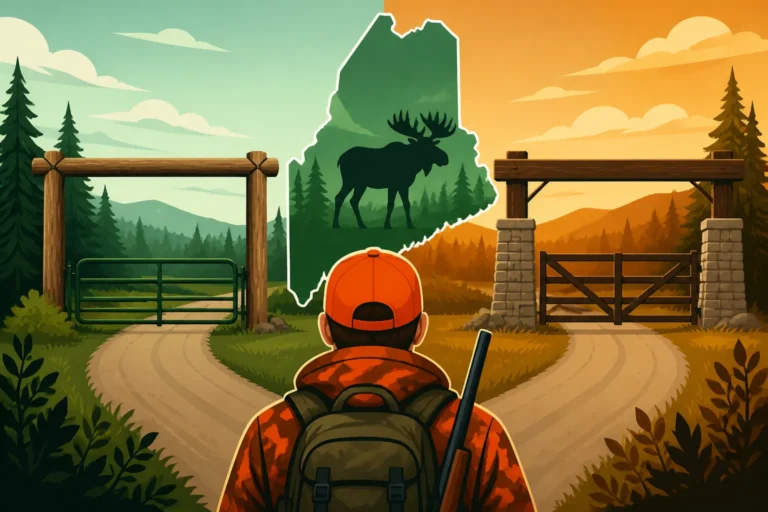
Much of Maine's border country is accessed through vast tracts of private, industrial timberland, most notably managed by organizations like the North Maine Woods. This means that access is often controlled through gate systems and requires fees for entry and sometimes for camping. Understanding The North Maine Woods Gate System is fundamental if you plan to hunt in these areas. You'll need to know which gates to use, their operating hours, and how to pay the required day-use or multi-day fees. These fees directly support the maintenance of roads, campsites, and the management of this immense working forest.
Your vehicle preparedness is also crucial. Many logging roads, while navigable, can be rough, rocky, or muddy, especially after rain or during spring breakup. A reliable four-wheel-drive vehicle with good ground clearance is often a necessity. Carry a full-size spare tire, tire repair kit, a jack, and tools for basic vehicle maintenance. A shovel, tow strap, and even a small chainsaw can be invaluable for clearing unexpected obstacles or getting unstuck. Fuel is another major consideration; gas stations are few and far between once you're deep into the North Woods, so carry extra fuel cans and plan your routes carefully. For longer stays, consider Camping Rules Inside North Maine Woods which often dictate where you can set up camp and how to manage waste.
Packing for the Untamed Frontier
Your packing list for a border hunt should prioritize self-sufficiency and adaptability. The weather in Maine can change rapidly, particularly in the northern mountains and vast forests. Layered clothing is essential, allowing you to adapt to temperature swings from frosty mornings to mild afternoons. Always pack rain gear, even if the forecast looks clear. Sturdy, broken-in waterproof boots are a must.
Beyond clothing, a comprehensive gear list includes:
- Navigation: Physical maps, compass, dedicated GPS unit, onX Hunt on a charged device with downloaded maps.
- Communication: Satellite messenger/PLB (Personal Locator Beacon).
- Fire Starting: Multiple methods (lighter, waterproof matches, ferro rod).
- First Aid: A well-stocked kit for serious injuries, not just minor scrapes.
- Food & Water: Enough non-perishable food for extra days, water purification tablets or filter.
- Shelter: Emergency bivy or lightweight tarp.
- Lighting: Headlamp with spare batteries.
- Tools: Quality knife, multi-tool, small saw or axe.
- Game Processing: Field dressing kit, game bags.
Consider the weight of your pack, especially if you plan to hunt far from your vehicle. Every item should serve a purpose. If you're camping, think about bear-resistant food storage solutions, as black bears are common and opportunistic.
Respecting the Environment and Other Users
Hunting in Maine's border regions is a privilege, and respecting the environment and other users is part of preserving that privilege. Practice Leave No Trace principles: pack out everything you pack in, leave campsites cleaner than you found them, and minimize your impact on the land. This means properly disposing of gut piles away from trails and water sources, and making sure any temporary blinds or stands are removed at the end of your hunt.
You'll likely share the vast logging roads with active logging operations, ATVs, other hunters, and sometimes even trappers. Always yield to logging trucks; they have the right of way and can't stop quickly. Be courteous and respectful to everyone you encounter. Sharing information about game movement or road conditions can foster camaraderie and enhance everyone's experience. Remember that North Maine Woods Logging Road Access is often through private land, and our continued access depends on our responsible behavior.
| Feature | Borderland Hunting (North Maine Woods/Remote Border) | More Accessible Hunting (Central/Southern Maine) |
|---|---|---|
| Hunting Pressure | Generally low, especially away from main roads | Moderate to High, particularly on public lands |
| Game Density | Lower deer density, but potential for larger, wilder bucks; high moose/bear presence | Higher deer density, more fragmented habitat |
| Terrain | Rugged, vast timberland, mountains, bogs, active logging areas | Mixed forests, agricultural fields, more roads |
| Navigation Need | Critical (GPS, detailed maps, compass, satellite device) | Important, but cell service often available |
| Cell Service | Extremely limited to non-existent | Generally good, some dead zones |
| Access Costs | Often requires NMW gate fees, camping fees | Minimal to no direct access fees (public land) |
| Distance to Help | Hours away, true wilderness | Often within an hour of emergency services |
| International Border | Strict boundary to monitor constantly | Not a factor |
| Vehicle Prep | High (4WD, spare tire, tools, extra fuel, winch) | Moderate (may need 4WD for back roads, but less critical) |
Disclaimer
This article is for general informational purposes only and does not constitute professional advice. Laws, prices and regulations vary by location and change over time. Consult a qualified professional for guidance on your specific situation.