Vehicle Rules on Maine Public Land
Navigating the sprawling public and industrial timberlands of Maine for hunting can feel like a maze, especially when you're trying to figure out where you can and cannot drive your vehicle. Many hunters have found themselves in a bind, unsure if that tempting logging road is open for their truck or if their ATV is welcome on a particular trail. This guide will cut through the confusion, offering a clear breakdown of the vehicle rules on Maine's diverse public lands, helping you plan your next hunting trip with confidence and stay on the right side of the law.
Understanding Maine's Public Land Landscape and Vehicle Access Basics
Maine is a unique state when it comes to land access, and understanding the nuances of "public land" here is the first step to knowing where your truck or ATV is welcome. It’s not always as straightforward as a simple sign saying "Public Land – Drive Anywhere."
The "Implied Permission" Tradition and Posted Land
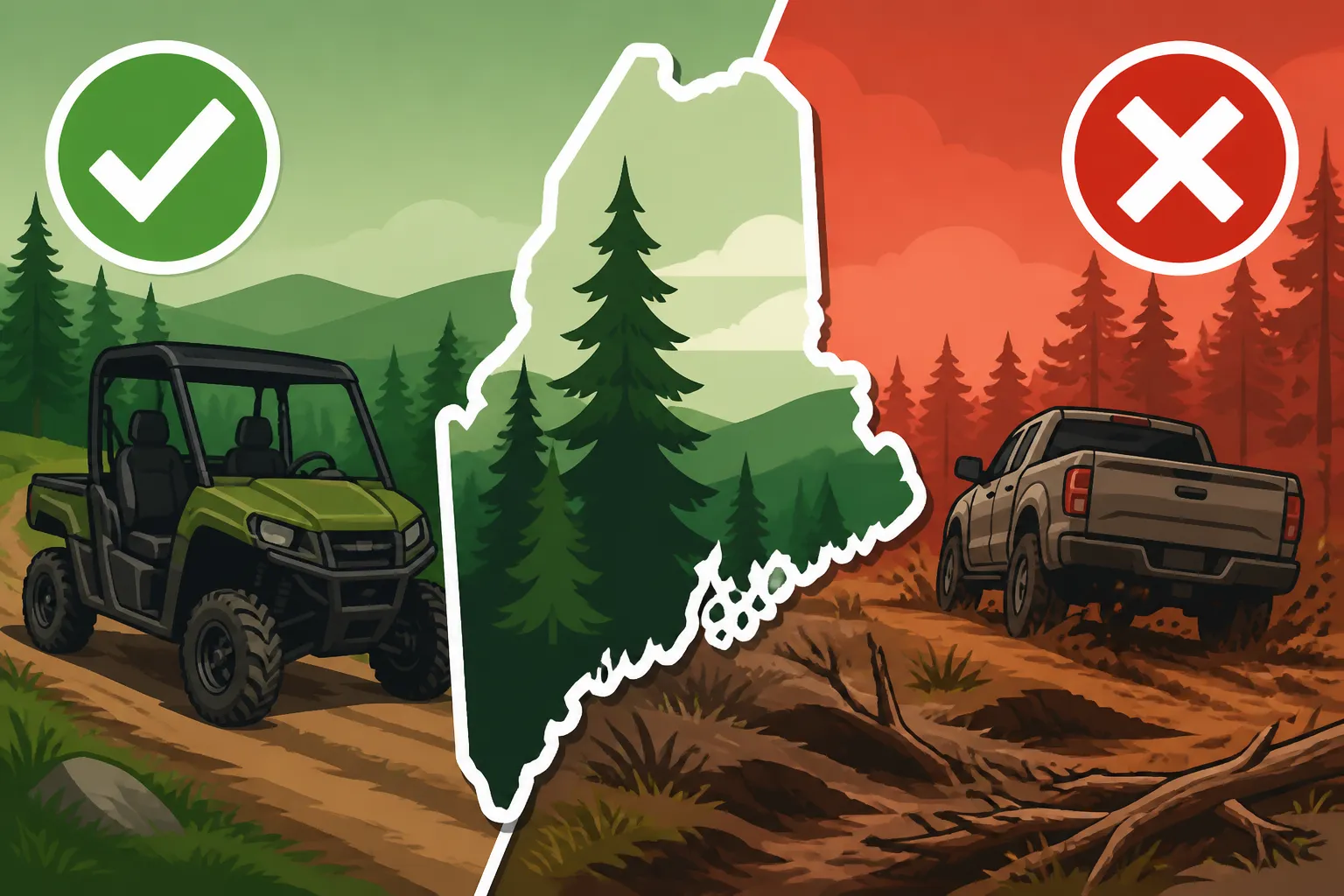
Maine has a long-standing tradition of "implied permission" for recreational access, meaning that unless land is clearly posted against entry, it's generally assumed you can walk across it. This is a fantastic privilege that hunters, hikers, and anglers cherish. However, and this is a big "however," this implied permission does not automatically extend to motorized vehicle use. You might be able to walk a trail, but driving an ATV or truck on it without explicit permission or clear signage can land you in trouble.
The distinction is crucial. Many tracts of land, especially those owned by large timber companies, might not be "posted" in the traditional sense, but they have specific rules regarding vehicle use that are often communicated through gates, signage at access points, or in online maps. Just because you see a logging road doesn't mean it's open for public vehicle travel. Always assume that if there isn't clear signage permitting vehicle use, you should err on the side of caution. Even if the gate is open, it might not be open for you without a specific permit or understanding of local rules. Maine's Private Land Access Tradition is a pillar of our hunting culture, but it comes with responsibilities.
Differentiating Public Land Types for Vehicle Rules
Maine's hunting grounds are a patchwork of different land ownerships and management styles, each with its own set of rules for vehicles. It's not a one-size-fits-all situation, and getting these distinctions straight is key to avoiding an unwelcome surprise.
First, you have state-owned public lands. These include Wildlife Management Areas (WMAs), managed by the Maine Department of Inland Fisheries and Wildlife (MDIFW), and Public Reserved Lands, overseen by the Bureau of Parks and Lands. These areas are specifically designated for public recreation, including hunting, and often have well-defined access points and rules. You'll usually find clear signage indicating what types of vehicles are allowed on specific roads or trails. For example, some roads might be open to licensed vehicles, while others are designated for ATVs or even non-motorized use only.
Then, there are the vast tracts of industrial timberlands. These are privately owned by timber companies but are traditionally open to the public for recreation, often through formal agreements or a general policy of allowing access. The most prominent example is the area managed by the North Maine Woods, a private organization that manages access for many landowners in northern Maine. While these lands are often perceived as "public" due to their accessibility, they are private, and vehicle rules here are often more stringent, involving gate systems, fees, and specific travel corridors. This is where a lot of hunters spend their time, and it's also where the rules can be most complex. Knowing The North Maine Woods Gate System is essential for any serious hunter looking to access these remote areas.
Finally, though less common for general hunting access, there are federal lands. These could include certain areas managed by the National Wildlife Refuge System or other federal agencies. Each of these will have its own specific vehicle regulations, which typically align with federal guidelines. Always check with the managing agency for the most accurate and up-to-date information for these smaller, more specific tracts.
Specific Vehicle Regulations on Different Public Land Categories
Now let's dive into the specifics, because the kind of land you're on dictates whether your vehicle is a helper or a hazard. This is where many hunters get tripped up, thinking "public land is public land," when in reality, it's anything but.
Wildlife Management Areas (WMAs) and Public Reserved Lands
When you're hunting on a Wildlife Management Area (WMA) or Public Reserved Land managed by the state, you'll generally find more clearly defined rules for vehicle use. These areas are specifically managed for wildlife and public recreation, so the access is usually intentional and well-marked.
- Cars and Trucks: Most WMAs and Public Reserved Lands will have designated parking areas at their perimeters or along main access roads. These roads are typically maintained for standard vehicle traffic, but you'll often find gates or signs indicating seasonal closures, especially during mud season or to protect wildlife during certain periods. Always obey these closures. Attempting to drive around a gate or through a clearly marked closed road can result in fines and damage to the land. You might even see specific signs about Treestand Rules on Maine Public Land or Ground Blind Rules on Maine WMAs, which often come alongside vehicle restrictions.
- ATVs and OHVs: All-terrain vehicles (ATVs) and off-highway vehicles (OHVs) are incredibly popular among Maine hunters for accessing deeper woods, but their use is strictly regulated on WMAs and Public Reserved Lands. Generally, ATVs are restricted to marked, designated ATV trails. These trails are usually part of the statewide ATV trail system and are maintained for such use. You cannot simply drive your ATV wherever you please, even if it looks like a passable track. Driving off-trail can cause significant environmental damage, disrupt wildlife, and lead to hefty fines. Always check trail maps specific to the WMA or Public Reserved Land you plan to visit, as not all have ATV access.
It's really about preserving the natural resource. The state wants hunters to enjoy these areas, but also wants to ensure they remain viable habitats for wildlife and accessible for future generations. That often means limiting where motorized vehicles can go.
The North Maine Woods and Industrial Timberlands
The vast industrial timberlands, particularly those within the North Maine Woods (NMW) system, represent some of the most extensive hunting grounds in Maine, especially for species like deer, bear, and moose. However, they operate under a distinct set of rules, as they are private lands managed for commercial forestry. Access is a privilege, not an inherent right, and it often comes with a cost and specific regulations.
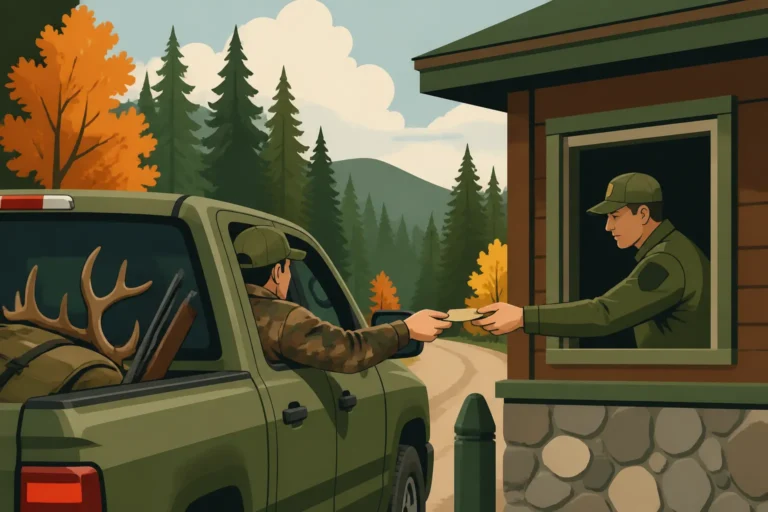
- Gate Systems and Fees: The NMW is known for its extensive gate system. To enter many of these tracts, you'll need to pass through a checkpoint and pay a fee. These fees contribute to road maintenance, gate supervision, and public safety. Different gates, like the Telos Gate Access From Millinocket or the Harveys Gate Access From Patten, control access to specific zones. At these checkpoints, you'll typically receive information on road conditions, active logging operations, and any special restrictions. It's not uncommon for certain roads to be closed temporarily due to active logging, making them dangerous for recreational vehicles. Always plan your route in advance and be prepared for potential detours or closures.
- Logging Roads and Active Operations: The roads you'll encounter in the NMW and other industrial timberlands are primarily built for logging. This means heavy equipment has the right-of-way. You might encounter massive logging trucks, graders, and other machinery at any time. Drive defensively, pull over for logging traffic, and be aware of your surroundings. Some logging roads might be perfectly passable in a two-wheel-drive truck, while others require four-wheel drive and high clearance. It's your responsibility to know the capabilities of your vehicle and the condition of the roads.
- Designated Roads vs. Discontinued Roads: Within these areas, some roads are maintained for public travel, while others are "discontinued" or grow over, becoming impassable or leading to areas where vehicles are not permitted. This is where a good mapping app becomes invaluable. You can see many of these old roads on satellite imagery, but without verification, you can't assume you can drive them. Always stick to clearly designated, maintained roads for vehicle travel unless explicitly told otherwise.
- ATV Use on Industrial Lands: Similar to state lands, ATV use on industrial timberlands is generally restricted to designated ATV trails. While there might be more miles of unpaved roads suitable for ATVs, the official rule is to stay on marked trails. Some timber companies might have specific ATV-friendly access points or routes, so always check with the individual landowner or the NMW before venturing off a main road.
Remember, these companies are managing vast working forests. Respecting their rules helps ensure that they continue to allow public access for hunting. If you're planning a trip deep into these areas, you might also be interested in Hunting a North Maine Woods Checkpoint Tract or Hunting a Fire Road Through Industrial Forest.
Essential Tools and Best Practices for Navigating Maine's Vehicle Rules
Understanding the rules is one thing, but actually implementing that knowledge in the vast and sometimes confusing Maine woods requires a bit of preparation and the right tools. Don't leave home without these.
Utilizing Mapping Technology and Official Resources
In today's hunting world, digital mapping has become an indispensable tool, especially when dealing with complex land ownership and vehicle access rules.
- Mapping Apps are Your Best Friends: Tools like onX Hunt and GoHunt are game-changers. They allow you to overlay property boundaries directly onto satellite imagery or topographic maps, clearly showing you who owns the land you're on or looking to access. More importantly, many of these apps now include layers that indicate public access roads, ATV trails, and even private land that allows public access. This is crucial for avoiding unintentional trespass and knowing where you can legally drive. For instance, you can use onX Layers for Maine Land Status to get a visual representation of ownership and potential vehicle access routes, or use it to see Finding Maine Property Lines. Before you head out, spend time scouting digitally to identify primary access roads, potential parking areas, and any gates or restrictions.
- Official State Resources: While third-party apps are excellent, they should always be complemented by official sources. The Maine Department of Inland Fisheries and Wildlife (MDIFW) website is a treasure trove of information. They provide maps of WMAs, Public Reserved Lands, and often publish updates on road closures or new regulations. Calling or visiting a regional MDIFW office can also yield invaluable local insights that a map simply can't convey. They can tell you about recent changes in logging activity, temporary gates, or areas currently experiencing high pressure.
- Limitations and On-the-Ground Scouting: No map, digital or paper, is perfect. Conditions on the ground can change rapidly. A road that was open last year might be gated this year, or a wash-out might make a previously accessible route impassable. Always factor in time for on-the-ground scouting, especially if you're venturing into a new area. This allows you to verify road conditions, check for new signage, and get a feel for the terrain that only physical presence can provide.
Avoiding Violations and Promoting Responsible Access
Ignoring vehicle rules on Maine's public and private lands isn't just about avoiding a ticket; it's about being a responsible hunter and ensuring continued access for everyone.
- Penalties for Illegal Vehicle Use: The consequences for unauthorized vehicle use can range from significant fines to having your vehicle impounded. More severely, repeated violations or egregious damage can lead to loss of hunting privileges. Beyond the legal ramifications, such actions damage the relationship between landowners and the hunting community, potentially leading to more posted land and restricted access for everyone.
- "Tread Lightly" Principles: Embrace the "Tread Lightly" philosophy. This means minimizing your impact on the land. Stick to existing roads and trails, avoid creating new ruts, and don't disturb vegetation unnecessarily. If a road is muddy and driving through it will create deep ruts, consider parking and walking, or turning around. The goal is to leave no trace that you were there, beyond perhaps some boot prints and a successful harvest.
- Scouting and Communication: Before the season opens, dedicate time to scouting. This isn't just for finding game sign; it's also for understanding the lay of the land, including all access points and vehicle rules. If you're ever unsure about a specific road or area, reach out. For private timberlands, a call to the managing company or the North Maine Woods office can clarify things. For state lands, contact MDIFW. A few minutes on the phone can save you a lot of grief (and money) later. This proactive approach is key to Getting Landowner Permission in Maine for private parcels too.
Here's a quick summary of key vehicle rules by common land types:
| Land Type | Primary Vehicle (Truck/Car) Rules | ATV/OHV Rules | Key Considerations |
|---|---|---|---|
| Wildlife Mgmt Areas (WMAs) | Restricted to designated, maintained roads. Park in marked areas. Watch for seasonal closures (mud season, wildlife protection). | Generally restricted to marked, designated ATV trails. No off-trail riding. Check specific WMA maps for trail availability. | Signage is usually clear. Expect closures. Preserve fragile habitats. |
| Public Reserved Lands | Similar to WMAs; use designated roads and parking. Seasonal gates and closures are common. | Restricted to marked, designated ATV trails. Check specific Public Reserved Land maps. | Aim for minimal impact. Respect all posted signs. |
| North Maine Woods / Industrial Timberlands | Access via staffed checkpoints/gates, often with fees. Stick to main logging roads. Yield to all commercial logging traffic. Roads can be rough. | Restricted to marked ATV trails. Some timber companies may have specific internal rules. Check at checkpoints for current regulations. | Private land, pay attention to rules. Always assume heavy equipment has right-of-way. Road conditions vary wildly. Mapping apps essential for property lines. |
| Private Land (Non-Industrial) | Requires explicit permission for vehicle use, even if implied permission exists for walking. Some roads may be gated/posted. | Requires explicit permission for ATV use. Do not assume access. | Always seek landowner permission in advance for vehicle access. Respect "Posted" signs. |
By taking the time to understand these rules, use the available tools, and practice responsible outdoor ethics, you'll not only enhance your own hunting experience but also contribute to the long-term health and accessibility of Maine's incredible hunting grounds. Safe travels, and happy hunting!
Disclaimer
This article is for general informational purposes only and does not constitute professional advice. Laws, prices and regulations vary by location and change over time. Consult a qualified professional for guidance on your specific situation.