Splitting Camp Costs on a Group Hunt
A group hunt in Maine is an incredible experience, but let's be honest, the thought of managing everyone's contributions to expenses can quickly turn that excitement into a headache. Between licenses, food, fuel, and gear, costs add up fast, and trying to sort it all out on the fly, especially after a long day in the woods, can strain friendships and sour the whole adventure. This guide is all about giving you the strategies and peace of mind to divide those costs fairly and efficiently, so you can focus on the incredible experience of Maine Deer Camp Traditions instead of who owes what for the last tank of gas.
Why Group Hunts Make Financial Sense and Scents!
Many hunters dream of solo adventures, a true test of self-reliance against the vast Maine wilderness. And while there's certainly a time and place for that, financially, group hunts often offer significant advantages that can make a big trip more accessible and less burdensome. It's not just about splitting a single bill; it's about leveraging shared resources in ways that amplify your hunting potential and make the trip more enjoyable for everyone involved.
The Overhead of a Solo Maine Hunt
Think about everything that goes into a hunting trip: the initial license fees, the fuel to get to that remote corner of Aroostook County, the groceries for a week, the cost of lodging (whether it's a cabin rental or even just wear-and-tear on your own camper), and specialized gear like a meat grinder or a large cooler for processing your harvest. If you're tackling these expenses alone, they can quickly escalate into a substantial sum. A solo hunter might find themselves cutting corners on essentials or facing a bill that makes them question the feasibility of such a trip year after year. It's tough to justify a large investment in a remote cabin or a big truck rental if you're the only one footing the bill, even if it’s for an experience like Moose Hunting Maine's North Woods.
When you're out there by yourself, every single cost, big or small, falls squarely on your shoulders. The gas for scouting, the propane for the cookstove, even the wear and tear on your vehicle driving down those miles of logging roads—it's all on you. And let's not forget the bigger, less frequent purchases, like a good quality game cart or a heavy-duty cooler that can handle a full-sized Maine deer. These items are often necessities for a successful hunt, but their cost can feel prohibitive when not amortized across multiple users. This individual burden can sometimes limit the scope of your hunt, pushing you towards less ideal locations or shorter durations just to keep the budget in check.
Shared Resources, Shared Savings
This is where the magic of a group hunt truly shines. Instead of each person buying their own propane tank, you share one large one. Rather than three separate vehicles burning fuel to get to the same general area, you carpool, sharing the gas costs. That expensive sporting camp rental? Suddenly, it's divided by four or five guys (or gals!), making it far more affordable per person. Even smaller things, like a communal first-aid kit or shared cooking supplies, add up to real savings. These combined efforts allow you to extend your stay or upgrade your accommodations.
Beyond just dividing a cost, sharing resources means you can often afford better resources. Perhaps collectively you can rent a more comfortable cabin, purchase higher-quality groceries, or even spring for that extra ATV rental to make game retrieval easier. It elevates the entire experience, transforming what might have been a bare-bones solo trip into a well-appointed group adventure. This communal approach extends even to knowledge and experience, a priceless resource that’s tough to quantify in dollars but absolutely contributes to a richer, more successful hunt. Whether it's splitting the cost of a guide for a Booking a Guided Maine Deer Hunt or simply learning from each other's successes and failures, there's an inherent value in numbers, making the entire journey richer and more productive.
Common Pitfalls of Splitting Costs and How to Avoid Them
While the idea of shared costs sounds great on paper, anyone who has ever tried to split a restaurant bill with a large group knows it can quickly devolve into an awkward mess. Hunting trips amplify these issues because the costs are much higher and the duration longer, often involving multiple transactions over days or weeks. Without a plan, you risk resentment and friction among your hunting companions, turning what should be a bonding experience into a source of stress.
The "Nickel and Dime" Dilemma
This is perhaps the most common source of frustration. Imagine trying to keep track of every coffee run, every gallon of gas for the truck, every bundle of firewood, and every snack pack bought at the local general store. Someone bought lunch, someone else picked up bait, a third person filled the water jugs. If you're trying to track these small, intermittent expenses individually, it becomes a nightmare of tiny debts and endless mental arithmetic. It's exhausting, tedious, and frankly, takes away from the fun of the hunt.
The "who owes who what" conversation can become constant, overshadowing planning discussions and even moments in the field. It leads to situations where one person feels they've contributed more small items and isn't being reimbursed, while another feels they're constantly being asked for minor payments. It builds a subtle, but corrosive, tension in the group dynamic. Forget trying to track every single item, especially if you're trying to enjoy the hunt for something like Upland Bird and Small Game Hunting in Maine. This constant tallying can prevent anyone from truly relaxing and immersing themselves in the hunt.
Unequal Contributions and Skill Sets
Not everyone brings the same financial capacity or the same "sweat equity" to a hunt, and this can be a real sticking point if not addressed early. One person might have the biggest truck and do all the driving, effectively subsidizing fuel costs for everyone else. Another might be a master chef, handling all the camp meals. A third might be a whiz with a chainsaw, ensuring a steady supply of firewood. Are these contributions equal to a monetary one? How do you factor in the value of someone who spent weeks scouting deer sign, versus someone who simply shows up ready to hunt?
It's easy for someone to feel taken advantage of if they're consistently putting in more time, effort, or expensive equipment without clear recognition or compensation. This can breed resentment and a sense of unfairness. Conversely, someone who perhaps doesn't have a lot of specialized gear or skills might feel pressured to overcompensate financially, leading to their own resentment and potentially stretching their budget uncomfortably thin. Acknowledging these differences and discussing them openly is crucial for a harmonious group.
The Gear Black Hole
This is a specific type of unequal contribution that often gets overlooked. Picture this: one hunter owns the heavy-duty game cart, another has a massive cooler for meat, a third brings the propane stove and lanterns. These are significant investments, and while they might be happy to share, the wear and tear, and the sheer capital expense of these items, often aren't factored into the "split." The person who brings the expensive gear is essentially contributing more than just their share of the consumables, and they bear the risk of damage or loss.
It can also lead to issues if gear gets damaged. Who pays for a broken lantern or a lost knife? If it's communal, it's a grey area. Without a clear understanding of responsibility for shared equipment, these incidents can escalate quickly and turn a minor mishap into a major argument, especially when you're already tired and possibly frustrated after a long day of hunting. Having a discussion about who brings what major items and if there's any implicit compensation or understanding of shared risk is important before you even hit the road. It helps avoid that uncomfortable moment when someone realizes they're constantly bringing the most valuable items without any acknowledgement or shared responsibility.
Strategies for Fair and Transparent Cost Sharing
To truly enjoy your Maine group hunt, you need a system that minimizes friction and maximizes fairness. It's not about being stingy; it's about being smart, organized, and respectful of everyone's contributions. The goal is to spend less time on spreadsheets and more time glassing clear-cuts or calling in a gobbler. A well-planned financial strategy ensures that the focus remains on the hunt itself, and the bonds of friendship are strengthened, not strained.
The Upfront "Camp Kitty" Fund
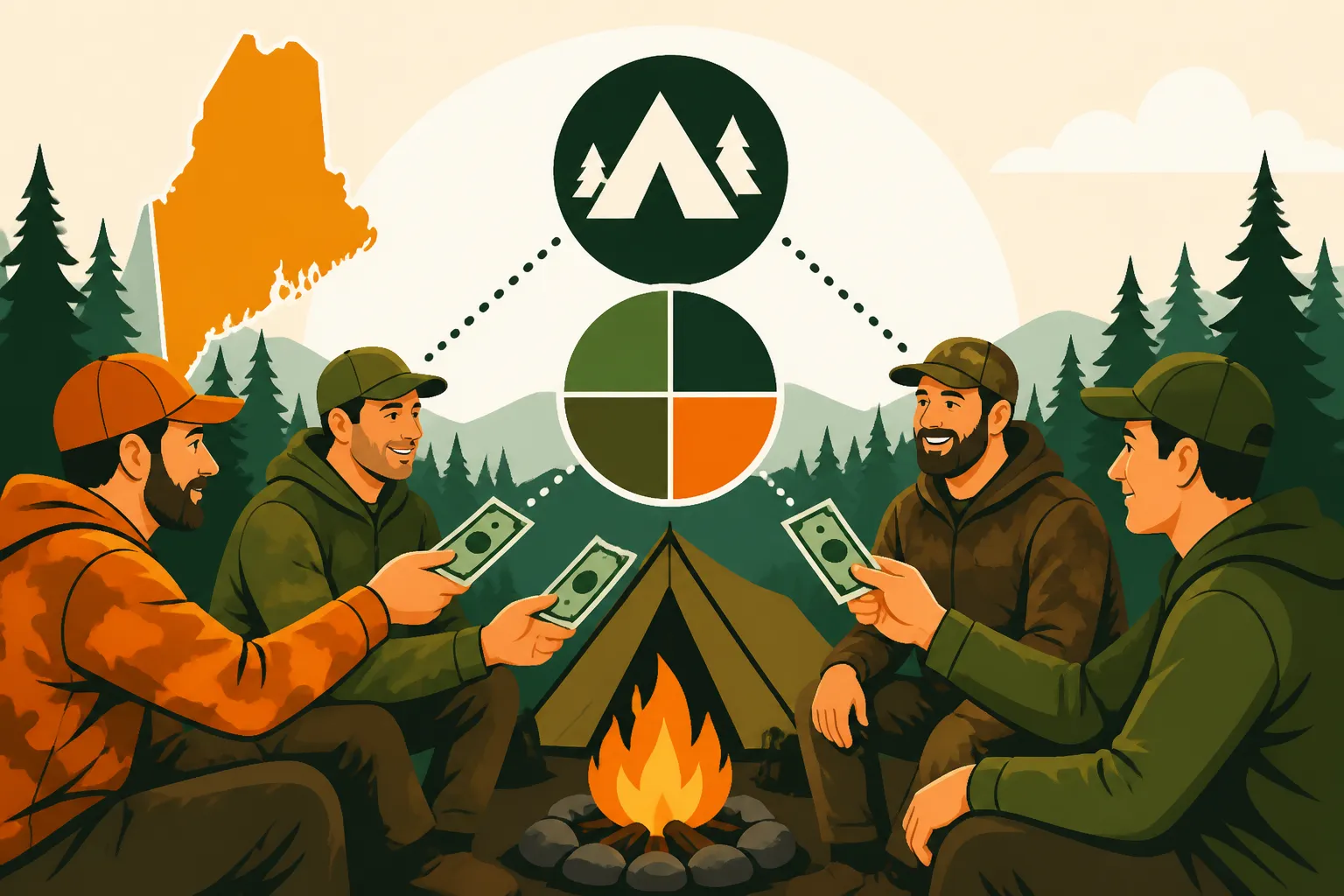
One of the most effective strategies is to establish a communal "camp kitty" fund well before the hunt begins. Each member contributes an agreed-upon, equal amount into a shared pool. This money then covers all communal expenses: groceries, shared fuel for the camp truck or ATV, firewood, propane, cabin rental fees (like for What a Sporting Camp Week Actually Costs), and any other agreed-upon group purchases. This upfront contribution eliminates the "nickel and dime" problem entirely, as one person is managing the communal funds.
How it works: Designate one person as the "treasurer" who manages the fund and keeps a simple ledger. This person pays for all communal items from the kitty. When the fund starts to run low, everyone contributes again, or at the end of the trip, any surplus is divided back, or a deficit is covered by equal shares. This system simplifies everything and allows hunters to focus on the experience, not on tracking small transactions. Apps like Splitwise or even a shared Google Sheet can make tracking and balancing effortless. This communal approach is especially helpful when dealing with larger costs, such as what's involved in Booking a Guided Maine Moose Hunt or securing a prime piece of private land access, allowing for collective investment in higher-quality experiences.
Tracking Expenses in Real-Time
Even with a camp kitty, individual expenses will inevitably arise. Perhaps one person needed a last-minute headlamp, or another grabbed a specific type of snack only they eat. For these, and to ensure transparency for the larger kitty, real-time tracking is invaluable. Apps designed for group expenses allow everyone to input what they've spent, categorize it (personal vs. communal), and then automatically calculate who owes whom at the end. This prevents memory lapses and ensures everyone is on the same page about financial contributions.
This approach offers several benefits:
- Transparency: Everyone can see where money is going, building trust among the group.
- Accuracy: Reduces errors from trying to recall expenses days later, avoiding disputes.
- Fairness: Ensures that personal purchases aren't accidentally lumped into communal costs.
- Efficiency: Automates the final settlement, saving valuable time and potential arguments at the end of a tiring trip.
While the camp kitty handles the bulk, an expense-tracking app for incidentals keeps things clean. For example, if you're exploring Hunting the North Maine Woods Gate System, you might have individual gate fees or unique purchases at the small stores in those remote areas. GoHunt and BookYourHunt don't directly facilitate expense splitting, but their platforms can help you plan your trip, which in turn helps you anticipate costs to feed into your tracking system. For instance, knowing the likely cost of a Maine Hunting Licenses and What They Cost from your planning on these sites can be a key entry in your shared spreadsheet.
| Expense Category | Shared Cost (Camp Kitty) | Individual Cost | Example Items |
|---|---|---|---|
| Lodging | X | Cabin rental, campsite fees, sporting camp package | |
| Communal Food/Drink | X | Dinner ingredients, coffee, shared snacks, shared beverages | |
| Shared Fuel | X | Truck gas for scouting, ATV fuel for game retrieval, snowmobile fuel | |
| Camp Supplies | X | Propane, firewood, paper towels, cleaning supplies, first-aid kit replenish | |
| Licenses/Permits | X (Each hunter's own) | State hunting license, federal duck stamp, antlerless permit, bear permit | |
| Personal Gear | X | Boots, jacket, specific ammunition, personal snacks, specialized calls | |
| Guide Fees (if any) | X (if group hires) | X (if solo hires for own benefit) | Booking a Guided Maine Deer Hunt fee, specific expertise guide |
| Meat Processing | X (if group shares) | X (if individual) | Professional butcher services after Field Dressing a Deer in Cold Weather, taxidermy |
| Travel Costs (Carpool) | X | Mileage reimbursement for shared vehicle, tolls |
Establishing Clear Expectations Before the Hunt
The most crucial step in avoiding cost-sharing headaches is open, honest communication well before you ever leave home. Schedule a pre-hunt meeting (in person or virtual) where everyone discusses and agrees upon:
- Budget: What's a realistic total cost everyone is comfortable with? Discuss Gas and Gear Costs for a Self-Guided Trip and factor in all potential expenses.
- Camp Kitty: How much will each person contribute upfront? Set a clear date for contributions.
- Designated Roles: Who will be the treasurer? Who will manage groceries? Who brings what major gear (and how will that be acknowledged, perhaps with a small reduction in their kitty contribution)?
- Meal Planning: Will meals be shared, or will everyone be responsible for their own? If shared, who plans and shops?
- Personal vs. Shared: What expenses fall into the communal bucket, and which are strictly individual? For example, is a bottle of whiskey for group enjoyment a shared expense, or is it personal? Clarity here prevents many arguments.
By laying all this out in advance, you address potential issues before they become real problems in the field. It sets a foundation of trust and understanding, ensuring that everyone feels heard and that the financial aspects of the hunt are transparent. This also ties into important conversations about shared responsibilities like safety, ensuring everyone understands the implications of Maine Hunter Education Requirements and adheres to them for the benefit of the group. Having these discussions upfront reinforces the idea that a successful group hunt is a collective effort, financially and otherwise, and helps maintain the integrity of Maine's Private Land Access Tradition by showing respect and responsibility.
Beyond the Dollars: The Value of a Maine Group Hunt
While getting the finances right is incredibly important, it's crucial to remember that a group hunt offers so much more than just cost savings. The shared experience, the camaraderie, and the collective wisdom are truly invaluable, especially in a place as wild and rugged as Maine. These non-monetary benefits often outweigh the financial considerations and create truly unforgettable memories.
Building Bonds and Memories
Hunting in Maine, especially in the vastness of the North Woods or the remote Downeast coast, presents unique challenges and triumphs. Sharing these experiences with a group forge bonds that last a lifetime. From the pre-dawn whispers in the blind to the hearty laughter around the campfire, every moment is amplified when shared. You're not just hunting; you're creating a shared history, a collection of stories that will be retold for years to come, growing richer with each retelling.
These are the moments you truly cherish—the success of dragging out a big buck together, the shared misery of a freezing rain shower, the communal effort of setting up camp, or the simple act of cooking a delicious meal after a long day afield. These memories become more vivid, more meaningful, because you shared them. The small struggles become funny anecdotes, and the successes are celebrated with genuine collective joy. It’s part of what makes Maine Deer Camp Traditions so special, a generational passing down of stories and shared experiences that form the backbone of friendships and family ties. This collective experience distinguishes a group hunt from a solitary pursuit, enriching the journey far beyond the harvest.
Safety in Numbers in the Maine Woods
Beyond the social and financial benefits, there's a practical, often life-saving aspect to hunting in a group: safety. Maine's wilderness, while breathtaking, can be unforgiving. Getting lost, suffering an injury, or facing unexpected weather conditions can be far more dangerous when you're alone. With a group, you have multiple eyes, multiple first-aid kits, and multiple people to assist in an emergency, significantly improving the chances of a positive outcome. This is a primary distinction between Self-Guided Versus Outfitted Maine Hunts, where an outfitter often provides this safety net.
Whether it's navigating unfamiliar terrain with a map and compass, knowing that someone has your back if you slip on ice, or simply having extra hands to help Getting a Moose Out of the North Woods, the collective strength and preparedness of a group drastically increases safety margins. Having a plan, knowing each other's general whereabouts, and having multiple people with communication devices are all huge advantages. This peace of mind allows everyone to hunt more confidently and enjoy the adventure without undue worry. It's truly an investment in safety that goes far beyond any monetary contribution, providing a crucial layer of protection in Maine's wild and expansive landscapes.
Disclaimer
This article is for general informational purposes only and does not constitute professional advice. Laws, prices and regulations vary by location and change over time. Consult a qualified professional for guidance on your specific situation.