Trapping Black Bears in Maine
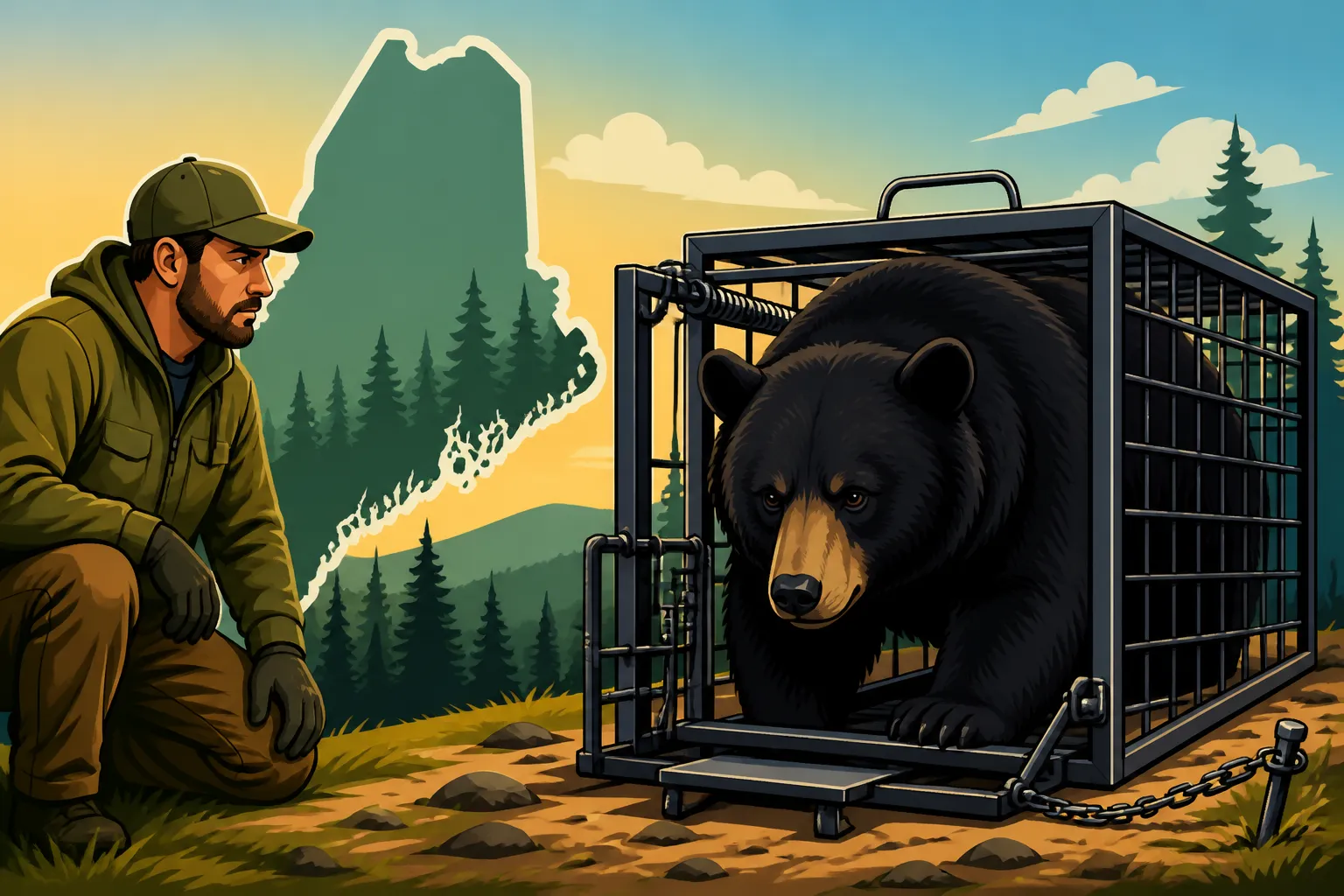
The idea of trapping a black bear in Maine might seem daunting, or even a bit old-school, but for many, it's a deeply rooted and incredibly effective method for harvesting one of the state's most iconic big game animals. It demands a unique blend of patience, deep woods knowledge, and a real understanding of bear behavior, and let's be honest, it comes with its own set of frustrations and challenges. This comprehensive guide is here to walk you through the ins and outs of legally and ethically trapping black bears in Maine, helping you navigate the regulations, strategies, and practicalities to increase your chances of success.
Understanding Maine's Bear Trapping Regulations and Ethics
Jumping into bear trapping without a solid grasp of Maine's laws is like heading into the deep woods without a compass – you're bound to get lost, and potentially into trouble. The Maine Department of Inland Fisheries and Wildlife (MDIFW) has specific and strict regulations governing bear trapping, and for good reason. These rules are designed to ensure ethical take, promote animal welfare, and maintain public safety. It’s not just about what you can do, but what you must do to be a responsible participant in Maine's trapping tradition.
Essential Licenses and Permits
Before you even think about scouting a location or buying supplies, you need to make sure your paperwork is in order. This isn't just a formality; it's the foundation of legal trapping. First and foremost, you'll need a valid Maine hunting license. Beyond that, trapping bears requires a specialized permit. You can't just pick up a general trapping license and expect to be good to go for bears.
This specific permit, often referred to as a "bear trapping permit" or a "license to trap bear," is separate from the general trapping license that covers smaller furbearers. Make sure you understand the nuances of Maine Bear Trapping License Rules. The application process will involve specific requirements, which might include proof of age, residency status (though non-residents can also trap bear, the costs and rules may vary), and potentially a trapping education course if you're new to the game. It's an investment, both in time and money, but one that is absolutely crucial. Remember, the cost for these licenses can vary, so it’s always wise to check the current rates; you can find details on the Maine Bear License Cost.
Legal Trap Types and Setback Distances
Maine's regulations are very clear on what types of traps are legal for bears. Generally, for recreational trapping, we're talking about cable restraints, often referred to as snares. These are specific devices designed to humanely capture a bear by the leg or neck. However, there are strict specifications on cable diameter, length, lock type, and breakaway features. You can't just use any old cable you find in your garage; these devices are engineered for a specific purpose and must meet MDIFW standards.
Beyond the type of trap, where you place it is equally critical. Maine law dictates specific setback distances from roads, trails, dwellings, and water bodies. You can’t just set a trap anywhere you please. For instance, traps typically need to be set a minimum distance from any public way, which includes maintained roads and well-used trails. Additionally, there are often rules about how close you can set a trap to a permanent dwelling without written landowner permission. These rules are in place not only for public safety, preventing accidental encounters with traps, but also to minimize interference with other outdoor users. Always consult the most current MDIFW hunting and trapping law book for the exact measurements and definitions, as these can change.
Trapping Season Dates and WMD Specifics
Just like deer or moose hunting, bear trapping in Maine operates within specific seasons. These seasons are set by the MDIFW to manage bear populations effectively and provide ample opportunity for trappers. Historically, bear trapping seasons in Maine run concurrently with or overlap significantly with the bear baiting and hound hunting seasons. It’s important to note that the bear trapping season typically commences in late August or early September and concludes in late October or early November, but these dates can vary by Wildlife Management District (WMD) or year.
You must pay close attention to the specific Maine Bear Trapping Season Dates for the WMD you plan to operate in. Maine has many WMDs, and while bear seasons are often statewide for trapping, there can be localized nuances. Using a tool like GoHunt or checking the official MDIFW website for an up-to-date map and season dates is paramount. Sometimes, the season for trapping might extend longer in certain areas, or conversely, be shorter due to management goals. This is often the case when trying to fill a Two-Bear Bag Limit Explained if you are fortunate enough to draw multiple tags or tags that allow multiple bears. It’s your responsibility to know these boundaries and dates down to the day.
The Art and Science of Bear Trapping Location
Finding the perfect spot to set your bear trap is arguably the most crucial step in the entire process. Bears are creatures of habit, driven by food, water, and security. Understanding their movements and preferred habitats is where the art meets the science, and it’s what separates a consistently successful trapper from someone just putting out a trap hoping for the best. This isn't about luck; it's about meticulous scouting and reading the landscape.
Scouting for Bear Sign
Before you even consider deploying a trap, you need to scout, and scout thoroughly. This means more than just a quick walk through the woods; it requires dedicating significant time to understanding the area you intend to trap. Look for definitive bear sign: tracks in mud, scat on trails, overturned rocks or logs where they've foraged for grubs, claw marks on beech trees or apple trees where they've climbed for nuts or fruit, and disturbed vegetation. A fresh bear rub on a tree can be an absolute goldmine.
Focus your scouting efforts on areas where bears naturally travel and feed. This could be along old logging roads, game trails, natural funnels between dense cover and feeding areas, or the edges of swamps and clear-cuts. You’re looking for patterns, routes they use repeatedly. Pay attention to seasonal food sources. In late summer and early fall, bears are often keying in on berries like blueberries and raspberries, or acorns and beech nuts later in the season. Overturned rocks and logs also indicate active feeding, as bears will tear them apart looking for insects and grubs. The more consistent and fresh the sign, the higher your chances of success. A mapping tool, like GoHunt, can be incredibly useful for marking down every bit of sign you find, helping you visualize bear movement corridors and potential trap sites.
Proximity to Water and Food Sources
Bears, like all animals, need water daily, especially in the warmer trapping months. Rivers, streams, ponds, and even small seeps can be natural attractants. Setting a trap within a reasonable distance of a reliable water source can increase your odds, as bears will inevitably pass through. However, remember those setback distances from water bodies mentioned earlier; you still have to adhere to those strictly.
Food sources are an even bigger draw for bears, especially as they enter hyperphagia – that intense period of feeding before denning. If you’re also utilizing bait (which is common practice in bear trapping), strategically placing your trap near a natural food source can make your bait even more effective. For example, if there’s a productive apple orchard nearby, or a significant stand of beech trees dropping nuts, bears are already in the vicinity and conditioned to feed there. Your bait then simply becomes another attractive food item among many. Understanding the timing of these natural food sources is critical; a bumper crop of acorns can make bears less interested in your bait, for instance, whereas a poor acorn year might mean they're more susceptible to your offerings. This is part of the challenge, and the reward, of Baiting Black Bears Legally in Maine.
Navigating Private and Public Land Access
One of the unique aspects of hunting and trapping in Maine is its long-standing tradition of private land access. Most of Maine's forest land, especially in the vast North Woods, is privately owned by timber companies, yet it’s generally open to public recreation unless specifically posted. However, "open" doesn't always mean "anything goes." Understanding Maine's Private Land Access Tradition is crucial. For trapping, you absolutely must respect landowner rights. If land is posted with "No Trespassing" or "No Hunting or Trapping" signs, you cannot set a trap there, period. You can learn more about What Posted Land Means in Maine to ensure you're always on the right side of the law.
Even on unposted private land, it's always best practice to seek permission, especially for something as fixed and potentially impactful as a bear trap. A simple conversation with the landowner can save you a world of headache and foster positive relationships between trappers and landowners. For specific Wildlife Management Areas (WMAs) or Public Reserved Lands managed by the state, refer to MDIFW regulations. These lands often have specific rules regarding trap placement, access, and even baiting, which can sometimes differ from general private land rules. Always double-check maps and land ownership using tools like the Maine Hunting App or specialized mapping software to ensure you are legally able to set your trap.
Setting Up Your Maine Bear Trap Effectively
Once you've done your due diligence on regulations and picked a prime scouting location, it's time for the actual trap setup. This stage requires precision, patience, and a keen eye for detail. A poorly set trap is not only ineffective but can also be unethical, leading to prolonged stress for the animal. We're aiming for a quick, clean, and humane capture.
Choosing and Preparing Your Trap Site
The precise spot you pick for your trap needs to be meticulously prepared. When using cable restraints, you'll be anchoring your snare to a sturdy, immovable object – usually a large tree. The tree should be solid, healthy, and large enough that a powerful bear can't simply pull it out of the ground or break it. This is not the place to skimp; a bear's strength is formidable.
You'll want to clear away any small brush, branches, or obstacles immediately around your trap site. This not only makes the setup easier but also ensures the trap mechanism isn't fouled and that the bear has a clear path into the snare. Think about the approach the bear will take; you want them to confidently step into the trigger area without hesitation. Consider the backdrop as well. A trap set against a natural barrier, like a thick stand of evergreens or a rock outcrop, can help funnel the bear's movement directly into your setup. You can also utilize natural elements to blend your trap into the surroundings, making it less obvious to a wary bear.
Baiting Strategies and Scent Control
Baiting is an integral part of bear trapping in Maine, just as it is with other bear hunting methods. The goal is to draw the bear to your trap site and keep them interested enough to work the bait. High-calorie, strong-smelling foods are typically the best. Doughnuts, pastries, meat scraps (ensure they are legal – no domestic animal carcasses or parts allowed in Maine), and commercial bear attractants are common choices. The key is consistency and abundance. Start baiting several days, or even weeks, before you intend to set your trap, if regulations allow. This establishes a "pattern of reward" for the bears, making them accustomed to visiting your site.
When it comes to scent control, treat your bear trap site like you would a deer stand. Bears have an incredible sense of smell, far superior to deer. Any foreign human scent can make a wary bear turn tail. Wear clean gloves when handling bait and traps, and consider using scent-neutralizing sprays on your boots and clothing. Minimize your time at the site during setup and checking. A truly effective setup considers the entire approach and departure, not just the trap itself. This diligent approach significantly boosts your odds, making every trip to the woods productive. Remember that the rules around baiting can be complex, and often overlap with When Maine's Bear Bait Season Closes, so ensure you are compliant with all regulations.
Deploying Cable Restraints and Trip Mechanisms
Deploying a cable restraint properly is a precise operation that requires practice. The cable restraint itself typically consists of a loop of aircraft cable with a locking mechanism. This loop is strategically placed in a bear's travel path, often slightly elevated off the ground (around 18-20 inches, but consult regulations for specific heights). The loop needs to be large enough to allow the bear's head or foot to pass through comfortably, but not so large that it can step over it easily.
The trip mechanism is what makes the snare effective. Often, this involves securing the cable to an anchor point and using a "stop" or "breakaway" device that allows the snare to tighten only to a certain point, preventing injury, and allowing the bear to pull against the anchor without breaking free. The sensitivity of the trip can be adjusted; you want it sensitive enough to be triggered by a bear, but not so sensitive that wind or small animals set it off. The snare needs to be camouflaged enough to blend into the environment but still allow for the bear to walk into it naturally. Practicing your setup in your backyard with a dummy or a simulated bear trail is highly recommended before you hit the real woods.
Managing Your Bear Trap Site Responsibly
Setting the trap is just the beginning. Effective and ethical bear trapping requires ongoing vigilance and responsible management of your trap site. This isn't a "set it and forget it" kind of activity; it's a commitment that demands your time and attention throughout the season.
Regular Trap Checks and Maintenance
Maine law, like most trapping regulations, mandates how frequently you must check your traps. For bear traps, this typically means checking them at least once every 24 hours, sometimes more frequently depending on specific WMD rules or weather conditions. This daily check is critical for several reasons: it ensures the humane treatment of any captured animal, allows you to re-bait if necessary, and helps prevent equipment failure.
When you check your trap, look for signs of activity, whether it’s a captured bear, evidence of a bear working the bait but not getting caught, or non-target animals. If a non-target animal is caught, you must release it safely and quickly. This is where having the proper tools and knowledge for humane release is paramount. Also, inspect your trap and bait station for any damage from weather or animals. Squirrels, raccoons, and even deer can tamper with bait and snares. Re-bait, clean up the area, and ensure your trap is reset perfectly for the next visitor. Consistency in your trap checks not only increases your success rate but, more importantly, fulfills your ethical obligations as a trapper.
Dealing with Non-Target Animals and Public Safety
One of the less glamorous, but incredibly important, aspects of trapping is dealing with non-target animals. It's inevitable that raccoons, coyotes, bobcats, or even deer might be attracted to your bait and accidentally caught in your snare. Maine's trapping laws dictate that you must release any non-target species unharmed. This requires skill, caution, and the right equipment, such as a catch pole or a release stick, to ensure both your safety and the animal's. Always approach a non-target animal calmly and deliberately, and be prepared for them to be stressed or aggressive.
Public safety is another paramount concern. Despite setback rules, there's always a chance someone – a hiker, a berry picker, or an unleashed dog – might stumble upon your trap. Clear signage, indicating the presence of a trap, is often required by law and is always a good practice. These signs warn others to proceed with caution or avoid the area. Consider placing your traps in more remote locations, away from popular hiking trails or public access points, if possible. Even though Maine has a generous public land access tradition, being mindful of other outdoor users is a critical part of responsible trapping, enhancing the overall perception of the sport.
Ethical Considerations and Trapper Responsibility
Trapping bears carries significant ethical responsibilities. The primary ethical consideration is ensuring a humane capture and, if successful, a swift and ethical dispatch. Traps are not meant to cause prolonged suffering. Modern cable restraints are designed to hold the animal securely without causing undue injury, but checking them frequently is the trapper's part in this equation.
Beyond the moment of capture, trappers are ambassadors for the sport. This means leaving your trap site clean and free of litter, respecting private property, and adhering to all regulations. If you choose to harvest a bear, ensure every part of the animal is used or disposed of respectfully and legally. Bear trapping is a skill passed down through generations, and each trapper has a role in maintaining its integrity and public acceptance. By demonstrating responsible and ethical practices, you contribute to the longevity of this challenging and rewarding pursuit.
Harvesting and Reporting Your Trapped Bear
Successfully trapping a black bear in Maine is a tremendous accomplishment, but the work isn't over once the animal is caught. There are specific protocols for harvesting, field dressing, and, critically, reporting your bear to the state. These steps are just as important as the trapping itself, ensuring that wildlife management agencies have accurate data and that your harvest is legal.
Ethical Dispatch and Field Dressing
Upon finding a trapped bear, the first and most important step is an ethical and humane dispatch. This requires a quick, clean kill shot. A firearm, typically a handgun or rifle, is used for this purpose. Always approach the trapped bear cautiously, ensuring a safe and clear shot. Public safety dictates that you should not attempt to dispatch a trapped bear with archery equipment. The goal is to end the animal's life as quickly and painlessly as possible. If you're unsure about this step, or new to trapping, consider going with an experienced trapper or Hiring a Registered Maine Guide for your first few harvests.
Once the bear is dispatched, field dressing should commence as soon as possible, especially in warmer weather, to preserve the meat and hide. This involves removing the entrails to allow the carcass to cool down. Bear fat can be quite thick, and cooling the meat quickly is essential. You'll also need to be prepared for the physical challenge of moving a bear; even a medium-sized bear can weigh several hundred pounds. Consider bringing a sturdy tarp or sled to help drag the animal out of the woods.
Transportation and Mandatory Check-In
Transporting a harvested bear in Maine comes with its own set of rules. You'll need to tag your bear immediately after the kill with your valid bear tag, ensuring all required information is filled out clearly and accurately. The tag must remain attached to the bear until it is registered. The bear must be transported in a manner that allows easy identification of its species and sex, so typically it should not be completely covered or concealed.
Maine requires all harvested bears to be registered within a specific timeframe – usually within 18 hours of the kill or before the bear is transported out of the state. This is a crucial step in wildlife management. You can register your bear at an official MDIFW game registration station or, increasingly, through the state's online registration system. This is a similar process to Maine Deer Registration Requirements or even Registering a Maine Deer Online. At the registration station, wildlife biologists or agents will often collect biological samples, such as a tooth for aging and sometimes a tissue sample. This data is vital for assessing the health and population dynamics of Maine’s bear herd. Be prepared for Handling a Bear Harvest Check-In, as it's an important part of the process.
Contributing to Wildlife Management Through Data
Every bear registered in Maine contributes directly to the state’s robust wildlife management efforts. The data collected – including sex, weight, location of harvest, and age from tooth samples – helps MDIFW biologists understand population trends, health, and how management strategies are impacting the bear population. Without this information, it would be much harder to set appropriate season lengths, bag limits, and allocate resources effectively.
Your participation in this data collection is an essential part of being a responsible trapper. It’s not just about taking an animal; it’s about contributing to the bigger picture of conservation and ensuring healthy bear populations for future generations of trappers and hunters. This commitment to sound science and management is why Maine continues to have such a healthy and thriving black bear population, often touted as one of the best in the nation.
Comparison of Bear Hunting Methods in Maine
While trapping is a highly effective method for harvesting black bears in Maine, it's not the only way. Maine offers three distinct legal methods for bear hunting: baiting, hunting with hounds, and trapping. Each method demands a different skillset, level of commitment, and strategy. Understanding the differences can help you appreciate the unique challenges and rewards that trapping presents compared to the other methods available in the state.
| Feature | Bear Trapping (Cable Restraint) | Bear Hunting with Bait | Bear Hunting with Hounds |
|---|---|---|---|
| Primary Goal | Capture bear in cable restraint | Lure bear to bait site for still-hunting | Locate and tree/bay bear using trained dogs |
| Equipment Needed | Cable restraints, bait, anchoring tools, scent control, dispatch firearm | Bait, stands/blinds, scent control, hunting firearm/archery | Trained bear hounds, GPS collars, tracking equipment, dispatch firearm |
| Patience Required | High (daily trap checks, waiting for capture) | High (long sits, waiting for bear to visit bait) | Moderate (active tracking, but can be fast-paced once dogs are on trail) |
| Physical Demand | Moderate (scouting, hauling bait, checking traps, bear extraction) | Moderate (hauling bait, stand setup, walking to/from site) | High (covering vast distances, often rugged terrain, following dogs) |
| Skill Set | Trap setting, baiting, scent control, animal handling, tracking | Baiting, stand placement, still-hunting, observation, wind reading | Dog handling, tracking dog work, woods navigation, physical endurance |
| Legal Season | Specific trapping season (e.g., late Aug-Oct) | Specific baiting season (e.g., late Aug-Sept) | Specific hound season (e.g., Sept-Oct) |
| Non-Target Encounters | More likely, requiring safe release | Possible, but less direct interaction with bait | Unlikely to directly encounter non-target species in trap/stand |
Trapping Versus Baiting
Many people confuse bear trapping with bear baiting, or often view them as highly related, which they are. However, they are distinct methods. When you're Baiting Black Bears Legally in Maine, the primary objective is to lure a bear to a specific location where you, as the hunter, can then wait in ambush to take the shot with a firearm or archery equipment. Your role is active hunting from a stand or blind. The bait is the attractant, but the kill is still a direct hunting act.
Trapping, on the other hand, involves setting a device (the cable restraint) designed to physically capture the bear. While bait is often used to draw the bear into the vicinity of the trap, the actual capture is passive once the trap is set. The trapper must then return to the trap to find the captured animal and perform the dispatch. Trapping requires different skills – not just hunting prowess, but an intimate knowledge of trap mechanics, humane capture techniques, and often, more frequent engagement with the actual trap site for daily checks. Both methods are effective, but they represent different approaches to harvesting a bear, each with its own rhythm and demands.
Trapping Versus Hunting with Hounds
Hunting bears with hounds is perhaps the most action-packed of Maine's legal bear hunting methods. In Hunting Bear With Hounds in Maine, the thrill comes from the chase. Hunters release trained dogs on a fresh bear track, and the hounds follow the scent, eventually baying the bear on the ground or treeing it. The hunter then tracks the dogs, approaches the treed bear, and takes a shot. This method is incredibly demanding physically, often involving long, fast-paced hikes through dense Maine woods, following the sound of the hounds. It requires extensive knowledge of canine behavior, GPS tracking, and deep woods navigation.
Trapping is a much more solitary and methodical pursuit. There's no frantic chase, no barking dogs. Instead, it's about observation, careful placement, and patience. You're leveraging the bear's natural travel patterns and feeding habits to guide it into your snare. While hound hunting involves active pursuit and engagement, trapping is about setting a silent, almost invisible, net. The physical demands are different too; less about speed and endurance, and more about consistent, careful work, often involving hauling heavy bait and checking remote sites day after day.
All three methods contribute to Maine's healthy bear management program and provide diverse opportunities for hunters and trappers. For those interested in delving deeper into all legal approaches, the comprehensive guide on Bear Hunting Maine's Three Legal Methods offers a complete overview.
Disclaimer
The information provided in this guide is for informational purposes only and is not a substitute for official regulations. Hunting and trapping laws and regulations in Maine can change frequently. It is the responsibility of every individual hunter and trapper to consult the most current Maine Department of Inland Fisheries and Wildlife (MDIFW) rules and regulations before engaging in any hunting or trapping activities. Always prioritize safety, ethics, and legal compliance.