Hiring a Scout Versus Booking a Full Guide
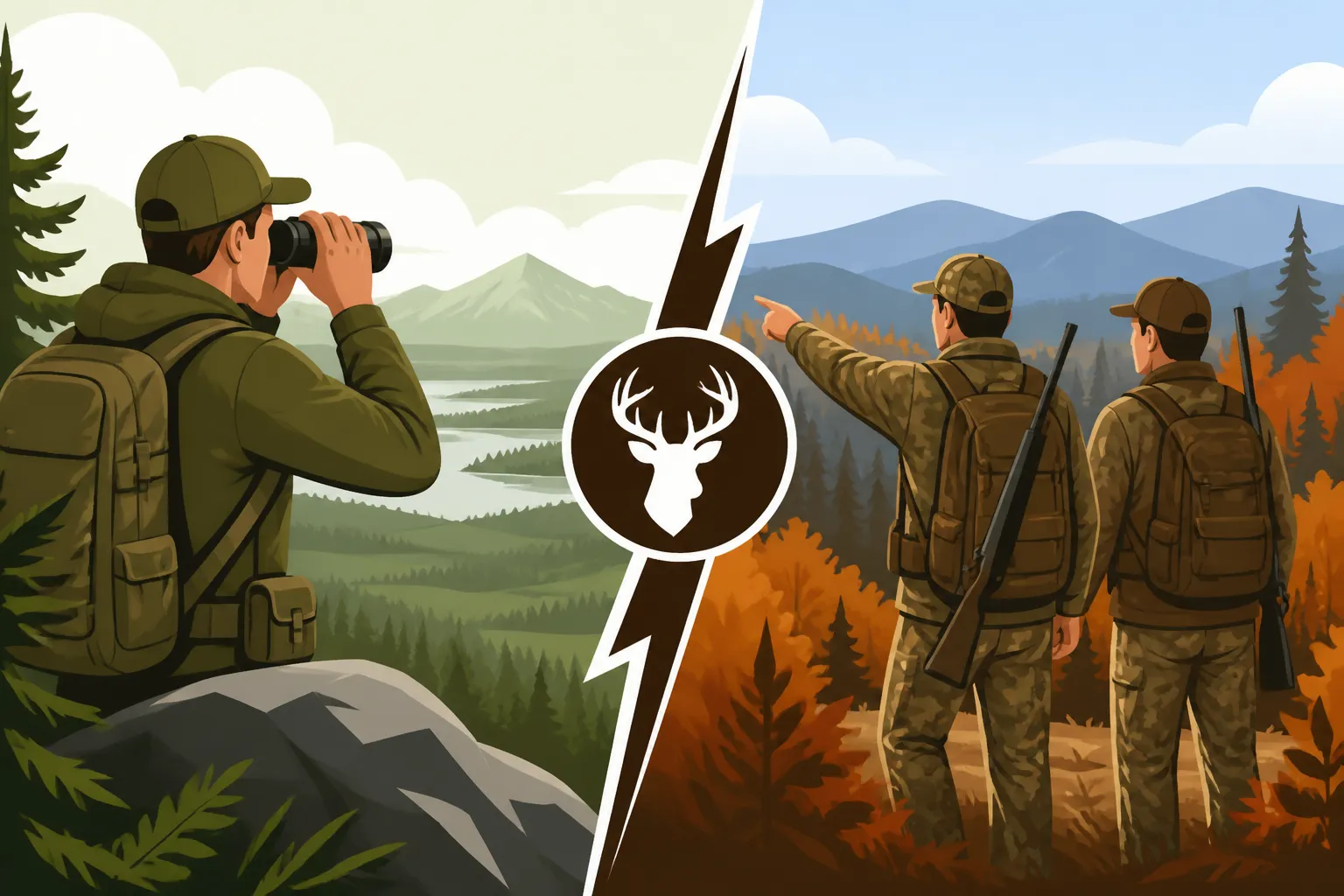
For many hunters dreaming of a big Maine buck, a massive black bear, or that once-in-a-lifetime moose, the path to a successful hunt often leads to a critical decision: do you invest in a full guide service that handles everything, or do you opt for a more independent approach by hiring just a scout? It’s a common dilemma, fraught with considerations about cost, experience, and how much control you want over your hunt. This guide will meticulously break down the differences, benefits, and drawbacks of hiring a scout versus booking a full guide in Maine, helping you decide which option aligns best with your hunting style and goals.
Understanding the Role of a Hunting Scout in Maine
Picture this: you've got a week off, a tag in your pocket, and a burning desire to chase a whitetail through the Maine woods, but you live three states away. You can't spend weeks before the season traipsing through unfamiliar territory, hanging cameras, and scouting sign. That's where a hunting scout can become your secret weapon, offering a vital bridge between your ambition and the realities of limited time or local knowledge.
What a Scout Actually Does for You
A hunting scout isn't there to hold your hand during the hunt or cook your meals at camp. Their primary mission is to leverage their local expertise to locate game and identify prime hunting spots before you ever set foot in the woods. Think of them as your personal, highly knowledgeable reconnaissance team. They spend countless hours in the woods, doing the legwork you simply can't.
This might involve extensive pre-season scouting, where they’re walking miles, looking for rub lines, scrape lines, and well-used game trails that indicate consistent deer movement. They’ll identify bedding areas, often in thick cedar swamps or dense blowdowns, and pinpoint critical food sources, whether it's an apple orchard, a mast crop in a mature oak stand, or a particular clear-cut offering succulent browse. A good scout will also strategically place trail cameras, often weeks or even months in advance, to gather intelligence on local game populations, track animal movement patterns, and even identify specific target animals. They’ll analyze prevailing winds and thermals in specific areas, suggesting stand locations or stalking routes that offer the best advantage. Essentially, they do the grunt work, gathering all the raw data you need to execute a smart hunt, leaving you to focus on the actual hunting. They might even provide detailed maps, GPS coordinates, and a rundown of current animal activity, giving you a significant head start.
The Cost-Benefit of Hiring a Scout
From a financial standpoint, hiring a scout is typically a more budget-friendly option than booking a fully guided hunt. You're paying for their time, knowledge, and effort in the field, not for an all-inclusive experience. This makes it an attractive choice for hunters who are competent and enjoy the process of hunting independently but lack the critical local insight or the extensive time needed for proper pre-season scouting.
The services often come at a daily or weekly rate for their scouting efforts. While prices vary wildly based on the scout's reputation, the area, and the intensity of the work, it will almost certainly be less than a full guide package which includes lodging, meals, and direct, in-person guiding during the hunt itself. This financial advantage allows you to allocate more of your budget to your travel, gear, and Maine Hunting Licenses and What They Cost, potentially extending your stay or upgrading other aspects of your trip. However, it’s crucial to understand what’s included. A scout won't process your deer, provide a hunting camp, or drive you to your stand each morning. You are still responsible for all the logistics of your hunt once you arrive in Maine. The value here lies in increasing your odds without sacrificing your independence or breaking the bank.
When a Scout is the Right Choice for Your Maine Hunt
Hiring a scout truly shines for a particular type of hunter. If you consider yourself a self-reliant hunter, someone who enjoys the solitude and challenge of figuring out the hunt for yourself but is simply hampered by unfamiliar terrain or a lack of scouting time, a scout is ideal. Imagine you've drawn a Moose in Maine's North Woods permit, but you've never hunted that specific zone. A scout could spend weeks prior to your hunt mapping out the best moose sign, feeding areas, and travel routes, giving you a huge advantage when your week arrives.
This option is particularly beneficial for experienced hunters who are new to Maine and its unique habitat. The dense spruce-fir forests, vast timber company lands, and rolling hills of western Maine can be daunting to navigate for the uninitiated. A scout's local knowledge can help you bypass the steep learning curve. Similarly, if you’re an out-of-state hunter with limited vacation time, paying a scout to put in the pre-season hours means your precious hunting days can be spent efficiently in areas with known game activity, rather than scouting aimlessly. For those on a tighter budget who still want a leg up, a scout offers a cost-effective way to gain valuable intel. They provide the map and the compass readings; you still have to navigate the wilderness yourself.
The Comprehensive Experience of a Full Maine Hunting Guide
On the flip side, sometimes you just want to show up, hunt, and let someone else handle all the details. This is where a full Maine hunting guide service comes into its own. It's an investment in convenience, expertise, and often, an elevated hunting experience that goes beyond simply finding game.
What a Fully Guided Hunt Entails
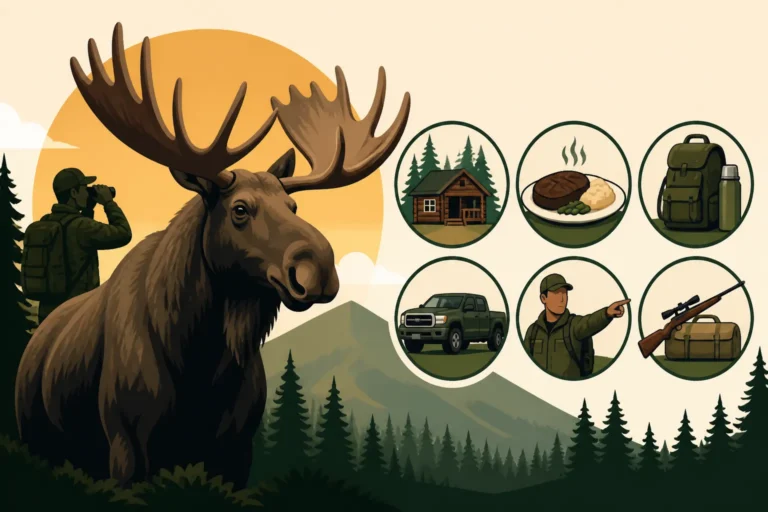
Booking a full guide means you're not just getting intel; you're getting a complete, immersive experience led by a professional. When you book a Booking a Guided Maine Deer Hunt or a Booking a Guided Maine Bear Hunt, you can expect the guide to be with you, or at least in close communication, throughout your hunt. This often includes picking you up from a designated meeting point, transporting you to and from hunting areas daily, and providing comfortable accommodations, which could range from rustic cabins in a remote sporting camp to cozier lodges with all the amenities. Meals are typically included, often hearty, home-cooked fare that fuels you for long days in the woods.
Beyond logistics, a full guide offers invaluable real-time expertise. They'll know the specific stand to hunt based on current conditions, interpret fresh tracks, call game for you, assist with tracking and recovery, and handle the laborious process of field dressing and extracting your animal from the woods – a massive benefit when you've downed a large animal like a moose in challenging terrain. They're also a wealth of local knowledge, understanding everything from Wind and Thermals in Maine Hill Country to Late-Season Food Sources for Maine Whitetails, and can adapt strategies on the fly based on weather or game movement. Safety is also a significant component; guides are trained in wilderness first aid and navigating remote areas. It's truly a soup-to-nuts operation designed to maximize your hunting opportunity and minimize your worries.
The Investment and Value of a Full Guide
There’s no getting around it: a fully guided hunt is a more significant financial investment than simply hiring a scout. However, the value proposition is entirely different. You’re paying for expertise, convenience, all-inclusive services, and often, peace of mind. For many, especially those who travel a long distance or have limited vacation time, the higher cost is justified by the reduced stress and increased potential for success.
For species like Moose in Maine's North Woods or Black Bears in Maine, where specialized knowledge, equipment, and sometimes even hounds are used, a guide can drastically improve your odds. Consider the effort involved in setting up and maintaining a bear bait site for weeks before the season, or the challenge of calling a bull moose in a vast wilderness. These are tasks that a professional guide excels at. Moreover, the value isn't just in the kill; it's in the entire experience – the camaraderie, the stories shared around the campfire, and the opportunity to hunt prime ground that might otherwise be inaccessible or unknown to you. When you factor in the cost of lodging, meals, fuel, and the time spent scouting that a guide essentially "fronts" for you, the perceived higher cost often makes more sense. Plus, many outfitters offer packages that bundle licenses and permits, further simplifying the process for non-residents. Platforms like BookYourHunt or GoHunt can give you an idea of the range of guided trips available and help you compare what’s included in different packages.
When a Full Guide is the Ideal Option
A full guide is often the ideal choice for several hunter profiles. If you're a first-time hunter in Maine, especially if you're traveling from out of state, a guide can be invaluable. They will not only put you on game but also educate you on local regulations, terrain, and techniques unique to Maine. Similarly, hunters pursuing challenging species like moose or bear often find the expertise of a Hiring a Registered Maine Guide to be indispensable. These hunts frequently require specialized knowledge, equipment, and access that an individual hunter might not possess.
For those seeking a high-comfort experience, perhaps with a non-hunting spouse or family, a guide service that includes lodging and meals provides a seamless and enjoyable trip. Hunters with physical limitations or those who simply prefer not to handle the strenuous parts of game recovery (like dragging a deer out of a cedar swamp or getting a moose out of the North Woods) will find a full guide’s assistance a huge relief. Lastly, if your goal is simply to maximize your chances of success and minimize the variables, a full guide who lives and breathes Maine hunting offers the highest probability of fulfilling that goal. They eliminate the guesswork and allow you to focus purely on the hunt itself.
Key Differences: Scout vs. Full Guide in Maine
Understanding the core differences between a scout and a full guide isn't just about price; it's about the fundamental nature of the service and how it aligns with your vision for your hunting trip.
Level of Support During the Hunt
The most significant divergence lies in the direct, in-the-field support. A scout provides pre-hunt intelligence. They’re like the military intelligence officer who gives you a detailed dossier on enemy movements and terrain, but you’re still the one on the ground executing the mission. They might point you to a specific stand location, show you where the deer have been crossing a logging road, or explain the best approach route. But once you leave the truck, you are largely on your own. You call your own shots, track your own game, and field dress your own harvest.
A full guide, however, is your active partner. They are right there with you, or nearby, advising, calling, tracking, and assisting. This is critical in situations where quick decisions are needed, or when conditions change rapidly. If a big buck appears and you need to adjust your setup, your guide is there to help make that happen. If you shoot an animal at dusk and the blood trail gets difficult, your guide’s experience in Blood Trailing After Dark in Maine can be the difference between recovery and a lost animal. They actively participate in every step of the actual hunting process.
Logistics, Accommodation, and Amenities
Think of a scout as a contractor hired for a specific job: scouting. Everything else is still on you. You'll need to arrange your own lodging, whether it’s a hotel, a rented cabin, or a tent in the backcountry. You'll buy and cook your own food, fuel your own vehicle, and handle all transportation to and from your hunting spots. This DIY approach offers maximum flexibility and often a more rustic, independent experience, but it also demands more planning and effort from your end.
A full guide service, especially with a reputable Maine Sporting Camps Explained, takes most of these logistical burdens off your shoulders. They provide the camp, often with comfortable beds and warm meals. They drive you to and from the hunting grounds, eliminating the need for you to navigate unfamiliar logging roads in the dark. Many even offer assistance with processing and transporting your game after the kill. It’s an all-inclusive package designed for comfort and convenience, allowing you to focus solely on hunting and relaxing. This is particularly appealing for non-residents who might find navigating Maine's vast wilderness and private land access rules daunting.
Impact on Your Hunting Style and Independence
Choosing between a scout and a guide also deeply impacts your personal hunting style and how much independence you desire. With a scout, you maintain almost complete autonomy. You’re given the information, and how you use it is entirely up to you. You can choose to hunt the exact spot they recommend, or use their intel as a starting point for your own exploration. This caters to the hunter who cherishes the challenge of personal achievement and wants to say they "did it themselves." It's about problem-solving and self-reliance, with a knowledgeable assist.
A fully guided hunt, by its nature, involves a degree of relinquishing control. While a good guide will always involve you in decisions, ultimately they are the expert leading the expedition. Your hunting often happens under their direction, in spots they choose, using methods they know work. For some, this is a welcome relief, knowing they are in capable hands. For others, it might feel like less of a personal accomplishment. However, it's important to remember that even with a guide, the shot is still yours to make, and the thrill of the hunt remains. The guide is there to facilitate, not to replace, your role as a hunter.
Making Your Decision: Factors to Consider
The choice between a scout and a full guide isn't universal; it's highly personal and depends on a mix of practical considerations and personal preferences.
Your Budget and Time Availability
Let's be real: money talks. A full guide service for a quality Maine hunt, especially for prime species, can be a significant investment, often ranging into several thousand dollars for a multi-day trip. If your budget is tighter, but you still want an edge, hiring a scout for a few days of pre-season work might be a much more viable option. You get actionable intelligence without the full price tag of an all-inclusive package.
Consider your time, too. If you only have a few days off work and minimal time for travel, the efficiency of a guided hunt — where everything from food to finding the stand is handled — can be invaluable. You maximize your hunting time. However, if you have more flexibility and enjoy the process of setting up camp, cooking meals, and navigating on your own, a scout-assisted hunt allows you to stretch your dollar further and immerse yourself in the wilderness for longer periods. You might also look into resources like GoHunt, which can help you research different hunting units and the likelihood of drawing tags, informing where a scout might be most beneficial versus a fully guided approach.
Your Experience Level and Knowledge of Maine Terrain
Your personal hunting background and familiarity with Maine's unique landscape are huge factors. If you’re a seasoned big-game hunter who has successfully hunted in various states, but Maine’s specific habitat (like the vast The North Maine Woods Gate System or the dense White-Tailed Deer Across Maine cover) is new to you, a scout can provide the necessary geographical and animal behavior insights without you needing a full-time chaperone. You know how to hunt; you just need to know where to hunt in Maine.
Conversely, if you're relatively new to hunting, or unfamiliar with tracking, calling, and field dressing larger game, a full guide offers invaluable mentorship and hands-on assistance. Non-residents, in particular, often benefit from the comprehensive support of a guide, as they navigate unfamiliar terrain, different hunting laws, and the local nuances of Maine's hunting culture. A good guide isn’t just a game locator; they’re an educator and a safety net.
The Species You're Targeting
The type of game you're after can heavily influence your decision. For some species, like Moose in Maine's North Woods or Bear Hunting Maine's Three Legal Methods, a full guide is often recommended, especially for non-residents or those without prior experience. Moose hunts, for example, involve immense effort in locating, calling, and then the monumental task of field dressing and extracting an animal that can weigh well over a thousand pounds from remote areas. A guide's experience and equipment are almost essential here. Applying for a Maine Moose Permit is hard enough; successfully executing the hunt is another challenge entirely.
For other species, like Upland Bird and Small Game Hunting in Maine or even general White-Tailed Deer Across Maine hunting in more accessible areas, a scout might be perfectly sufficient. If you’re after grouse in alder runs or snowshoe hare with beagles, a scout can point you to productive covers, leaving you to enjoy the dog work and the thrill of the chase. For deer, a scout can provide crucial intel on Scrape Lines Along a Logging Road or Hunting a Funnel Between Two Woodlots, giving you the tactical advantage you need to hang your own stand and still-hunt effectively.
| Feature | Hunting Scout | Full Hunting Guide |
|---|---|---|
| Primary Service | Pre-hunt scouting, game location, intel gathering | All-inclusive hunt experience, in-field presence |
| During-Hunt Support | Minimal to none; hunter is independent | Active, direct support and guidance |
| Logistics Handled | None (hunter responsible for everything) | Accommodation, meals, transportation, game recovery |
| Cost | Generally lower (hourly/daily for scouting) | Generally higher (all-inclusive package) |
| Hunter's Role | Independent hunter, tactical execution | Guided hunter, takes direction and assistance |
| Best For | Experienced hunters, limited scouting time, budget-conscious, familiar with self-guiding, target accessible game | First-time Maine hunters, non-residents, seeking comfort/convenience, targeting difficult species (moose/bear), less experienced |
| Typical Species | Deer, Upland Birds, Small Game, potentially Moose/Bear with specific guidance | Moose, Bear, Deer (especially in remote areas), Sea Ducks |
Ultimately, whether you choose to hire a scout or book a full guide depends on your personal preferences, budget, experience, and the adventure you envision. Both options offer unique advantages in the vast and rewarding hunting grounds of Maine.
Disclaimer
This article is for general informational purposes only and does not constitute professional advice. Laws, prices and regulations vary by location and change over time. Consult a qualified professional for guidance on your specific situation.