Gas and Gear Costs for a Self-Guided Trip
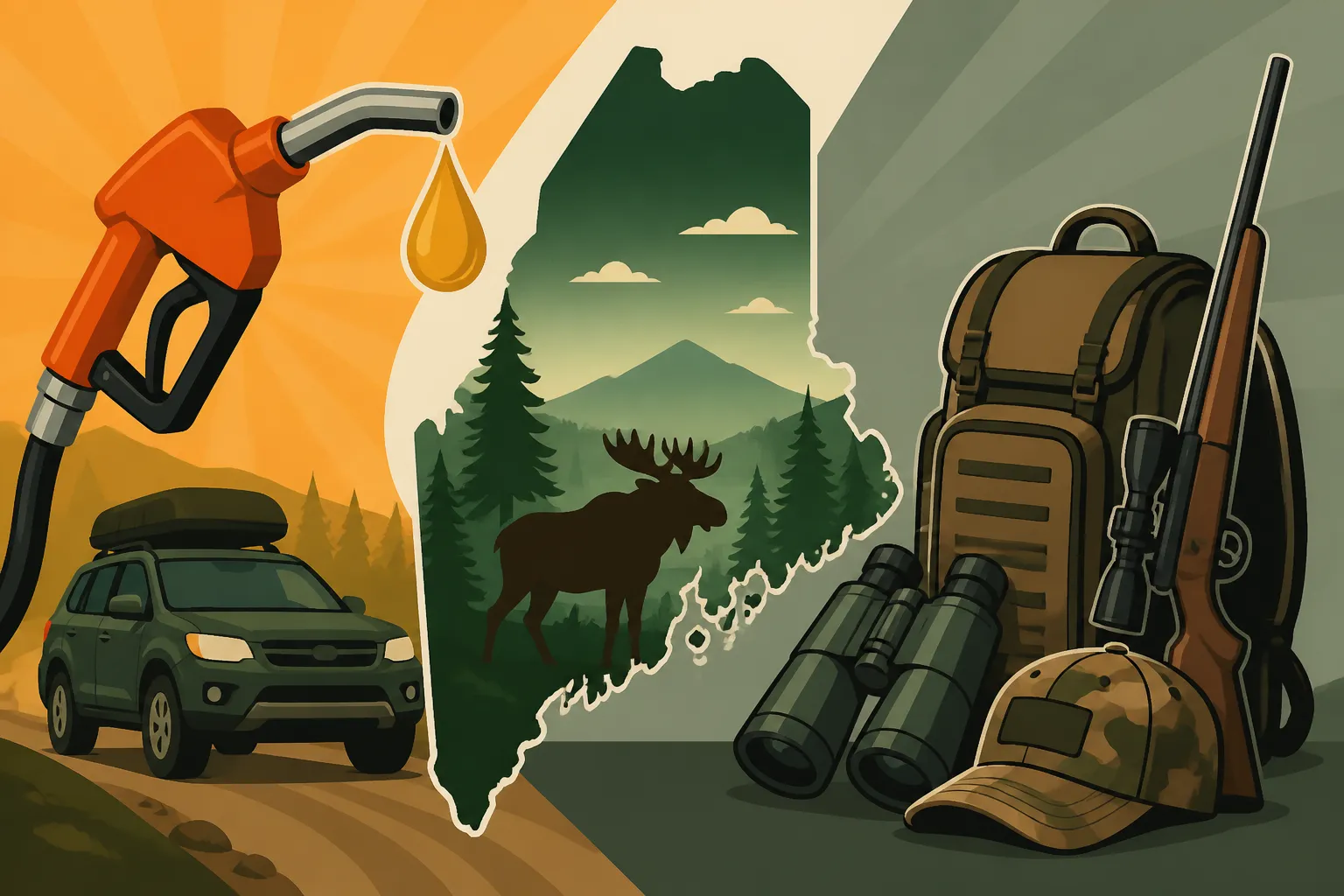
The dream of a self-guided hunting trip in Maine, with its vast woods and stunning landscapes, is powerful for many, but the excitement often overshadows the nitty-gritty financial planning. Hunters often focus on the big-ticket items like licenses and new firearms, only to be blindsided by the cumulative impact of gas and the myriad of gear necessary for a safe and successful adventure. This guide aims to meticulously unpackage the often-underestimated expenses involved in striking out on your own, helping you build a realistic budget that covers everything from filling your tank to the specific tools you'll need, ensuring your Maine hunt is memorable for all the right reasons, not financial surprises.
The Reality of Fuel Costs in Maine's Backcountry
When you picture hunting in Maine, you're likely imagining remote forests and expansive wilderness, and that image isn't wrong. What many don't fully account for, however, is the sheer scale of the state and the distances involved in reaching these prime hunting areas, let alone navigating them once you arrive. The cost of fuel can quickly become one of the most significant, and often underestimated, line items in a self-guided hunting budget.
Navigating Vast Distances and Remote Roads
Maine is a massive state, especially when you consider the sprawling timberlands of the North Woods or the far-flung regions of Aroostook County. If you're coming from southern Maine or out of state, your initial drive to a prime hunting zone can easily span hundreds of miles, gobbling up fuel before your boots even hit the dirt. It's not just the distance, either; the type of roads you'll be traveling can dramatically impact your fuel efficiency.
Many of Maine's best hunting grounds are accessed via unimproved logging roads, gravel paths, and dirt tracks. These routes often require a 4×4 vehicle, slower speeds, and more cautious driving, all of which reduce your miles per gallon compared to highway cruising. Imagine driving from a bustling city like Portland up to the deep woods north of Ashland—it's not just a long drive, it’s a journey through variable terrain where consistent high speeds are rare. You'll spend a lot of time in lower gears, idling while scouting, and potentially using four-wheel drive, all of which drink fuel faster. Exploring a remote timber company tract or a large Wildlife Management Area means extensive driving on these challenging roads daily, adding up quickly. Using an App for North Maine Woods Land Status can help you plan your routes, but it won't magically make the gas last longer!
Calculating Your Trip's Fuel Consumption
To avoid the shock at the pump, it's crucial to map out your likely fuel consumption well in advance. Start by plotting your round-trip mileage from home to your chosen hunting area. Be honest about your vehicle's average fuel economy, and then consider adjusting that figure downwards by 10-20% for the kind of mixed driving you'll encounter on rural and unpaved Maine roads.
But the driving doesn't stop once you arrive. A self-guided hunt often involves significant daily driving to different access points, scouting new areas, or relocating based on changing conditions or animal sign. For a typical five-to-seven-day hunt, you might add another 100-300 miles of local driving within your hunting zone. Don't forget any pre-season scouting trips; those miles count too! Remote gas stations, if you can even find them, often charge a premium due to transportation costs, so planning to fill up in larger towns before heading deep into the woods is a smart move. Running out of gas in a remote part of the North Woods is not an experience you want to have.
Here’s a simplified way to think about your potential fuel budget:
| Trip Segment | Estimated Miles (Example) | Estimated MPG (Your Vehicle) | Gallons Needed (Calculated) | Current Cost/Gallon (Local Check) | Estimated Segment Cost |
|---|---|---|---|---|---|
| Drive to Hunting Area | 250 | 20 | 12.5 | Check Locally | $XX.XX |
| Daily Hunting (5 days) | 150 | 15 (Rough Roads) | 10 | Check Locally | $XX.XX |
| Scouting/Relocation | 75 | 15 (Rough Roads) | 5 | Check Locally | $XX.XX |
| Return Trip Home | 250 | 20 | 12.5 | Check Locally | $XX.XX |
| Total Estimated Fuel | 725 | (Average of above) | 40 | (Average of above) | $XXX.XX |
Remember to look up current fuel prices in the specific towns nearest your hunting destination, as they can fluctuate wildly and vary greatly from what you pay at home.
Essential Gear Beyond the Basics
Most hunters already own their primary weapon, a decent set of binoculars, and perhaps a hunting pack. However, a self-guided trip into Maine's diverse and sometimes harsh environments demands a much more extensive and specialized gear list. You are your own outfitter, and that means you need to be prepared for almost anything. Neglecting essential gear isn't just uncomfortable; it can be dangerous.
Clothing, Shelter, and Survival Essentials
Maine weather is famously unpredictable. A crisp autumn morning can turn into a cold, driving rain by afternoon, or a mild day can suddenly drop into freezing temperatures after dark. Layering is not just a suggestion; it's a survival strategy. Invest in quality base layers, insulating mid-layers, and a waterproof, windproof outer shell, ideally with breathable technology like Gore-Tex. Cotton is largely useless when wet and should be avoided for anything other than short, fair-weather walks. A reliable pair of waterproof, insulated boots that are well broken in is absolutely non-negotiable for navigating wet woods and uneven terrain.
Beyond clothing, you need to think about survival. Even if you plan to sleep in a truck or a cabin, a compact emergency shelter – like a lightweight tarp, bivy sack, or even a heavy-duty emergency blanket – can be a lifesaver if you get disoriented or injured far from camp. A comprehensive first-aid kit, tailored for wilderness use, is paramount. Navigation tools, including a reliable GPS unit (with extra batteries or a power bank) paired with paper maps and a compass, are critical. Cell service is spotty to non-existent in many prime Maine hunting areas. A satellite communication device (like a Garmin inReach or Zoleo) for emergency communication or checking in with loved ones isn't a luxury; it's a smart safety investment for any solo or small-group self-guided adventure into the deep woods. Don't forget a quality headlamp with extra batteries for those early morning hikes or late-night blood trails. Think of it this way: what would you need if you unexpectedly spent a night in the woods? You can find some crossover ideas by looking at what guides recommend for Packing for a North Woods Moose Hunt, even if you're chasing deer.
Field Processing and Game Recovery Tools
Once you've successfully harvested an animal, the real work, and specific gear needs, begin. Field processing is crucial for preserving meat quality, especially in variable Maine temperatures. You'll need a very sharp, sturdy hunting knife (or a set), along with a sharpening stone or pull-through sharpener. High-quality game bags are essential to protect the meat from dirt, insects, and debris as you quarter or drag the animal out. For deer, a compact quartering kit can save you immense effort, allowing you to pack out the animal in manageable pieces rather than dragging it whole.
For larger game, or if you're hunting in particularly rugged or remote areas, consider investing in a game cart or sled. A good game cart can turn a back-breaking drag into a much more manageable task, especially over long distances or relatively flat ground. If you're tackling truly large game like a moose (a self-guided moose hunt is a massive undertaking, but the principle applies) or even a large buck in challenging terrain, a small, portable winch, come-along, or block-and-tackle system could be invaluable for loading it onto a vehicle or moving it a short distance. A self-guided hunt means you are the labor, so any tool that multiplies your effort is worth considering. Don't forget flagging tape to mark your blood trail and entry/exit points, and a good pair of sturdy gloves for the messy work. Knowing how to expertly manage a kill, from Field Dressing a Deer in Cold Weather to Blood Trailing After Dark in Maine, requires the right tools at hand.
The Hidden Costs: Food, Lodging, and Contingencies
Beyond the obvious expenses of licenses, tags, fuel, and primary gear, a self-guided trip often comes with a host of smaller, but cumulatively significant, costs. These can quickly eat into your budget if not carefully considered beforehand. Thinking through your entire trip, from meal plans to potential emergencies, is key to financial peace of mind.
Sustenance for the Long Haul
Unless you plan to live off instant noodles and granola bars for a week (which isn't recommended for maintaining energy in the field!), you'll need a solid plan for food and water. For most self-guided hunters, this means packing in groceries and cooking at camp. This is generally more cost-effective than eating out, especially in remote areas where restaurants are scarce and often pricey. Think about sturdy coolers, enough ice, propane for a portable stove, and all the cooking utensils you'll need. Don't forget water purification tablets or a filter, especially if you plan to rely on natural sources for drinking water.
Beyond meal prep, pack plenty of high-energy snacks for the field—nuts, jerky, energy bars, and fruit can keep you going during long sits or strenuous hikes. Another often-overlooked cost is power for your electronics. Portable power banks for phones and GPS devices are crucial, and if you're truly off-grid for an extended period, a small solar panel charger might be a wise investment. Remember, a hearty breakfast and dinner fuel your body for those demanding days in the woods.
Budgeting for Shelter and Access
Where will you lay your head? For a self-guided hunt, options range from pitching a tent to staying in a basic motel. If you're planning to camp, factor in potential camping fees. Many state parks, private campgrounds, and even certain sections of the North Maine Woods charge a daily or nightly fee. For instance, Camping Rules Inside North Maine Woods often involve a per-person, per-night fee, which can add up over a week. While some might assume "public land" means free camping, that's not always the case, especially in managed areas or private timberlands that allow public access with fees.
If camping isn't your style, consider the cost of basic lodging. Small towns surrounding popular hunting regions might offer inexpensive motels, but these can still be a significant daily expense. Renting a small cabin, while offering more comfort, might push the boundaries of "self-guided" budget-wise but is an option for groups to split costs. Crucially, don't forget access fees, especially if you're heading into Maine's vast industrial forests. The North Maine Woods, for example, operates a gate system with mandatory day-use fees for anyone entering their lands. These fees are essential for road maintenance and resource management. Knowing North Maine Woods Day-Use Fees and understanding What the North Maine Woods Fee Doesn't Cover (like camping, which is an additional fee) is critical for accurate budgeting. These fees can range from a few dollars per person per day to higher rates for multi-day passes or for non-residents.
Unexpected Expenses and The "Buffer" Budget
No matter how meticulous your planning, something unexpected can always pop up on a hunting trip. Your vehicle could get a flat tire on a rocky logging road, or you might hit a pothole that needs a suspension check. Essential gear, like a cherished knife or a headlamp, could get lost or break, requiring an emergency replacement. An unforeseen medical issue, even a minor one, could lead to unexpected costs.
This is where a "buffer" or contingency fund comes in. I always recommend adding an extra 10-15% to your total budget specifically for these "what ifs." This isn't money you expect to spend, but it's there for peace of mind. This could cover anything from a necessary vehicle repair in a small town to purchasing an unexpected piece of gear you realize you desperately need once in the field. It could even cover an extra night of lodging if a sudden snowstorm prevents safe travel home. Remember, on a self-guided trip, you are responsible for everything, including these unforeseen challenges. Even when researching what a guided trip typically includes on sites like BookYourHunt or GoHunt, you'll see a vast array of services provided, which a self-guided hunter must cover themselves, often including potential emergency logistics.
Maximizing Value and Minimizing Surprises
A self-guided Maine hunting trip is an incredible experience, but it truly requires thoughtful preparation to be both successful and financially viable. It's about working smarter, not just harder, with your resources. By focusing on smart planning and strategic investments, you can get the most out of your budget and minimize those unwelcome surprises that can sour an otherwise fantastic adventure.
Smart Planning and Research
The best way to stretch your dollar and avoid unexpected costs is through rigorous pre-trip planning and research. Start by digitally scouting your intended hunting area using satellite imagery and topographical maps. This can help you identify potential access points, likely game travel corridors, and even challenging terrain features from the comfort of your home. Reading Aerial Photos for North Woods Deer can reveal hidden clear-cuts or swamps that might hold game. Combine this with the Scouting With the Maine Hunting App to check property boundaries, WMD regulations, and potential public access points. The more you know before you go, the less time and fuel you'll waste driving around aimlessly in the field.
Another cost-saving strategy is borrowing or renting expensive, specialized gear that you might only use once or twice. Do you truly need to buy a heavy-duty game cart if you only plan one deer hunt this year? Perhaps a friend has one you can borrow, or a local outdoor shop offers rentals. Consider carpooling with hunting buddies, not just to split fuel costs, but also to share expenses for things like camping fees, groceries, and even the cost of shared specialized gear like a satellite communicator or a larger cooler. This collaborative approach can make a self-guided trip significantly more affordable for everyone involved. Don't underestimate the value of researching potential areas that are less pressured, which might mean a shorter drive and less fuel. This can also apply to researching Hunting a North Maine Woods Checkpoint Tract versus a public reserved land unit with free access.
Gear Investments That Pay Off
While the goal is to save money, there are certain pieces of gear where skimping can lead to frustration, missed opportunities, or even safety risks. These are the investments that genuinely pay off in the long run, contributing to both your success and your enjoyment of the hunt.
Quality optics, such as a good pair of binoculars or even a spotting scope (depending on your hunting style), are indispensable. They allow you to scout vast areas, identify game from a distance, and confirm legal characteristics without constantly moving and spooking animals. A reliable navigation system, as mentioned before (GPS, map, and compass), is not just gear; it's a safety net. Investing in a proper layering system for your clothing, rather than cheap alternatives, will keep you comfortable and safe in Maine's varied weather, allowing you to stay in the field longer and more effectively. A well-fitting, comfortable hunting pack that can carry all your daily essentials, plus extra layers and perhaps even meat, is also a worthy investment.
Finally, consider investing in skills as much as gear. A certified wilderness first-aid course can be invaluable for a self-guided hunter. Learning advanced land navigation techniques can boost your confidence and safety in unfamiliar terrain. Understanding animal behavior and tracking sign will increase your odds of success more than any single piece of expensive gadgetry. Remember, the true value of a self-guided hunt comes from the experience and the knowledge you gain, and equipping yourself wisely, both with gear and expertise, is the surest path to that reward. Ensure you've met all Maine Hunter Education Requirements before heading out.
Disclaimer
This article is for general informational purposes only and does not constitute professional advice. Laws, prices and regulations vary by location and change over time. Consult a qualified professional for guidance on your specific situation.