Sitting a Field Edge in Late Season
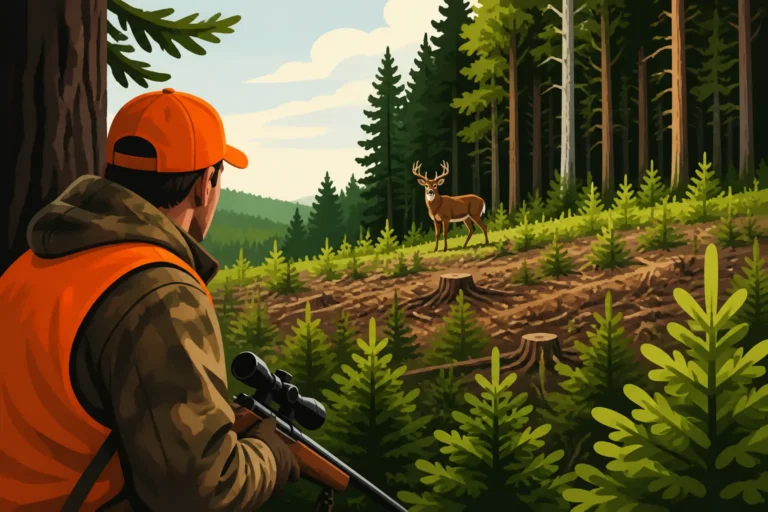
As the late season grinds on in Maine, the woods can feel utterly devoid of deer, leaving many of us frustrated and wondering if we'll ever fill that tag. The air is crisp, often bitter cold, and the whitetails have seen it all. They're jumpy, largely nocturnal, and sticking to the thickest cover they can find. But there's a secret weapon for late-season success: the field edge. This guide will walk you through how to effectively sit a field edge when the mercury drops, offering a strategic approach to bagging a deer when most others have packed it in.
Decoding the Late-Season Deer Mindset and Habitat Needs
When late fall transitions into the brutal Maine winter, deer undergo a dramatic shift in their priorities. Gone are the days of chasing does or browsing casually. Their entire existence revolves around two things: survival and finding enough calories to fuel that survival. Understanding this fundamental change is your first step toward late-season success.
Prioritizing Food and Security
By the time the snow starts to fly and temperatures consistently hover below freezing, deer are in a desperate race against time. They need energy to stay warm, and they need to replenish fat reserves that might have been depleted during the rut. This means their daily patterns become incredibly predictable, centering almost entirely around high-energy food sources. These aren't just any food sources; they're often agricultural fields that still hold residual crops or natural mast that might have been overlooked.
They'll seek out food sources that offer the most bang for their caloric buck, and they won't venture far from dense thermal cover unless absolutely necessary. Think of those thick cedar swamps, stands of regenerating clear-cuts, or dense conifer plantations—these areas offer a buffer against the wind and cold. Your job as a hunter is to find the intersection of these two critical needs: quality food adjacent to secure bedding. This is where modern scouting tools like the GoHunt app really shine, allowing you to pour over satellite imagery to identify potential food plots or agricultural fields close to thick cover. Knowing where deer are bedding will help you determine the most likely approach routes to those late-season buffets.
Understanding Deer Movement Patterns
Late-season deer, especially mature bucks, become incredibly wary. They've dodged hunters for weeks, maybe even months, and their survival instincts are on high alert. You won't see them frolicking in a field at noon. Instead, their movements will be concentrated during the low-light hours of dawn and dusk, sometimes even pushing into full darkness. They'll spend the bulk of the day bedded down, often within sight of the food source, but just inside the protective embrace of thick timber.
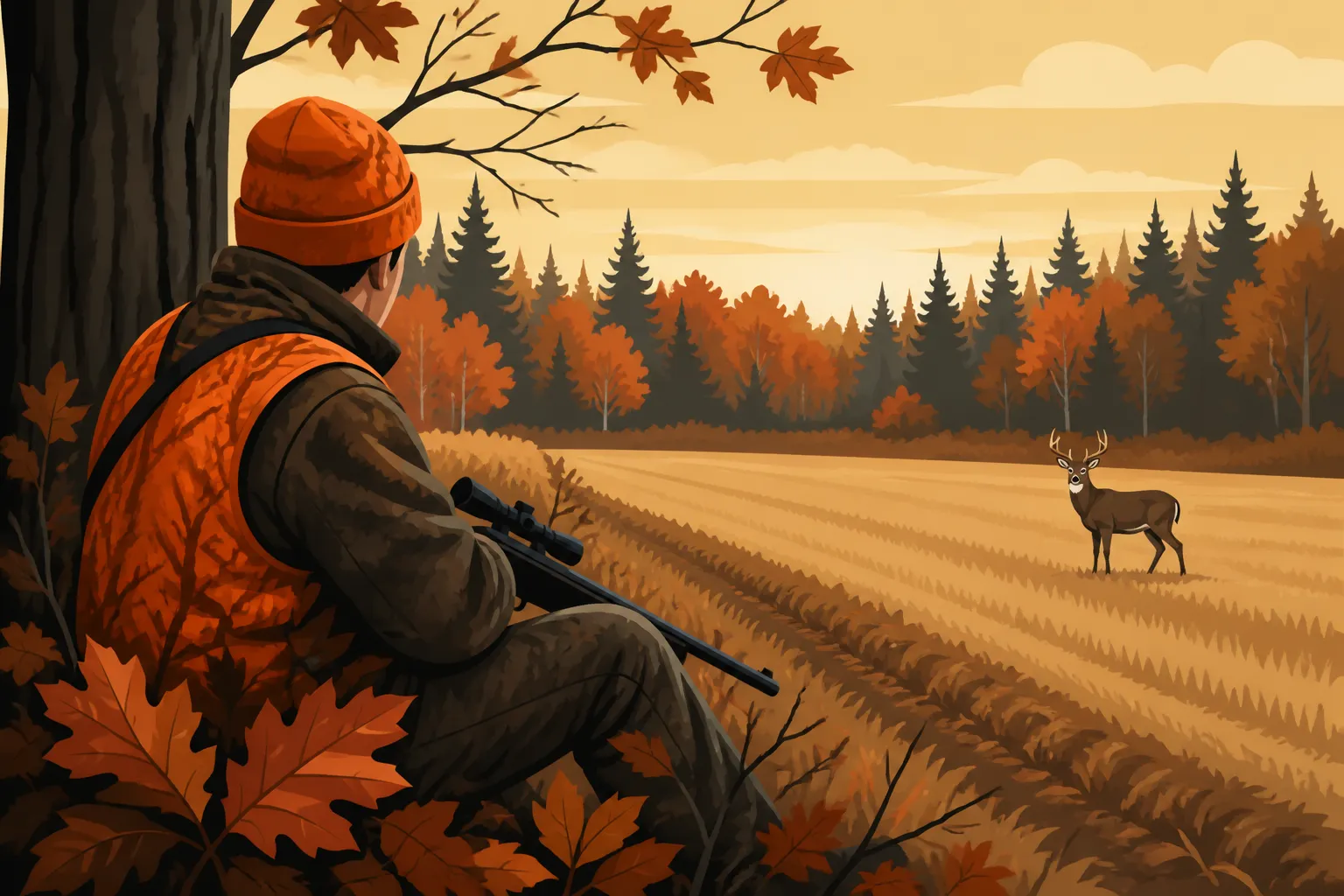
This means you need to adjust your timing. Rather than sitting all day, which can be brutal in the cold and often unproductive, focus your efforts on the last couple of hours of daylight. Deer will stage in the timber, gathering just inside the field edge, waiting for that psychological trigger—the fading light, the slight drop in wind—to step out and begin feeding. They'll use trails that offer the most cover, so look for funnels, points of timber that jut into a field, or ditches that allow them to approach unseen.
Strategic Field Edge Selection and Setup
Not all field edges are created equal in the late season. Choosing the right spot and setting up meticulously is paramount to enticing one of Maine's wary whitetails within range. This isn't just about finding a field; it's about finding the field and then knowing how to become invisible within its proximity.
Identifying Prime Food Sources
By late season, many of the early fall food sources like acorns are long gone or buried under snow. Deer shift their focus to whatever reliable, high-calorie options remain.
- Standing Corn or Residual Grain: If you're lucky enough to find a standing cornfield, or even one that's been harvested but still has substantial residual grain on the ground, you've hit the jackpot. Corn provides incredible energy and often thermal cover. Deer will literally live in a standing cornfield, only leaving to bed in adjacent woods. For those looking for areas to focus their efforts, a deep dive into Late-Season Food Sources for Maine Whitetails can provide crucial insights into what crops deer are hitting hardest.
- Brassicas and Winter Wheat: Some farmers plant brassicas (like turnips or radishes) or winter wheat as cover crops. These can be absolute magnets for deer once a few hard freezes have sweetened them. The deer will paw through light snow to get to these greens, especially if they're close to cover.
- Forgotten Apple Orchards: Don't underestimate the power of an old, neglected apple orchard. Even if the apples are frozen or covered in snow, deer will dig for them. A productive apple tree, even one that's dropped its fruit, can be a major draw. For a detailed guide on this specific strategy, check out Hunting a Standing Apple Orchard.
- Cutting Edges: Beyond agricultural fields, consider the edges of recent timber cuts. The browse from regenerating growth can be a significant food source. While not a "field" in the traditional sense, these edges provide a similar dynamic of food and cover transition.
When scouting, look for heavy track concentrations, droppings, and browse lines along the edges of these fields. This is where tools like GoHunt become invaluable for marking potential hot spots, noting wind directions, and visualizing deer travel corridors without having to physically tromp through every inch of potential habitat and risk leaving scent.
Mastering Entry, Exit, and Wind
The late-season deer's nose is its primary defense. Any foreign scent, no matter how faint, will send them packing. This makes managing your scent and understanding the wind absolutely critical.
- Wind Direction is Non-Negotiable: Never, ever hunt a field edge with a questionable wind. Your scent will swirl, drift, and inevitably cross the path of an approaching deer. Use a reliable wind checker constantly. Set up so your scent blows away from where you expect deer to approach and enter the field. This might mean having to pick a stand site on the downwind side of the field relative to their most likely entry point, even if it means a longer shot. Pay close attention to Wind and Thermals in Maine Hill Country, as these can create unpredictable currents, especially at dusk.
- Silent Entry and Exit: Your approach and departure must be ninja-like. Plan your route to avoid walking through bedding areas or directly across major travel corridors. Utilize ditches, fence lines, ridges, or thick timber to mask your movement and scent. Go slow, be quiet, and be mindful of snapping twigs or rustling leaves. Consider a less direct but safer route, even if it takes longer. For specific tactics, read up on Entry Routes Through a Cut Cornfield. If you alert deer on your way in or out, you've essentially burned that spot for days, maybe even weeks.
- Concealment is King: Whether you're in a treestand or a ground blind, you need to blend in perfectly. A ground blind can be incredibly effective in late season, offering warmth and concealment, but only if it's set up and brushed in well in advance. Don't just pop up a blind the day you hunt; ideally, have it out for a week or two so deer get used to it. Better yet, naturally brush it in with local vegetation to break up its outline. For tips on creating an effective ground blind setup, check out Brushing In a Blind on a Field Edge and learn about Using a Ground Blind on Posted-Free Land. If using a treestand, choose a tree that offers good cover and break up your silhouette against the skyline.
Late-Season Food Source Comparison
| Food Source | Deer Preference | Availability (Late Season) | Benefits for Hunter | Challenges |
|---|---|---|---|---|
| Standing Corn | High | Limited, location-specific | Excellent caloric value, thermal cover | Hard to find, deer can hide within, noisy movement |
| Residual Corn/Grain | High | Common, if not picked clean | Good caloric value, deer will paw through snow | Can be quickly depleted, exposed feeding |
| Brassicas (Turnips, Radishes) | High | Moderate, if planted | Sweetens after hard freeze, highly attractive | Requires specific planting, can be sparse |
| Winter Wheat/Rye | Moderate-High | Moderate, if planted | Green forage when little else is available | Lower caloric value than corn, often browsed down |
| Apple Orchards (Forgotten) | High | Moderate, if not picked clean | Deer will dig for frozen apples, natural attraction | Can be small, might be picked over by early season hunters |
| Alfalfa/Clover (Green patches) | Low-Moderate | Limited, usually buried | Occasional green snack if snow is light | Often inaccessible, low caloric return |
| Browse (Maple, Poplar) | Moderate | Abundant | Primary food source when crops are gone | Dispersed, harder to pattern deer movement |
Gear, Comfort, and Mindset for Success
Late-season hunting in Maine is not for the faint of heart. The cold can be relentless, turning what should be an enjoyable sit into a miserable endurance test if you're not prepared. Your ability to stay warm, still, and patient directly impacts your success.
Staying Warm and Motionless
The biggest enemy of a late-season hunter isn't always the deer's keen senses; it's the cold. Shivering, fidgeting, and stamping your feet not only creates noise but also gives away your position through movement.
- Layer, Layer, Layer: This isn't just a suggestion; it's a survival strategy. Start with a good moisture-wicking base layer against your skin, followed by insulating mid-layers (fleece, down, wool), and finally, a windproof, waterproof outer shell. Pay special attention to your extremities. Heavy, insulated boots are a must, ideally a size up to allow for thicker socks and better circulation. Chemical hand warmers and toe warmers are your best friends; stash them in pockets, boots, and even inside your hat. A thick balaclava or face mask will protect exposed skin, and a hand muff can be a game-changer for keeping your trigger finger warm and ready. For a comprehensive breakdown, consider revisiting Cold-Weather Sitting Strategy in Maine.
- The Right Seat Makes a Difference: Whether in a treestand or a blind, a comfortable, insulated seat can help immensely. Sitting directly on cold metal or plastic will leach heat from your body quickly. Bring a foam pad or an insulated seat cushion. In a ground blind, a comfortable chair allows you to sit for longer without fidgeting.
- Stay Hydrated and Fuelled: Even in cold weather, hydration is important. Bring a thermos of hot coffee, tea, or cocoa. Snacks that are high in fat and protein (nuts, jerky, chocolate) will help keep your internal furnace burning. A warm drink can do wonders for morale and core temperature.
The Waiting Game and Patience
Late-season deer, as mentioned, are creatures of low light. They'll often wait until the last possible moment, sometimes even after legal shooting hours, to step into a field. This requires immense patience and mental fortitude.
- Embrace the Gloom: Don't get discouraged if the first few hours of your afternoon sit are quiet. The magic almost always happens in the last 30-60 minutes of daylight. Be prepared to sit through boredom, knowing that the payoff could be just moments away. Deer often move more aggressively right after a cold front, so those bitter days can sometimes be the most productive.
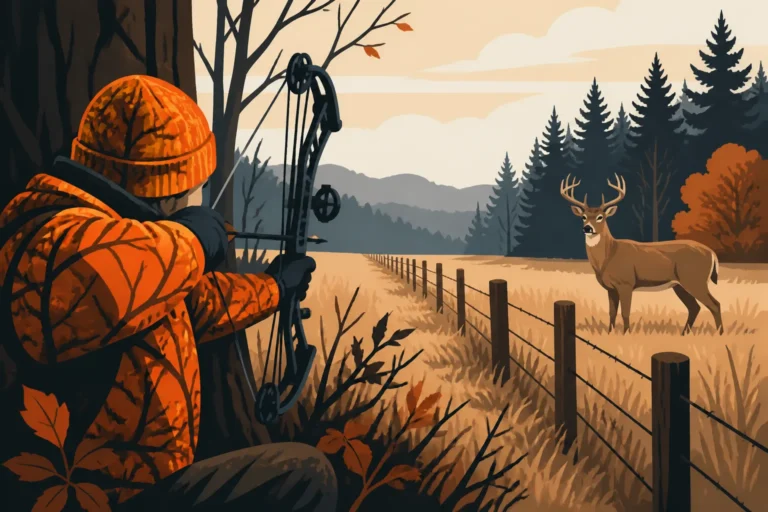
- Be Ready for the Shot: When a deer finally appears, it might be fleeting. Have your weapon ready, your range estimated, and your shot lanes clear. Every second counts. Practice quickly shouldering your rifle or drawing your bow with your heavy layers on, so you're not fumbling when the moment of truth arrives.
- Hunt Longer: If you have a muzzleloader tag, you might even be able to push your season into mid-December in some WMDs. Understanding Hunting Into the December Muzzleloader Close can extend your opportunities significantly, often when deer are even more concentrated on food sources due to deeper snow.
Maximizing Your Scouting Efforts for Late-Season Success
Success in late-season hunting isn't about luck; it's about meticulous preparation and smart scouting. The work you put in before the hunt truly begins will pay dividends when the woods are quiet and the deer are scarce.
Pre-Season and In-Season Reconnaissance
You can't just stumble upon a late-season hotspot. It takes dedicated effort to identify the prime locations where deer will congregate.
- Digital Scouting: Before you ever step foot in the woods, use mapping applications. Tools like GoHunt or other reputable mapping apps allow you to analyze aerial photography and topo maps from the comfort of your home. Look for fields, clear-cuts, and waterways that are adjacent to dense cover like cedar swamps or thick conifer stands. Identify pinch points, funnels, and potential travel corridors between bedding and feeding areas. Understanding Scouting With the Maine Hunting App can give you a significant edge in finding these hidden gems.
- Boot-on-the-Ground Scouting (Carefully!): Once you've identified potential areas on a map, it's time to verify them. This requires careful, stealthy scouting. Go in on off-days, during midday when deer are typically bedded, and with a wind that carries your scent away from the primary deer activity areas. Look for fresh tracks, droppings, and signs of browsing. Identify specific entry and exit points deer are using. Pay attention to how deer move from secure cover to the field edge. This is also a good time to hang a trail camera if permitted, but remember, the less disturbance, the better. Reading Aerial Photos for North Woods Deer can help you interpret what you see on the ground versus what the map shows.
- Understanding Deer Yards: In especially harsh winters, deer will congregate in "deer yards" or wintering areas, typically dense cedar swamps that offer thermal cover. While you shouldn't hunt directly in a deer yard as it stresses the animals, understanding where these are can help you locate fields they might be moving to and from. A deeper understanding of Maine Deer Wintering Yards Explained can provide valuable context for late-season movement patterns.
By combining digital scouting with careful ground truth verification, you can pinpoint the exact field edges that offer the highest probability of success. Remember, late season hunting is a chess match, and the more information you have about your opponent's moves, the better your chances of victory.
Disclaimer
Hunting is an inherently dangerous activity. Always prioritize safety, adhere to all local, state, and federal hunting regulations, and ensure you have the proper licenses and permits. The information provided in this guide is for informational purposes only and should not replace proper hunter education, safety courses, or professional guidance. Always respect private land and obtain permission before hunting.