Hunting Small Woodlots Near Portland
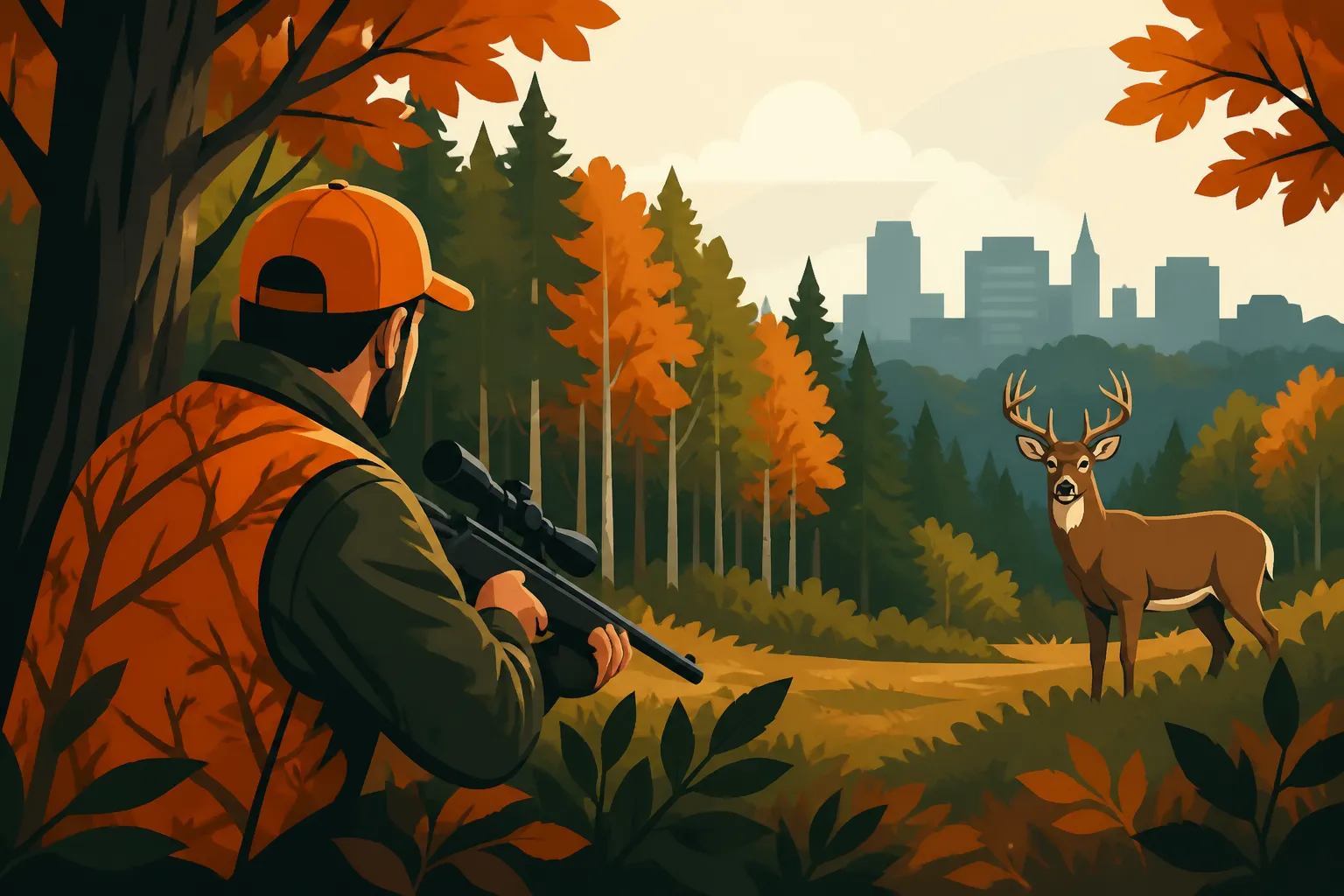
Hunting small woodlots near Portland might seem like a daunting task, a whispered secret among local hunters who feel squeezed out by development and increasing population density. Many of us dream of expansive North Woods timber, but the reality is, incredible opportunities often lie right under our noses in these overlooked, unassuming patches of woods. This guide is all about equipping you with the knowledge and tactics to successfully pursue deer in these often-pressured, yet surprisingly productive, close-to-home locations.
The Unique Challenge and Reward of Hunting Woodlots Near Portland
When you think about deer hunting in Maine, your mind probably conjures images of vast forests, remote logging roads, and days spent deep in the wilderness. But for many Mainers, especially those living in and around our largest city, Portland, those opportunities are a long drive away. This leaves a lot of us wondering if it's even possible to hunt effectively close to home. The answer, surprisingly, is a resounding yes, but it requires a different mindset and a specialized approach. These small woodlots, often bordering suburban neighborhoods, industrial parks, or agricultural fields, present a unique set of challenges and, for the prepared hunter, some incredible rewards.
Understanding Deer Behavior in Suburban Pockets
Deer are incredibly adaptable creatures, and they've learned to thrive right alongside human populations. In these suburban fringe areas, they often become almost nocturnal, moving under the cover of darkness between bedding areas in thickets and feeding grounds like gardens, ornamental plantings, or small agricultural plots. They use every scrap of cover—old overgrown fencerows, small cedar swamps, stands of pines, or even dense brush piles—as sanctuaries during daylight hours. What looks like an insignificant strip of woods to a casual observer can be a superhighway for a mature buck that knows exactly how to avoid detection. These deer are often pressured by everyday human activity more than by hunters, making them incredibly wary, but also somewhat predictable once you understand their patterns. Their survival often depends on minimizing exposure, which means they’re masters of using whatever cover is available, no matter how small.
The Double-Edged Sword of Hunting Pressure
It's no secret that anywhere near a population center, you're likely to encounter more people, and that includes more hunters, both legal and less-than-legal. This can create significant Hunting Pressure Near a Maine Town. However, these small woodlots often fly under the radar for many hunters who are looking for larger tracts of land. The pressure, when it exists, might be from dog walkers, mountain bikers, or casual trespassers, rather than dedicated deer hunters. This means that while deer in these areas are constantly aware of human presence, they might not associate every human scent or sound with a direct threat from a hunter. The key is to be even more stealthy and strategic than usual. Your presence should be minimal, your approach surgical, and your impact on the land and local residents almost nonexistent. This low-impact approach is vital to keeping these small, precious pieces of habitat open for hunting in the long run.
Navigating Access: Permission is Paramount
The biggest hurdle for hunting small woodlots is almost always access. Unlike the vast timber company lands of the North Woods, these parcels are almost exclusively privately owned, often by individuals or families who live right next to them. This makes securing permission not just a courtesy, but a legal and ethical necessity. Without landowner permission, you're not hunting; you're trespassing, and that's a quick way to lose privileges for everyone.
Leveraging Technology for Property Information
Before you even think about knocking on a door, you need to know who owns the land. This is where modern technology becomes your best friend. Start by using online mapping tools. Services like GoHunt or dedicated land ownership apps like onX Hunt are invaluable. These platforms allow you to overlay property boundaries onto aerial photography, showing you exactly where the lines are and, crucially, who the parcel belongs to. You can zoom in on these small woodlots, identify potential bedding areas, travel corridors, and even likely entry and exit points. This preliminary Scouting With the Maine Hunting App or similar tools lets you identify key features and, most importantly, the landowner's name and address. Knowing Finding Maine Property Lines before you even step foot on the property is critical for both scouting and approaching landowners.
The Art of Respectful Landowner Outreach
Once you've identified a promising small woodlot and its owner, it's time for the most important step: asking for permission. This isn't just about showing up; it's about making a positive impression and building a relationship. Think of it like a job interview, but for hunting access.
Here's a breakdown of how to approach it:
- Timing is Everything: Don't show up on a Sunday morning or late in the evening. Weekday afternoons or early evenings are often best. Avoid hunting season entirely for your first contact; do this well in advance, during late summer or early fall.
- Appearance Matters: Dress presentably. You don't need a suit, but clean, casual clothes are far better than dirty hunting gear.
- Be Prepared: Bring a folder with a personalized letter introducing yourself, your hunting license, proof of Maine Hunter Education Requirements, and liability insurance if you have it. A map of their property, clearly showing the boundaries, can also be helpful.
- The Pitch: Be polite, respectful, and brief. Start by introducing yourself and stating your purpose clearly: "Hello, my name is [Your Name], and I live nearby. I noticed you have a lovely woodlot here, and I was wondering if you ever allow respectful hunters to access it during deer season?"
- Listen More Than You Talk: Allow the landowner to voice any concerns. Address them honestly and calmly. They might worry about safety, property damage, or liability. Explain your safety protocols (blaze orange, knowing your backdrop), your commitment to ethical hunting, and that you carry insurance.
- Offer Something in Return: This isn't always necessary, but it can go a long way. Offer to help with chores, clear brush, or share some venison if you're successful. Many landowners appreciate someone keeping an eye on their property.
- Be Specific: Discuss where you'd like to hunt, when, and how you'll access the property. Emphasize quiet, low-impact methods.
- Accept "No" Gracefully: If they say no, thank them for their time and move on. Don't argue or try to convince them. A polite "no" today could be a "yes" next year, especially if they see you acting respectfully in the community.
- Get It in Writing: Even if it's just a simple note, getting written permission protects both you and the landowner. You can adapt techniques from Knocking on Doors in Aroostook Farm Country, remembering that the principle of respect and clear communication is universal, regardless of location.
Understanding Maine's Implied Permission and Posted Land Laws
Maine has a long-standing tradition of Maine's Private Land Access Tradition, where unposted land is generally open for recreational use, including hunting, unless specifically prohibited. This is unique and a tremendous privilege we, as hunters, must protect. However, this "implied permission" does not extend to cultivated land, or to any land where there's a structure or dwelling within 200 yards. And, of course, if the land is posted with "No Hunting" or "Private Property" signs, that implied permission is explicitly revoked. Understanding What Posted Land Means in Maine is crucial. The safest and most respectful approach, especially for small parcels near homes, is always to seek direct, explicit permission. While Maine law doesn't always require it for unposted land, for these urban fringe woodlots, you should operate as if Do You Need Written Permission in Maine? the answer is always yes. It builds goodwill and prevents misunderstandings.
Effective Tactics for Tight Spaces
Hunting small woodlots is a chess match, not a broad-stroke landscape painting. You can't just wander aimlessly. Every move, every scent, every sound matters. The deer in these areas are experts at avoiding detection, so you need to be an expert at being undetected.
Mastering Stealth and Scent Control
In small woodlots, the deer are already on high alert due to constant human presence. This means your approach and scent management are absolutely critical. First, your entry and exit routes must be meticulously planned to avoid disturbing bedding areas. Use natural cover, walk slowly, and be conscious of every twig underfoot. The deer are literally right there.
Scent control is paramount. These deer live with human scent all the time, but a fresh, foreign human scent during hunting hours is a huge red flag. Shower with scent-free soaps, wash your clothes in scent-free detergent, and store them in airtight containers. Use scent-eliminating sprays on your clothes and gear. Pay close attention to wind direction; even a slight shift can carry your scent into a deer's nose, blowing your hunt. You can't beat a deer's nose, but you can manage your scent to give yourself the best chance. Think about using natural cover as a blind, or even just sitting still against a big tree to break up your outline.
Smart Stand and Blind Placement
Given the small size of these woodlots, your options for Hanging a Stand on a Private Land Field Edge or setting up a blind are often limited. This requires careful scouting, often from a distance using binoculars or game cameras before the season. Look for natural funnels: narrow strips of timber between fields, overgrown fencerows, or a small draw. These are pinch points where deer are naturally funneled. You'll want to position your stand or blind to cover these areas, keeping the prevailing wind in mind.
Consider using a ground blind. They offer excellent concealment, block your scent, and can be set up quickly and quietly. When Using a Ground Blind on Posted-Free Land, ensure it blends in perfectly with the surroundings. Brush it in with local vegetation to make it look like a natural part of the landscape. Place it where it offers a clear shot at a natural travel corridor, but also where deer aren't likely to pass directly downwind of you. Remember, the goal is to be invisible and odorless. In these tight quarters, a permanent stand might alert deer, so portable options are often best.
Short Hunts and Efficient Strategies
Forget all-day sits that are common in big woods hunting. In small woodlots, intensity trumps duration. The deer might only move through a specific area for a short window, often at first light or last light. Your best bet is to plan shorter, highly focused hunts. Get in early, before first light, with minimal disturbance, and be ready for that prime half-hour. If nothing happens, consider exiting quietly after an hour or two to avoid over-pressuring the spot, or only hunt the evening.
Still-hunting can also be very effective. Moving slowly, taking one or two steps, then pausing for several minutes to scan and listen, can help you pick off a deer that's moving cautiously through dense cover. This slow, deliberate movement mimics other animals in the woods, making you less alarming. Always be ready for a quick shot. When still-hunting, always walk into the wind or with a crosswind. With less ground to cover, you can be incredibly methodical. Remember that deer here are likely to bolt at the first sign of trouble, so quick decisions and readiness are key.
| Feature | Traditional Big Woods Hunting | Small Woodlot Hunting Near Portland |
|---|---|---|
| Land Size | Vast, thousands of acres | Small, 1-50 acres |
| Access | Public land, timber company | Primarily private, permission vital |
| Deer Pressure | Hunter-driven, seasonal | Human-driven (daily activity), constant |
| Scouting | Map study, large-scale hikes | Detailed mapping, stealthy observation |
| Tactics | Long sits, drives, tracking | Short sits, still-hunting, blinds |
| Scent Control | Important | Critical |
| Noise Level | Can be more forgiving | Absolute minimum |
| Game Recovery | Often long drags, difficult | Usually shorter, but sensitive |
| Mindset | Endurance, patience | Precision, stealth, landowner respect |
Ethical Considerations and Community Stewardship
Hunting these small woodlots isn't just about bagging a deer; it's about being a responsible ambassador for hunting in areas where it often faces scrutiny. The future of hunting opportunities in these zones truly rests on the actions of individual hunters.
Prioritizing Safety and Respect for Non-Hunters
Safety must be your absolute top priority. You're hunting near homes, roads, and potentially walking trails. This means:
- Always know your backdrop. Every shot must have a safe, impenetrable background.
- Wear blaze orange. Even if not legally required for all seasons or methods, it's wise in these areas.
- Be aware of local ordinances. Some towns have specific restrictions on firearms discharge or hunting within certain distances of dwellings. Always check with the municipal office.
- Use appropriate caliber/weapon. A less powerful round that dissipates energy quickly or a bow might be a more responsible choice in densely populated areas.
- Be discreet. Don't parade harvested game through neighborhoods. Cover it, clean it quickly, and transport it respectfully.
Remember, the vast majority of non-hunters are just trying to enjoy their lives and properties. Your actions directly reflect on all hunters. A single irresponsible act can lead to posting and closure for an entire area.
Building and Maintaining Landowner Relationships
Once you've gained access, you have a golden opportunity to cultivate a lasting relationship. This isn't a one-and-done deal.
- Communicate. Let the landowner know when you plan to hunt and when you're leaving.
- Follow through on promises. If you offered to help, do it. If you said you'd share venison, do it.
- Respect their property. Leave no trace. Pack out everything you pack in, and perhaps even pick up some trash you find.
- Report anything suspicious. If you see unusual activity, trespassers, or vandalism, let the landowner know. You become an extra set of eyes.
- Share success. If you harvest a deer, thank them again, and if appropriate, offer to share some meat. This is a powerful gesture.
- Handle game recovery responsibly. If you need to track a deer onto an adjacent property, seek permission first, even if it's just a quick knock on the door to explain the situation. The process of Field Dressing a Deer in Cold Weather or any weather should be done discreetly and efficiently.
By being an exemplary hunter and a good neighbor, you not only ensure your own continued access but also foster a positive image of hunting in the community. These small, overlooked woodlots can provide incredible hunting experiences, proving that even near the hustle and bustle of Portland, the spirit of the Maine woods lives on.
Disclaimer
Please note that hunting regulations and laws can change. Always consult the most current Maine Department of Inland Fisheries and Wildlife (MDIFW) regulations before heading afield. This guide provides general information and recommendations, but it is your responsibility to know and follow all applicable laws.