Why CWD Testing Still Matters in Maine
You know, sometimes it feels like we talk about Chronic Wasting Disease (CWD) so much, even though Maine remains blissfully free of it, that it's easy to become a little complacent. We think, "It hasn't arrived yet, so maybe it never will." But that kind of thinking is dangerous for our beloved deer and moose populations. This guide isn't about fear-mongering; it's about understanding why our continued vigilance, especially through CWD testing, is the single most important tool we have to keep Maine's cervids healthy and protect our hunting traditions for generations to come.
Understanding the Real Threat of Chronic Wasting Disease
Let's be honest, for many Maine hunters, CWD feels like a problem that happens "somewhere else." We see reports from states out west or down south, and while we feel for those hunters, it can be hard to internalize the threat when our woods are still vibrant with healthy deer and moose. But ignoring the potential for CWD to arrive in Maine would be a catastrophic mistake, unraveling decades of conservation work and severely impacting the very animals we cherish.
What Exactly is CWD?
When we talk about CWD, we're not talking about a bacteria or a virus. This disease is caused by abnormal proteins called prions. These aren't living organisms in the traditional sense, but misfolded proteins that cause other normal proteins in the brain and nervous system to misfold, too. Think of it like a domino effect that slowly, relentlessly, and irreversibly destroys the brain tissue of infected animals. The result? A slow, agonizing death.
This insidious disease affects all cervids, which means white-tailed deer, moose, elk, and caribou are all susceptible. Once an animal is infected, there's no cure, no vaccine, and no way to stop the progression. It’s a death sentence every time. The scary part is how long an animal can carry the disease without showing outward symptoms, sometimes for years. During this time, they're shedding these infectious prions into the environment through their saliva, urine, and feces. It’s a silent, invisible killer spreading its tendrils before anyone even knows there’s a problem.
How CWD Spreads and Its Devastating Impact
The way CWD spreads is what makes it so terrifyingly effective and difficult to contain. It’s primarily transmitted through direct contact between animals – nose-to-nose, licking, sharing feed. But it's also spread indirectly through environmental contamination. Those prions, once shed, can persist in the soil for years, even decades. They can bind to plants and be ingested by other deer, or even be taken up by plants and then eaten. Imagine a favorite deer trail, a frequented feeding area, or a natural mineral lick becoming a hotbed of infection, silently waiting for the next unsuspecting deer. This means that even if an infected animal leaves an area, the threat remains.
The long incubation period is a huge problem. An infected deer might look perfectly healthy for months or even years, allowing it to travel, breed, and unknowingly spread the disease across a wide area before ever showing the classic "wasting" symptoms. By the time an infected animal starts showing signs like extreme weight loss, stumbling, drooling, or a vacant stare, it’s been a spreader for a long time. The impact on deer populations in states where CWD has become established has been devastating, leading to declines in herd numbers, reduced recruitment of fawns, and significant changes to hunting regulations and opportunities. It’s a grim picture, and it’s one we absolutely do not want to see unfold here in Maine. We've seen how effectively disease can impact populations, even something as simple as high numbers of winter ticks impacting Maine Moose Population Estimate, so imagine something far more lethal.
Maine's Vigilant Stand Against CWD
It's a testament to the proactive efforts of Maine's Department of Inland Fisheries and Wildlife (MDIFW) and, frankly, the cooperation of hunters, that we’ve maintained our CWD-free status. It's something we should all be incredibly proud of, but it’s not a given. Our CWD-free status isn't just luck; it's the direct result of continuous hard work and careful management.
Maintaining Our CWD-Free Status
Maine has some of the strictest regulations in the nation when it comes to preventing CWD from crossing our borders. You can’t just bring any old cervid carcass from a CWD-positive state back into Maine. Specifically, hunters are prohibited from importing whole carcasses or certain high-risk parts (like brain, spinal cord, eyes, spleen) of deer, moose, or elk harvested in states or provinces where CWD has been detected. The only parts allowed are deboned meat, antlers, hides, and clean skull plates. These rules are non-negotiable, and they're our first line of defense. They literally put a physical barrier between infected areas and our healthy herds. These measures are critical to ensuring Maine's CWD-Free Status Explained remains intact.
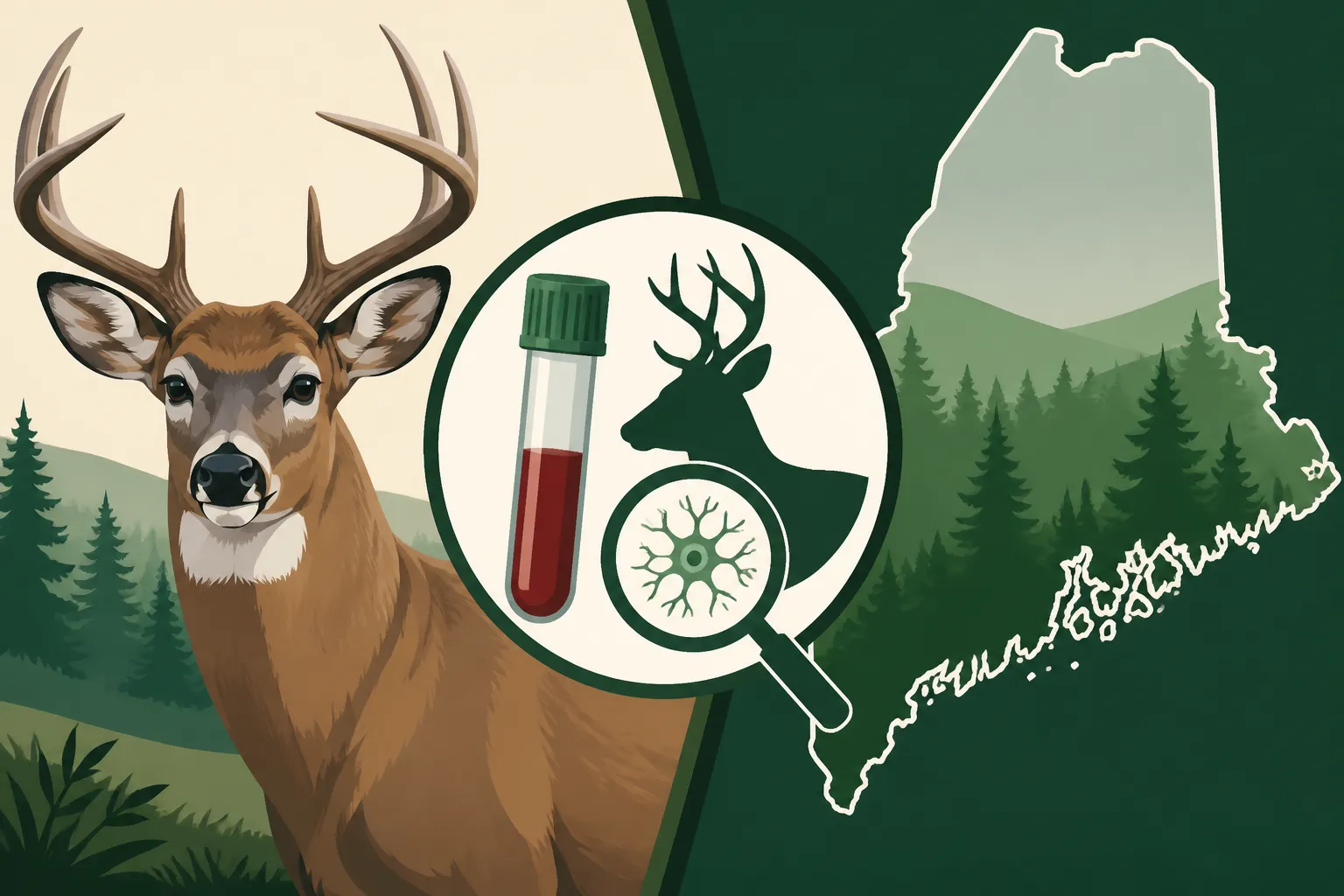
Beyond border control, MDIFW maintains a robust Maine's Chronic Wasting Disease Monitoring program. This involves actively collecting samples from harvested deer and moose each season, especially from animals that appear sick or are found dead. These samples are sent to laboratories for testing, providing a constant surveillance network across the state. It's a proactive approach that aims to catch any potential incursion early, before it can take root and spread. Our state has worked tirelessly to ensure Why CWD Has Never Reached Maine, and maintaining that track record is everyone's responsibility.
Proximity and Persistent Risk
While we celebrate our CWD-free status, it's crucial to acknowledge that we are surrounded by areas where the disease does exist. It's not some far-off, hypothetical threat. CWD has been confirmed in several states to our south and west, and disturbingly, in the Canadian province of Quebec, which shares a border with Maine. This means the disease is literally knocking on our door. When we talk about Maine's Nearest Confirmed CWD Cases, it's not a comfortable conversation because those cases are getting closer.
The continuous movement of animals, albeit mostly within their established ranges, coupled with human-assisted spread (through illegal carcass importation or even contaminated equipment), means the risk is always present. A single deer migrating across a border from an infected area or a hunter unknowingly bringing in an infected carcass part could be all it takes. Just one mistake, one slip in vigilance, could undo everything. This constant threat underscores why complacency is our greatest enemy. The fact that the disease is in neighboring jurisdictions means we can never truly let our guard down.
Why Continued Hunter Participation in Testing is Critical
As hunters, we are often the first and most frequent eyes in the woods. We spend countless hours observing wildlife, understanding their patterns, and noticing when something just isn't right. This unique position makes us absolutely vital in the fight against CWD. Our active participation in testing is not just a suggestion; it's a critical component of Maine's defense strategy.
Early Detection is Our Best Defense
Remember how CWD can incubate for years before symptoms show? That's precisely why early detection through hunter-submitted samples is so important. By the time a deer is obviously sick, the disease has likely been present and spreading for a significant period. Hunter-submitted samples, collected from outwardly healthy-looking animals, provide a snapshot of the herd's health and can reveal the presence of CWD at its earliest stages. This allows wildlife managers to implement targeted containment strategies before the disease becomes widespread and uncontrollable. It’s an "ounce of prevention" approach, and hunters are the key deliverers of that ounce. Without our participation, the window for effective intervention shrinks dramatically.
Imagine the scenario where a deer is harvested, looks completely normal, but a CWD test comes back positive. That's a grim discovery, no doubt, but it's also a victory. It means we've caught it early, before that deer could have further contaminated the environment or spread the disease to countless others. Every sample submitted, even if it comes back negative, adds to our collective confidence that Maine's deer and moose remain healthy.
Protecting Maine's Iconic Wildlife and Hunting Heritage
Our hunting heritage in Maine is deeply intertwined with the health of our wildlife. From the thriving populations of White-Tailed Deer Across Maine that draw so many hunters each fall, to the majestic Moose in Maine's North Woods that are a symbol of our wild character, these animals are fundamental to who we are as a hunting community. A CWD outbreak would not only decimate these populations but could fundamentally alter hunting as we know it. Imagine mandatory testing, carcass restrictions within the state, reduced bag limits, or even closures in certain areas. It's a scenario that keeps wildlife managers and dedicated hunters awake at night.
By participating in CWD testing, we are directly contributing to the long-term health and sustainability of these species. We are acting as stewards, protecting the very resource that provides us with so much joy, challenge, and tradition. Resources like GoHunt can be invaluable in helping hunters stay up-to-date on testing protocols and regulations, ensuring they have the latest information at their fingertips. If we don't protect our herds, there will be no herds to hunt. It's that simple. And frankly, considering the economic impact that deer hunting has across the state, from guides to sporting goods stores, it affects more than just hunters.
The Role of Hunter Education and Compliance
This brings us to the crucial role of hunter education and strict compliance with regulations. Every hunter in Maine, whether a seasoned veteran or a newcomer who just completed their Maine Hunter Education Requirements, has a responsibility to understand and follow CWD prevention guidelines. This means more than just knowing where to attach your tag after harvest. It means understanding the why behind the rules.
When you Reading a Maine Harvest Report or read about new regulations, it’s not just bureaucratic red tape; it's vital information designed to protect our wildlife. It's also about knowing when and how to report a suspicious-looking animal to the Maine Warden Service or MDIFW. Our vigilance in the field is our primary surveillance. By adhering to proper carcass disposal guidelines, especially when processing your deer after a successful hunt, you're preventing potential prion contamination. Whether it’s following the rules for Maine Deer Registration Requirements or understanding the broader context of the Maine Wildlife Disease Monitoring Program, an informed hunter is our strongest ally in this fight.
Practical Steps for Maine Hunters to Help
Okay, so we understand why CWD testing matters. Now, let’s talk about the how. As hunters, we have a direct, active role to play in safeguarding Maine's wild places and the animals that call them home. It’s about being proactive, responsible, and informed.
Where and How to Submit Samples
The MDIFW makes it as straightforward as possible for hunters to submit samples for CWD testing. Throughout the deer and moose seasons, you'll find designated check stations or drop-off points strategically located across the state, particularly in areas considered higher risk or those that need more data. These might be staffed by biologists or wardens on certain days, or they could be self-serve kiosks with clear instructions on how to collect the necessary tissue samples. Typically, MDIFW is looking for the head of a harvested deer or moose, from which they can extract specific lymph nodes that are key for CWD testing.
It’s always a good idea to check the MDIFW website or consult the latest hunting regulations booklet at the start of each season. This will give you the most up-to-date information on sample submission locations, hours of operation, and any specific requests for certain Wildlife Management Districts (WMDs). Don't hesitate to call your regional MDIFW office if you have questions – they want your samples and are happy to help you contribute. Keep your eyes peeled on resources like GoHunt, which often compile and update this kind of practical information for hunters.
Responsible Carcass Handling and Disposal
This is perhaps one of the most critical prevention measures, especially for hunters traveling from out of state, or even within Maine if CWD were ever detected here. As mentioned earlier, Maine has strict regulations about importing whole carcasses or high-risk parts from CWD-positive areas. The rule of thumb is: only bring back deboned meat, clean skull plates, hides without the head, and finished taxidermy products. This significantly reduces the chance of bringing infected prions across our borders.
Once you’ve harvested an animal, responsible carcass disposal is paramount. If you've butchered your deer in the field, leave any high-risk parts (brain, spinal cord) there, scattered in a way that scavengers can access and break down. If you process the animal at home or at camp, avoid placing carcass waste in areas where other cervids might come into contact with it. The best option for high-risk tissues not left in the field is usually a permitted landfill, where the prions can be buried and contained, preventing environmental contamination. Never simply dump carcass parts in the woods or along a roadside ditch. That’s how diseases spread, and it's simply not responsible stewardship.
Staying Informed and Reporting Suspect Animals
Beyond testing and proper disposal, your active observation in the field is invaluable. You are the eyes and ears of our wildlife management efforts. Take the time to familiarize yourself with the signs of CWD, even if they're rare or non-existent here (which is a good thing!). Look for animals that show:
- Emaciation (wasting away): This is where the "wasting" in CWD comes from.
- Abnormal behavior: Listlessness, blank stares, walking in circles, holding head in unusual posture.
- Excessive drooling and salivation: Often seen as wet fur around the mouth and neck.
- Difficulty swallowing: Which contributes to the drooling and wasting.
If you ever see a deer or moose exhibiting these kinds of symptoms, do not approach or handle the animal. Instead, immediately contact the Maine Warden Service or MDIFW. Provide them with as much detail as possible, including the exact location, time of day, and a description of the animal's behavior. Your prompt report could be the critical piece of information that prevents an outbreak. Being knowledgeable about what the Maine Wildlife Disease Monitoring Program is looking for can truly make a difference.
Important Disclaimer
The information provided in this article is for general guidance and informational purposes only. While we strive to provide accurate and up-to-date content, hunting regulations, seasons, and wildlife disease protocols can change. Always consult the official Maine Department of Inland Fisheries and Wildlife (MDIFW) website or their current hunting and trapping rulebook for the most accurate and legally binding information before engaging in any hunting activities. Your safety and compliance with all laws are your responsibility.