Black Bears in Maine
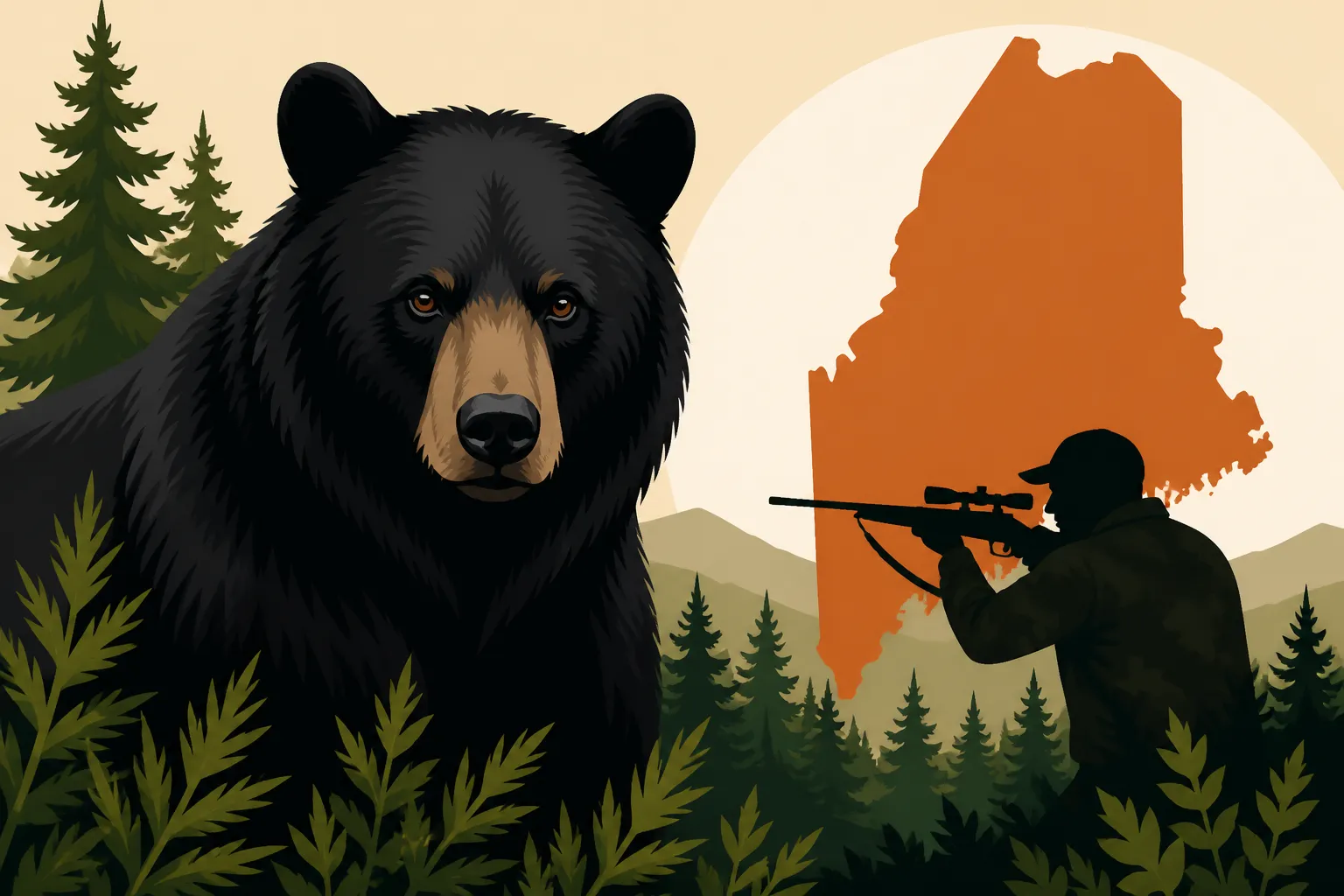
The thought of a black bear in Maine often brings mixed feelings for folks: a deep appreciation for their wildness, perhaps a bit of trepidation if you've ever had a close encounter, and for hunters, the challenge of pursuing such an intelligent and resilient animal. It's easy to get lost in conflicting information or anecdotal tales about these creatures. This guide aims to clear up some of that confusion, diving deep into Maine's black bear population, their habits, critical habitat, and the robust management strategies that ensure they thrive in our beautiful state for generations to come.
Maine's Robust Black Bear Population
When you think of wild Maine, black bears are undoubtedly a cornerstone of that image. They are an integral part of our ecosystem, and thankfully, their numbers here are not just stable, they're truly impressive. This isn't by accident; it's the result of carefully managed conservation efforts and a landscape that provides everything a bear could ever need.
How Many Black Bears Live in Maine
Maine is a true stronghold for black bears, boasting one of the largest and healthiest populations in the eastern United States. Current estimates from the Maine Department of Inland Fisheries and Wildlife (MDIFW) place the population anywhere from 30,000 to 35,000 bears. These numbers have shown a steady increase over the past few decades, a testament to successful management and abundant habitat. You'll find bear densities varying quite a bit across the state; they're generally more concentrated in the vast forested regions of the North Woods and Western Mountains, though their range extends throughout nearly all of mainland Maine. It's a far cry from the historically lower numbers, and a source of pride for those dedicated to wildlife conservation. Understanding these numbers is key to appreciating the hunting opportunities we have. You can delve deeper into the specifics of these estimates by reading about Maine Bear Population Estimate.
Maine's Rank Among Bear Hunting States
When hunters talk about prime black bear country, Maine often comes up in the conversation, and for good reason. Our state consistently ranks among the top in the nation for black bear populations and harvest numbers, making it a premier destination for bear hunting. This isn't just about raw numbers; it's about the quality of the hunting experience and the sustained success rates that draw hunters from all over. The sheer expanse of wildland available, coupled with a well-regulated season, means that Maine offers consistent opportunities. For many, it's a bucket list hunt, and our reputation is well-earned. We’re not just holding our own; we're often leading the pack when it comes to healthy bear numbers and the incredible hunting opportunities they provide. For a broader perspective on this, consider exploring Maine's Rank Among Bear Hunting States.
Maine Bear Harvest Numbers and Trends
Tracking the annual harvest of black bears is a critical component of Maine's bear management strategy. These numbers provide invaluable insights into population health, distribution, and the effectiveness of current regulations. Over recent years, Maine's bear harvest has remained robust, reflecting the healthy and growing population. On average, hunters harvest between 3,000 and 4,000 bears annually, though these numbers can fluctuate based on factors like food availability and hunting pressure.
What's particularly interesting is how these harvest numbers break down by hunting method. Bait hunting typically accounts for the largest portion of the harvest, followed by hunting with hounds, and then trapping. Still-hunting, while a challenging and rewarding method, contributes a smaller percentage to the overall harvest. This breakdown helps MDIFW understand hunter effort and success across different strategies. For instance, if a particular method sees a significant drop in success, it might prompt a closer look at local bear populations or environmental factors. It’s all part of a dynamic system designed to keep the bear population thriving while offering consistent hunting opportunities. More detailed statistics can be found in discussions around Maine Bear Harvest Numbers by Method.
Understanding Maine Bear Habitat and Behavior
Black bears are incredibly adaptable creatures, which is a major reason why they thrive in Maine. However, their presence isn't random; it's deeply tied to the availability of specific types of habitat and their seasonal behavioral patterns driven largely by food. If you want to understand bears, whether for observation or hunting, you need to think like a bear and understand their annual rhythm.
Preferred Habitats Across the State
Maine's landscape offers a diverse mosaic of habitats that perfectly suit black bears. You'll find them widely distributed throughout the state, but certain areas truly stand out. The vast, unbroken expanses of the North Woods, with its dense mixed-growth forests, cedar swamps, and regenerating clear-cuts, are prime bear country. These areas provide ample cover for bedding, denning, and travel, along with a rich variety of natural food sources. Further south and west, the mixed forests and mountain slopes of the Western Maine Mountains also support healthy bear populations, often interspersed with active timberlands and even some agricultural edges.
Bears are masters of utilizing different environments as seasons change. In spring, they emerge from dens, often seeking green browse in newly sprouted clearings or along streams. As summer progresses, they shift their focus to berry patches—think wild raspberries and blueberries in old fields or regenerating forests. Come fall, their attention turns to hard mast, like acorns and beechnuts, or agricultural fields where corn might be available. Swamps and wetlands provide critical refuge and moisture during dry spells, and their dense cover is often used for daytime bedding. Understanding these preferences is key to locating bears, whether you're scouting or actively hunting.
Seasonal Bear Activity and Denning Habits
A black bear's life in Maine is a year-round cycle dictated by the seasons, especially the availability of food. When spring arrives, typically in April or early May, bears emerge from their dens, often lean and hungry after months of hibernation. Their initial focus is on easily digestible green vegetation and carrion left from the winter. As spring transitions to early summer, they begin to seek out insects, grubs, and the earliest ripening berries.
Mid-to-late summer sees a peak in berry production, drawing bears to blueberry barrens, old fields, and regenerating cuts. This is a critical time for them to put on weight. Then comes fall, a period known as hyperphagia, where bears enter an intense feeding frenzy. They can spend up to 20 hours a day foraging, consuming enormous amounts of calories from acorns, beechnuts, apples, and agricultural crops to build up fat reserves for the coming winter. This intense feeding prepares them for denning, which usually begins in late November or early December. They seek out secure, insulated spots—often hollow logs, rock crevices, or thick brush piles—to spend the coldest months. Learning more about their winter slumber can be found when looking into Maine Black Bear Denning Habits.
Bear Diet and Foraging Patterns
Black bears are true omnivores, and their diet in Maine is incredibly diverse, shifting with the seasons to capitalize on whatever food sources are most abundant. This dietary flexibility is a huge advantage, allowing them to thrive even when specific food crops might fail. In spring, as they emerge from their dens, their diet consists of new green growth, tender grasses, sedges, and any carrion they might find from winter-killed animals. They’ll also root for grubs and insects, flipping over rocks and logs with surprising strength.
As summer unfolds, berries become a primary food source. Wild raspberries, blueberries, blackberries, and chokecherries are all high on their menu, drawing them to open, sun-drenched areas like clear-cuts, old fields, and powerline corridors. Later in the summer and into fall, hard mast—acorns from oak trees and beechnuts from beech trees—becomes vitally important. These calorie-rich foods are crucial for bears to build up the thick layer of fat they need to survive winter hibernation. They will spend countless hours foraging in hardwood ridges, sometimes traveling significant distances to find a good mast crop. Additionally, bears aren't shy about taking advantage of agricultural fields, particularly cornfields in late summer, or even seeking out apples in abandoned orchards. This constant search for food drives much of their daily movement and activity patterns.
Maine's Comprehensive Bear Management Strategy
Maine's black bear population isn't just thriving by chance; it's the direct result of a proactive, science-based management strategy implemented by the Maine Department of Inland Fisheries and Wildlife (MDIFW). This strategy is a delicate balance, aiming to maintain a healthy bear population, provide hunting opportunities, and minimize human-bear conflicts. It's a complex endeavor that requires continuous monitoring and adaptation.
The Role of IFW in Bear Conservation
The Maine Department of Inland Fisheries and Wildlife (MDIFW) stands at the forefront of bear conservation in our state. Their approach is rooted in sound scientific research and data collection, ensuring that management decisions are well-informed and effective. MDIFW biologists conduct extensive field studies, including trapping and collaring bears to track their movements, reproductive rates, and survival. They also analyze harvest data from hunters, which provides critical information on population demographics, such as age and sex ratios.
This continuous monitoring allows MDIFW to develop sophisticated population models, predicting how bear numbers might change under different scenarios. Based on these models and ongoing research, they make recommendations for hunting season lengths, bag limits, and specific hunting methods. The goal is always to manage the bear population sustainably, ensuring its health for future generations while also considering the social and economic impacts of bears on the landscape. It's a comprehensive, long-term commitment that has proven incredibly successful.
Balancing Population Control and Public Safety
One of the most challenging aspects of managing a healthy bear population is striking the right balance between robust wildlife numbers and public safety. As bear populations expand and human development encroaches on traditional bear habitats, encounters between bears and people become more frequent. MDIFW actively works to mitigate these conflicts through various strategies.
Hunting, particularly through the use of methods like baiting and hounds, is a primary tool for population control, especially in areas where bear densities are higher or where nuisance issues are more prevalent. By providing regulated hunting opportunities, MDIFW helps to stabilize bear numbers, reducing the likelihood of conflicts in residential areas, agricultural lands, and campgrounds. Beyond hunting, MDIFW also focuses heavily on public education. They provide guidance on how to avoid attracting bears to residential areas, such as securing garbage, cleaning grills, and removing bird feeders. These proactive measures empower residents to coexist more safely with bears, reducing the need for reactive interventions. It’s a multi-pronged approach designed to foster a healthy coexistence between people and our wild neighbors.
The Importance of Harvest Data
Every bear harvested in Maine contributes a vital piece of information to the MDIFW's ongoing management efforts. When a hunter successfully takes a bear, the requirement to register the animal at a designated check station or through the online system isn't just a bureaucratic step—it's a fundamental part of wildlife science. At these check stations, biologists or trained personnel collect crucial data points, including the bear's sex, weight, and a small tooth from the lower jaw.
This tooth, once extracted and aged in a lab, reveals the bear's precise age. By analyzing thousands of these data points each year, MDIFW can determine the age structure of the population, estimate reproductive rates, and track overall population health. If a particular age class appears to be underrepresented, or if average weights show a decline, it can signal environmental changes or shifts in population dynamics that require attention. This harvest data, combined with field research, forms the bedrock of Maine's adaptive bear management strategy, allowing biologists to make informed decisions that ensure the long-term sustainability of the population. Understanding the steps involved in reporting a harvest can be explored further in Handling a Bear Harvest Check-In.
The Three Legal Methods for Hunting Black Bears in Maine
Maine is unique in that it offers three distinct, legal methods for hunting black bears: over bait, with hounds, and through trapping. Each method requires a specific permit in addition to your general hunting license and has its own set of rules, challenges, and rewards. These diverse methods allow for different hunting experiences and contribute to the state's comprehensive bear management strategy.
Hunting Bear Over Bait
Hunting bear over bait is, by far, the most popular and often the most successful method in Maine. This involves establishing a legal bait site at least 10 days before hunting over it, placing specific approved foods in an area where bears frequently travel. The bait site helps to concentrate bears, habituate them to a specific location, and allows hunters to observe bears for identification and a responsible shot. The season for bait hunting typically runs from late August through late September.
Hunters usually set up tree stands or ground blinds overlooking the bait site, often a good distance away for safety and to minimize detection. This method requires significant pre-season scouting and effort to establish and maintain active bait sites, often involving considerable time and expense. It's a waiting game, demanding patience and stillness, but it offers a unique opportunity to observe bears up close and personal, studying their behavior before making a decision. Many outfitters specialize in guided bait hunts, providing well-established sites and expert knowledge. The specific rules for this method, including what constitutes legal bait, are quite detailed, and knowing them is paramount. For those interested, a deep dive into Baiting Black Bears Legally in Maine is essential, and understanding When Maine's Bear Bait Season Closes is crucial for planning your hunt.
Hunting Bear With Hounds
For those who crave a more active, physically demanding hunt, pursuing bears with hounds offers an adrenaline-pumping experience. This method involves using specially trained dogs to track and tree or bay a bear. The hound season in Maine typically kicks off in early September, running through October. It's a tradition deeply rooted in Maine's hunting heritage, requiring a special permit and often the assistance of experienced guides and their dog teams.
A typical hound hunt begins with locating fresh bear sign, often through scouting or by driving remote logging roads. Once a fresh track is found, the hounds are released, picking up the scent and pursuing the bear. The chase can be long and arduous, covering miles of rugged terrain as the dogs push the bear until it eventually climbs a tree or corners itself on the ground, known as baying. Hunters then track the dogs using GPS collars, hiking through dense cover to reach the treed or bayed bear. This method offers a thrilling, immersive experience in the wild, but it demands excellent physical conditioning and a respect for the trained dogs. It's a far cry from sitting in a stand, requiring constant movement and quick decisions. To learn more about this exciting method, check out Hunting Bear With Hounds in Maine, and plan your hunt according to When Maine's Bear Hound Season Closes.
Trapping Black Bears
Black bear trapping in Maine is a highly specialized and regulated method, requiring a specific trapping license and a thorough understanding of bear behavior and trap placement. This season typically runs from early September through the end of October. Unlike other forms of trapping, bear trapping almost exclusively involves the use of large cage traps or specific types of foot-hold traps designed to hold the bear safely and humanely until the trapper arrives.
Trappers must meticulously scout areas for bear activity, identify travel corridors, and select trap sites that are both effective and secure. Bait is often used within the trap to lure the bear. Once a bear is caught, the trapper must follow strict protocols for checking the trap, dispatching the bear, and registering it. This method demands a high level of skill, responsibility, and commitment, as traps must be checked regularly, and the welfare of the animal is paramount. It's a method that contributes significantly to the bear harvest and population management but is often misunderstood by the general public. For those serious about this unique challenge, familiarizing yourself with Trapping Black Bears in Maine is crucial, as are the specific Maine Bear Trapping Season Dates.
Key Regulations and Licensing for Maine Bear Hunters
Navigating the rules and regulations for hunting black bears in Maine can feel a bit daunting, especially for those new to the state or specific hunting methods. It’s not just about knowing when to hunt, but also what permits you need, what weapons are legal, and how to properly report your harvest. Getting it right ensures a legal and ethical hunt, contributing to the overall health of Maine's wildlife.
Essential Licenses and Permits
Before you even think about heading into the woods for bears, you need to ensure all your paperwork is in order. Every bear hunter in Maine, resident or nonresident, must first possess a valid Maine hunting license. This is your fundamental entry ticket to any hunting activity in the state. On top of that, to hunt black bears specifically, you'll need to purchase a Maine bear hunting permit. This permit is an additional fee that helps fund bear research and management efforts.
Beyond the general hunting license and bear permit, if you plan to use bait, hounds, or traps, you'll need specific permits for those methods. For example, to hunt over bait, you need a bear baiting permit. To hunt with hounds, you need a bear hound permit. And for trapping, a bear trapping permit is required, in addition to a general trapping license. It's easy to get tangled in the details, but resources like GoHunt can often be incredibly helpful in researching licensing requirements and permit applications, making sure you don't miss any crucial deadlines or overlooked fees. Always double-check the current year's regulations directly with the MDIFW to ensure compliance. You can also gain a foundational understanding by reviewing Maine Hunting Licenses and What They Cost and specifically, Maine Bear Hunting Permit Requirements.
Season Dates and Bag Limits
Maine's black bear season is a staggered affair, designed to provide diverse hunting opportunities while effectively managing the population. The season typically opens with bear bait hunting in late August and runs through the end of September. The bear hound hunting season usually starts shortly after, beginning in early September and continuing through October. Finally, bear trapping also kicks off in early September and extends through October. There are also specific periods for still-hunting bears without bait or hounds, often overlapping with deer archery and firearms seasons.
One of the unique aspects of Maine's bear hunting is its two-bear bag limit for certain license holders. Generally, a hunter with a valid bear permit can harvest one bear per calendar year. However, if you possess a valid trapping license and a bear trapping permit, you are eligible to harvest a second bear specifically by trapping. This provision primarily aims to increase harvest opportunities and aid in population management. It's a distinct feature that sets Maine apart from many other states. Always consult the official MDIFW hunting law book for the precise dates, as they can shift slightly year to year. A comprehensive overview of these seasons can be found under Maine's Three-Method Bear Season, and details about the multi-bear harvest are explained in Maine's Two-Bear Bag Limit Explained.
Legal Weapons and Other Equipment
When preparing for a black bear hunt in Maine, selecting the right legal weapon and ensuring you have the necessary equipment is paramount for a safe and successful experience. For firearms, most centerfire rifles are legal and commonly used, particularly those chambered in cartridges capable of delivering sufficient energy for a clean kill, like .30-06, .308, or .45-70. Shotguns loaded with slugs are also permissible. Archery hunters must use bows with a minimum draw weight and specific arrow and broadhead requirements; crossbows are also legal during the archery seasons for those who meet eligibility. Muzzleloaders are also an option during designated seasons, requiring specific calibers and projectile types. It's crucial to consult the current MDIFW regulations for precise specifications on all legal weapons.
Beyond the weapon itself, other equipment is essential. Adequate optics, such as binoculars or a quality scope, are vital for identifying bears and ensuring a humane shot. Blaze orange requirements apply during certain overlapping seasons, especially during the firearms deer season, so always check if you need to wear it. A good knife, game bags, a sturdy pack, and a reliable headlamp are indispensable for field dressing and extraction. For those hunting with hounds, GPS collars for dogs and their handheld units are critical safety and tracking tools. Regardless of your chosen method, prioritizing safe, ethical, and legal equipment use will define your success.
Conservation Efforts and Future of Maine Bears
The robust black bear population we enjoy in Maine today is no accident; it's the result of ongoing, dedicated conservation efforts. But conservation isn't a static concept. It requires continuous adaptation, research, and foresight to address new challenges and ensure the long-term health of our bear population.
Habitat Preservation and Management
The cornerstone of Maine's thriving black bear population is the sheer abundance and quality of its habitat. Large, contiguous tracts of mixed forest, critical wetlands, and diverse food sources are what allow bears to flourish. Recognizing this, habitat preservation and intelligent management are ongoing priorities. While many bears inhabit the vast North Maine Woods, much of which is industrial timberland, responsible forestry practices often benefit bears by creating a mosaic of regenerating clear-cuts (providing berries) and mature stands (offering cover and den sites).
Conservation organizations play a vital role in protecting critical bear habitat through land acquisition and conservation easements. Groups like the Forest Society of Maine or the Appalachian Mountain Club work to ensure that large tracts of land remain undeveloped and accessible to wildlife. State agencies, in conjunction with private landowners and timber companies, also engage in habitat improvement projects, such as planting specific food trees or managing forest stands to enhance mast production. These efforts are crucial because without adequate, connected habitat, even the best population management strategies would falter.
Research and Monitoring Programs
Maine's black bear management is deeply rooted in scientific research and continuous monitoring, serving as the eyes and ears of MDIFW biologists. These programs are far from theoretical; they're active, hands-on endeavors conducted year-round by dedicated professionals. For instance, biologists regularly trap bears to fit them with GPS collars, allowing them to track movements, home ranges, and habitat use patterns. This data reveals vital information about denning sites, foraging areas, and how bears navigate human-modified landscapes.
Beyond GPS telemetry, MDIFW conducts den checks on collared sows, providing invaluable data on reproductive rates, cub survival, and overall bear health. They also gather DNA samples from hair snares and collected biological samples to assess genetic diversity and population connectivity. All of this research feeds into sophisticated population models, allowing biologists to predict population trends and adjust management strategies accordingly. Platforms like GoHunt also play a part in informing hunters about ongoing research and how their participation in reporting harvests contributes to these crucial programs, creating a synergistic relationship between hunters and conservationists. This commitment to robust, long-term research is what allows Maine to maintain such a healthy and well-managed bear population.
Challenges and Opportunities for Maine's Bear Population
Despite their current success, Maine's black bear population faces both ongoing challenges and exciting opportunities for future generations. One of the primary challenges is habitat fragmentation. While Maine still boasts vast wildlands, increasing development, particularly in southern and coastal areas, can break up traditional bear corridors and reduce the amount of undisturbed habitat available. Climate change also presents a potential challenge, as shifts in weather patterns could impact key food sources like berries and mast crops, influencing bear health and reproductive success.
However, these challenges also create opportunities. Maine has a strong tradition of conservation and a willingness to adapt management strategies. There's an ongoing opportunity for collaboration between state agencies, private landowners, and conservation groups to secure critical habitat through easements and responsible land use planning. Public education about coexistence is another key area, reducing human-bear conflicts and fostering a greater appreciation for these animals. The continued interest from hunters, who contribute significantly through license fees and participation in data collection, also provides a vital funding and information source for bear management. By proactively addressing these challenges and capitalizing on opportunities, Maine can ensure its black bear population remains robust and healthy far into the future.
Dispelling Common Myths About Maine's Black Bears
Black bears, like many large predators, are often the subject of misconceptions and fear-driven myths. While it's wise to respect their power and wild nature, understanding the reality of their behavior is crucial for safe coexistence and ethical hunting. Let's tackle some of the most common tall tales circulating about Maine's black bears.
Bears Are Aggressive and Dangerous
Perhaps the most pervasive myth about black bears is that they are inherently aggressive and pose a significant threat to humans. In reality, black bears are typically shy, reclusive, and prefer to avoid human interaction whenever possible. Their primary instinct when encountering a human is usually to flee. Most "aggressive" encounters are actually defensive behaviors, often by a sow protecting her cubs or a bear feeling cornered or threatened. They might bluff charge, swat the ground, or make huffing noises, but these are almost always warnings, not precursors to an attack.
Fatal attacks by black bears are exceedingly rare, especially when compared to other wildlife encounters. The vast majority of human-bear conflicts stem from bears seeking out human-provided food sources like garbage, bird feeders, or pet food, which leads to habituation, not aggression. While caution and respect are always warranted in bear country, fearing every rustle in the woods as a lurking, bloodthirsty bear is simply not an accurate portrayal of these generally timid animals. Understanding the difference between defensive and predatory behavior is key to safely enjoying Maine's outdoors.
All Bears are the Same
It's easy to generalize about bears, but the truth is, not all black bears are created equal. Just like people, individual bears have distinct personalities, varying levels of boldness, and different life experiences that shape their behavior. A young, naive bear might be more curious, while an older, experienced sow might be incredibly wary and elusive. Their size, physical condition, and even their fur color can vary widely depending on genetics, age, and nutritional status.
Furthermore, a bear's behavior can change significantly based on its location and history. A bear living deep in the remote North Woods, rarely encountering humans, will likely react very differently to human presence than a bear that has become habituated to raiding garbage cans on the edge of a small town. Factors like food availability, the presence of cubs, and previous encounters with humans (positive or negative) all contribute to an individual bear's temperament and actions. Understanding these nuances is crucial for ethical hunting, and resources found on platforms like GoHunt can further educate hunters on bear biology and behavior, helping to distinguish between a truly wild, wary bear and one that might be accustomed to human presence.
Overpopulation or Underpopulation Concerns
You'll often hear strong opinions from different camps: some claim Maine is overrun with bears, others worry about their numbers. The reality, as always, lies in the data and the scientific management strategy of MDIFW. Anecdotal sightings or a few nuisance bears in a specific area can lead to the impression of "too many bears," while a quiet season might spark fears of "not enough."
However, MDIFW's extensive research and monitoring programs, including population estimates, harvest data analysis, and reproductive studies, consistently show a healthy and growing black bear population across Maine. The management goal isn't to eliminate bears or allow them to explode unchecked; it's to maintain a stable, viable population that is ecologically sound and minimizes human-bear conflict. The hunting seasons and regulations are carefully calibrated each year to achieve this balance. So, while local fluctuations and individual experiences are real, the overall picture, supported by decades of scientific data, points to a successfully managed and thriving black bear population, neither overpopulated nor underpopulated from a biological standpoint.
Comparing Maine's Bear Hunting Methods
Understanding the nuances of each bear hunting method is key to choosing the right experience for you. This table offers a quick comparison of the three primary legal methods in Maine.
| Feature | Hunting Over Bait | Hunting With Hounds | Trapping Black Bears |
|---|---|---|---|
| Typical Season | Late August – late September | Early September – late October | Early September – late October |
| Primary Skill | Patience, scent control, stand placement, bait maintenance | Physical fitness, tracking, dog handling (often guided) | Extensive scouting, trap setting/securing, knowledge of bear movement |
| Physical Demand | Low to moderate (setting bait, walking to stand) | High (long hikes through rugged terrain) | Moderate (setting heavy traps, scouting) |
| Time Commitment | Significant pre-season (bait setup), daily during hunt | Varies (can be single-day hunt or multi-day pursuit) | Daily trap checks required, significant pre-season scouting |
| Cost | Moderate to high (bait, gear, possibly guide fee) | High (guide fees, dog expenses, specialized gear) | Moderate to high (traps, gear, specialized knowledge) |
| Success Rate | Generally highest | High (if with experienced hound handler) | Moderate (highly dependent on skill and location) |
| Ethical Aspect | Allows close observation and shot placement, specific regulations on bait content. | Direct pursuit, physical challenge, welfare of dogs is key. | Humane dispatch, daily checks to minimize stress, specific trap types. |
| Experience | Observation, stillness, anticipation | Active pursuit, thrilling chase, immersion in the wild | Strategic planning, deep knowledge of bear sign and territory |
Disclaimer
Please remember that hunting regulations, season dates, and licensing requirements can change. Always consult the most current official Maine Department of Inland Fisheries and Wildlife (MDIFW) regulations before planning any hunting activity. This guide is for informational purposes only and should not be considered legal advice.