What Moose Density Reduction Aims to Fix
The sight of a majestic moose is iconic in Maine, but for years, our moose population, particularly in certain regions, has faced a devastating threat: the winter tick. This tiny parasite, thriving in changing climatic conditions, is having a profound impact, especially on calves, leading to widespread concern among wildlife biologists and hunters alike. This guide dives deep into why Maine has implemented moose density reduction strategies and what these efforts truly aim to fix for the long-term health of our beloved moose.
The Alarming Impact of Winter Ticks on Maine Moose
It's a tough reality to face, but the primary driver behind Maine's moose density reduction efforts is the relentless assault of winter ticks. These parasites are not just a nuisance; they are a significant mortality factor, particularly for young moose, threatening the sustainability of the herd in several key areas. Understanding this threat is crucial to grasping the need for intervention.
The Life Cycle and Devastation of the Winter Tick
Winter ticks, unlike deer ticks, spend their entire parasitic life cycle on one host. In the fall, tiny larvae climb vegetation, waiting for a host to brush by. When a moose picks up thousands, sometimes tens of thousands, of these ticks, they embed and feed throughout the winter. By spring, engorged adult ticks drop off to lay eggs. For adult moose, a heavy tick load causes significant blood loss and can lead to hair loss from constant scratching, leaving them vulnerable to the cold. However, it's the calves that truly suffer the most.
Imagine a moose calf, born in spring, trying to navigate its first winter carrying 50,000, 70,000, or even 100,000 ticks. The sheer volume of blood loss is staggering, weakening the calves to the point of emaciation and often leading to death. This phenomenon, where calves are literally bled dry by ticks, is why you often hear discussions about Why Winter Ticks Are Killing Maine Moose Calves. Studies have shown that some years, calf survival rates can plummet to alarmingly low levels in heavily infested areas, skewing the age structure of the herd and reducing future breeding potential. This isn't just a grim statistic; it's a real threat to the future of moose hunting in Maine.
Environmental Factors Exacerbating the Tick Problem
The rise of the winter tick isn't solely a biological issue; it's intricately linked to environmental changes. Milder winters, with less sustained deep snow cover, mean that more adult ticks survive the cold and successfully lay eggs in the spring. This creates a larger population of larvae the following fall, perpetuating a vicious cycle. Longer autumns also provide more time for moose to pick up ticks as they browse.
Compounding this, in areas with higher moose densities, the likelihood of a tick larva finding a host increases dramatically. It's a simple numbers game: more moose in a given area mean more opportunities for ticks to latch on, leading to heavier infestations for individual animals. This critical link between population density and tick prevalence is what makes management strategies like density reduction so vital for the long-term health of Moose in Maine's North Woods. Without intervention, the natural balance can tip, leading to a downward spiral for the herd.
Understanding Moose Density Reduction Strategies
Given the severe impact of winter ticks, wildlife managers in Maine have turned to active management strategies to reduce moose density in specific regions. This isn't about eradicating moose; it's about rebalancing the population to a healthier level that the ecosystem can sustain, thereby breaking the winter tick cycle.
The Science Behind Targeted Reduction
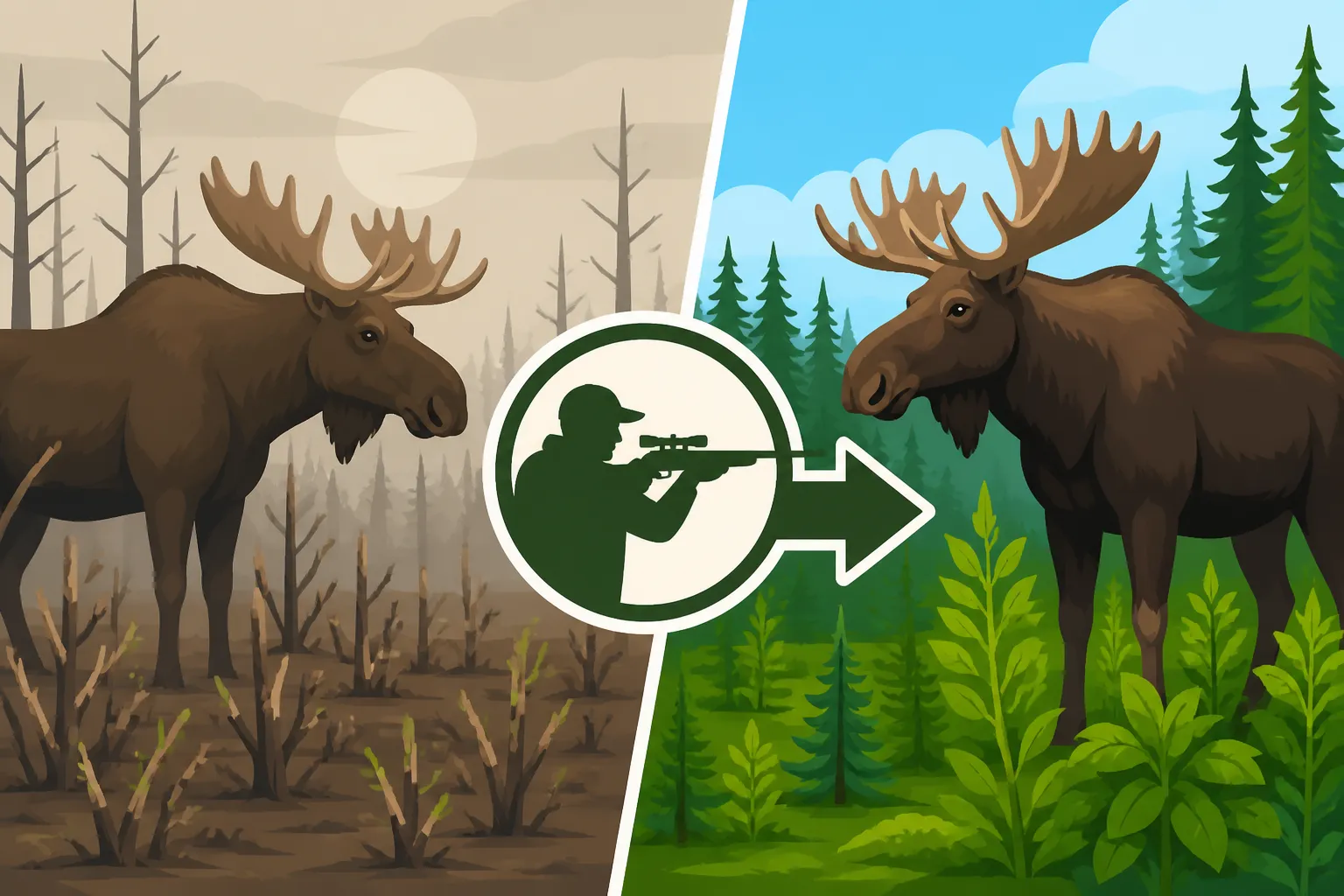
The core principle behind moose density reduction is that fewer hosts mean fewer ticks. By reducing the number of moose in an affected area, the goal is to significantly lower the overall tick burden on the remaining population. This leads to higher survival rates for calves, allowing more young moose to reach adulthood and contribute to a healthier, more resilient herd. It's a proactive measure designed to prevent catastrophic population declines.
This approach is highly localized. It's not a statewide blanket reduction. Instead, it focuses on specific Wildlife Management Districts (WMDs) where tick-induced mortality is highest and moose populations are above sustainable levels. For example, some WMDs in northern and western Maine have seen a substantial increase in "any-moose" permits (allowing hunters to take either a bull or a cow), specifically to bring down cow moose numbers and, consequently, reproductive output. This is a deliberate, science-driven effort to restore ecological balance, a cornerstone of Maine's Moose Density Reduction Study.
How Permit Allocations Drive Reduction Efforts
The primary tool for managing moose density is through the allocation of moose permits in the annual Maine Moose Lottery. In WMDs identified for reduction, the number of permits, particularly those for antlerless moose, is increased. This gives hunters more opportunities to harvest a cow moose, which directly impacts the reproductive potential of the herd. The idea is to adjust the hunting pressure strategically to meet conservation goals.
When applying for a permit through the Maine Moose Lottery Application Process, applicants might notice that certain WMDs have significantly higher numbers of available permits than others. This isn't random; it reflects the department's strategic approach to managing regional populations. For hunters interested in participating, understanding these nuances is crucial. Tools like GoHunt can be invaluable for analyzing permit statistics and success rates by WMD, helping you make informed choices during the application period by visualizing specific zone data, like those mentioned in What a Drawn Moose Zone Assignment Means.
The Desired Outcomes of Density Management
So, what's the ultimate goal of all these efforts? It's not simply to reduce moose numbers, but to foster a healthier, more robust moose population that can naturally withstand environmental challenges, including future fluctuations in tick prevalence. It's about ensuring the future of moose in Maine.
Healthier Moose and Increased Calf Survival
The most immediate and critical aim of moose density reduction is to improve the overall health of individual moose and, especially, to boost calf survival rates. When there are fewer moose in a given area, each animal is less likely to pick up a devastating number of winter ticks. This means:
- Less Blood Loss: Calves, in particular, will suffer less from anemia, giving them a much better chance to survive their first winter. They will have more energy to grow and develop, rather than fighting off parasites.
- Improved Body Condition: Adults and calves alike will have more resources (food, less stress) and less energy diverted to fighting off tick infestations, leading to better body fat reserves for winter and stronger immune systems. This prepares them for the rigors of Maine's cold season.
- Reduced Hair Loss: Fewer ticks mean less intense scratching, allowing moose to retain their protective winter coats, which is vital for thermoregulation in cold Maine winters. A moose with a full coat is a warmer, healthier moose.
Ultimately, these factors combine to create a moose population that is more resilient and capable of thriving, with a healthier age structure due to more calves reaching maturity. This directly addresses the core problem of Why Moose Calves Die From Winter Ticks and strengthens the overall herd.
Long-Term Population Stability and Ecosystem Balance
Beyond individual animal health, density reduction aims for long-term population stability and a healthier ecosystem balance. A moose population that is constantly battling high tick loads is a stressed population, vulnerable to other diseases and less able to reproduce effectively. This creates a ripple effect throughout their habitat.
By bringing populations down to a sustainable carrying capacity, managers hope to:
- Break the Tick Cycle: Fewer moose hosts mean fewer ticks surviving to lay eggs, which in turn reduces the tick population pressure in subsequent years. This creates a more sustainable dynamic where the ticks aren't overwhelming the moose, leading to a healthier Moose Habitat in the North Woods.
- Sustainable Harvest: A healthier population, with robust calf recruitment, ensures that Maine can continue to have a well-managed moose hunt for generations to come. This aligns with responsible wildlife stewardship, where human interaction (through regulated hunting) plays a crucial role in maintaining ecological health.
- Broader Ecological Benefits: Moose are keystone species, and their health impacts other aspects of the forest ecosystem, including vegetation and other wildlife. A healthier moose population contributes to the overall vitality of Maine's forests.
Challenges and Perspectives on Moose Management
Moose density reduction, while rooted in science, isn't without its complexities. Public perception, economic considerations, and the inherent challenges of managing wildlife in a dynamic environment all play a role in its implementation and success.
Balancing Public Perception and Scientific Imperative
For many, the thought of deliberately reducing a moose population can be counterintuitive, especially for a species as beloved as the moose. Hunters often value large animals and high populations. However, wildlife biologists face the difficult task of communicating the long-term benefits of these strategies. It's about explaining that the goal isn't simply fewer moose, but healthier moose in the long run.
The scientific data, particularly from extensive studies like those referenced in Maine's Chronic Wasting Disease Monitoring (though CWD-free, Maine's approach to disease monitoring is rigorous) and specific moose research, overwhelmingly supports the connection between density, winter ticks, and moose mortality. The challenge is translating that complex scientific understanding into a message that resonates with the public, helping them understand that sometimes, tough decisions are necessary for the greater good of the species. This involves transparent reporting on Maine Moose Population Estimate and explaining how specific WMD changes relate to overall population health.
Economic and Practical Considerations
Implementing density reduction also comes with practical and economic considerations. The state relies on the moose lottery and hunting permits for funding conservation efforts, and changes to permit numbers can affect revenue streams. Additionally, managing the logistics of increased harvest in remote WMDs can be a challenge. Hunters play a crucial role in this management, serving as the primary tool for population control.
Consider the effort involved in Getting a Moose Out of the North Woods; an increased harvest means more hunters undertaking these significant tasks. For non-residents, understanding Maine Moose Permit Cost for Nonresidents and other fees becomes part of the planning. The successful execution of these strategies requires robust infrastructure, accurate data collection, and ongoing collaboration between wildlife agencies, landowners (especially in the vast North Maine Woods), and the hunting community. Platforms like GoHunt can assist hunters in pre-scouting and understanding access points in these expansive areas.
The Road Ahead: Ongoing Monitoring and Adaptation
Wildlife management is rarely a static process. The impact of density reduction efforts is continually monitored through aerial surveys to estimate How Many Moose Live in Maine, ground counts, carcass examinations, and tick load assessments. This ongoing data collection is critical for understanding whether the strategies are achieving their intended outcomes and for making necessary adjustments.
Climate change continues to be a wild card, and its long-term effects on winter tick populations and moose habitat remain a significant concern. Therefore, future moose management in Maine will likely involve a flexible, adaptive approach, continually refining strategies based on the latest scientific findings and ecological conditions, ensuring the future of this magnificent animal in the Maine landscape. This adaptive management is essential for sustaining populations in regions like Where Maine's Moose Density Is Highest.
| Aspect | Before Density Reduction (High Density) | After Density Reduction (Lower Density Goal) |
|---|---|---|
| Winter Tick Load (Calves) | Often extreme (50,000+ per calf), leading to high mortality | Significantly reduced, improving calf survival |
| Moose Health | Stressed, anemic, hair loss, poor body condition | Improved body condition, healthier coats, stronger immune systems |
| Calf Survival Rate | Often very low, leading to an aging population structure | Increased, leading to more robust recruitment of young moose |
| Population Growth | Hindered by high calf mortality, potentially declining in affected WMDs | Stabilized or growing sustainably due to better calf survival |
| Ecosystem Balance | Imbalanced, with ticks heavily impacting moose as a primary host | Moving towards better balance, reduced tick pressure on moose |
Disclaimer
This article is for general informational purposes only and does not constitute professional advice. Laws, prices and regulations vary by location and change over time. Consult a qualified professional for guidance on your specific situation.