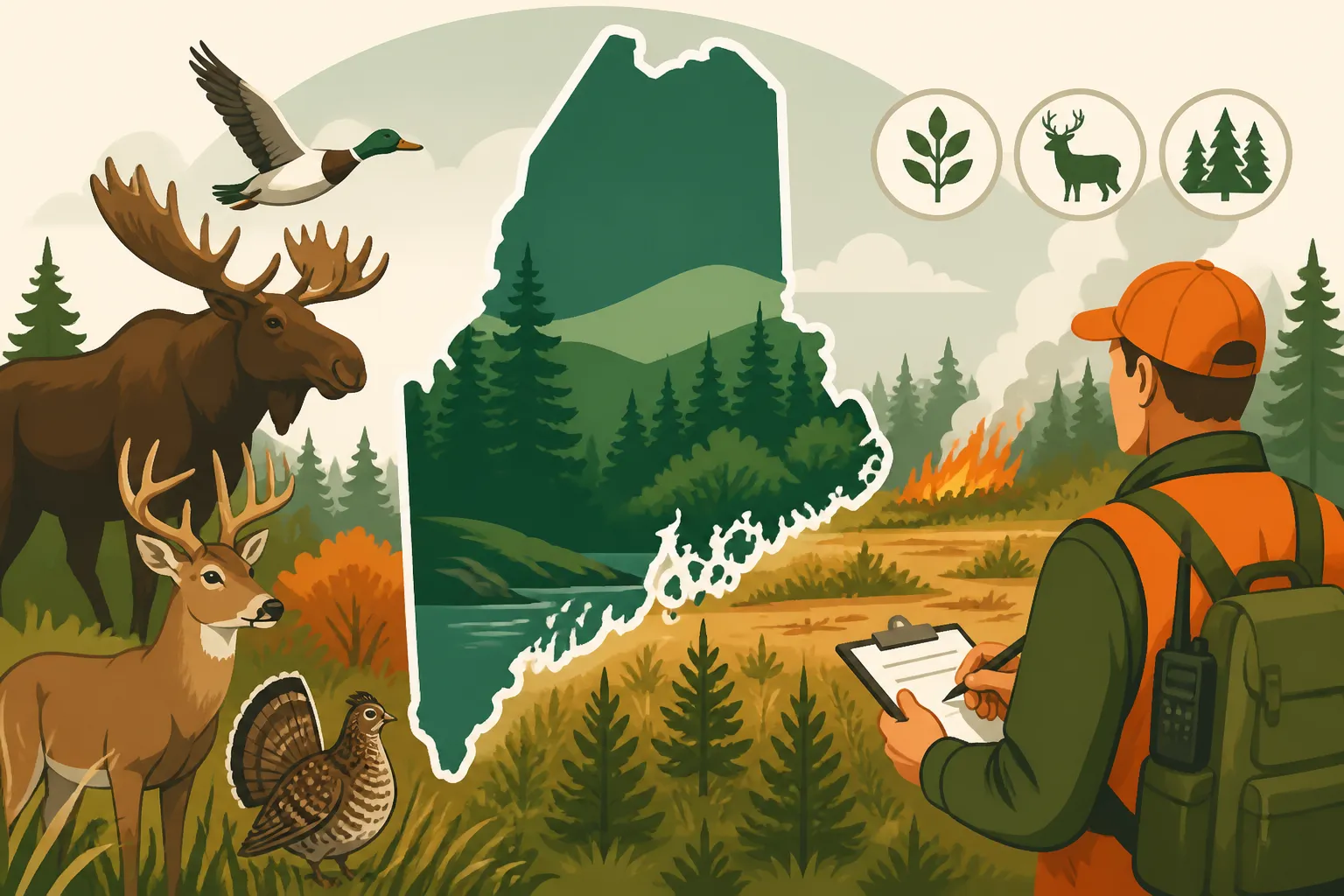
How Maine WMAs Are Managed
Navigating Maine's vast outdoor landscape can feel a bit like trying to find your way through a dense spruce forest without a compass. You hear talk about "WMAs" – Wildlife Management Areas – but what exactly are they? How are they run? For many of us who love to hunt, fish, or simply explore the wilds of Maine, understanding the inner workings of these crucial tracts of land can be a real head-scratcher. This guide is going to pull back the curtain on how Maine's Wildlife Management Areas are managed, giving you a clear picture of their purpose, the people who maintain them, and how their existence benefits both the wildlife and all of us who cherish the Maine outdoors.
The Core Mission Behind Maine's WMAs
When you first stumble upon a sign marking a Wildlife Management Area, it’s easy to think of it simply as another piece of public land where you can pursue game. And while hunting is certainly a huge part of their purpose, that's really just scratching the surface. These areas are carefully established and maintained with a far broader, more intricate mission in mind. They’re designed to be vibrant ecosystems, carefully balanced for the long-term health of numerous species, not just the ones with hunting seasons. It’s about more than just a place to fill a tag; it's about sustaining Maine's natural heritage.
More Than Just Hunting Ground
The fundamental idea behind a WMA goes far beyond providing recreational opportunities, though those are undeniably important. These lands are created and stewarded to serve as critical habitat for a diverse array of wildlife. Think about it: our wild spaces are constantly under pressure from development, changing land use, and even climate shifts. WMAs act as anchors, securing crucial breeding grounds, migratory corridors, and wintering areas for everything from white-tailed deer to various waterfowl species and countless non-game birds. They might encompass vast cedar swamps vital for wintering deer, sprawling salt marshes critical for sea ducks, or expansive hardwood ridges that feed grouse and turkeys. Every acre is considered, not just for its current state, but for its potential to support a thriving, resilient ecosystem well into the future. It’s a conservation effort on a grand scale, ensuring that Maine remains a wild place for generations to come.
Balancing Act for Wildlife and Public
Imagine trying to keep a dozen plates spinning at once, all while walking a tightrope. That's a bit like the challenge of managing a WMA. The folks responsible for these areas are constantly trying to balance the needs of wild populations with the desires of the public. On one hand, you have the imperative to protect sensitive species, ensure healthy habitats, and maintain ecological integrity. This might mean restricting access in certain areas during nesting seasons, implementing specific timber harvest plans to promote new growth, or managing water levels in impoundments. On the other hand, there's a deep commitment to providing public access for hunting, fishing, hiking, birdwatching, and other outdoor pursuits. This means maintaining trails, ensuring safe hunting zones, and educating the public on rules and regulations. It’s a delicate dance, always striving to optimize for both wildlife health and human enjoyment, and sometimes those goals can feel like they're pulling in opposite directions. The goal is always to find that sweet spot where both can truly thrive.
Who Manages These Precious Lands?
Behind every well-managed WMA, there’s a dedicated team working tirelessly. It's not just a matter of "letting nature take its course" – these areas require active, informed management, scientific expertise, and a steady hand. Understanding who is at the helm and how they operate gives you a better appreciation for the effort involved in keeping these vital lands productive and accessible.
The Role of the Maine Department of Inland Fisheries & Wildlife MDIFW
The primary guardian of Maine's Wildlife Management Areas is, without a doubt, the Maine Department of Inland Fisheries & Wildlife (MDIFW). These are the boots-on-the-ground folks, the biologists, game wardens, and land managers whose passion for Maine's natural resources drives their work every single day. Their responsibilities are vast and varied. They conduct extensive research and surveys, track wildlife populations, assess habitat conditions, and develop comprehensive management plans. This isn't just theory; it involves hands-on work like timber stand improvement, dike and dam maintenance, and planting specific food sources. Beyond that, they're the ones enforcing the rules, ensuring that hunting seasons, bag limits, and ethical conduct are upheld across these lands. If you've ever had a question about Maine Hunting Licenses and What They Cost or needed to know Which WMDs Allow Antlerless Without a Permit, the MDIFW is the authority. They wear many hats, all in service of conserving Maine's wildlife and providing safe, enjoyable outdoor experiences for everyone.
Funding and Resources: Keeping the Wheels Turning
Let’s be honest, nothing in life is free, and managing thousands of acres of wild land is certainly no exception. The operations of Maine's WMAs require significant financial resources, and it's something every hunter or angler should understand, because we’re a big part of it. A substantial portion of the funding comes directly from the sale of hunting and fishing licenses and permits. When you purchase your Maine Resident Base License Cost or a special turkey permit, a good chunk of that money goes directly towards the very programs and land management efforts we're discussing. Additionally, federal aid programs, like those under the Pittman-Robertson Act (which taxes firearms and ammunition sales), provide critical matching funds. This ensures that Maine can leverage its own revenues to bring in even more support for conservation. Grants, conservation bonds, and even donations from conservation groups also play a role. It’s a complex tapestry of funding, but the takeaway is clear: outdoor enthusiasts directly contribute to the health and management of these lands, making every license purchase a vote for continued conservation.
Habitat Management Strategies in Practice
The beauty of a WMA isn't just that it is wild, but that it's managed to be wild in the most productive way possible for specific species. This isn't about letting a forest grow unchecked; it's about strategic interventions that mimic natural processes and create diverse ecosystems. The strategies employed are often subtle, but their impact on wildlife populations is profound.
Forest Management for Diverse Species
If you've spent any time in Maine's woods, you know that not all forests are created equal. A dense, mature stand of pine offers different habitat than a mixed hardwood forest, and a recently harvested clear-cut provides yet another distinct environment. WMA managers understand this intimately, and they utilize forest management techniques to create a mosaic of habitats crucial for different wildlife. For instance, timber harvests might be strategically planned to create early successional habitat – those bushy, young growth areas that Grouse Hunting Maine Alder Runs and Woodcock Hunting Maine Covert Country hunters cherish. These areas provide vital cover and food for deer, hare, and various bird species. Conversely, some areas are managed for older growth to support species that rely on mature forests. Prescribed burns, though less common in Maine than in some other states due to our climate, can also be used to remove underbrush and promote new, nutritious growth. It's a thoughtful, long-term approach that ensures a range of forest types, providing for the broadest possible spectrum of wildlife.
Waterfowl and Wetland Enhancements
Maine's coast and interior are dotted with countless wetlands, bogs, and impoundments, making it a crucial state for waterfowl. WMAs often feature extensive wetland enhancements specifically designed to benefit ducks, geese, and other aquatic species. This might involve building and maintaining dike systems to control water levels in impoundments, allowing managers to flood fields for migrating birds or expose mudflats for shorebirds at opportune times. Specialized plantings of aquatic vegetation, like wild rice or smartweed, provide critical food sources. Marsh restoration projects, where degraded wetlands are brought back to life, are also common. These efforts are particularly important given Maine's position on Maine's Place on the Atlantic Flyway, serving as vital stopover points and breeding grounds. Hunters who enjoy Sea Duck Hunting the Maine Coast or setting decoys on an inland beaver flowage directly benefit from these meticulously managed wetland systems, which help ensure strong populations year after year.
Maintaining Open Fields and Early Successional Habitats
While the image of deep, dark woods often comes to mind when thinking of Maine, many WMAs also include significant acreage of open fields, old farmsteads, and early successional habitats. These areas are far from neglected; they are actively managed to provide essential resources for a variety of game and non-game species. Regularly scheduled mowing or brush hogging prevents fields from reverting to dense forest, keeping them open for turkeys, deer, and small game. Food plots, planted with specific crops like clover, corn, or brassicas, provide crucial forage, especially during lean times or late in the season. These can be incredible magnets for deer, offering late-season food sources for Maine whitetails. Old apple orchards within WMA boundaries are often pruned and maintained, providing an important mast crop. All of these efforts create the diverse edges and open spaces that allow species like wild turkeys – whose Maine Turkey Population Trends have seen incredible growth – to thrive, offering excellent habitat and foraging opportunities throughout the year.
Regulation and Access for Hunters and Outdoor Enthusiasts
One of the most common questions I get from fellow hunters is about where they can actually go and what the rules are once they get there. WMAs, while public land, aren't a free-for-all. They operate under a specific set of guidelines designed to ensure safety, conservation, and fair use for everyone. It's really important to understand these before you head out, because showing respect for the land and the rules makes for a better experience for all.
General Rules and Specific WMA Regulations
It's tempting to think that "public land" means one big rulebook applies everywhere. Not so with WMAs. While there are overarching state hunting and fishing regulations set by the MDIFW that apply across Maine, each WMA can, and often does, have its own set of specific regulations tailored to its unique habitat, wildlife populations, and public use patterns. These might include special restrictions on vehicle access, prohibitions against baiting in certain areas, or specific rules regarding Treestand Rules on Maine Public Land or Ground Blind Rules on Maine WMAs. For instance, some WMAs might have areas designated as non-hunting zones, or restricted weapons during certain times. This hyper-local approach allows managers to protect sensitive areas or reduce pressure on particular species. Before you plan your trip, it's absolutely crucial to check the MDIFW website or printed regulations booklet for the specific WMA you intend to visit. Ignorance of a rule is never an excuse, and a little planning can save you a lot of headache (or even a citation!).
Balancing Hunting Opportunities with Other Recreation
WMAs are truly multi-use lands, welcoming hunters, anglers, hikers, birdwatchers, photographers, and nature lovers of all stripes. This shared space means that MDIFW has to perform a delicate balancing act to ensure that everyone can enjoy these areas safely and respectfully. During hunting seasons, especially the popular Maine's Four-Week Firearms Deer Season, you'll often see signs indicating active hunting, and it's imperative for non-hunters to wear blaze orange and be aware of their surroundings. Conversely, hunters are expected to be mindful of others using the land for different purposes. Some WMAs may have designated trails or zones where certain activities are prioritized or restricted. The goal isn't to create conflict, but to foster coexistence. Communication and common sense are key; if you’re heading out for a hike during deer season, wear bright colors and make your presence known. If you're hunting, always be aware of your backdrop and what might be beyond your target. These shared spaces require mutual respect to function properly.
Understanding WMA Boundaries and Access Points
One of the biggest challenges for hunters on any public land, including WMAs, is knowing precisely where you are and confirming you're on legal ground. WMAs are typically well-marked with signs indicating their boundaries, but these signs aren't always every 50 feet, especially in dense timber. This is where modern technology really shines. Tools like the onX Hunt app have revolutionized how hunters navigate these areas. By using GPS on your phone, you can see WMA boundaries clearly overlaid on satellite imagery or topographic maps, ensuring you stay within the public land and don't inadvertently trespass onto private property. Similarly, scouting maps from companies like GoHunt can provide valuable insights into terrain, access roads, and potential game sign before you even step foot in the woods. Identifying designated parking areas and legal access points is also crucial; just because you see an old logging road doesn't mean it's open for public vehicle traffic or that it leads to a legal entry point. Always verify your entry and exit strategies to avoid parking violations or accessing restricted areas. Knowing your boundaries empowers you to hunt confidently and respectfully.
The Science Behind WMA Management Decisions
If you've ever wondered why hunting seasons are structured the way they are, or why certain areas have specific rules, the answer often lies in science. WMA management isn't based on guesswork or tradition alone; it's a field-driven, data-heavy discipline. Biologists and researchers are constantly working to understand wildlife populations and their habitats better, ensuring that management decisions are sound, sustainable, and adaptive.
Wildlife Surveys and Population Monitoring
The cornerstone of effective WMA management is robust wildlife monitoring. How can you manage a deer herd if you don't know its size, health, or reproductive success? MDIFW biologists employ a variety of techniques to gather this vital data. They conduct aerial surveys, often utilizing helicopters or fixed-wing aircraft, to count deer in wintering yards or moose in specific zones. Camera trap studies provide non-invasive ways to estimate populations, study movement patterns, and assess herd demographics like buck-to-doe ratios. Tracking harvest data from mandatory registration stations gives a critical snapshot of annual take and population trends. Biologists also perform habitat assessments, looking at food availability, cover quality, and overall ecosystem health. All of this information helps paint a comprehensive picture, guiding decisions on antlerless permits in Maine's Antlerless Permit System, setting bag limits for Maine's WMD-Based Turkey Bag Limits, and even informing the Maine Deer Population Estimate across the state. It’s an ongoing, year-round effort to keep a finger on the pulse of Maine's wild populations.
Research Partnerships and Adaptive Management
Maine's WMAs are not just places for wildlife; they're living laboratories. MDIFW frequently partners with universities, conservation organizations, and other agencies to conduct specialized research projects. These studies might focus on specific species, such as Why Winter Ticks Are Killing Maine Moose Calves, or explore the impacts of habitat changes on nesting birds. The findings from these partnerships are invaluable, providing deeper insights and sometimes challenging existing assumptions. What's particularly powerful is the concept of adaptive management. This means that management plans aren't set in stone for decades; they are continually reviewed and adjusted based on new research, monitoring data, and changing environmental conditions. If a particular management strategy isn't yielding the desired results, or if new threats emerge – like the ever-present concern about Maine's Chronic Wasting Disease Monitoring – managers can adapt their approach. This dynamic process ensures that WMAs remain on the cutting edge of conservation, always striving for the most effective and scientifically sound management possible.
Challenges and Future Directions for Maine WMAs
While Maine's WMAs are cornerstones of conservation and outdoor recreation, they are far from immune to challenges. From funding constraints to global environmental shifts, the people managing these lands face an array of hurdles. Understanding these difficulties helps us, as responsible outdoors enthusiasts, appreciate the work being done and consider how we can contribute to their future.
Funding Gaps and Staffing Needs
Like many state agencies, the MDIFW often operates with tight budgets, and that directly impacts the WMAs. Maintaining thousands of acres of land, from repairing roads and culverts to managing impoundments and conducting timber harvests, requires substantial financial investment. Equipment needs upgrading, infrastructure needs constant attention, and crucial habitat work demands dedicated funds. Moreover, recruiting and retaining talented biologists, land managers, and game wardens can be challenging when faced with competitive salaries in other fields. These staffing needs are vital for both the scientific rigor of WMA management and the enforcement of regulations that protect these resources. When there are funding gaps, difficult decisions must sometimes be made, potentially delaying critical habitat projects or limiting public access improvements. This is why our continued support through license purchases and participation in conservation efforts remains so incredibly important.
Climate Change and Invasive Species
The impacts of climate change are already being felt across Maine, and WMAs are on the front lines. Shifting weather patterns, changes in snowpack, and milder winters can all affect wildlife survival, habitat quality, and species distribution. For instance, the challenges posed by winter ticks to Maine's moose population are exacerbated by warmer winters. Similarly, invasive species—plants, insects, and even diseases—pose a constant and growing threat. Non-native plants can outcompete native vegetation, reducing food sources for wildlife. Invasive insects can devastate tree species critical for habitat. And the specter of wildlife diseases, such as the ever-present concern for Maine's CWD-Free Status Explained and keeping it that way, means managers must be vigilant. WMAs become vital strongholds where native ecosystems can be protected and where researchers can study and implement strategies to combat these pervasive threats, aiming to build resilience into our natural systems.
Public Engagement and Community Support
Ultimately, the long-term success of Maine's WMAs hinges not just on scientific management, but on strong public engagement and community support. These are our lands, and when the public understands their value, participates responsibly, and advocates for their protection, WMAs truly thrive. This includes everything from respecting Maine Trespass and Permission Law on adjacent private lands to participating in public comment periods on management plans, volunteering for habitat projects, or simply educating friends and family about the importance of these areas. Programs like the Maine Landowner Relations Program are crucial, helping to bridge understanding between private landowners and public land users, fostering a greater sense of shared responsibility for Maine's wild places. By being informed, involved, and respectful stewards, we ensure that Maine's Wildlife Management Areas continue to serve as vibrant, productive, and accessible havens for wildlife and people for generations to come.
Here’s a quick overview of some common WMA management activities:
| Management Activity | Primary Purpose | Examples | Benefits |
|---|---|---|---|
| Forest Thinning/Harvesting | Create diverse forest structure; promote early successional growth; generate revenue | Selective cutting, clear-cuts (small scale), timber stand improvement | Provides browse for deer, nesting habitat for songbirds, dense cover for grouse/woodcock |
| Prescribed Burns | Control invasive species; promote native plant growth; reduce wildfire risk | Controlled burning of undergrowth in specific areas | Recycles nutrients, stimulates berry production, creates open ground for foraging |
| Food Plot Planting | Provide supplemental nutrition; attract wildlife for viewing/hunting | Planting clover, corn, brassicas, oats, winter wheat | Increases carrying capacity for deer, turkeys, small game; improves health and reproduction |
| Wetland Impoundment Management | Regulate water levels for waterfowl/wetland species | Operating dikes/dams, water level manipulation, planting aquatic vegetation | Creates feeding and nesting areas for ducks, geese, wading birds; supports amphibian life |
| Brush Hogging/Mowing | Maintain open fields; prevent forest succession; control invasive brush | Regular mowing of old fields, clearings, or along access roads | Provides foraging areas for turkeys, deer; maintains grassland bird habitat |
| Trail/Access Road Maintenance | Ensure public access; facilitate management activities | Grading roads, clearing downed trees, repairing culverts, bridge repair | Allows hunter/angler access, provides pathways for wildlife, aids in fire suppression |
| Invasive Species Removal | Protect native ecosystems; restore habitat health | Manual removal, targeted herbicide application, biocontrol (where appropriate) | Prevents displacement of native plants/animals, preserves biodiversity |
| Nest Box/Platform Installation | Provide artificial nesting/roosting sites for specific species | Wood duck boxes, kestrel boxes, osprey platforms, bat houses | Increases reproductive success for species with limited natural cavities; supports populations |
Disclaimer
This article is for general informational purposes only and does not constitute professional advice. Laws, prices and regulations vary by location and change over time. Consult a qualified professional for guidance on your specific situation.