Negotiating a Maine Outfitter Package Price
It's no secret that a quality hunting trip to Maine can be a significant investment, and for many of us, the idea of paying a premium for a guided experience makes perfect sense for the knowledge and access it provides. But when you're looking at various outfitters and their package prices, it's easy to feel like you're facing a take-it-or-leave-it situation, especially if your budget is tight or you have very specific needs. This guide is here to walk you through the realistic possibilities of negotiating a Maine outfitter package price, helping you understand when and how to approach these conversations to get the best value without compromising the quality of your hunt.
Understanding Outfitter Package Pricing
Before you even think about negotiating, it's crucial to understand what goes into an outfitter's package price. Many factors contribute, and a good outfitter isn't just selling you a hunt; they're selling an experience, access, and their expertise. Knowing these elements helps you approach any discussion from an informed perspective, showing respect for their business while still looking out for your own interests.
What's Typically Included in a Package
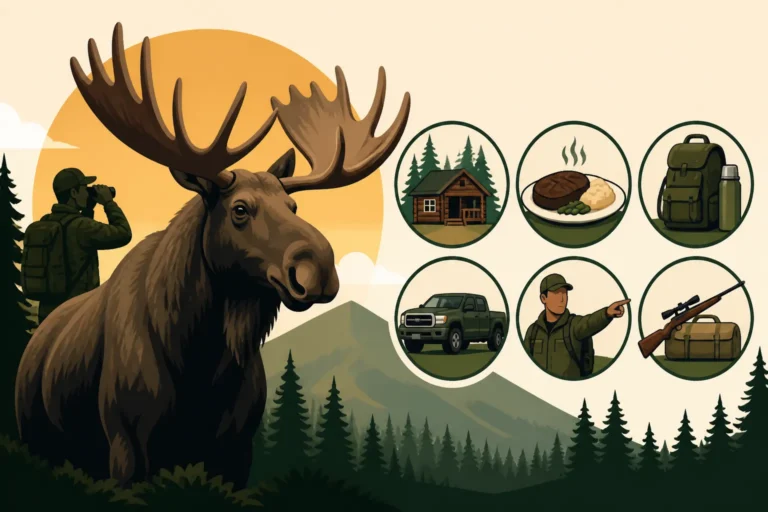
When you see a package price, it often bundles together a whole range of services and amenities designed to make your hunt seamless. This isn't just the guide's time in the field. It often encompasses lodging, which can range from rustic cabins deep in the North Woods to more comfortable sporting camps with all the amenities. Meals are frequently included, and these can be anything from hearty camp cooking to more elaborate fare, depending on the outfitter. Transportation to and from hunting areas, often on private land or through gated timber company tracts, is another major component. Then there's the pre-scouting, stand setup, game retrieval, and initial field dressing. Some outfitters even assist with permits or licenses, though the cost of the actual license is almost always separate. Essentially, you're paying for convenience, expertise, and a significant reduction in the logistical headaches of a self-guided trip.
Factors Influencing Price Variability
The price tag on a Maine hunting package isn't just pulled out of thin air; it reflects a myriad of costs and considerations. The species you're pursuing plays a huge role; a Moose Hunting Maine's North Woods package, for instance, will almost certainly differ greatly from an Upland Bird and Small Game Hunting in Maine trip. The duration of the hunt, the time of year (peak rut for deer or prime bear baiting season vs. shoulder seasons), and the level of service all impact the cost. A fully guided, one-on-one experience with a top-tier Registered Maine Guide who provides everything from gear to gourmet meals will naturally command a higher price than a semi-guided camp experience where you do more of the work yourself. The location of the hunt also matters immensely; remote North Woods camps with exclusive access to vast timberland often have higher overheads than outfitters operating closer to populated areas on more accessible private land.
When Negotiation Might Be Possible
While "negotiation" might conjure images of haggling at a flea market, in the outfitting world, it's more about finding a mutual benefit or a creative solution that works for both parties. It's not always about outright discounts, but sometimes about adding value or adjusting services to fit a specific budget or need.
Off-Peak Season Bookings
One of the most common windows for potential flexibility is during an outfitter's shoulder or off-peak seasons. Just like hotels, outfitters have high-demand periods when their calendars are packed, and they rarely need to offer incentives. Think about Hunting the Rut in Early November for deer, or the prime weeks of Bear Hunting Maine's Three Legal Methods. Those weeks are often booked solid well in advance. However, if you're open to hunting slightly before or after these peak times, when demand is lower, you might find outfitters more amenable to discussions. For example, an early archery season deer hunt or a late-season bear hunt might have more wiggle room in pricing. They'd rather fill a spot at a slightly adjusted rate than have a vacant week. This can be a great way to save a bit of money, especially if your schedule is flexible.
Group Bookings and Multiple Trips
There's strength in numbers, and this holds true for booking guided hunts. If you're organizing a trip for a larger group, say three or four hunters, an outfitter might be more willing to offer a small per-person discount or throw in an extra service. Why? Because it guarantees them a block of bookings and simplifies their logistics. Similarly, if you're looking to book multiple trips with the same outfitter – perhaps a spring turkey hunt this year and a fall deer hunt next year – you might be able to discuss a loyalty discount or a combined package rate. Building a relationship with a reputable outfitter can open doors to better deals over time. Many outfitters value repeat clients and are often willing to work with them. Consider gathering a few friends for a Maine Deer Camp Traditions trip and approaching an outfitter with the combined booking.
Last-Minute Openings and Cancellations
Life happens, and sometimes hunters have to cancel their booked trips at the last minute due to unforeseen circumstances. When an outfitter suddenly has an empty slot or cabin that they expected to fill, they might be more flexible on the price to avoid a total loss of revenue. This is a bit of a gamble on your part, as you need to be ready to drop everything and go, but it can sometimes lead to significant savings. Keep an eye on outfitter websites or call them directly a few weeks before a season starts, inquiring about any last-minute availability. Resources like BookYourHunt often list available dates, and sometimes you can spot a trip that's been discounted for a quick fill. While you might not get your absolute preferred dates, the opportunity for a cost-effective guided hunt can be tempting.
How to Approach the Conversation Respectfully
Negotiating isn't about being demanding or trying to lowball an outfitter. It's about demonstrating value, understanding their business, and seeking a mutually beneficial arrangement. A respectful, well-researched approach is key.
Do Your Homework First
Before you even pick up the phone, do your due diligence. Research several outfitters that offer the type of hunt you're interested in. Compare their stated package prices, what's included, and read reviews. Look into their Maine Outfitter License Requirements and check references. Understand the average costs for similar trips in Maine. If you're interested in Booking a Guided Maine Deer Hunt, know what the typical range is for a guided deer hunt in the region you're targeting. When you call an outfitter, you want to sound informed and serious, not like you're just kicking tires. Being knowledgeable shows you respect their time and business.
Frame It as Value, Not Just Price
Instead of simply saying, "Can you give me a discount?", try to frame your discussion around value. Perhaps you're willing to book an off-season date in exchange for a slightly lower rate. Or maybe your group of four would commit to a booking if they could get an extra day of fishing included. Consider what you can offer that adds value to the outfitter. Are you flexible on dates? Are you willing to help with minor camp chores? Are you a seasoned hunter who requires less direct guidance, potentially freeing up the guide for other tasks? Be creative. A good outfitter wants happy clients and repeat business, and sometimes a small adjustment can make all the difference.
Be Clear and Specific About Your Needs
When you engage an outfitter in discussion, be crystal clear about your budget and what you're looking for. Instead of saying "I can't afford that," try "My budget for this trip is X, and I'm really hoping for an experience that includes Y and Z. Is there any flexibility on the package, or perhaps a different package that might fit within that range?" Sometimes, a slight modification to the package can bring it within your reach. Maybe you forego one meal out in town, or choose a cabin without all the bells and whistles. Many outfitters offer different tiers of service, and you might find a "semi-guided" option, as described in Semi-Guided Versus Fully Guided Cost Difference, that aligns better with your budget and still provides a fantastic experience. Be upfront; transparency fosters trust.
Table: Factors Influencing Negotiation Potential
Here's a quick look at situations where you might have more or less leverage when discussing package prices:
| Factor | More Negotiation Potential | Less Negotiation Potential |
|---|---|---|
| Booking Time | Last-minute openings, off-peak season (e.g., late archery) | Peak season (e.g., November firearms opener, prime rut) |
| Group Size | Larger groups (3+ hunters) | Solo hunters, 2-person bookings |
| Flexibility | Flexible on dates, services, or duration | Fixed dates, specific services required |
| Deposit/Payment | Willing to pay in full upfront | Requires extended payment plans |
| Repeat Business | Existing client with history of bookings | First-time client with no prior relationship |
| Included Services | Open to adjusting minor inclusions/amenities | Needs all "extras" or full-service options included |
| Demand for Species | Common species with more outfitter availability | High-demand, limited-tag species (e.g., Moose in Maine's North Woods) |
Creative Ways to Adjust the "Package"
Negotiating doesn't always mean lowering the sticker price. Sometimes it's about altering the components of the package to make it more affordable or to get more for your money.
Modifying Inclusions or Duration
Perhaps a five-day hunt is just out of reach, but a four-day version works perfectly. Or maybe the full meal plan is excellent, but you're willing to handle your own breakfasts to save a little. Don't be afraid to ask an outfitter if there are ways to tailor the package to your needs. This isn't about cutting corners on essential services, but rather finding areas where you can reasonably adjust. For instance, if a package includes airport pick-up and drop-off, but you're driving, that might be a small point of adjustment. Similarly, if you're comfortable with more independence, you might explore options where the guide drops you off and picks you up at pre-arranged times, rather than staying with you all day, which could potentially reduce their time commitment and thus the cost.
Adding Value, Not Just Taking Away
Instead of asking "What can you take off the price?", try "What could you add for the same price if I bring a bigger group?" or "If I book a second trip, could you include X?" This changes the dynamic from a cost-cutting exercise to a value-add discussion. For a Booking a Multi-Species Maine Trip, for example, perhaps an outfitter could bundle a reduced rate on a spring turkey hunt if you also book a fall deer hunt. You're giving them more business, and they're giving you more value. Sometimes, an outfitter might be willing to provide a slightly longer hunting day, additional scouting reports, or help with taxidermy arrangements, rather than an outright cash discount. These "soft" benefits can be just as valuable as a price reduction.
What to Avoid When Negotiating
Just as there are good ways to negotiate, there are definitely approaches that can sour the conversation and lead to a quick "no."
Aggressive Haggling or Demands
Remember, you're dealing with a professional business, often run by passionate individuals who dedicate their lives to hunting and the outdoors. Aggressive haggling, making demands, or trying to shame an outfitter into lowering their price is almost always counterproductive. It creates resentment and makes them less likely to want your business. Be polite, respectful, and understand that they have overheads and a living to make. Treat the conversation as a collaborative effort to find a solution, not a confrontation.
Expecting Unrealistic Discounts
Outfitters operate on specific margins, and while there might be some flexibility, they can't simply cut their prices in half. Be realistic about what's possible. If an outfitter's standard week-long guided deer hunt is a certain price, don't expect them to offer it to you for a fraction of that cost, especially during peak season. Unrealistic expectations will only lead to disappointment and frustration for both parties. Before you even call, have a clear idea of what an acceptable price range is for you, and if an outfitter is consistently far outside that range, they might simply not be the right fit for your budget, and that's okay. Sometimes, searching platforms like GoHunt can help you find outfitters whose base prices are already closer to your budget, reducing the need for extensive negotiation.
Comparing Unfairly to Other Services
While it's smart to research and compare outfitters, avoid using another outfitter's lower price as a direct weapon in your negotiation. Saying "Outfitter X down the road is offering the same thing for less" can come across as rude and dismissive of the value and unique experience the current outfitter provides. Every outfitter has their own setup, their own special access, and their own guiding style. Instead, focus on your needs and budget, and ask if there are ways this particular outfitter can meet them. If Outfitter X is truly a better fit for your budget, then perhaps they are the one you should book with.
Ultimately, approaching the conversation about pricing with respect, clear communication, and a willingness to be flexible can often lead to a positive outcome. Whether it's securing a group rate, finding a deal on an off-peak trip, or simply tailoring a package to fit your exact needs, a little thoughtful negotiation can help make that dream Maine hunt a reality.
Disclaimer
This article is for general informational purposes only and does not constitute professional advice. Laws, prices and regulations vary by location and change over time. Consult a qualified professional for guidance on your specific situation.