Hunting a Rangeley Lakes Shoreline
There's nothing quite like the Rangeley Lakes region of Maine. It's a place where the mountains meet vast, shimmering water, and for many hunters, it represents a unique opportunity that also comes with its own set of challenges. If you've ever dreamt of hunting deer, moose, or even some of the smaller game species along these stunning shorelines, but felt overwhelmed by the terrain, the water, or simply where to begin, this guide is for you. We'll dive deep into what makes hunting the Rangeley Lakes shoreline so distinct and how you can approach it effectively.
The Unique Landscape of Rangeley Lakes Shoreline Hunting
Hunting the shoreline around Rangeley, Mooselookmeguntic, or Cupsuptic Lakes isn't like still-hunting a deep woods timber cut. The very presence of vast bodies of water dictates everything from game movement to your access and strategy. It's a blend of big woods hunting and something almost amphibious, where the terrestrial and aquatic ecosystems merge to create distinct opportunities and obstacles.
How Water Influences Game Movement and Habitat
Deer, moose, and bear all utilize the shoreline differently, but one thing is constant: water is a critical component of their lives. During the warmer months, animals seek the cooling relief of the lake edges, often bedding in dense cover right up to the water's edge to catch a breeze and escape insects. As hunting seasons roll in, especially for deer, these edges become natural travel corridors. Bucks, in particular, often hug water boundaries as a means of security cover, moving from one point of dense timber to another, or scent-checking for does without having to cross wide-open areas. Moose, of course, are drawn to the aquatic vegetation found in shallow coves and marshy inlets, making these areas prime for early season encounters.
The diverse habitat along the Rangeley Lakes shoreline offers a smorgasbord for game. You'll find mixed hardwoods, often heavy with oaks and beeches that provide valuable mast crops in the fall, interspersed with thick stands of conifers like spruce and fir offering thermal cover. The transition zones, where these different forest types meet the water, create "edge" environments that are incredibly attractive to wildlife. Think of a point that juts out into the lake, covered in thick pines, with a small marshy bay on one side and a rocky shore on the other. That kind of diversity is exactly what you're looking for, as it provides food, water, and cover all within a small area. This dynamic ecosystem provides a constant flow of resources, keeping animals close to the water.
Specific Challenges of Shoreline Terrain
While incredibly rewarding, hunting the Rangeley Lakes shoreline definitely isn't without its difficulties. For starters, the terrain can be deceptively rugged. You might encounter steep, rocky slopes that plunge directly into the water, forcing game and hunters alike into narrow travel lanes. These pinch points can be fantastic ambush spots, but they're also tough to navigate quietly and safely. Additionally, the ground can be a mix of dry, crunchy leaves on higher ground, transitioning to boggy, mucky areas as you get closer to the water, making silent movement a real art. You'll want to be prepared for fluctuating water levels, which can expose or inundate key travel routes, and be mindful of beaver activity, which can create flooded areas or dense thickets of regrowth.
Another major challenge is the sheer density of cover that often lines the water's edge. Alders, tag alders, young spruce, and other thick brush can form impenetrable walls, limiting visibility and making shot opportunities fleeting. This means you often need to be within very close range to spot game, let alone get a clean shot. This close-quarters hunting demands quick reactions and a keen eye for details, often requiring you to stop and scan for minutes at a time rather than simply walking through the woods. The dense cover also amplifies sound, so every misplaced step or brush against a branch can carry further than you might expect across the still water.
Navigating Land Ownership and Access in the Rangeley Region
The Rangeley Lakes area, while feeling wild and remote, is a complex mosaic of land ownership. You'll find private camps, residential areas, timber company lands, and various public access points. Understanding who owns what, and where you can legally hunt, is paramount to a successful and respectful hunt. Simply assuming land is open because it looks wild can lead to trouble and, frankly, gives all hunters a bad name.
Identifying Public Access Points and Timber Company Land
Fortunately, there are still ample opportunities to hunt around the Rangeley Lakes. State-owned public lands, such as Public Reserved Lands units, exist in the region and often provide direct shoreline access. These areas are managed for multiple uses, including hunting, and are great places to start your scouting. Additionally, many large timber companies own vast tracts of land around the lakes. Historically, much of this land has been open to public recreation, including hunting, though access policies can change. It's always a good idea to research the specific company's current access rules. Some might have designated gates, charge nominal day-use fees, or have specific rules about vehicle access. Knowing these details ahead of time saves a lot of frustration.
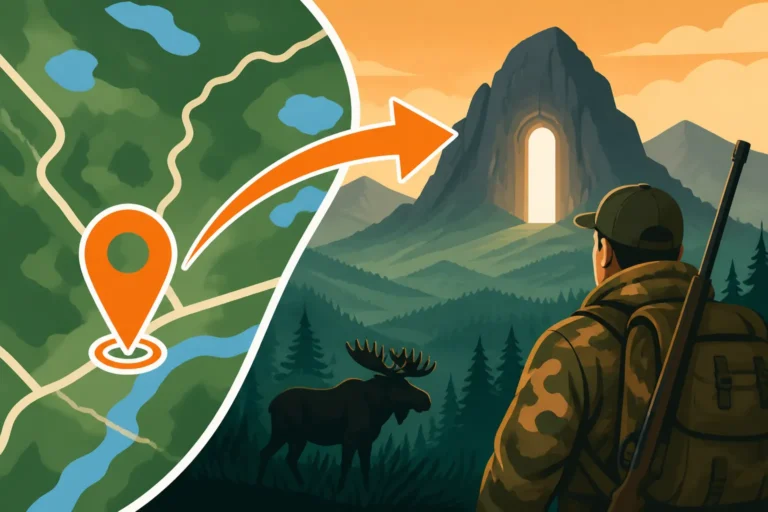
When you're trying to figure out these complex ownership boundaries, digital mapping tools are an absolute game-changer. I can't stress this enough: invest in an app like onX Hunt. It overlays property lines onto detailed satellite and topographic maps, showing you exactly where public land ends and private land begins, often even listing landowner names. This is indispensable for confidently navigating the checkerboard of ownership. You can mark potential access points, identify timber company gates, and even see designated boat launches that could get you closer to remote shoreline sections. Having this information on your phone or GPS unit means you can scout virtually before you even put boots on the ground, saving precious hunting time. For more general information about accessing different types of land in the state, you might find Maine's Private Land Access Tradition helpful.
Understanding Posted Land and Permission
Maine has a unique tradition of implied permission on unposted private land, but this does not apply to developed residential areas or cultivated fields. Along the Rangeley Lakes, where camps and homes dot the shorelines, you're far more likely to encounter posted land. What Posted Land Means in Maine is crucial to understand. "Posted" signs mean no trespassing without explicit permission from the landowner. Ignoring these signs is not only illegal but also harms the relationships between landowners and hunters.
The best approach for hunting private land along the shore is to seek permission. This often means knocking on doors, introducing yourself, and respectfully asking if you can hunt their property. Be prepared to be told no, but also be pleasantly surprised when someone grants access, especially if you offer to help with small chores or share some venison. Always carry written permission if granted, and stick to the exact terms the landowner provides. Building these relationships can open up incredible hunting opportunities that others overlook. Remember, a landowner's generosity is a privilege, not a right, and it's up to us to maintain that trust. Sometimes, smaller, isolated woodlots or undeveloped shore parcels between camps can be excellent spots if you can secure permission.
Strategic Hunting Tactics for Rangeley Lakes Shorelines
Hunting a shoreline is different from hunting a big, unbroken forest. You've got a linear edge, natural funnels, and the element of water itself to consider. Adaptability and patience are your best friends here.
Still-Hunting and Stand Placement Along the Water
Still-hunting along the Rangeley Lakes shoreline requires a deliberate, slow, and methodical approach. The dense cover often means you'll be looking for bits and pieces of an animal rather than a whole silhouette. Focus on the subtle movements, the flick of an ear, a patch of hide through the alders. Use the contours of the land, the rise and fall of the shore, to your advantage, always trying to stay downwind and using visual barriers to hide your approach. Move only a few steps, then stop and scan, often for several minutes, letting your eyes truly pick apart the shadows and brush. It's a game of inches, and the reward can be a trophy buck slipping along the water's edge. This strategy is similar to Still-Hunting Western Maine Mountain Slopes, just adapted to the water.
When it comes to stand placement, look for natural funnels where game is forced to travel close to the water. A point of land that creates a narrow neck, a beaver dam crossing a boggy inlet, or a bench along a steep incline where deer have beaten a trail are all prime spots. Think about what forces game into predictable paths. Consider prevailing winds and thermals – especially around water, thermals can be tricky, often drawing scent downhill towards the water in the mornings and lifting it upwards in the evenings. Place your stand to maximize your scent control. Look for large conifers or hardwoods right on the edge of the dense shoreline thicket, offering both cover for your stand and a clear view of the suspected travel lanes. And don't forget water access; if you can get to your stand silently by canoe or small boat, you'll reduce human scent and disturbance on land. You can learn more about general stand placement from Hanging a Stand on a Private Land Field Edge.
Using Watercraft for Access and Advantage
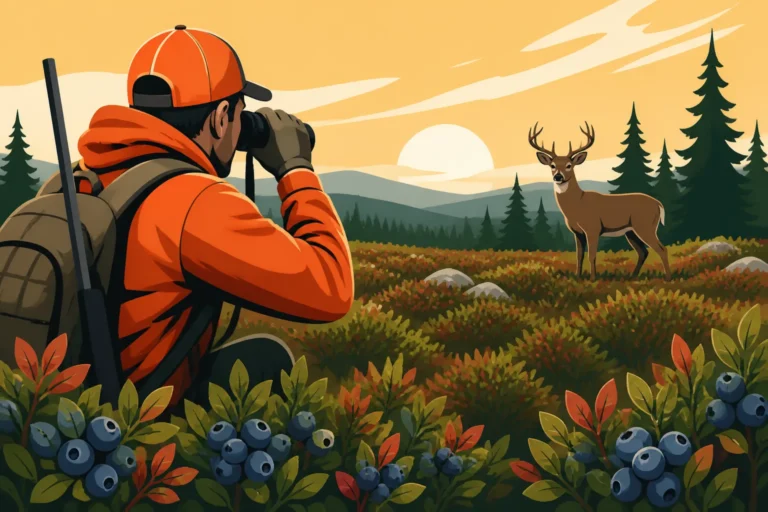
This is where Rangeley Lakes hunting really shines and sets itself apart. A canoe, kayak, or small, quiet boat can be your secret weapon. Using a watercraft allows you to access remote sections of shoreline that are impossible to reach by foot or vehicle. You can slip into quiet coves, explore marshy inlets, and scout islands without leaving a heavy scent trail on the land itself. Imagine paddling silently at dawn, glassing the shoreline with binoculars, and spotting a deer feeding on mast or a moose browsing on aquatic plants.
A boat also gives you flexibility. You can set out pre-dawn, drop off at a planned stand location, and then retrieve your boat later, again minimizing disturbance. For retrieving game, a boat is invaluable. Dragging a heavy deer or moose out of dense, swampy shoreline cover can be brutal work, but if you can get a boat close, it transforms the recovery effort. Always prioritize safety: wear a PFD, tell someone your float plan, and be aware of weather changes on large lakes, which can whip up dangerously quickly. Having your hunting areas marked on your onX Hunt app, including potential boat launch spots and extraction points, is crucial for efficiency and safety. Don't underestimate the utility of a boat when hunting a Beaver Flowage Edge at Dusk either; the same principles apply.
Essential Gear and Safety for Your Shoreline Adventure
Just like the unique terrain, hunting the Rangeley Lakes shoreline calls for some specific gear and a heightened sense of preparedness. It's not just about what gun or bow you carry, but what helps you thrive in this semi-aquatic environment.
Clothing, Footwear, and Navigation
Your clothing and footwear choices are critical. Waterproof everything should be your mantra. Hip waders or chest waders are often indispensable, allowing you to cross shallow water, navigate boggy areas, and even retrieve game without getting soaked. Layers are key, as temperatures can fluctuate wildly, especially with the cool, damp air often found near large bodies of water. Think quiet, durable outer layers that can stand up to brush and branches. Blaze orange or pink is a legal requirement during firearms season and a smart choice any time of year for visibility and safety. Always carry enough How Much Blaze Orange Maine Requires.
For navigation, a reliable GPS unit or a fully charged smartphone with a mapping app like onX Hunt is non-negotiable. Topographic maps are your friend, revealing those subtle changes in elevation that might create game trails or ambush spots. A compass and knowing how to use it are also vital as a backup, especially in thick, featureless cover where it's easy to get turned around. The shoreline itself can act as a natural landmark, but don't rely solely on it; fog can roll in quickly, obscuring visibility. Knowing your position and having a planned exit strategy are paramount.
Safety Considerations Around Large Lakes
Hunting around large lakes introduces specific safety concerns beyond typical woods hunting. Hypothermia is a real danger, especially in colder weather. If you fall into the water, even for a moment, having dry clothes in a waterproof bag, a fire-starting kit, and a way to signal for help can be life-saving. A personal flotation device (PFD) is a must if you're using a boat for access, even if you're a strong swimmer. The shock of cold water can incapacitate anyone.
Being aware of other lake users is also important. The Rangeley Lakes are popular for fishing, boating, and other recreational activities. Always identify your target positively, ensure what is beyond it, and understand that you are sharing the landscape. Ethical hunting means being a good steward of the land and a respectful co-user of the waterways. Carry a well-stocked first-aid kit, and consider a satellite communication device for emergencies, especially if you venture into areas with no cell service. The remoteness can be part of the appeal, but it also means help might be a long way off.
| Season | Primary Game | Typical Shoreline Behavior | Recommended Gear Addition |
|---|---|---|---|
| Early Fall | Moose, Bear, Deer | Moose browse in shallow coves. Bear may forage for mast near shore. Deer use edges for travel. | Waders, binoculars, scent control |
| Mid-Fall | Deer, Bear | Deer rutting activity near water corridors. Bear seeking last-minute food sources. | Tree stand, grunt tube/rattling antlers |
| Late Fall/Winter | Deer | Deer seeking thermal cover in dense shoreline conifers. Using frozen edges for easy travel. | Ice cleats, warm layers, insulated waders |
| All Seasons | Small Game | Snowshoe hare in thick brush. Waterfowl in marshy areas. | Shotgun (if appropriate), bird calls |
Ultimately, hunting the Rangeley Lakes shoreline offers a unique, challenging, and deeply rewarding experience. By understanding the landscape, respecting land access, employing smart tactics, and prioritizing safety, you're set to create some truly unforgettable hunting memories in one of Maine's most beautiful regions.
Disclaimer
This article is for general informational purposes only and does not constitute professional advice. Laws, prices and regulations vary by location and change over time. Consult a qualified professional for guidance on your specific situation.