Maine Deer Camp Traditions
Maine deer camp traditions involve shared stories, morning coffee routines, collaborative hunting strategies, and enduring friendships.
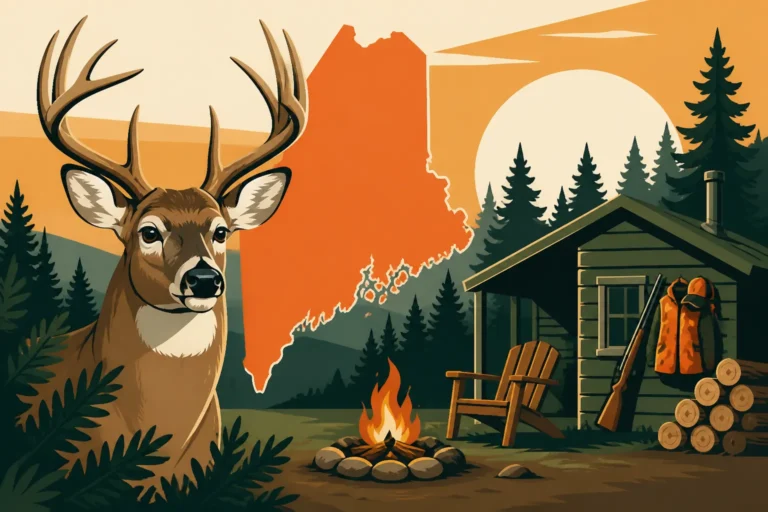
Maine deer camp traditions involve shared stories, morning coffee routines, collaborative hunting strategies, and enduring friendships.
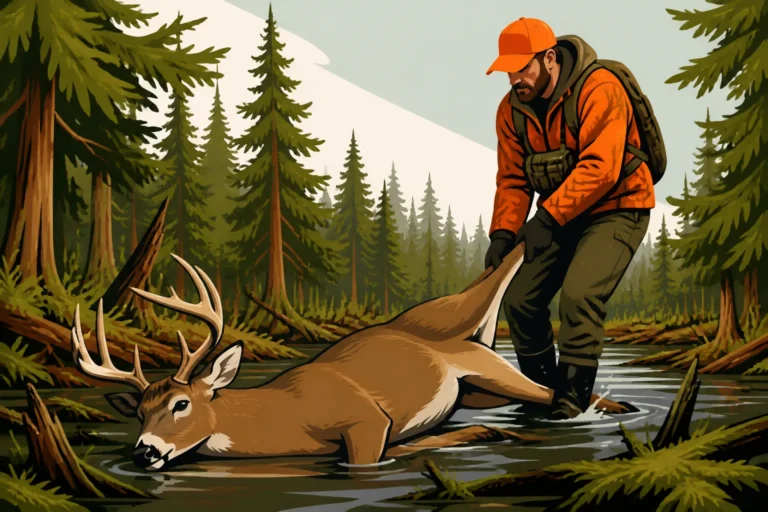
Maine hunters learn systematic preparation and gear methods to track and retrieve game from dense cedar swamps and treacherous water hazards.
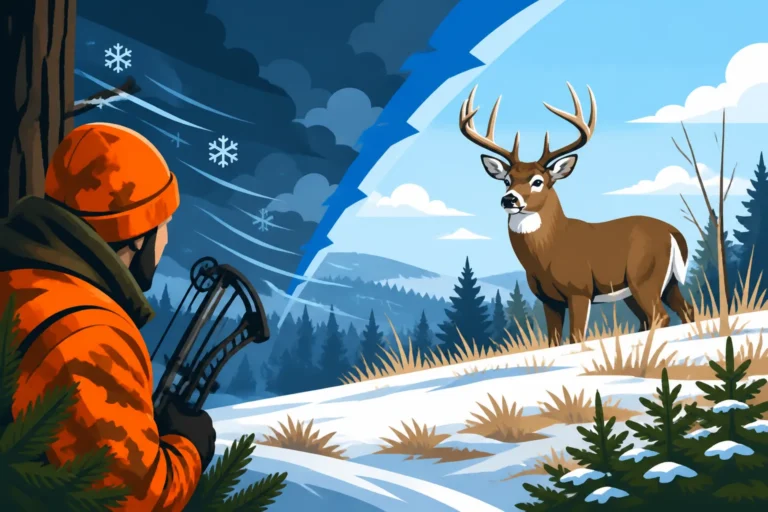
Maine whitetail behavior during and after cold fronts, explaining how temperature drops change deer movement and feeding patterns.
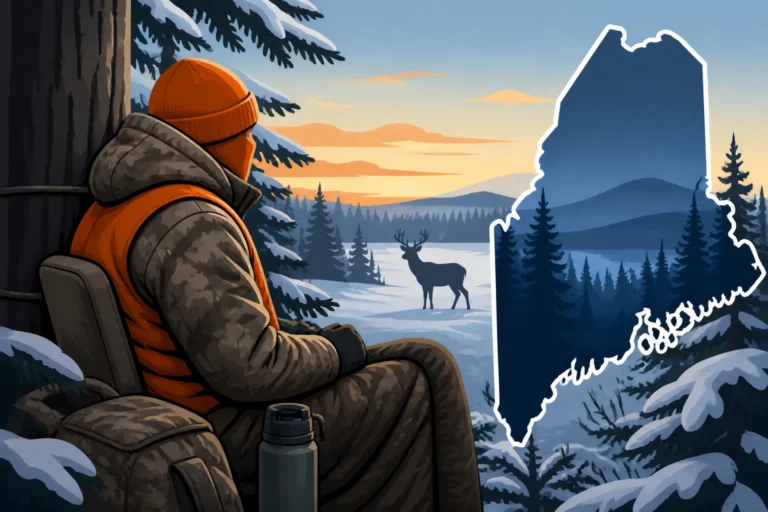
Maine deer hunting strategies explain how late season weather shifts, thermal cover locations, and wind speeds affect winter survival.
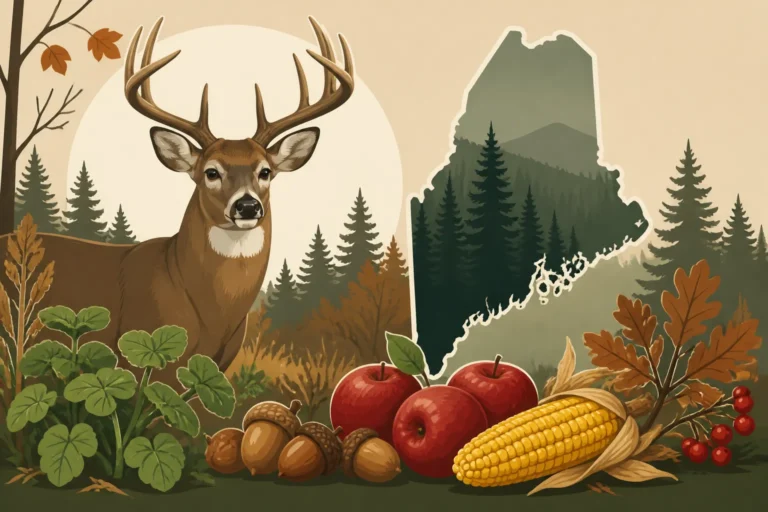
Maine whitetail deer survival in deep snow requires eating conifer needles and five-foot browse lines inside cedar swamps.
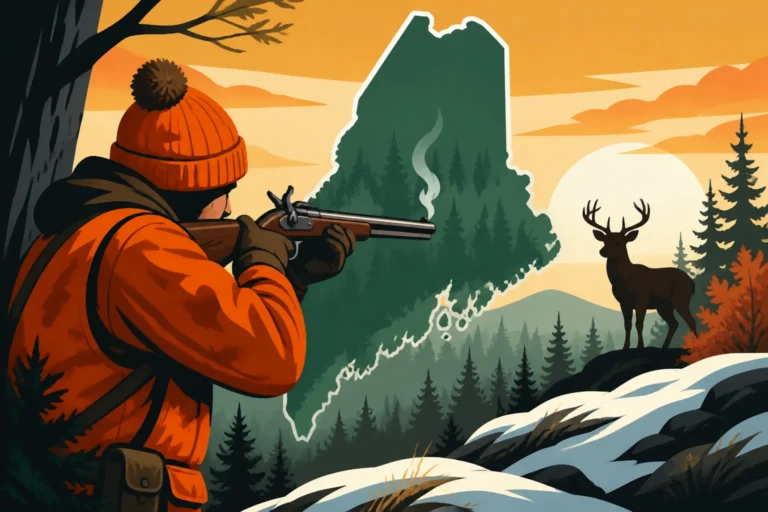
Maine muzzleloader season details explain specific Wildlife Management District dates, permit rules, and late-season whitetail deer survival behaviors.
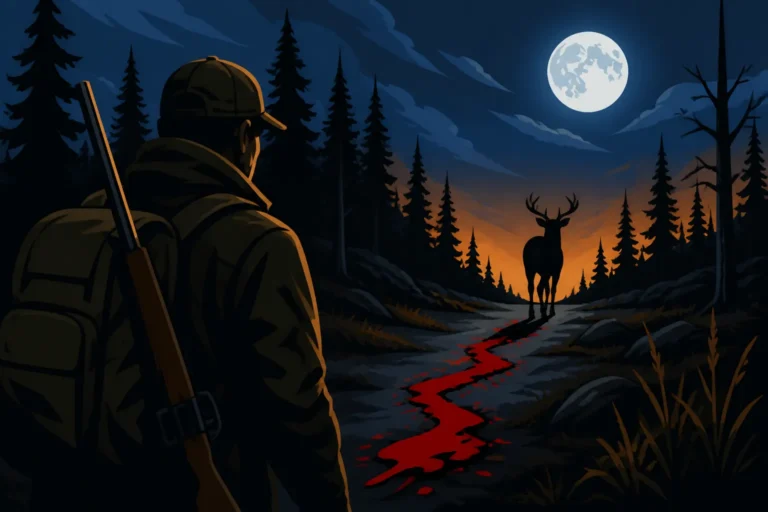
Nighttime blood trailing in Maine explains tactical gear like headlamps and flashlights for hunters recovering deer after dark.
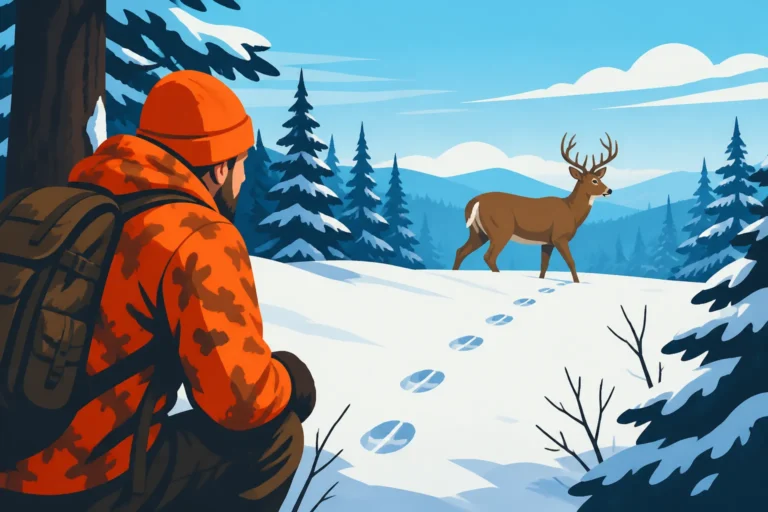
Fresh Maine snow conditions alter deer tracking, affecting track definitions, blood visibility, and hunter mobility across varying winter depths.
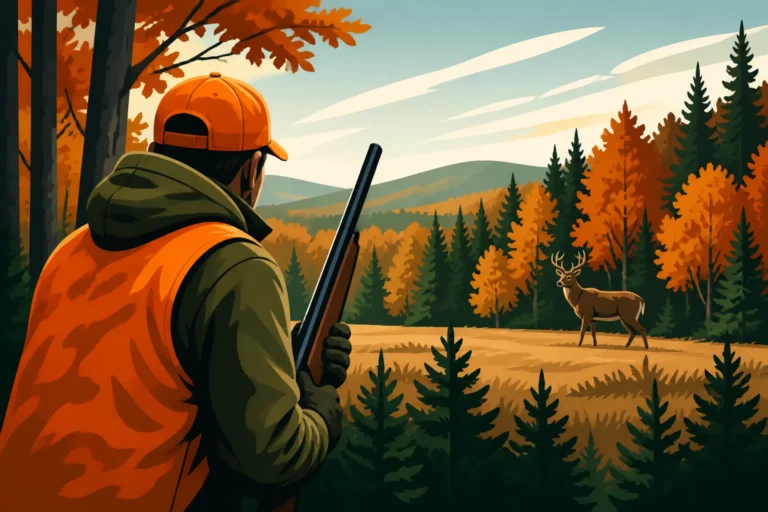
A posted deer drive strategy places stationary standers and drivers to block whitetail escape routes in Maine woodlots.
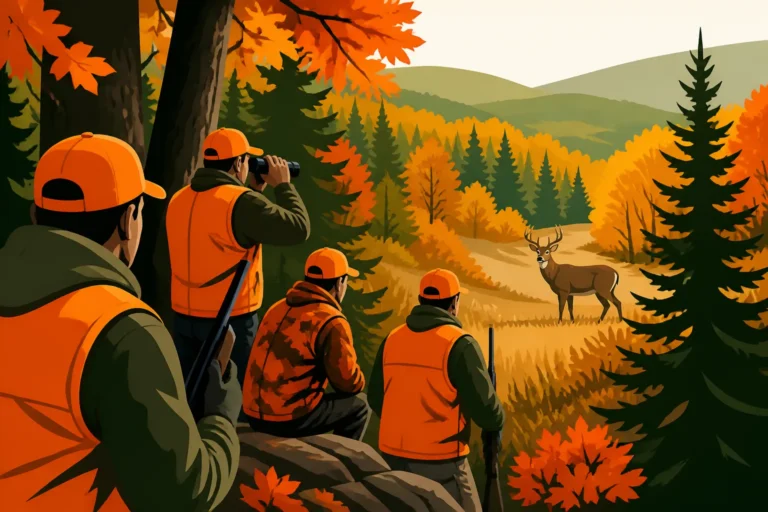
Small team deer drives with three or four hunters explain tactical positioning for drivers and standers in Maine landscapes.