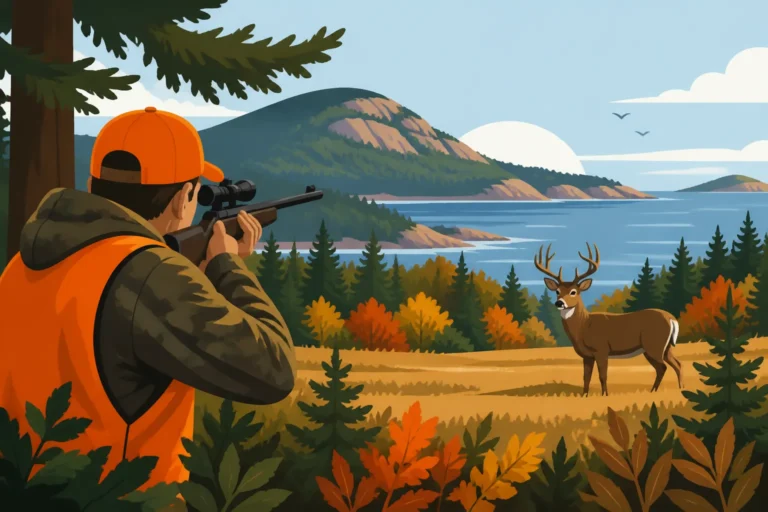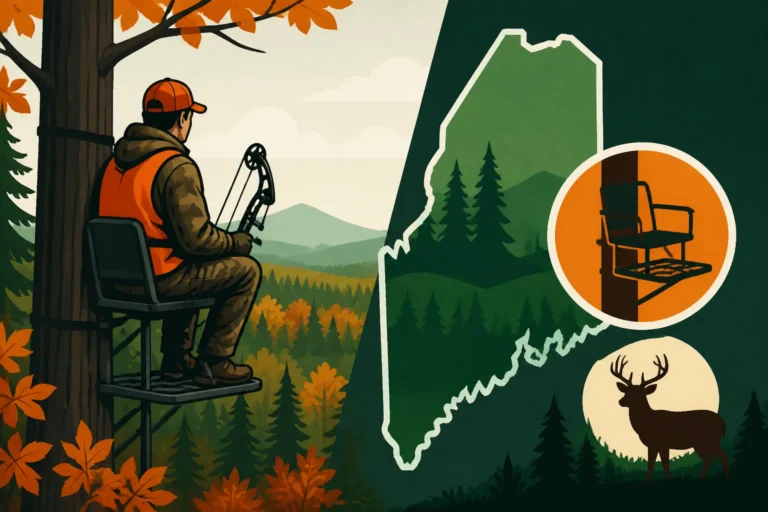
Best Public Ground for Southern Maine Deer
Trying to find great public land to hunt deer in Southern Maine can feel like you're searching for a secret treasure map. It’s easy to get discouraged when you see sprawling housing developments and "Posted" signs seemingly everywhere. Many folks assume all the good spots are locked up in private hands or require a trip way up north. But trust me, opportunities abound for those willing to put in the work and think a little differently. This guide is all about helping you uncover those overlooked, deer-rich public parcels right here in our backyard, offering strategies to maximize your success without needing a private land handshake.
The Unique Challenge of Hunting Public Land Deer in Southern Maine
When people think of hunting deer in Maine, their minds often drift to the vast, unbroken forests of the North Maine Woods, teeming with moose and remote camps. Southern Maine, however, presents a completely different landscape. We're talking about a mosaic of suburban sprawl, small towns, working farms, and fragmented woodlots. This reality makes public land deer hunting here a distinct challenge, but also one with unique rewards for the persistent hunter. The deer are here, they're just masters of adapting to human presence and utilizing every scrap of available cover.
Navigating Pressure and Perception
One of the biggest hurdles is the perception that all public land in Southern Maine is either heavily pressured or devoid of significant deer numbers. It’s true that some easily accessible spots, especially near urban centers, will see a lot of foot traffic from hikers, dog walkers, and other hunters. This can make a quick, casual hunt frustrating. However, this pressure often means that deer become incredibly nocturnal and adept at finding sanctuary in the thickest, nastiest cover, or even right under our noses in small, forgotten pockets. The key is to look beyond the obvious entry points and understand how deer use the land to avoid detection. You might be surprised what a savvy old buck considers a safe haven, even if it’s just a few hundred yards from a busy road.
Why Southern Maine Deer are Different
Deer in Southern Maine, particularly the older bucks, are arguably some of the most challenging and intelligent whitetails to hunt. They've grown up navigating human activity, understanding vehicle sounds, and recognizing scent trails left by people. This isn't the North Woods where a deer might just stare at you for a minute before trotting off. Here, they're jumpy, wary, and will often detect you long before you ever see them. They'll use every ditch, fencerow, and cedar swamp as a travel corridor, moving silently and efficiently. Understanding this behavior, and adapting your tactics to match, is crucial. It’s a game of chess, not checkers, and the deer here are grandmasters.
Unlocking Public Land Opportunities: Where to Focus Your Efforts
While Southern Maine might not boast vast tracts of contiguous public land like the northern reaches, it does offer a variety of state and local public parcels that can hold surprising numbers of deer. The trick is knowing what type of land to look for and how to research its access and regulations.
Wildlife Management Areas (WMAs)
Maine's Wildlife Management Areas are specifically managed by the Maine Department of Inland Fisheries and Wildlife (MDIFW) for wildlife habitat and public recreation, including hunting. In Southern Maine, these WMAs might not be as expansive as those up north, but they are often strategically located to provide crucial habitat corridors for deer, especially within more developed areas. They frequently include diverse habitats like mature woodlands, marshlands, old fields, and dense swamps – all magnets for whitetails.
When scouting WMAs, don't just focus on the obvious clearings. Deer, especially bucks, will gravitate towards the thickest, least accessible parts of a WMA. Think about sections surrounded by water, deep cedar swamps, or areas with dense brush that are just plain hard to walk through. These are often where the mature deer feel safe. Use aerial maps to identify these sanctuaries and plan your approach from less obvious angles. Some WMAs may also have specific regulations regarding vehicle access or stand placement, so always check the MDIFW website for the particular area you plan to hunt. For a deeper dive into these managed areas, check out Maine Wildlife Management Areas.
Public Reserved Lands and State Forests
Beyond WMAs, Maine also maintains a system of Public Reserved Lands and State Forests. These lands are managed by the Maine Bureau of Parks and Lands for multiple uses, including timber harvesting, recreation, and wildlife habitat. While some of these are concentrated in central and northern Maine, you'll find smaller, often overlooked parcels scattered throughout the southern counties.
These areas can be goldmines because they often experience less concentrated hunting pressure than some of the more well-known WMAs. They might be managed for timber, which means you could find recent clear-cuts, young regenerating forest, or mature stands—all of which provide varied habitat for deer. Recent logging operations, for instance, can create excellent bedding and browse opportunities. However, you'll need to do your homework to confirm hunting access and any specific rules, as some might have designations that restrict hunting in certain zones. Look for "working forests" where sustainable timber management creates a constantly changing, dynamic landscape that deer love.
Municipal and Utility Lands
This is where the real "secret sauce" for Southern Maine public land deer hunting often lies. Many towns own parcels of undeveloped land, sometimes designated as town forests, conservation areas, or watershed protection zones. Additionally, utility companies (like power or water providers) often own large tracts of land for infrastructure protection. These lands can be incredibly diverse, ranging from small woodlots to extensive riparian corridors.
The key with municipal and utility lands is that access rules can vary wildly. Some towns openly allow hunting, others have restrictions, and some prohibit it entirely. You'll need to contact town offices, conservation commissions, or utility land management departments directly to inquire about hunting policies and obtain any necessary permits. This takes effort, but the reward can be finding a virtually unpressured pocket of deer habitat that other hunters overlook because of the perceived hassle. Look for these parcels that connect larger blocks of habitat or create natural funnels within suburban landscapes.
Scouting and Strategy: Turning Public Land into Your Private Deer Honey Hole
Finding the public land is only half the battle. Successfully hunting deer on these pressured Southern Maine parcels requires a methodical approach to scouting and a flexible hunting strategy.
Digital Scouting: Your Pre-Season Advantage
Before you ever step foot in the woods, the best tool in your arsenal for Southern Maine public land is a robust digital mapping application. Platforms like onX Hunt or GoHunt are absolutely invaluable for identifying public land boundaries, parcel ownership, topography, and aerial imagery. I can't stress this enough: you need to use these tools. Start by layering public land boundaries over aerial photos to identify smaller, out-of-the-way parcels. Look for areas with thick cover, water sources, and natural funnels like creek bottoms or pinch points between fields and dense woods.
Spend hours zooming in and out, marking potential bedding areas, travel corridors, and feeding sites. Identify potential access points that are less obvious or require a bit more walking, as these often lead to less pressured areas. Look for features like Scrape Lines Along a Logging Road or Hunting a Ridge-Top Saddle for Rutting Bucks that might not be visible from a main road. These apps can also show you topography, helping you understand how wind and thermals will affect scent distribution, which is critical in tighter quarters. This digital recon saves countless hours of aimless wandering and helps you prioritize your boots-on-the-ground efforts. Learn more about leveraging technology in Scouting With the Maine Hunting App.
Boots-on-the-Ground Reconnaissance
Once you've identified promising areas digitally, it's time to put boots on the ground, preferably before the season opens and even during the off-season. Walk the boundaries, look for fresh deer sign—tracks, rubs, scrapes, and droppings. Pay close attention to transition areas where different habitat types meet, like where an old field transitions into a thick spruce stand or where hardwoods meet a swamp. These edges are often high-traffic zones for deer.
In Southern Maine, deer often feel secure in surprisingly small pockets of thick cover. Don't dismiss a ten-acre patch of dense brush just because it looks small on a map. Walk through it. You might find a web of deer trails leading to a hidden bedding area. Focus on Hunting a Funnel Between Two Woodlots or checking Entry Routes Through a Cut Cornfield if you're near agricultural land. Remember, deer are highly sensitive to pressure. When scouting, move slowly, quietly, and try to leave as little human scent as possible. Think of yourself as a detective, gathering clues without alerting the "suspects."
Adapting Your Hunting Approach
Hunting pressured public land in Southern Maine means you often need to adjust your tactics compared to more remote areas. Still-hunting, moving slowly and deliberately through the woods, can be incredibly effective. Take three steps, then stop and scan, listening intently. Pay attention to subtle movements and sounds. Deer often blend into their surroundings remarkably well.
Another excellent strategy is using ground blinds, especially if you can brush them in effectively. Brushing In a Blind on a Field Edge or setting up in a less obvious location allows you to get into a spot undetected and wait for deer to move naturally. Since these areas can be small, minimizing your impact is crucial. Enter and exit quietly, ideally in low light, and consider how your scent is drifting. Early morning or late afternoon, when deer are most likely to be moving between bedding and feeding areas, will be your prime times. Be prepared to hunt tight cover; sometimes the best spots are the nastiest.
Key Considerations for Southern Maine Deer Hunting Success
Beyond specific locations and scouting, there are overarching principles that will dramatically increase your odds of tagging a deer on Southern Maine public land. It's about combining knowledge, patience, and ethical hunting practices.
Understanding Deer Movement in Fragmented Habitat
Deer in Southern Maine are experts at navigating fragmented landscapes. They don't have the luxury of endless woods, so they utilize every available piece of cover, no matter how small. They'll travel along fencerows, through brushy creek bottoms, or use small woodlots as stepping stones between larger blocks of cover. Working a Fencerow for Late-Season Deer or Working a Creek Bottom for Late-Season Deer can yield surprising results.
They often become highly nocturnal in heavily pressured areas, moving primarily under the cover of darkness. This means dawn and dusk are absolutely critical hunting times. Setting up on a travel corridor between a known bedding area and a food source at these times can pay off. During the mid-day, they'll often bed down in the thickest cover available, sometimes within sight of homes or roads, knowing most hunters won't venture into such dense tangles. Consider Where Maine Bucks Bed in Big Timber and how they apply similar principles to smaller, thicker pockets.
Respecting Boundaries and Local Regulations
Hunting near populated areas means you absolutely must be hyper-vigilant about property lines and local ordinances. Always confirm the boundaries of public land with your mapping app and be aware of any "safety zones" around dwellings or occupied buildings where discharging a firearm or arrow is prohibited. Never assume; always verify. Maine Trespass and Permission Law is something every hunter should be familiar with.
Being a good neighbor is paramount to preserving public hunting access in these areas. Pick up your trash, close gates, and be courteous to any non-hunters you encounter. If a deer runs onto private land, know the rules for Retrieving Game From Private Land in Maine. A positive public image helps ensure these precious public hunting opportunities remain available for years to come.
Seasonal Tactics for Southern Maine Whitetails
Your approach should also shift with the season. Early archery season in Southern Maine often finds deer still in summer patterns, focused on lush green browse and soft mast like apples. Hunting a Standing Apple Orchard can be very productive. As the general firearms season approaches in November, the rut becomes a significant factor. While it's still about finding cover, bucks will be more on the move, chasing does. Rattling and grunting can be effective in calling curious bucks into range, especially in the thick cover typical of Southern Maine. Rattling and Grunting Maine Bucks can be very effective.
Late season, after firearms have pushed deer around, often revolves around finding remaining food sources. Late-Season Food Sources for Maine Whitetails might include standing corn, untouched brassicas in a food plot, or leftover mast. Cold weather also makes deer seek thermal cover, like dense conifer stands or south-facing slopes. Adjusting your strategy to these seasonal shifts is key to consistent success on Southern Maine public land.
| Public Land Type | Typical Size | Deer Potential | Hunting Pressure (Gen.) | Key Strategy |
|---|---|---|---|---|
| Wildlife Management Areas | Medium to Large | High | Moderate to High | Exploit thick cover, scout remote access points |
| Public Reserved Lands | Large | Moderate to High | Low to Moderate | Focus on timber cuts, transition areas, deeper sections |
| Municipal/Utility Lands | Small to Medium | Moderate | Low (often overlooked) | Verify specific rules, target overlooked pockets |
| State Forests | Large | Moderate | Low to Moderate | Look for varied habitat, less foot traffic |
| Coastal Islands (limited) | Small | Moderate | Low (specialized) | Requires boat access, specific regulations for hunting |
Disclaimer
This article is for general informational purposes only and does not constitute professional advice. Laws, prices and regulations vary by location and change over time. Consult a qualified professional for guidance on your specific situation.