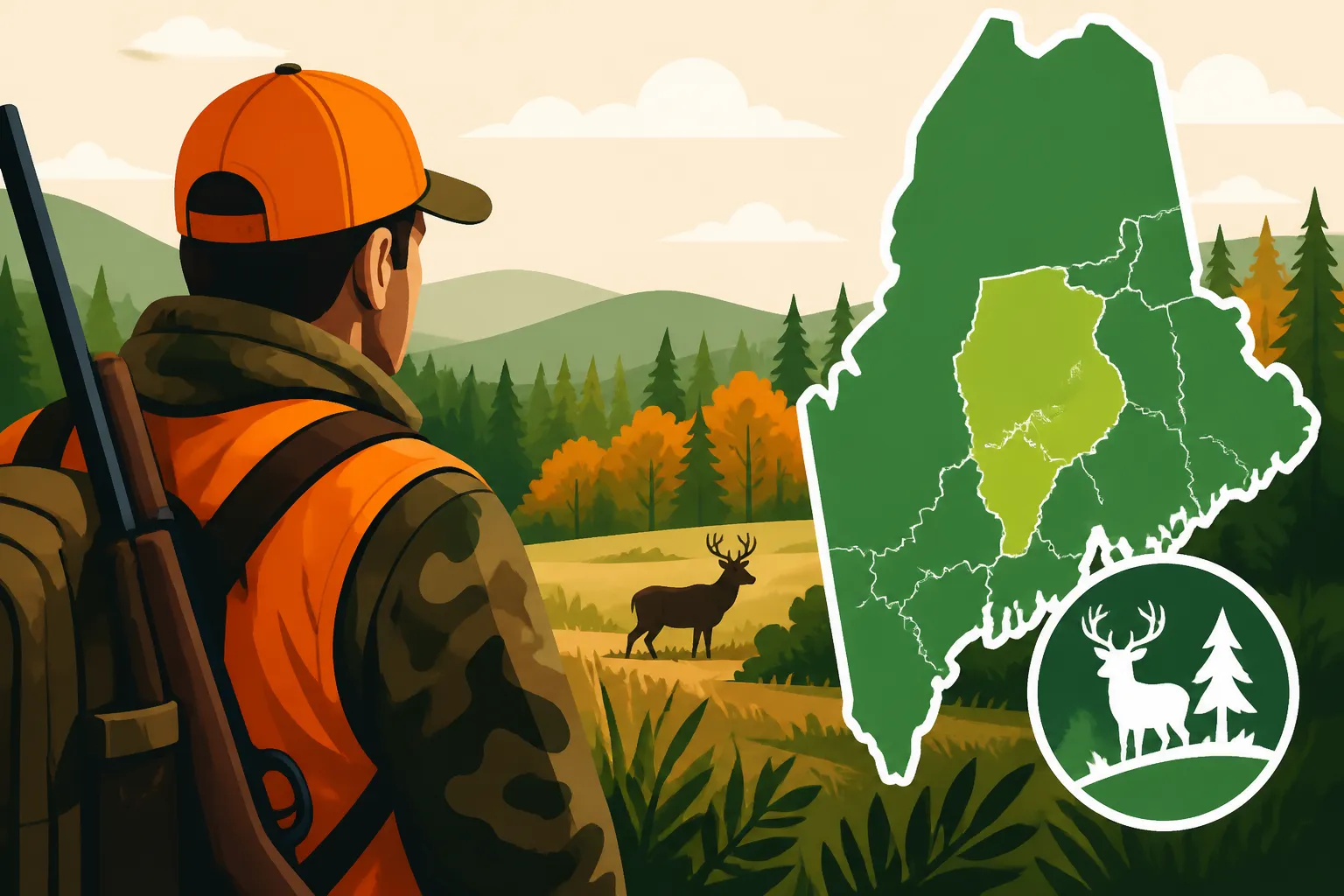
Waldo County Public Hunting Access
Hunting in a county like Waldo can feel like a riddle sometimes. You know the deer are there, the turkeys are strutting, and there's a wildness to the landscape, but figuring out exactly where you can legally and ethically pursue game on public ground often feels like a puzzle with missing pieces. This guide is here to help you navigate the nuanced world of Waldo County's public hunting access, breaking down where you can go, what you can expect, and how to make the most of your time afield in this unique region of Maine.
Understanding Waldo County's Unique Landscape for Hunting
Waldo County presents a fascinating and often challenging environment for hunters. Unlike the vast, uninterrupted forests of the North Woods, this region is a tapestry of diverse habitats, each with its own character and implications for wildlife and access.
The Mix of Agriculture, Forest, and Coast
Waldo County stretches from inland forests down to the Penobscot Bay, creating a rich mosaic of environments. You'll find active agricultural fields, rolling hardwood ridges, dense softwood stands, winding rivers, and tidal estuaries. This diversity means a broader range of game species can thrive here compared to a more homogenous landscape. Deer often transition between cover in woodlots and feeding in agricultural fields, making them pattern differently than deep-woods deer. Wild turkeys find refuge and roosting sites in mature timber, while foraging in fields and along wood edges. Small game like ruffed grouse might be found along old logging roads and alder runs, and snowshoe hare in thick conifer stands.
The proximity to the coast also means that certain areas will hold specific waterfowl opportunities, particularly around the many small rivers, ponds, and tidal marshes that dot the landscape. This mixed habitat, however, often leads to more fragmented ownership, which is where the challenge for public access truly begins. Understanding these habitat patterns is your first step to success.
General Public Land Access Realities in Waldo County
When you think of "public hunting land" in Maine, the image of vast, unbroken wilderness often comes to mind. While that's true for some parts of the state, Waldo County's reality is a bit different. Here, public access often comes in smaller, more dispersed parcels. Maine has a long-standing tradition of Maine's Private Land Access Tradition which generally means you can hunt on private land that isn't posted with signs prohibiting access. However, in more populated, semi-coastal counties like Waldo, "Posted" signs are far more common than in the remote timberlands. This means hunters need to be extra vigilant and always know exactly where they stand.
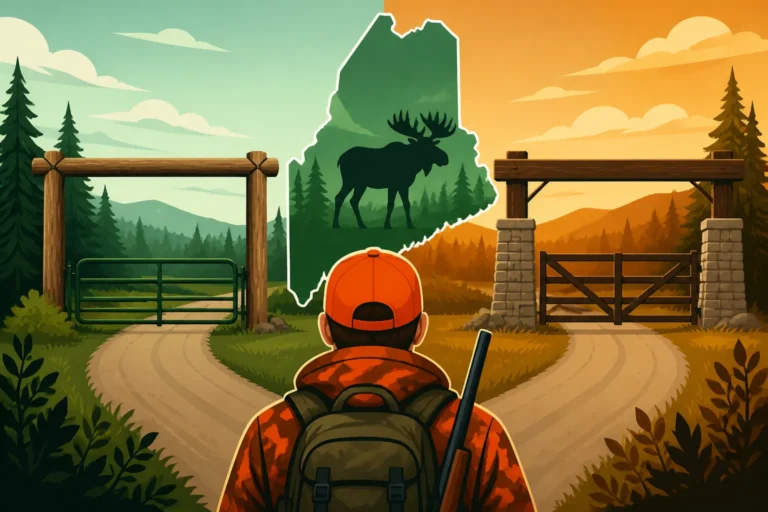
This tradition of implied permission doesn't apply to land that is clearly marked with "No Trespassing" or "Permission Required" signs. You absolutely need to respect these boundaries, not just for legal reasons, but to maintain the positive relationship between landowners and hunters that Maine is so proud of. Unlike the structured The North Maine Woods Gate System where large tracts of industrial forest are accessible for a fee, public lands in Waldo County are usually a patchwork of state-owned parcels, conservation easements, and occasionally, federal lands. It requires more homework, but the rewards are often fewer hunters and surprisingly good opportunities.
Key Public Hunting Areas and How to Access Them
Finding public hunting ground in Waldo County isn't always as simple as picking a spot on a map. It requires a bit of detective work and a good understanding of the different types of public and accessible lands available.
State-Owned Wildlife Management Areas (WMAs)
Maine's Wildlife Management Areas are cornerstones of public hunting access, and Waldo County is home to several parcels managed for wildlife habitat and public recreation. These WMAs are explicitly set aside for hunting, fishing, trapping, and other outdoor pursuits. While they may not be as massive as some WMAs further inland, they are often strategically located in areas that provide critical habitat for deer, turkeys, waterfowl, and small game.
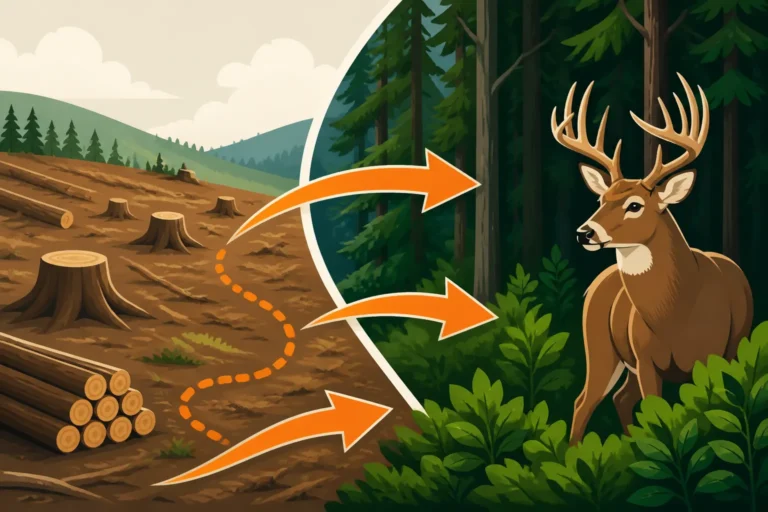
For example, you might find WMAs that encompass a mix of wetlands, agricultural fields, and forest, providing excellent waterfowl hunting in season, or great deer and turkey cover along field edges. Always check the specific rules and regulations for each WMA, as some may have restrictions on vehicle access, overnight camping, or even specific hunting methods. These areas are actively managed to enhance wildlife populations, meaning you often find signs of habitat work like clear-cuts or planted food plots, which can be fantastic for targeting game. Remember to consult the state's official resources for a current list of Maine Wildlife Management Areas and their regulations.
Public Reserved Lands and Other State Holdings
Beyond the dedicated WMAs, Maine also maintains a system of Public Reserved Lands. These are parcels of land managed by the Bureau of Parks and Lands, often for multiple uses including timber harvesting, recreation, and wildlife habitat. These lands can range from small woodlots to larger tracts, and they are generally open to hunting unless otherwise posted for specific reasons, such as public safety near a popular hiking trail.
Identifying these parcels is crucial. This is where modern mapping technology becomes your best friend. Services like onX Hunt allow you to layer public land boundaries over detailed satellite imagery, clearly showing you where state-owned land begins and ends. You can zoom in and identify potential access points, scout terrain features like ravines, ridges, or old logging roads, and even see recent timber cuts that can concentrate deer and other game. Using these tools to identify Public Reserved Lands can open up significant opportunities, especially if you're willing to walk a bit further from common access points. Look for the yellow or red boundaries on your mapping app, indicating state ownership, and always double-check against posted signs on the ground.
Federal Lands and Easement Properties
While large federal land holdings like National Forests are not common in Waldo County, it's worth being aware of any potential federal lands, such as portions of National Wildlife Refuges, or lands held under federal conservation easements. These are less common than state-managed properties in this particular region but can offer excellent, often less-pressured, hunting experiences.
Conservation easements, whether held by federal agencies, state agencies, or non-profit land trusts, are particularly important. These are agreements where landowners sell or donate certain development rights, often in exchange for maintaining public access for recreation, including hunting. Again, mapping tools like GoHunt or onX Hunt are invaluable for identifying these easement properties and understanding their specific access rules. Sometimes, these easements are on large timber company lands, offering expansive opportunities, while others might be smaller parcels managed for specific habitat types. Always verify the rules for any easement property, as they can vary significantly from one parcel to another.
Strategies for Maximizing Your Success on Waldo County Public Land
Hunting in Waldo County's mixed landscape requires a thoughtful approach. Success often hinges on a combination of technology, diligent scouting, and an understanding of how game animals respond to pressure in a more settled environment.
Leveraging Mapping Technology and Scouting
In Waldo County, your digital mapping applications are perhaps your most critical piece of gear, right after your weapon and hunting license. Tools like onX Hunt and GoHunt provide an unparalleled advantage by showing property lines, landowner names, and different types of public land. Before you even set foot in the woods, you can use these apps to identify promising pockets of state land nestled among private parcels, locate potential access points, and analyze terrain features. Look for areas where public land abuts agricultural fields or dense timber — these transition zones are often deer highways. Identify pinch points, creek bottoms, ridge tops, and old logging roads that might funnel game movement.
Beyond digital scouting, physical pre-season scouting is non-negotiable. Walk those public parcels, even the small ones. Look for fresh deer tracks, rub lines, scrape lines, and well-used trails. Pay attention to food sources, whether it's acorns in an oak stand, apples in an old orchard, or browse in a recent clear-cut. Knowing the lay of the land, understanding recent logging activity, and finding fresh sign will drastically improve your odds. Scouting Maine Private Land Before Season is not just a suggestion; it's a necessity in a fragmented landscape. Don't be afraid to put in the miles; often, the best spots are just beyond where most hunters are willing to go.
Understanding Hunting Pressure and Timing
Public lands, especially those easily accessible, often see considerable hunting pressure. This pressure can significantly impact deer and turkey behavior. Game animals will quickly learn to avoid open areas during daylight hours, opting for dense cover or moving primarily at night. To counter this, consider hunting during weekdays when pressure is typically lower. If you hunt on a weekend, try to get into your spot well before legal shooting light and stay until the very end.
Another strategy is to focus on overlooked areas. Most hunters will gravitate towards obvious access points or easily navigable terrain. Look for those tangled cedar swamps, steep ravines, or thick stands of spruce that others might bypass. These can serve as sanctuaries for pressured deer. Understanding the various Maine Archery Season Dates and Maine Firearms Season Dates can help you predict when certain areas will experience more pressure. Later in the season, after the initial rush, deer often return to more predictable patterns, making good scouting pay off. If you are Hunting a Funnel Between Two Woodlots that is on public land, expect it to see traffic.
Respecting Landowner Boundaries and Wildlife
Maine's tradition of implied permission relies heavily on hunters acting responsibly and respectfully. Always assume land is private unless clearly marked as public, or you have verified its status with a mapping tool. Even then, if a private landowner has posted their land, that posting takes precedence. Maine Trespass and Permission Law is clear: you must respect posted land. Crossing a property line, even inadvertently, can lead to serious consequences and erode the goodwill between landowners and the hunting community.
Beyond legal obligations, ethical hunting practices are paramount. This includes clean shots, diligent Blood Trailing After Dark in Maine for recovered game, and proper field dressing. Leave no trace of your presence—pack out everything you pack in, and perhaps even a little more. Be mindful of non-hunters you might encounter on public lands, such as hikers or birdwatchers. A courteous greeting goes a long way. By acting as a responsible ambassador for hunting, you help ensure that public and private land access remains open for future generations.
Game Species to Pursue in Waldo County's Public Access Areas
Waldo County's diverse habitat means you have a good shot at a variety of game species on public lands, making it an excellent choice for a multi-species hunter or someone looking to fill their freezer.
Deer Hunting Opportunities
Waldo County holds a healthy population of White-Tailed Deer Across Maine, offering solid opportunities, especially for those willing to put in the scouting time. While you might not find the sheer numbers of deer per square mile as in some agricultural parts of southern Maine or the vast unbroken forests of the North Woods, Waldo County deer are often well-fed thanks to the mix of agricultural fields and mast crops. This means bucks can grow to impressive sizes.
The challenge, as mentioned, is the fragmented habitat. Deer often use small woodlots and riparian corridors as travel routes between larger blocks of cover and feeding areas. Focus your efforts on public parcels that are adjacent to private agricultural fields (respecting boundaries, of course), or those that contain dense cover like cedar swamps or thickets, where deer feel secure. Hunting pressure can push deer into these thick, undesirable spots, making them excellent places to find a mature buck during the firearms season. Look for signs of deer browsing, rubs, and scrapes, particularly along the edges of public and private land.
Turkey and Small Game
Waldo County boasts a thriving Wild Turkeys in Maine population, providing exciting spring and fall hunting opportunities. Turkeys in this region often roam freely across both public and private lands, utilizing open fields for feeding and mature timber for roosting. Public reserved lands and WMAs with suitable habitat can offer excellent spring gobbler hunting. Listen for gobblers on the roost at dawn, then set up strategically to call them in. In the fall, focus on breaking up flocks and calling individuals back in, particularly in agricultural areas or along timber edges. Spring Turkey Hunting in Maine and Hunting Maine's Generous Fall Turkey Season are both viable pursuits here.
For small game enthusiasts, Waldo County offers good hunting for Ruffed Grouse in Maine and Snowshoe Hare in Maine. Grouse thrive in early successional habitat, so look for old clear-cuts, young regenerating timber, and thick alder runs, especially along old logging roads on public parcels. A good bird dog can be a huge asset here. Snowshoe hare prefer dense conifer cover, particularly spruce and fir thickets, where they have protection from predators and plenty of browse. These species offer a fantastic way to extend your time afield, particularly after deer season, and can be found on many of the same public lands you'd scout for deer.
Waterfowl and Other Migratory Birds
Given Waldo County's coastal proximity and numerous inland ponds, rivers, and wetlands, waterfowl hunting can be a rewarding pursuit. The county falls within the Atlantic Flyway, and various species of ducks and geese utilize these waters during migration and as wintering grounds. Public boat launches provide access to larger bodies of water, while smaller WMAs might offer walk-in opportunities to ponds or marshes.
For those with a boat and seeking a unique challenge, parts of Waldo County's coastline offer access to Maine Sea Duck Season and Zones. Eiders, scoters, and long-tailed ducks can be found in the coastal waters, requiring specialized boats and hunting techniques. However, even inland, on larger rivers and ponds, you'll find opportunities for dabbling ducks like mallards and black ducks, and diving ducks. Always be aware of local regulations, daily bag limits, and ethical considerations, especially when hunting near populated areas or shorelines.
Here's a quick overview of public land characteristics in Waldo County:
| Public Land Type | Typical Size Range | Primary Game Potential | Key Characteristics | Access Challenge |
|---|---|---|---|---|
| Wildlife Management Areas | Small to Medium | Deer, Turkey, Waterfowl, Small Game | Actively managed for wildlife, diverse habitats. | Specific rules; can see pressure; dispersed. |
| Public Reserved Lands | Small to Large | Deer, Turkey, Small Game | Multi-use, often forested, generally open to hunting. | Dispersed; requires map review; often less habitat work. |
| Conservation Easements | Medium to Large | Deer, Moose (rarely), Turkey, Small Game | Agreements with landowners; specific access rules vary. | Rules vary; need to verify access details carefully. |
Remember, successful hunting in Waldo County, especially on public land, comes down to diligent research, respect for the land and landowners, and a willingness to explore.
Disclaimer
This article is for general informational purposes only and does not constitute professional advice. Laws, prices and regulations vary by location and change over time. Consult a qualified professional for guidance on your specific situation.