Booking a Guided Western Maine Deer Hunt
There's a special kind of allure to deer hunting in Western Maine. It’s a region of vast forests, rolling mountains, and some truly challenging terrain, a stark contrast to the more open farmland of other states. For many hunters, especially those not intimately familiar with these woods, the idea of pursuing a Maine whitetail can feel a little overwhelming. That's where a guided hunt comes into play, offering a path through the wilderness and the knowledge needed to turn a dream into a successful harvest. This guide is all about helping you understand what's involved in booking a guided deer hunt in this beautiful, rugged part of our state.
Why Consider a Guided Deer Hunt in Western Maine?
Western Maine isn't your average whitetail destination. It's a place where the deer numbers can be lower than in agricultural areas, but the bucks, when you find them, are often mature and truly hard-earned trophies. Navigating this landscape and understanding its unique deer behavior can be a monumental task for an uninitiated hunter.
The Unique Terrain and Challenges of Western Maine
Picture this: steep, rocky ridges covered in dense spruce and fir, transitioning into mixed hardwoods in the valleys. You've got vast tracts of timber company land, interspersed with remote wilderness areas and sometimes, small pockets of private land around quiet towns. This isn't a place where you'll often sit on a field edge and watch deer pour out. Instead, you're looking at still-hunting through thick cover, picking apart tracks in fresh snow, or patiently waiting in a well-scouted funnel. The deer here are masters of concealment, adept at using the terrain to their advantage. They don't just walk around; they flow with the contours, constantly aware of their surroundings. For someone accustomed to flatter, more open country, the sheer verticality and dense undergrowth can be a shock, making simply moving through the woods a workout, let alone hunting effectively.
The challenge isn't just physical, though. It's also about understanding the subtle nuances of deer movement in such a wild setting. Where do deer seek shelter during a December blizzard? What kind of cover provides thermal protection on a bitter cold day? How do they navigate across these extensive landscapes? These are questions that years of experience, not just a few days of scouting, can answer. This is where the guide's deep knowledge of the land becomes invaluable. They know the old logging roads, the hidden cedar swamps that serve as Maine Deer Wintering Yards Explained, and the subtle benches on a mountainside where a big buck might bed down.
Overcoming Hunting Pressure and Finding Quality Bucks
Even in remote Western Maine, hunting pressure is a reality, especially during the peak of Maine's Four-Week Firearms Deer Season. Public access points might see several vehicles, and popular logging roads can become busy. However, a good guide has spent countless hours scouting, not just during the off-season, but year-round. They know where the pressure typically concentrates and, more importantly, where the deer go to escape it. This often means accessing areas that are difficult to reach for the average hunter, perhaps through long walks, ATV trails, or even by boat across a lake. They might have permission to hunt specific private parcels that offer low-pressure sanctuary, or they might simply know those obscure pockets on public land that hunters overlook.
Furthermore, Western Maine is known for growing some truly magnificent deer, even if they aren't as numerous as in other parts of the state. These bucks are survivors, often reaching impressive age classes due to the challenging environment and intelligent hunting strategies required. A guide can often identify areas that consistently produce mature deer, perhaps based on historical harvest data or extensive trail camera surveys. They're looking for that perfect blend of food, cover, and water, often far from the beaten path, where a mature buck feels secure enough to spend his days. The guide's job isn't just to put you on deer, but to increase your odds of encountering a quality deer.
Leveraging Local Expertise for a Successful Hunt
Let's be honest, you can read all the articles and watch all the videos you want, but nothing replaces boots-on-the-ground experience. A Registered Maine Guide is steeped in the local knowledge of their operating area. They understand the specific food sources available in a given year – whether it's a good mast crop year for acorns or beech nuts, or if deer are relying more heavily on browse due to a poor soft mast season. They can tell you how Wind and Thermals in Maine Hill Country will affect deer movement on a particular ridge at a specific time of day. They know the subtle signs of a buck working a Scrape Lines Along a Logging Road or the well-worn deer trails that connect feeding areas to bedding cover.
This local expertise extends beyond just deer behavior. A guide understands the ever-changing Maine weather patterns, knowing when a cold front will push deer to feed or when heavy snow will limit their movement to specific corridors. They also possess critical safety knowledge for operating in vast, remote wilderness, from navigation skills to first aid. When you're in the deep woods of Western Maine, having a seasoned professional lead the way provides an immense sense of security and allows you to focus purely on the hunt, rather than worrying about getting lost or making a critical navigational error.
What a Guided Western Maine Deer Hunt Typically Entails
Booking a guided hunt isn't just about paying someone to point you to a deer; it's about investing in a comprehensive experience designed to maximize your chances of success while providing invaluable insights into Maine's unique hunting culture.
Common Services and Inclusions
When you book a guided deer hunt in Western Maine, you're usually signing up for more than just a day in the woods. Most outfitters offer packages that bundle several essential services. At its core, you're getting the guide's time and expertise in scouting, tracking, and putting you in the best position to harvest a deer. This includes daily guiding in the field, often involving transporting you to and from hunting areas, which can sometimes be quite remote.
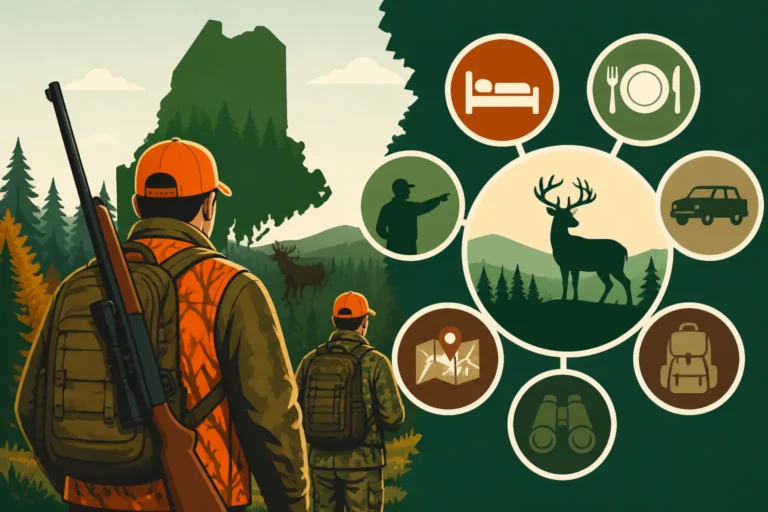
Beyond the actual hunting, many guided packages include lodging. This could range from a rustic cabin deep in the North Woods to a comfortable sporting camp with hot meals and shared bunkhouses. Some outfitters, especially those further off the beaten path, will even include home-cooked meals, ensuring you're well-fed and ready for a physically demanding day. A crucial service that often goes unstated but is inherently part of a guided hunt is game recovery and field dressing. Imagine harvesting a buck in a deep ravine in late November; recovering that animal solo can be an immense challenge. Your guide will be there to help with Field Dressing a Deer in Cold Weather and getting your deer back to camp, often making use of ATVs, snow sleds, or other specialized equipment for Dragging a Deer Out of a Cedar Swamp. Some outfitters even assist with caping and quartering the animal for transport or delivery to a local butcher or taxidermist. When looking at options, a platform like BookYourHunt can be a great place to see what different Western Maine outfitters include in their standard packages.
Types of Hunting Methods Employed by Guides
The hunting methods a guide employs will often depend on the specific terrain, time of year, weather conditions, and the hunter's physical capabilities and preferences. Western Maine, with its diverse landscape, lends itself to several effective strategies.
One of the most common approaches is still-hunting or spot-and-stalk. This involves moving slowly and deliberately through the woods, pausing frequently to glass ahead and scan for movement or deer sign. A guide, with their intimate knowledge of the area, will know the most productive travel corridors, bedding areas, and feeding zones. They might lead you on a strategic route up a mountainside or along a ridge, Still-Hunting Western Maine Mountain Slopes, to cover ground effectively.
Another popular method, especially as the season progresses and snow arrives, is tracking. Maine has a rich tradition of Tracking a Deer in Fresh Maine Snow, and a skilled guide can read tracks like an open book, discerning not just the size and gender of the deer, but also how recently it passed and its probable direction of travel. This is an incredibly exciting and challenging way to hunt, often leading to close-quarters encounters.
Stand hunting, while perhaps more common in other states, is also utilized, especially around pinch points, funnel areas, or specific food sources. Guides might have pre-hung stands or ground blinds set up in proven locations. This is particularly effective during the rut, when bucks are more active, or in late season around scarce food sources. Some guides also employ Deer Drives With Three or Four Hunters, especially if hunting with a small group, to move deer through thick cover towards waiting hunters. Your guide will work with you to determine the best approach based on the conditions and your hunting style.
The Typical Daily Schedule and Expectations
A guided deer hunt day in Western Maine is typically an early start and a late finish. You can expect to be up well before dawn, enjoying a hearty breakfast provided by the outfitter. The focus is always on getting into the woods and set up before first light. Depending on the hunting method, you might spend the morning still-hunting, tracking, or sitting in a blind. Your guide will often be right there with you, or within close communication if you're in a stand.
Midday might involve a packed lunch in the field, or a return to camp for a warm meal and a brief break, before heading back out for the afternoon hunt. The evening hunt is just as critical, as deer often become active again closer to dusk. You’ll stay out until legal shooting light ends, then make your way back to camp. Expect long days in potentially challenging weather. Good communication with your guide is paramount – if you need a break, or are struggling with the terrain, speak up. They are there to make your experience successful and enjoyable. The typical schedule is geared around prime deer movement times, meaning you'll be spending as much time as possible in the field when deer are most likely to be active.
Finding and Vetting Your Western Maine Deer Outfitter
Finding the right guide is like finding the right partner for a big project; you want someone reliable, knowledgeable, and who shares your vision for the hunt. Don't just pick the first name you find online.
Key Questions to Ask Prospective Guides
Before committing to a guided Western Maine deer hunt, you should have a list of thoughtful questions ready. This isn't just about getting information; it's also about gauging the guide's professionalism, communication style, and how well they align with your expectations.
Start with logistics: "What are your typical hunt dates for deer season?" "What does a standard package include – is lodging, food, and game processing assistance part of the price?" "What is the maximum number of hunters you take out at one time?" A smaller client-to-guide ratio often means more personalized attention.
Then dive into the hunting specifics: "What hunting methods do you primarily use for deer in this area?" "How much physical exertion is typically involved in your hunts?" (Crucial for Western Maine's terrain!). "What are your typical success rates, and what does 'success' mean to you?" (Some guides focus on a deer, any deer, others on mature bucks). "What is your philosophy on shot placement and ethical harvesting?" You want a guide who prioritizes ethical hunting.
Don't forget the 'what ifs': "What is your cancellation policy, and what happens in case of extreme weather?" "Do you have references from past clients I can contact?" A reputable guide will gladly provide them. Also, ask about their experience level and tenure in the specific area you'll be hunting. A guide who has been operating in Western Maine for decades will have a deeper understanding of its nuances than someone new to the region. Remember, you can use sites like BookYourHunt or GoHunt to filter for guides in specific regions and then start making those inquiry calls.
Red Flags and How to Avoid Them
Just like any industry, there are less-than-stellar operators out there. Knowing what red flags to look for can save you a lot of headache and disappointment.
A major red flag is a guide who promises a "guaranteed kill." Hunting is called hunting for a reason; there are no guarantees. A guide's job is to maximize your chances, but Mother Nature and the deer ultimately dictate success. Be wary of anyone making outlandish claims.
Another concern is a lack of transparency regarding pricing or services. If a guide is vague about what's included, or if the price seems too good to be true, it probably is. Get everything in writing, clearly outlining inclusions, exclusions, and payment terms.
Beware of guides who cannot provide references, or who seem evasive when you ask specific questions about their experience or hunting territory. A legitimate What a Registered Maine Guide Is will be proud of their credentials and happy to share their knowledge. Also, ensure they are properly licensed to guide in Maine. You can often check the state's official website for guide licensing verification. Finally, trust your gut. If something feels off during your conversations, it’s usually a good indicator to look elsewhere. It's your hard-earned money and precious vacation time; don't settle for less than a professional operation.
Resources for Finding Reputable Outfitters
The digital age has made it easier than ever to find reputable outfitters, but it also means wading through a lot of noise. Here are some trusted avenues.
Online Hunting Portals: Platforms like BookYourHunt and GoHunt specialize in connecting hunters with guides and outfitters worldwide. They often feature detailed profiles, client reviews, photos, and clear breakdowns of hunt packages. These sites can be incredibly useful for comparing options in Western Maine and getting a sense of pricing and availability. They also often verify guide licenses and insurance, adding a layer of trust.
State Wildlife Agencies: The Maine Department of Inland Fisheries and Wildlife (MDIFW) website is an excellent resource. While they won't endorse specific guides, they often have lists of licensed guides or links to associations of Registered Maine Guides. This is a crucial first step to ensure you're dealing with someone legitimate.
Hunting Forums and Social Media Groups: Online hunting communities, especially those focused on Maine or New England, can be treasure troves of information. Ask for recommendations, read reviews, and observe discussions about various guides. Be discerning, as personal opinions vary, but consistent positive feedback is a good sign.
Word-of-Mouth: If you know other hunters who have been to Maine, especially Western Maine, ask them for their recommendations. Personal referrals are often the most reliable way to find a great guide.
Outdoor Shows and Expos: Attending regional outdoor expos allows you to meet guides face-to-face, ask questions, and get a feel for their personality and approach. Many Maine outfitters attend shows throughout the Northeast.
Understanding the Costs and Logistics of a Guided Hunt
Investing in a guided hunt is a significant decision, and understanding the financial and logistical aspects upfront will prevent unwelcome surprises.
Breaking Down the Typical Expense Structure
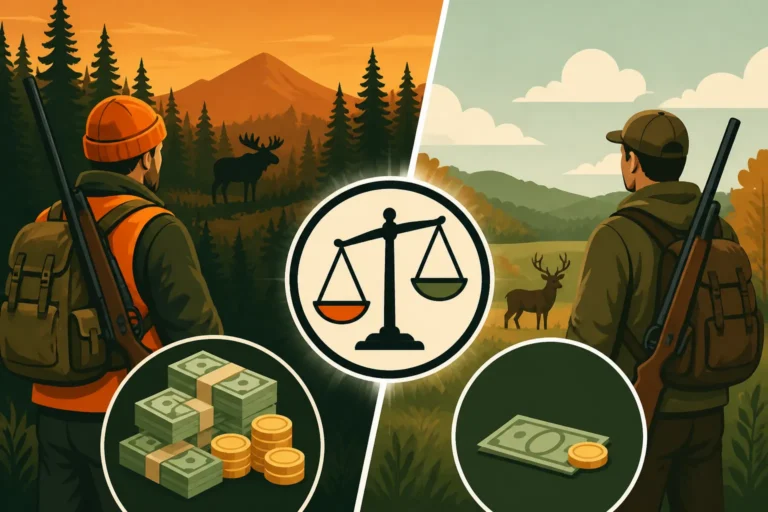
The cost of a guided Western Maine deer hunt can vary widely depending on the duration, inclusions (like lodging and food), the guide's reputation, and the remoteness of the hunt area. Generally, you can expect a daily rate, or a package price for a multi-day hunt (e.g., a 3-day or 5-day hunt).
Base Package Cost: This will cover the guiding services, and often includes lodging and meals. For a multi-day hunt, this is usually the bulk of your expenditure. A remote camp offering fully catered services will understandably cost more than a day hunt where you provide your own accommodations and food.
Licenses and Permits: You'll be responsible for purchasing your Maine Hunting Licenses and What They Cost, including the appropriate deer tags. This is usually not included in the guide's fee.
You can find current costs on the MDIFW website, but expect to budget separately for these.
Travel Expenses: Consider the cost of getting to Western Maine. If you're flying, factor in airfare to Bangor or Portland, and then potentially car rental or shuttle services to your outfitter's location. If driving, calculate gas and potential tolls.
Gear and Ammunition: While your guide may provide some gear, you'll need your own rifle, bow, or muzzleloader, appropriate ammunition, and personal hunting clothing suitable for Maine's often harsh weather.
Tips for Guides: It's customary to tip your guide for good service, much like you would a fishing charter captain or a restaurant server. This can range from 15-20% of the hunt's cost, or a set daily amount if preferred. This is an important part of a guide's income and a way to show your appreciation for their hard work.
Taxidermy and Meat Processing: Unless specified, these services are typically an additional cost after a successful harvest. Your guide can usually recommend local, reputable businesses for both.
Deposit Policies and Cancellation Considerations
Almost every reputable outfitter will require a non-refundable deposit to secure your hunt dates. This is standard practice, as they are holding those dates specifically for you and turning away other potential clients. The deposit often ranges from 25-50% of the total hunt cost. The remaining balance is typically due either a certain number of days before your hunt, or upon arrival at camp.
It is absolutely crucial to understand the cancellation policy before you put down a deposit. Life happens – unforeseen emergencies, illness, or travel issues. Ask about:
- Refunds: Are deposits ever refundable under specific circumstances?
- Rescheduling: Can you reschedule your hunt for a later date or the next season if you have to cancel? Are there any fees associated with rescheduling?
- Transfers: Can you transfer your deposit or hunt to another hunter if you can't make it?
Some outfitters offer travel insurance or strongly recommend clients purchase their own. This can protect your investment if you have to cancel for covered reasons. Don't assume anything; get the full policy details in writing. A platform like GoHunt or BookYourHunt often has clear cancellation policies listed for their partnered outfitters, making comparisons easier.
Planning Your Travel and Accommodation
Getting to Western Maine for a guided deer hunt involves a bit of planning. The region is beautiful but can be remote, so understanding travel times and logistics is key.
Air Travel: If flying, your most likely arrival points will be Bangor International Airport (BGR) or Portland International Jetport (PWM). From there, you'll typically need to arrange ground transportation. Some outfitters offer airport pickup as part of their package, especially for more remote camps. Otherwise, you'll need to rent a vehicle.
Driving: Many hunters choose to drive, especially if bringing a lot of gear. Western Maine is accessible via major interstates and state routes, but expect to encounter gravel roads and potentially challenging winter driving conditions as you get closer to your hunting destination, particularly in November and December. Always check road conditions before you travel, especially after snowstorms.
Accommodations: If your guided package includes lodging, great! If not, you'll need to secure your own. Options can range from small town motels, B&Bs, or rental cabins. Book well in advance, especially during peak hunting season, as popular areas can fill up quickly. Consider the proximity of your lodging to your hunting areas to minimize travel time each day. A guide will typically operate out of a central base, and knowing the travel distance to that base is important for your daily routine.
Preparing Yourself for a Successful Guided Deer Hunt
A guided hunt offers a significant advantage, but it's not a magic bullet. Your preparation plays a huge role in your overall success and enjoyment.
Essential Gear and Clothing for Western Maine Weather
Maine weather, especially in the fall and early winter, is unpredictable and can change rapidly. You might start a day with crisp, clear skies and end it with driving snow or freezing rain. Layering is not just a suggestion; it's a necessity.
- Base Layers: Moisture-wicking synthetics or merino wool are crucial to draw sweat away from your body, even in cold temperatures.
- Mid Layers: Fleece or insulated jackets for warmth.
- Outer Layers: A waterproof, windproof, and breathable outer shell is non-negotiable. Look for durable, quiet fabrics in appropriate camouflage or blaze orange, depending on legal requirements for How Much Blaze Orange Maine Requires.
- Headwear: A warm hat (beanie or insulated cap) is essential, as you lose a lot of heat through your head. Consider a neck gaiter or balaclava for windy days.
- Gloves: Multiple pairs are best – thin liners for dexterity, and heavy, insulated gloves or mittens for sitting in the cold.
- Footwear: Waterproof, insulated hunting boots are paramount. Look for options with good traction for slippery, uneven terrain. Bring multiple pairs of wool or synthetic socks.
- Backpack: A comfortable daypack for carrying extra layers, water, snacks, first-aid, and emergency gear.
- Optics: Good quality binoculars are essential for spotting deer in dense cover. A rangefinder is also highly recommended.
- Weapon: Ensure your rifle, bow, or muzzleloader is sighted in and you are proficient with it. Practice shooting in various conditions, similar to what you might encounter in the field. This is not the time to be trying a new setup.
Your guide will likely provide a suggested gear list, but this general overview should get you started. Remember, being cold or wet can quickly ruin a hunt, so err on the side of bringing too much rather than too little.
Physical and Mental Conditioning
Western Maine deer hunting is physically demanding. You'll likely be walking miles each day, often uphill, over uneven ground, and sometimes through deep snow. Still-hunting requires stamina, and tracking can turn into an all-day trek.
Physical Preparation: Start a fitness routine well before your hunt. Focus on cardiovascular endurance (hiking, jogging, cycling), strength training (especially legs and core), and flexibility. If possible, hike with your loaded hunting pack on varied terrain to simulate field conditions. Don't underestimate the physical toll of a multi-day hunt in challenging country. The better shape you're in, the more enjoyable and successful your hunt will be.
Mental Preparation: Hunting in Western Maine can also be mentally taxing. Deer here are often spread out, and success might come only after long hours of patient effort. You might go days without seeing a deer, or only get a fleeting glimpse. Be prepared for slow periods and maintain a positive attitude. Trust your guide's judgment and stay focused. Learning about Hunting Western Maine Mountain Notches will give you a good mental picture of the physical challenges. A guided hunt is a partnership, and a mentally tough hunter is an asset.
What to Communicate with Your Guide Before Arrival
Clear and open communication with your guide is paramount for a successful hunt. Don't wait until you're at camp to discuss important details.
Your Experience and Expectations: Be honest about your hunting experience, physical capabilities, and what kind of deer you hope to harvest. Are you looking for any legal deer, or are you holding out for a mature buck? This helps your guide tailor the hunt to your goals.
Dietary Restrictions and Medical Conditions: Inform your guide about any allergies, dietary restrictions, or medical conditions (e.g., diabetes, heart conditions, mobility issues) well in advance. This is crucial for their planning and your safety.
Weapon and Proficiency: Let your guide know what type of weapon you'll be using and confirm that it meets Maine's legal requirements for deer hunting. Mention any specific preferences or limitations you have with your equipment.
Arrival and Departure Times: Confirm your exact travel plans, including arrival and departure times, so your guide can coordinate pickups or directions.
Questions and Concerns: If you have any remaining questions about gear, licenses, or anything else, ask them before you arrive. Don't hesitate to reach out. A good guide appreciates proactive communication. This kind of open dialogue ensures everyone is on the same page and helps foster a positive relationship right from the start.
Maximizing Your Guided Hunt Experience in Western Maine
A guided hunt is an investment, not just financially, but in an experience. To get the most out of it, both you and your guide have roles to play.
Being a Good Client and Building Rapport
A successful guided hunt isn't just about the guide's expertise; it's also about the relationship you build with them. Your guide is your partner in the field, working hard to put you in a position to succeed. Being a good client means respecting their knowledge, following their instructions, and showing appreciation for their efforts.
Respect and Trust: Your guide has spent countless hours in these woods. Trust their judgment on where to hunt, how to approach a situation, and when to be patient. They understand the nuances of the local deer and terrain better than anyone. Questioning every decision can undermine their confidence and create a strained atmosphere.
Effort and Engagement: Be an active participant in the hunt. Stay focused, remain vigilant, and be prepared to put in the physical effort required. If you're still-hunting, move quietly and deliberately. If you're in a stand, stay alert and minimize movement. Your guide is looking for deer; you should be too.
Open Communication: Keep the lines of communication open. If you're cold, tired, or need a break, tell your guide. If you see something, point it out immediately and discreetly. They can only help you if they know what's going on.
Gratitude: A simple "thank you" for a long day's effort goes a long way. Remember the tipping etiquette mentioned earlier; it's a direct way to show your appreciation for a job well done. Building a positive rapport can make your hunt much more enjoyable and, often, more successful.
Flexibility and Adaptability in the Field
Western Maine deer hunting is inherently dynamic. What worked yesterday might not work today due to weather changes, deer movement, or increased pressure. A successful hunter and client are flexible and adaptable.
Weather Changes: Be prepared for sudden shifts in weather, from sunshine to snow, rain, or bitter cold. Your guide might change plans based on conditions, deciding to hunt a different area, try a new method, or alter the schedule. Embrace these changes; they are made for a reason.
Deer Movement: Deer are wild animals, and their patterns can change without notice. If an area isn't producing, your guide might suggest moving to a new spot or altering your strategy. Don't get fixated on one location or one method. A good example of this is when to expect a buck to come through based on the Hunting the Rut in Early November vs. a late-season snowstorm shifting deer movement completely.
Unforeseen Challenges: Equipment malfunctions, unexpected encounters with other hunters, or difficult tracking conditions can all arise. A calm, flexible attitude helps everyone navigate these challenges effectively. Your guide will work tirelessly to overcome obstacles, and your positive attitude can be a great asset. Sometimes the best laid plans go awry, and being able to roll with the punches is key to enjoying the wilderness experience, even if the deer aren't cooperating.
Post-Hunt Logistics and Follow-Up
The guided hunt doesn't necessarily end when you leave camp. There are still some important logistics and considerations.
Game Processing and Taxidermy: If you harvest a deer, your guide will assist with field dressing. Discuss where you plan to have the meat processed and if you intend to get taxidermy done. Your guide can provide recommendations for local butchers and taxidermists who are familiar with handling Maine big game. Understand the rules for Registering a Maine Deer Online and ensure all legal requirements are met.
Departure: Confirm your departure logistics with your guide. If they are providing transportation to an airport or if you need directions for your drive, finalize these details. Ensure you have packed all your belongings.
Feedback: Consider providing honest and constructive feedback to your outfitter after your hunt. This can be directly to the guide, the outfitter's main office, or through review platforms like BookYourHunt or GoHunt. Your insights can help them improve their services for future clients.
Stay in Touch: Many hunters develop lasting friendships with their guides. Don't hesitate to send a photo of your processed meat or your mounted trophy. It’s a great way to maintain the connection and potentially plan future adventures.
A guided Western Maine deer hunt offers a deep dive into some of the most rugged and rewarding hunting experiences Maine has to offer. With careful planning, open communication, and a readiness to embrace the wild, it can be an unforgettable journey.
| Aspect | Self-Guided Hunt (Western Maine) | Guided Western Maine Deer Hunt |
|---|---|---|
| Local Knowledge | Requires extensive scouting, map study, and trial-and-error. | Immediate access to years of guide experience and local expertise. |
| Access to Land | Limited to public lands or requiring self-secured permission. | Often includes access to private leases or difficult-to-reach public areas. |
| Hunting Methods | Hunter's choice, but learning effective methods can take time. | Guide will recommend/lead proven methods for the specific conditions. |
| Game Recovery | Entirely hunter's responsibility, can be physically taxing. | Guide assistance with field dressing, recovery, and transport. |
| Lodging & Meals | Hunter responsible for all arrangements and costs. | Often included in package price (cabins, camps, home-cooked food). |
| Safety & Navigation | Hunter responsible for all safety protocols and navigation. | Guide provides expert navigation, safety, and emergency protocols. |
| Cost | Lower upfront cost, but requires investment in gear, gas, time. | Higher upfront cost, but includes services, expertise, and often lodging/food. |
| Learning Curve | Steep, requires significant independent effort and persistence. | Accelerated, with direct instruction and demonstration from an expert. |
Disclaimer
This article is for general informational purposes only and does not constitute professional advice. Laws, prices and regulations vary by location and change over time. Consult a qualified professional for guidance on your specific situation.