What a Semi-Guided Maine Hunt Means
It’s a common scenario: you’re dreaming of a hunting trip to Maine, maybe chasing whitetails through crisp autumn woods or calling a spring gobbler, but the terms "fully guided," "self-guided," and "semi-guided" start to swirl in your head, making the whole planning process feel more complicated than it needs to be. Many hunters want a balance – a little help and local knowledge, but still the satisfaction of doing much of the work themselves. This guide is here to untangle the nuances of a semi-guided hunt in Maine, helping you understand exactly what to expect and whether it’s the right fit for your next adventure.
Understanding the "Semi-Guided" Spectrum in Maine
The term "semi-guided" can sometimes feel a bit like a choose-your-own-adventure novel, with each outfitter offering a slightly different interpretation of what it entails. It’s not a black-and-white definition, which can certainly lead to frustration if you’re expecting one thing and get another. In Maine, where hunting traditions run deep and the terrain can be challenging, understanding this spectrum is crucial to a successful trip. It sits squarely between the fully hands-on, self-sufficient approach and the all-inclusive, every-step-of-the-way guidance of a full package.
Defining the Middle Ground
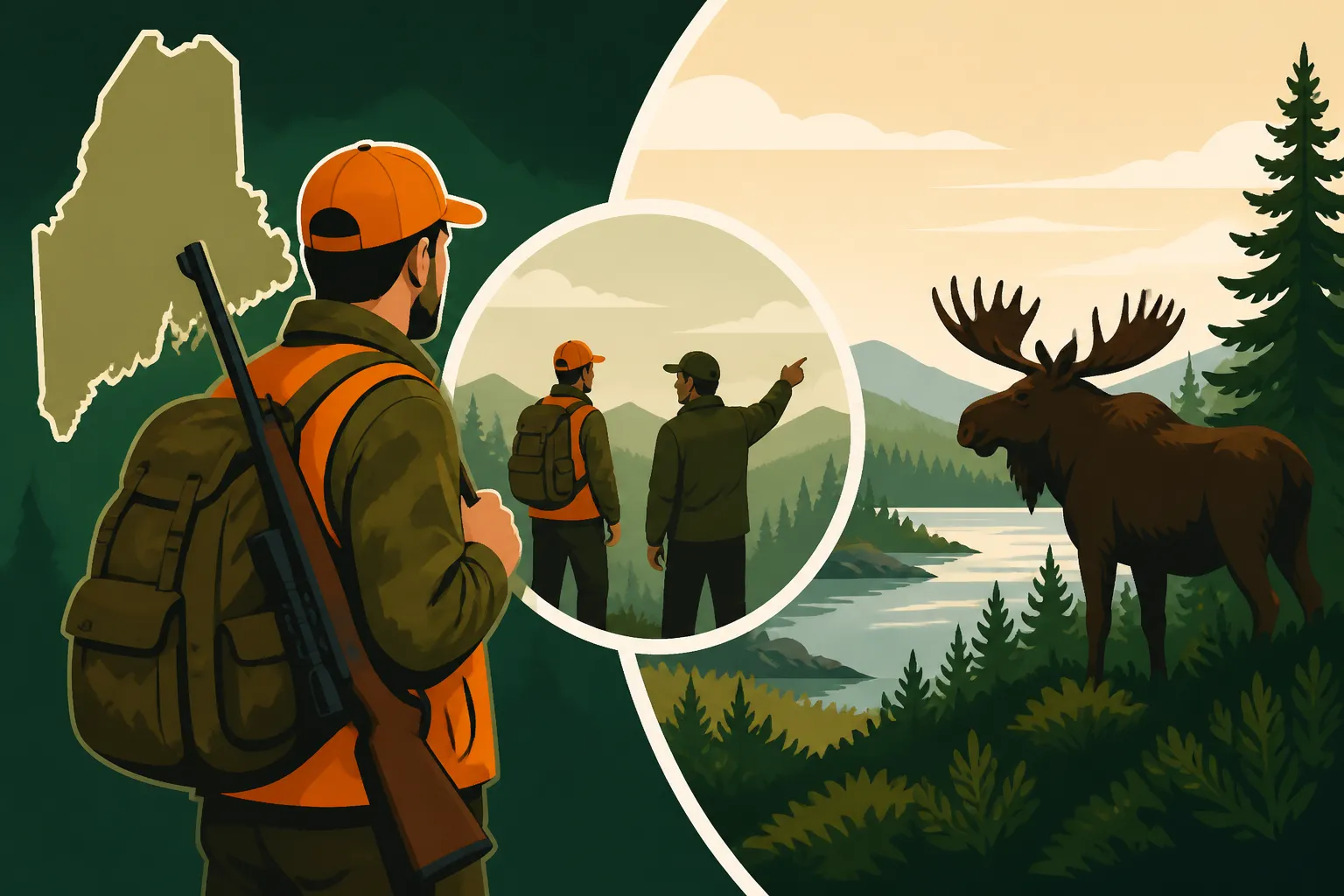
At its heart, a semi-guided hunt means you're getting some level of assistance from an outfitter or a Registered Maine Guide, but you're not getting a dedicated guide by your side for every single moment of the hunt. Think of it as a partnership where the outfitter provides the critical framework and resources, and you provide the hunting skill and effort. This often involves things like pre-scouted areas, access to private land, basic lodging, and perhaps some initial advice on where to hunt or what game cameras are showing. You’ll find some outfitters lean more heavily on the "guide" side, offering daily check-ins and strategy sessions, while others are more on the "service" side, mainly providing logistics and a place to lay your head. It’s a flexible model, which is why clearly communicating your expectations and asking detailed questions upfront is so important when booking.
More Than Just a Place to Sleep
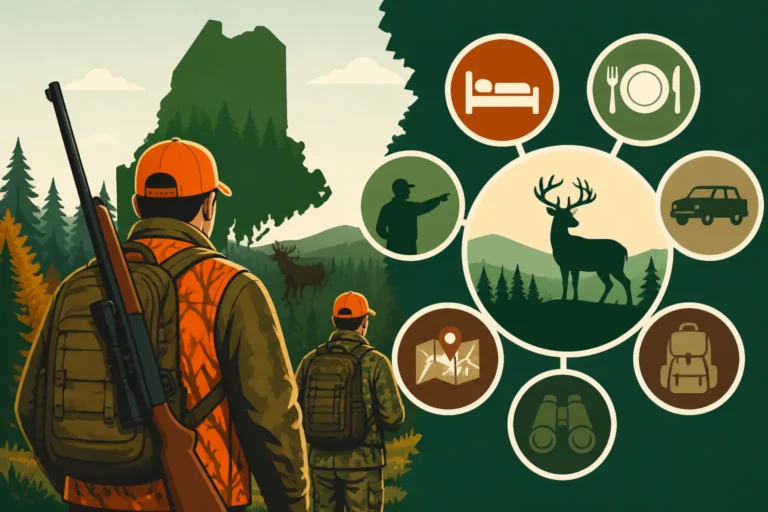
While some might mistakenly think a semi-guided hunt simply means you get a cabin or a camp, it's typically far more involved than that in Maine. The value comes from the support system. This support can manifest in many ways. Imagine arriving at camp and finding detailed maps with recent deer activity marked out, or being shown a couple of stand locations that have been producing consistent buck sightings. You might have access to an outfitter's network of private land, which can be a game-changer in areas with heavy hunting pressure. Sometimes, it means they’ll help you get your gear to a remote spike camp, or assist with game recovery after a successful harvest. It’s about leveraging local expertise and infrastructure without having a guide leading you by the hand for the entire duration. This balance allows you to maintain a sense of independence, which is a huge draw for many hunters.
The Hybrid Appeal: Why Hunters Choose Semi-Guided Hunts
Many hunters find themselves caught between a rock and a hard place when planning a hunt. They recognize the immense value of local knowledge and access but don’t necessarily want or need the constant companionship and higher price tag of a fully guided experience. This is where the semi-guided model truly shines, offering a flexible solution that caters to a wide range of preferences and budgets.
Balancing Independence and Local Expertise
For seasoned hunters, the thrill often lies in the challenge of the hunt itself – reading the sign, making the stalk, and ultimately executing the shot on their own terms. A fully guided hunt, while effective, can sometimes feel like you’re a passenger in someone else’s adventure. With a semi-guided hunt, you retain that cherished independence. You’re the one deciding where to sit, when to move, and how to approach a situation. However, you’re not going in completely blind. You have the outfitter’s hard-won experience and knowledge backing you up. They might point you toward a specific ridge where bucks are funneling or explain the local impact of a recent logging operation. This blend means you’re making your own decisions, but those decisions are far more informed than if you were relying solely on public land maps and online scouting. It’s about having a safety net of expertise without having your wings clipped. For many, this is the perfect sweet spot for a White-Tailed Deer Across Maine hunt or Spring Turkey Hunting in Maine.
Cost-Effectiveness and Budget Flexibility
Let’s be honest, hunting can be an expensive endeavor, especially when you factor in travel, gear, and licenses. Fully guided hunts, while offering an incredible service, often come with a significant price tag, reflecting the constant, personalized attention of a professional. Semi-guided hunts generally offer a more budget-friendly alternative without sacrificing critical advantages. By taking on more of the day-to-day hunting responsibilities yourself, you reduce the direct labor cost of a guide. This means you can often extend your stay, bring along more specialized gear, or even fit in an extra hunting trip in the season. Instead of paying for a guide’s constant presence, you’re investing in access, scouting, and logistical support. This allows more hunters to experience the rich hunting opportunities Maine offers without completely breaking the bank. It's a way to What a Guided Maine Deer Hunt Costs without paying top dollar for full service.
What a Semi-Guided Package Typically Includes
When you book a semi-guided hunt in Maine, you’re not just showing up hoping for the best. Reputable outfitters and sporting camps offering this service usually have a clear understanding of what’s included, though these specifics can vary. It’s always best to get a detailed breakdown in writing before you commit, so there are no surprises once you arrive.
Essential Services and Access
Typically, a semi-guided package will include lodging, which could range from a cozy cabin at a traditional Maine sporting camp to a rustic spike camp in the remote North Woods. Access to prime hunting grounds is another cornerstone. This might mean permission to hunt vast tracts of private timberland, or areas the outfitter has exclusive leases on. This access is invaluable, as finding good, unpressured land in Maine can be a significant challenge for self-guided hunters.
You can also expect some level of pre-scouting information. This could be detailed maps, trail camera photos from specific locations, or even a walkthrough of promising areas upon your arrival. Many outfitters provide transportation to and from designated hunting areas each day, getting you deeper into the woods than you might be able to go with your own vehicle. For instance, they might drop you off at a pre-set stand location before dawn and pick you up after dark. They'll also likely offer advice on Wind and Thermals in Maine Hill Country or Late-Season Food Sources for Maine Whitetails, leveraging their deep understanding of local conditions.
Support Systems and Gear Considerations
Beyond the basics, good semi-guided operations often include crucial support services. Game retrieval is a big one, especially if you’re hunting large animals like deer or bear in rugged terrain. Hauling a mature buck out of a cedar swamp by yourself is no easy feat, and having the outfitter assist with ATVs, tractors, or even a team of horses can save you immense effort and ensure your valuable meat doesn’t spoil. Some packages might also include initial processing, like quartering your animal, or even transportation to a local butcher or taxidermist.
It’s important to clarify what gear is provided versus what you need to bring. Most semi-guided hunts expect you to bring your own hunting weapon, ammunition, clothing, and personal items. However, they might provide tree stands, ground blinds, or even calling devices. For instance, if you're chasing turkeys, they might provide decoys, or if bear hunting, access to their bait sites. When researching options, platforms like BookYourHunt can be useful for comparing different package inclusions from various Maine outfitters. Always ask about what you need to supply versus what they have on hand.
The Hunter's Role and Responsibilities in a Semi-Guided Hunt
A semi-guided hunt isn't a passive experience where everything is done for you. Far from it! It requires a significant level of participation and preparedness from the hunter. This blend of support and self-reliance is precisely what appeals to many, but it also means you need to arrive ready to put in the work and make informed decisions.
Active Participation and Decision-Making
On a semi-guided hunt, you are still the hunter. The outfitter provides the tools and the canvas, but you paint the picture. This means you’ll be responsible for making your own decisions in the field: where to set up your stand (within designated areas), when to move, what deer to shoot (within legal limits and outfitter guidelines), and how to approach specific situations. While the outfitter might offer general strategies or point you to areas with fresh sign, the daily tactical choices fall to you.
For example, a semi-guided deer hunt might involve the outfitter showing you three promising woodlots, explaining recent activity in each, and then dropping you off. It's then up to you to decide which stand to use, how long to sit, and how to react to changing weather or animal movement. This requires a strong understanding of hunting tactics, animal behavior, and your own capabilities. It's an excellent option for experienced hunters who want the benefit of local knowledge and access without relinquishing their autonomy. This is particularly true if you’re trying to implement specific tactics like Rattling and Grunting Maine Bucks or Still-Hunting Aroostook County Farmland.
Required Skill Set and Preparedness
Because you’re taking on more responsibility, a semi-guided hunt usually demands a higher level of hunting skill and preparedness than a fully guided trip. You should be proficient with your weapon, understand scent control, know how to navigate using maps and GPS (even if the outfitter provides a rough orientation), and be capable of identifying game. Physical fitness is also key, as you might be walking considerable distances, setting up your own stands, or dragging your own game a good distance before assistance arrives.
Additionally, self-reliance means being ready for unexpected challenges. This includes packing appropriate gear for Maine’s unpredictable weather, having emergency supplies, and knowing basic first aid. While the outfitter is a resource, they aren't constantly with you. You need to be able to handle situations independently. If you're a new hunter, consider getting your Maine Hunter Education Requirements fulfilled and gaining some experience before opting for a semi-guided trip, or perhaps starting with a fully guided experience first. Outfitters often appreciate hunters who come prepared and understand their role in the semi-guided dynamic.
Comparing Semi-Guided Hunts to Other Options
Deciding on the right type of hunting trip can be overwhelming, with so many variables at play. To truly appreciate what a semi-guided hunt offers, it's helpful to see how it stacks up against the more common "self-guided" and "fully guided" options. Each has its distinct advantages and disadvantages, catering to different hunting styles, experience levels, and budgets.
Fully Guided vs. Self-Guided vs. Semi-Guided
Let's break down the core differences in a helpful table. This comparison highlights the key aspects of each type of hunt, from the level of support you can expect to the responsibilities that fall on your shoulders.
| Feature | Fully Guided Hunt | Semi-Guided Hunt | Self-Guided Hunt |
|---|---|---|---|
| Level of Support | Extensive: Guide with you daily, calls, stalks, game recovery. | Moderate: Pre-scouted areas, lodging, access, advice, some game recovery. | Minimal: You plan, scout, navigate, recover on your own. |
| Local Knowledge | Direct application by guide on the spot. | Shared: Outfitter provides insights, maps, general strategy. | Acquired by hunter through research, maps, boots-on-the-ground. |
| Access to Land | Often exclusive private land or prime public areas facilitated by guide. | Often exclusive private land or leased access. | Primarily public land; private land requires hunter to secure permission. |
| Hunter's Role | Follow guide's instructions; focus on executing shot. | Active decision-maker; execute hunt with provided resources. | Planner, scout, navigator, hunter, and game processor. |
| Cost Shape | Highest, as it includes daily guide fees and all services. | Moderate, savings from less direct guide time. | Lowest upfront, but requires investment in personal gear, scouting, travel. |
| Independence | Lowest; dictated by guide's strategy. | Moderate; significant autonomy within provided framework. | Highest; complete control over all aspects of the hunt. |
| Best For | First-timers, those seeking highest success rates, trophy hunters, less experienced. | Experienced hunters wanting access and insight, but value independence. | Highly experienced, self-reliant hunters, or those on a strict budget. |
Finding Your Fit: Pros and Cons
The choice between these options often boils down to personal preference, budget, and how much "work" you want to put in.
Fully Guided Hunts:
- Pros: Highest chance of success, invaluable learning experience, all logistics handled, often access to the best private land. Great for those hunting Moose in Maine's North Woods or a specific trophy.
- Cons: Most expensive, less personal autonomy, sometimes feels less like "your" hunt.
Self-Guided Hunts:
- Pros: Most affordable upfront, complete independence, immense satisfaction from self-reliance, opportunity to really learn an area. Can be great for Upland Bird and Small Game Hunting in Maine or Snowshoe Hare Hunting Deep Snow Cover if you know the area well.
- Cons: Most challenging, requires extensive pre-planning, scouting, and physical effort; lower success rates typically, risk of unfamiliarity with terrain and game patterns.
Semi-Guided Hunts:
- Pros: A fantastic balance of independence and support, better access to land and local knowledge than self-guided, generally more affordable than fully guided, still feel like you're "earning" your harvest. Ideal for those who enjoy the challenge but want a competitive edge.
- Cons: Requires good communication with the outfitter to manage expectations, still demands significant hunter effort and skill, can sometimes feel like you’re between two stools if the support isn’t clearly defined.
Ultimately, if you thrive on the challenge of hunting but understand the critical advantage that local knowledge and prime access can provide, a semi-guided hunt in Maine could be your perfect fit.
Finding and Vetting a Semi-Guided Outfitter in Maine
So, you’ve decided a semi-guided hunt sounds like your cup of tea. That’s great! But the next step, finding a reputable outfitter in Maine that truly offers what you're looking for, can feel like a daunting task. Maine is a big state with many great hunting opportunities, from Aroostook County Farmland to Western Maine Mountain Country, and outfitters abound. It's crucial to do your homework to ensure you have a positive and successful experience.
Where to Begin Your Search
Your search should start with a clear idea of what species you want to hunt, the general region of Maine you're interested in, and your budget. Maine boasts a vibrant outdoor community, and many reputable outfitters have a strong online presence. You can find listings through:
- Maine Sporting Camp Associations: Many traditional Maine sporting camps offer semi-guided packages, especially for deer, bear, and sometimes upland birds. These camps often have a long history and deep roots in their communities, and often provide excellent Maine Sporting Camps Explained.
- Online Hunting Platforms: Websites like BookYourHunt and GoHunt compile listings for outfitters across various regions and species. These platforms often include reviews from previous clients, detailed package descriptions, and sometimes even direct contact information for outfitters. This can be a great starting point for comparing options and seeing what's available.
- Hunting Forums and Social Media Groups: Online communities dedicated to Maine hunting can be a treasure trove of information. Ask for recommendations, but always cross-reference any advice with official sources.
- Word of Mouth: Nothing beats a personal recommendation. Talk to fellow hunters who have experience hunting in Maine. They might be able to point you to an outfitter they’ve used or heard good things about.
Once you have a list of potential outfitters, remember to check if they are a Registered Maine Guide. This designation ensures they meet state requirements for experience, first aid, and professional conduct.
Key Questions to Ask Before Booking
Vetting an outfitter for a semi-guided hunt is perhaps even more critical than for a fully guided one, because the "semi" part can be so open to interpretation. Don't be shy about asking detailed questions. Here are some essentials:
- What exactly is included in the "semi-guided" package? Be specific. Ask about lodging, meals (if any), transportation to hunting areas, pre-scouting reports, map provisions, stand placement, and game retrieval. Does it include assistance with Field Dressing a Deer in Cold Weather?
- What level of interaction can I expect with the outfitter/guide during the hunt? Will they check in daily? Offer advice each morning? Is there a dedicated person on-site for questions?
- What kind of hunting grounds will I have access to? Is it private land, leased land, or specific public access points? How much acreage is available per hunter?
- What gear do I need to bring? Clarify if treestands, blinds, decoys, or anything else is provided.
- What is the typical success rate for semi-guided hunters on this property for my desired species? Understand that "success" can mean different things to different people, but it gives you an idea of realistic expectations.
- Can you provide references from past semi-guided clients? Talking to previous hunters is one of the best ways to get an unbiased perspective on their experience.
- What are your policies for cancellations, bad weather, or if I tag out early? Life happens, and knowing these policies upfront prevents surprises. You can find more comprehensive advice in articles like Questions to Ask a Maine Outfitter.
- What safety protocols are in place? Especially important if you're hunting in remote areas.
By asking these thorough questions, you’ll be able to differentiate between outfitters and find one whose definition of "semi-guided" aligns perfectly with your expectations. A good outfitter will be happy to answer all your questions and provide clear, transparent information, ensuring you arrive in Maine confident and ready for your adventure.
Disclaimer
This article is for general informational purposes only and does not constitute professional advice. Laws, prices and regulations vary by location and change over time. Consult a qualified professional for guidance on your specific situation.