Booking Two Species in One Maine Trip
The dream of stepping into the vast Maine wilderness and pursuing more than one game animal in a single, memorable trip is a powerful one for many hunters. However, trying to align different hunting seasons, manage varying regulations, and coordinate logistics can quickly turn that dream into a complex puzzle. This guide aims to unravel the complexities of booking and executing a successful multi-species hunting adventure in Maine, offering practical advice and insights to help you maximize your time in the field.
The Allure and Challenges of Multi-Species Hunts in Maine
There's something incredibly appealing about the idea of a "combo hunt" in Maine. You're already traveling, you've taken the time off work, and you're immersing yourself in the wild. Why not try to make the most of it by pursuing a diverse range of game? The allure lies in the efficiency and the sheer adventure of it all. Imagine calling in a spring gobbler in the morning, then heading out to scout for shed antlers or cast a line for brook trout in the afternoon. Or perhaps you envision chasing ruffed grouse through the alder runs, knowing that a big woods whitetail might just cross your path on the way back to camp. It's about experiencing the full spectrum of what Maine's wild places have to offer.
However, this romantic vision often bumps up against some very real challenges. Maine's hunting seasons, while generous for many species, don't always overlap perfectly. Bag limits, specific weapon restrictions for certain seasons, and regional differences in regulations can be confusing. For instance, a period where you can pursue deer with a bow might also be open for bear with bait, but the legalities of carrying different weapons for different purposes in the field simultaneously need careful consideration. Moreover, physically and mentally, hunting two different species, which often require vastly different tactics and gear, can be exhausting. You might spend a day crawling through thick cedar swamps for a deer, only to need to be agile and quiet for upland birds the next. The mental shift between these approaches is a hunt in itself.
Maximizing Your Maine Hunting Experience
The primary benefit of a multi-species hunt is, without a doubt, getting more bang for your buck – both financially and in terms of experience. Instead of two separate trips, you consolidate travel, lodging, and time away. This is particularly appealing for non-residents who often face longer travel times and higher overall costs for each visit. By combining species, you immerse yourself deeper into the rhythm of the Maine woods, observing how different animals interact with the changing landscape and weather conditions. You also gain a broader skillset as a hunter, learning to adapt your strategies for various game. For example, a hunt for Upland Bird and Small Game Hunting in Maine might also present opportunities to scout for deer sign or observe coyote travel patterns.
Navigating Regulatory Hurdles
Understanding Maine's hunting regulations is paramount, and it becomes even more critical when planning a multi-species trip. Each species has specific open seasons, legal hunting hours, weapon restrictions, and bag limits that can vary by Wildlife Management District (WMD). For instance, Maine Archery Season Dates might overlap with specific small game seasons, but if you're hunting within an Expanded Archery Zone, those dates can extend even further. You'll need to be acutely aware of which license and permit applies to which animal, and ensure you possess all necessary stamps and certifications, such as a federal duck stamp for waterfowl or a HIP certification. Checking the most current Maine hunting law book or the Maine Department of Inland Fisheries & Wildlife (MDIFW) website is not just recommended, it's absolutely essential. Ignorance of the law is never an excuse, and a violation could quickly derail your entire trip.
Prime Pairings: Popular Two-Species Combinations
Certain species combinations just make sense in Maine, either due to season overlap, complementary habitats, or shared hunting tactics. Thinking about these common pairings can help you narrow down your multi-species aspirations.
Deer and Upland Birds
This is arguably one of the most popular and accessible multi-species hunts in Maine. The firearms deer season, especially during October and early November, often coincides perfectly with peak seasons for Ruffed Grouse in Maine and American Woodcock in Maine. You can spend your mornings still-hunting or sitting a stand for deer, then switch gears in the afternoon to walk old logging roads or alder thickets for birds.
- Complementary Tactics: Many deer hunters appreciate the opportunity to stretch their legs and work a bird dog (or just themselves) through cover in the mid-day lulls of deer hunting. Grouse and woodcock often utilize habitat edges – think old clear-cuts, young growth, and swamp fringes – which are also prime deer travel corridors and bedding areas. It's a fantastic way to stay active and engaged throughout the day.
- Gear Considerations: You might carry a shotgun for birds and a rifle for deer, or if you're a skilled shotgunner, some deer slugs can be used. However, be mindful of specific regulations regarding legal weapons in different scenarios. A good pair of waterproof boots and comfortable, quiet clothing suitable for both sitting and walking are essential.
- Best Time: The last two weeks of October and the first two weeks of November are often ideal for this combo, offering crisp autumn weather and active game. Hunting the Rut in Early November can be an exciting time to be in the deer woods, and the birds are still plentiful.
Bear and Moose (Lottery Dependent)
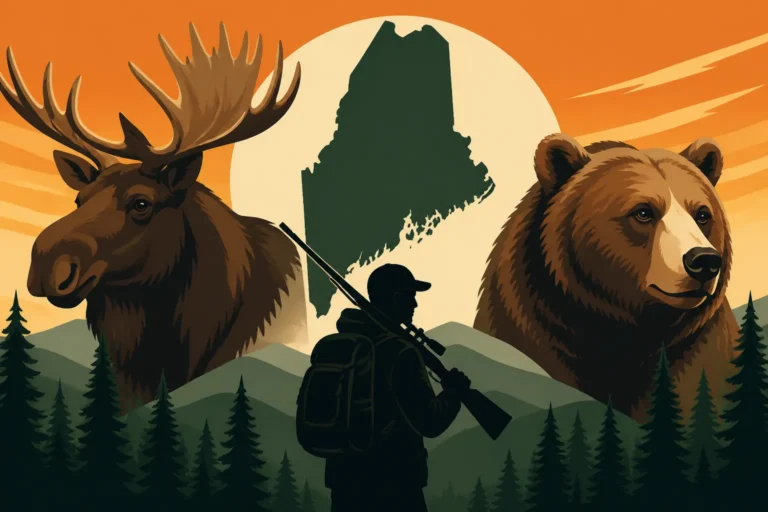
This is a much more aspirational combo, largely dependent on drawing a highly sought-after permit. Maine's Moose Hunting Maine's North Woods season typically occurs in late September and early October, which overlaps with portions of Bear Hunting Maine's Three Legal Methods seasons, particularly hound hunting or still-hunting bears after the bait season closes.
- Logistical Complexity: A successful bear and moose combo hunt requires significant planning. If you've drawn a moose permit, that becomes the primary focus. Adding a bear hunt means coordinating with a guide who can facilitate both, or having the expertise to pursue both independently. Many moose hunters who draw a tag will prioritize that once-in-a-lifetime experience. However, if you are drawn for an early moose week, the later bear seasons could potentially align.
- Guide Services are Key: For most, especially non-residents, attempting this combo almost necessitates a Registered Maine Guide or an outfitter. They have the knowledge of the zones, the animals, and the regulations to make it possible. Booking a Guided Maine Moose Hunt and Booking a Guided Maine Bear Hunt often mean dedicated trips, but some outfitters might offer special packages for fortunate hunters who secure both tags in overlapping seasons.
- Permit Dependency: Remember, moose permits are drawn via a lottery, and bear permits are readily available over the counter, but bear hunting can be challenging without a bait site or hound team. This isn't a combo you can simply decide to do; it requires considerable luck and forethought.
Sea Ducks and Late-Season Deer/Small Game
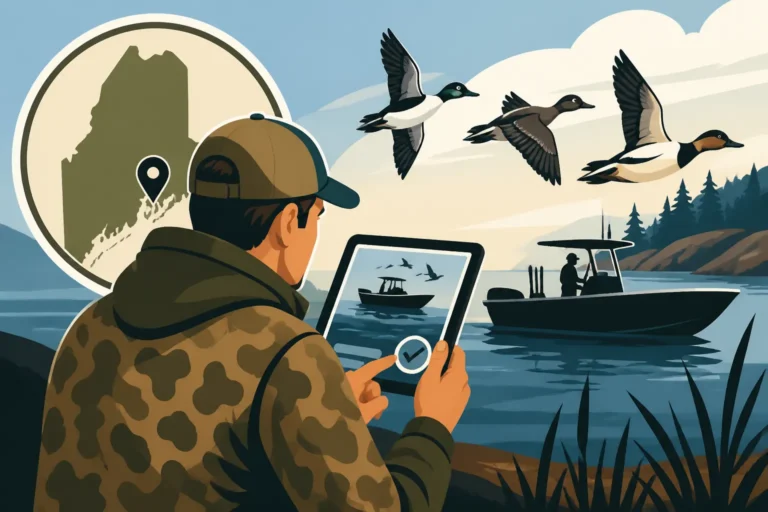
For those who love the coastal environment, a sea duck and late-season deer or small game hunt can be a unique and exciting proposition. Sea Duck Hunting the Maine Coast seasons typically run into December and January, sometimes overlapping with the end of the Muzzleloader Deer Hunting in Maine season or continued small game opportunities like Snowshoe Hare Hunting in Maine.
- Contrasting Environments: This pairing offers a stark contrast between hunting over coastal waters for eiders, scoters, and long-tailed ducks, and then perhaps moving inland to forested areas for deer or hare. It's a true taste of Maine's diverse ecosystems.
- Specialized Gear: Sea duck hunting requires specialized gear: a sturdy boat, decoys, foul-weather gear, and a shotgun capable of handling heavy loads. Switching to deer or hare hunting means a different set of clothing, potentially a muzzleloader or rifle, and suitable footwear for snow or cold woods.
- Weather Sensitivity: Coastal hunting is heavily dependent on weather and sea conditions. A rough day on the water could mean rescheduling or focusing entirely on inland pursuits. Having a flexible plan is crucial. This can be a prime time for Hunting the Muzzleloader Close in Mid-December in certain WMDs, allowing for potentially multiple successful harvests.
| Species Combination | Primary Overlap Period | Typical Tactics | Key Challenges | Guide Recommended? |
|---|---|---|---|---|
| Deer & Upland Birds | Late Oct – Mid Nov | Still-hunt/Stand for deer, walk for birds | Managing gear, energy levels | Optional |
| Bear & Moose | Late Sep – Early Oct | Spot & stalk for moose, bait/hound for bear | Lottery dependent, intense logistics, guide necessity | Highly Recommended |
| Sea Ducks & Late Deer | Late Nov – Mid Dec | Layout blind/boat for ducks, still-hunt for deer | Weather dependency, specialized gear for each | Sea duck: Yes, Deer: Optional |
| Fall Turkey & Small Game | Oct – Nov | Calling/flock breaking for turkey, walk for small game | Different approaches for each species, target focus | Optional |
| Coyote & Small Game | Nov – Feb | Calling for coyote, walk for hare/fox | Night hunting rules for coyote, extreme cold, varied terrain | Optional |
Strategic Planning for Your Maine Combo Hunt
Planning a multi-species hunt in Maine isn't something you throw together at the last minute. It requires careful consideration of dates, locations, regulations, and your own capabilities. Think of it like a carefully choreographed dance where every step needs to be precise.
Researching Overlapping Seasons and WMDs
The first step is always to dive deep into the Maine Hunting & Trapping Laws. Identify the species you're interested in and then look for periods where their seasons overlap. Pay close attention to the specific Wildlife Management Districts (WMDs), as regulations and season dates can vary significantly from one WMD to another. For example, some WMDs might have a Maine's WMDs With Two-Bird Spring Limits for turkeys, while others only allow one. Similarly, Which WMDs Get Extended Muzzleloader Season can greatly extend your deer hunting opportunities.
- Use Online Resources: The MDIFW website is your best friend here. They provide detailed season dates, WMD maps, and regulatory summaries. Print them out, highlight key dates, and cross-reference. You might even find value in online mapping tools or apps that can layer WMD boundaries over land ownership, which can be particularly helpful for understanding Maine's Private Land Access Tradition versus public lands. Tools like GoHunt can sometimes offer comprehensive overviews and research capabilities that simplify this initial scouting phase.
- Consider Your Priorities: If you're a passionate deer hunter and upland birds are secondary, choose a time and WMD optimized for deer, then see what bird opportunities naturally align. Don't try to force a combo that compromises your primary objective.
Gear Management and Logistics
Successfully hunting multiple species often means carrying a wider array of gear or making strategic returns to camp or your vehicle to swap out equipment.
- Weapon Choices: If you plan on deer hunting with a rifle and bird hunting with a shotgun, you need to ensure you're legally carrying both if you intend to pursue them on the same day. Some hunters choose a combination gun or a shotgun with interchangeable barrels to simplify things, but always double-check legality for each specific game species and season. For Bowhunting Maine's Long Archery Season, you would strictly be limited to archery equipment, even if small game seasons are open for firearms.
- Clothing and Footwear: Maine weather can be unpredictable, especially in fall and early winter. You'll need versatile layering options that work for sitting still in a deer stand and for walking miles through varied terrain for birds or hare. Waterproof boots are non-negotiable.
- Transportation: Access to different habitats might require different modes of transport. Will you be driving a truck on logging roads for deer, or do you need a small boat to access a beaver flowage for ducks and then walk for grouse? Consider how you'll move between different hunting grounds and how much gear you'll need to haul. This might mean adjusting your plans if you're hunting a North Maine Woods Checkpoint Tract versus small private tracts closer to populated areas.
Physical and Mental Preparation
A multi-species hunt is not for the faint of heart or body. It can be physically demanding, requiring endurance for long days and varied terrain. Mentally, you need to be adaptable and patient.
- Endurance: If you're planning to hunt deer in the morning and birds in the afternoon, you'll be spending a full day in the field, often covering significant ground. Start a fitness routine months in advance.
- Adaptability: One species might not cooperate, or the weather might turn. You need to be able to pivot and pursue your secondary species without feeling deflated. Flexibility is your friend.
- Realistic Expectations: Don't go into a multi-species hunt expecting to fill every tag. The goal is to enjoy the experience and the opportunity to pursue different game. Success in one category is a bonus.
Partnering with Guides and Outfitters for Seamless Experiences
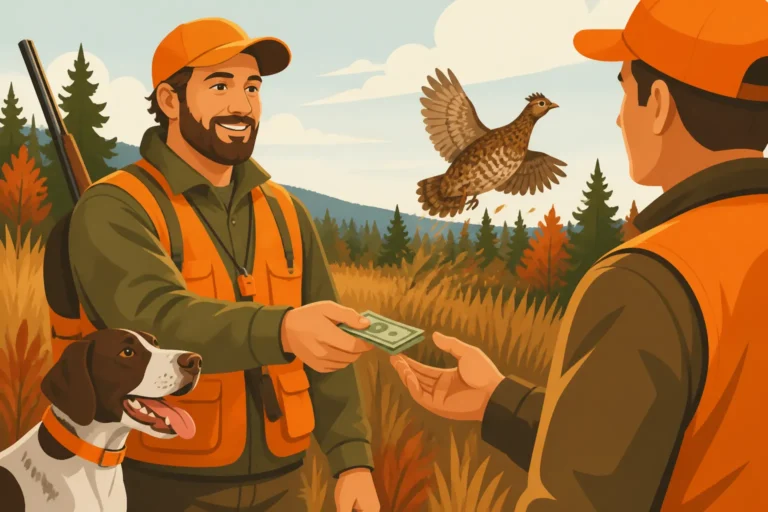
For many, especially non-residents or those new to Maine, the thought of coordinating a multi-species hunt can be daunting. This is where a Registered Maine Guide or an established outfitter can be an invaluable asset. They live and breathe these woods, understand the nuances of the regulations, and can dramatically simplify the logistics.
The Value of a Registered Maine Guide
Hiring a guide isn't just about finding game; it's about gaining an experienced partner who knows the lay of the land, the habits of the animals, and the current conditions. For a multi-species hunt, their expertise is amplified.
- Local Knowledge: A good guide knows which WMDs offer the best opportunities for specific combos, where the hot spots are, and how to adapt to changing weather or game patterns. They can recommend a prime location for Hunting a Funnel Between Two Woodlots for deer, and then pivot to an adjacent alder run for woodcock.
- Logistical Support: Guides often provide transportation to hunting areas, some gear (like decoys for sea ducks), and even field dressing or game retrieval assistance. They can help you manage your time effectively, ensuring you hit the right spots at the right times for each species.
- Safety and Confidence: Especially in remote areas like the North Maine Woods, having a guide enhances safety. Their knowledge of the terrain, emergency procedures, and communication options is a huge comfort. For non-residents, understanding local etiquette, especially regarding Maine's Private Land Access Tradition, is also key, and a guide can bridge that gap.
Finding Outfitters Offering Combo Packages
Some outfitters in Maine specialize in or offer specific multi-species packages. These are designed to streamline your trip, bundling guide services, lodging, and sometimes even meals.
- Researching Packages: Look for outfitters that clearly advertise "combo hunts" or offer flexible booking options. For instance, an outfitter might offer a package combining Maine's November Firearms Deer Season with upland bird hunting, or a Sea Duck Hunting the Maine Coast trip that includes opportunities for late-season small game. Platforms like BookYourHunt can be excellent resources for finding outfitters who cater to multi-species trips, allowing you to filter by species and trip type.
- Inquire About Customization: Don't hesitate to contact outfitters directly to discuss your specific multi-species interests. Even if a combo isn't explicitly listed, they might be able to customize a trip based on guide availability and season overlaps. Be clear about your primary and secondary species objectives.
- Vetting Your Choice: When considering an outfitter, always ask for references. Inquire about their success rates for the species you're interested in, their experience with multi-species trips, and what exactly is included in the price. Read reviews carefully on independent platforms. Questions to Ask a Maine Outfitter should always include specifics about how they manage the logistics of a combo hunt.
Cost Considerations
While a multi-species hunt can save on overall travel costs by consolidating trips, a guided combo hunt will naturally be more expensive than a single-species, self-guided trip.
- Package Pricing: Expect to pay a premium for the expertise and logistics involved in a multi-species guided hunt. However, compare this against the cost of two separate trips (travel, lodging, guide fees) and you might find it's a worthwhile investment.
- Licenses and Permits: You'll still need to purchase all the necessary licenses and permits for each species you plan to hunt. Ensure you factor in the Maine Resident License Options or Maine Nonresident License Options, plus any specific tags like a bear permit or the cost of applying for a moose permit.
- Tipping: Guides work incredibly hard. Factor in a gratuity for your guide when budgeting, typically based on the overall cost of the trip and the quality of the service. Tipping a Maine Hunting Guide is standard practice.
Booking two species in one Maine trip is an ambitious and rewarding endeavor. With meticulous planning, a solid understanding of the regulations, and perhaps the invaluable assistance of a seasoned Maine guide, you can turn that complex puzzle into an unforgettable adventure in the vast and beautiful Maine woods.
Disclaimer
This article is for general informational purposes only and does not constitute professional advice. Laws, prices and regulations vary by location and change over time. Consult a qualified professional for guidance on your specific situation.