Average Cost of a Guided Moose Hunt
So, you've got that moose permit in your hand, or maybe you're dreaming of the day you will, and now the big question looms: "What's this adventure actually going to cost me?" It's a question that can bring even the most seasoned hunter to a halt, because a guided moose hunt in Maine isn't a small decision, nor is it a small investment. This guide is here to unravel the often-complex world of guided moose hunt pricing, helping you understand what makes up the cost and how to budget for this incredible, once-in-a-lifetime experience.
Understanding the Baseline: What Influences the Cost of a Guided Moose Hunt in Maine?
Let's be real, a guided moose hunt isn't a cheap deer camp weekend. It's a significant financial commitment, and it's easy to feel overwhelmed by the numbers you see floating around. The truth is, there isn't one single "average cost" because so many variables come into play. Think of it less like buying a gallon of milk and more like purchasing a car – there's a base model, but then you add all sorts of upgrades, features, and even different makes and models that drastically change the final price.
The Guide's Expertise and Reputation
A huge chunk of the cost is directly tied to the Registered Maine Guide you hire. These aren't just folks who know how to walk in the woods; they are professional outfitters who have dedicated their lives to understanding the Maine wilderness, moose behavior, and the intricate logistics of a successful hunt. They've invested in their knowledge, their equipment, and their reputation. A guide who consistently puts hunters on moose, year after year, especially in challenging zones, is going to command a higher price for their services. This isn't just about finding a moose; it's about finding a legal moose, getting it processed, and ensuring your entire experience is safe and memorable. When you're looking at guides, remember that experience often correlates directly with success rates and, yes, the price tag. They're not just selling a service; they're selling their years of accumulated wisdom and skill.
Moreover, a highly sought-after guide might book up years in advance. If you're hoping for a specific week or a particular zone, their availability alone can influence their rates. They're often in high demand because they offer a reliable experience, and that reliability is a premium commodity in the hunting world.
Logistics and Location: North Woods vs. More Accessible Areas
Maine is a big state, and where your hunt takes place plays a massive role in the overall cost. Are you headed deep into the remote stretches of the Moose Hunting Maine's North Woods where cell service is a distant memory and logging roads are your highway? Or are you hunting in a more accessible region, perhaps closer to a town or even on private land with easier access? The more remote the location, typically the higher the cost. This is purely logistical.
Consider the effort and expense for a guide to scout, transport gear, set up camp, and retrieve a moose from truly wild country. Fuel costs for remote travel, the wear and tear on vehicles, the need for specialized equipment like Argos or heavy-duty ATVs, and even the additional time it takes to travel to and from these areas all add up. A fly-in camp in the furthest reaches of the North Woods, for example, will inherently be more expensive than a lodge hunt reachable by paved roads. When you're exploring options, think about how much "backcountry" you're really looking for, as that directly impacts the price.
Breaking Down the Package: What's Typically Included (and What's Not)?
When you see a price for a guided moose hunt, it's crucial to understand what that number actually covers. Many first-timers assume it's an all-inclusive deal, only to be surprised by additional costs. A truly comprehensive package will detail everything, leaving little room for guesswork. Don't be shy about asking for an itemized breakdown. This is where researching on platforms like BookYourHunt or GoHunt can be invaluable, as many outfitters list their inclusions and exclusions clearly.
Standard Inclusions You Can Expect
Most reputable guides offer a package that covers the core elements of the hunt itself. This typically includes the guide's daily fee, which is often for a 1×1 (one hunter, one guide) or 2×1 (two hunters, one guide) ratio, depending on the outfitter and your preference. You'll usually have accommodations included, which could range from rustic wall tents in the wilderness to comfortable cabins at a traditional sporting camp. Meals are almost always part of the deal, ensuring you're well-fed and energized for those long days in the woods.
Transportation during the hunt is also standard, meaning the guide will get you to and from your hunting spots. This might involve trucks, ATVs, or even boats, depending on the terrain. Crucially, most guides will assist with the initial field dressing and getting your harvested moose out of the woods. This is a monumental task, and having expert help with Field Dressing a Moose in the North Woods and Getting a Moose Out of the North Woods is worth its weight in gold. Some might even provide basic camp gear like cots or sleeping pads, but always confirm.
Common Exclusions and Hidden Costs to Budget For
Here's where hunters often get caught off guard. While the core hunt is covered, there are many incidentals you'll need to factor into your total budget.
- Your Moose Permit: First and foremost, the cost of your actual Maine Moose Permit Cost for Residents or Maine Moose Permit Cost for Nonresidents is never included in a guide's package. You'll need to secure this separately, usually through the Applying for a Maine Moose Permit process after going through Maine's Once-in-a-Lifetime Moose Lottery. The permit fee, plus the application fee, is an upfront cost you'll pay directly to the state.
- Licenses and Stamps: Beyond the moose permit, you'll need a valid Maine hunting license. Non-residents, in particular, will face higher costs here. If you plan to do any other hunting (like small game or birds), those additional licenses or stamps will also be your responsibility.
- Travel to Camp: Getting to the guide's base camp or meeting point is on you. This includes gas money, flights if you're coming from out of state, or any other travel expenses to reach the starting line of your adventure.
- Meat Processing: While the guide will help with field dressing and extraction, the full processing of your moose (turning it into steaks, roasts, and burger) is almost always an extra cost. Many outfitters have arrangements with local butchers, but you'll pay that fee directly.
- Taxidermy: If you plan to get a shoulder mount or European skull mount, those services are separate and can be a significant expense. Discuss this with your guide, as they can often recommend reputable local taxidermists.
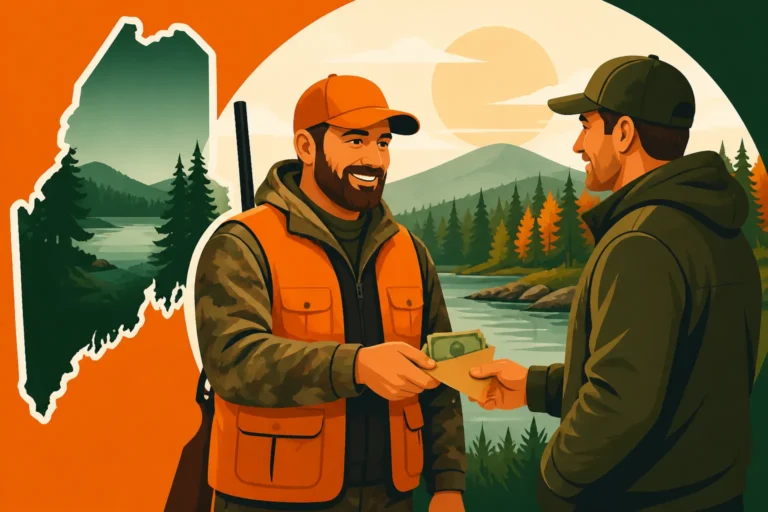
- Gratuities: Tipping your guide is customary and expected, much like tipping a fishing charter captain. This isn't usually included in the upfront cost, and it's a way to show your appreciation for their hard work and dedication. Plan for this as a significant percentage of the hunt cost.
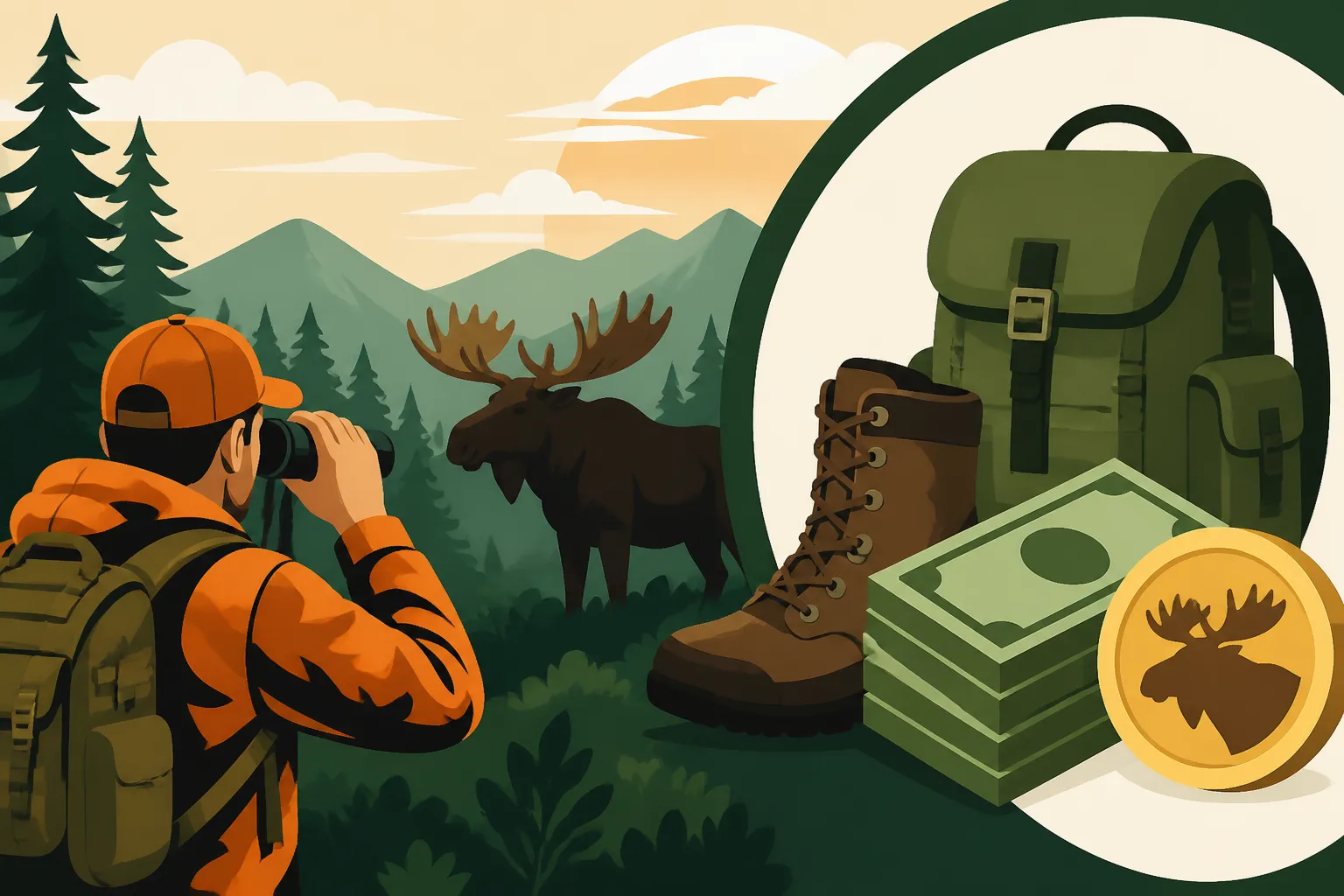
- Gear and Personal Items: Your personal hunting gear – rifle, ammunition, hunting clothing, boots, optics, sleeping bag (if not provided), and personal toiletries – are all your responsibility. Don't forget to budget for Packing for a North Woods Moose Hunt essentials!
- Contingency Fund: Always, always have a contingency fund. Unexpected weather, a prolonged search for your animal, or even just wanting an extra souvenir can add up.
Factors That Can Swing the Price Tag: From Remote Camps to Extra Services
The "average cost" for a guided moose hunt is a pretty wide range because of how many variables can tweak the final tally. It's not just about the guide's base rate; it's about the level of luxury, the remoteness, and the specialized services that some outfitters provide.
The Style of Accommodations
As mentioned, accommodations can vary wildly. A simple, rustic tent camp deep in a designated What a Drawn Moose Zone Assignment Means will be at the lower end of the accommodation spectrum, though potentially offering the most immersive experience. Moving up, you might find semi-permanent wall tents with wood stoves, or perhaps a basic cabin at a remote logging camp. Then there are the full-service Maine Sporting Camps Explained, offering hot showers, private rooms, and home-cooked meals in a more comfortable setting. At the very top, some outfits offer truly luxurious lodges with all the amenities of a resort. The more creature comforts you desire, the higher the price tag will climb. A remote Booking a Remote Fly-In Camp will naturally cost more due to the logistics of getting supplies and people in and out.
When you're comparing prices, make sure you understand exactly what the lodging entails. Is it a shared bunkhouse, a private cabin, or a canvas tent? Are linens provided? Is there electricity or running water? These details significantly impact your comfort and, therefore, the overall cost.
Guide-to-Hunter Ratios and Group Size
Most guided hunts operate on either a 1×1 (one hunter per guide) or a 2×1 (two hunters per guide) ratio. A 1×1 hunt provides undivided attention from your guide, allowing for more personalized strategies and often a quicker response to opportunities. This individualized service naturally comes at a higher price. If you're a solo hunter, this will likely be your only option.
A 2×1 hunt, where two hunters share a guide, is typically a more economical option. This can be great for hunting partners or friends who want to share the experience and split the guiding cost. However, it requires coordination between the two hunters and the guide, and opportunities might need to be prioritized. Some guides will also offer packages for larger groups, but the ratio often remains at 2×1. If you're on a budget and have a trusted hunting buddy, a 2×1 can be an excellent way to make a guided hunt more affordable. Platforms like GoHunt often let you filter by group size to find suitable options.
| Feature / Service | Typically Included? | Typical Cost Impact | Notes |
|---|---|---|---|
| Guide's Daily Fee (1×1) | Yes | High | Core service, highly variable by guide/reputation |
| Guide's Daily Fee (2×1) | Yes | Medium | Lower per-hunter cost, good for pairs |
| Accommodations | Yes | Medium-High | Varies from rustic tents to full lodges |
| Meals | Yes | Low | Usually basic, hearty camp food |
| Transportation (Hunt) | Yes | Low | Getting to/from hunting spots in guide's vehicle |
| Initial Field Dressing | Yes | Low | Guide assistance with gutting |
| Moose Extraction | Yes | Medium | Getting moose from kill site to vehicle/camp |
| Moose Permit Fee | No | Medium | Must apply for/win lottery and pay state |
| Hunting License | No | Low-Medium | Paid to state, non-resident costs higher |
| Meat Processing | No | Medium | Butcher services after extraction |
| Taxidermy | No | High | If you want a mount, separate professional service |
| Gratuities | No | Medium | Customary tip for guides and camp staff |
| Travel to Camp | No | Varies | Flights, gas, vehicle wear and tear |
| Personal Gear | No | Varies | Your rifle, ammo, clothing, optics, etc. |
Specialized Services and Guarantees
Some outfitters offer unique services that can add to the cost but might enhance your experience or peace of mind. For example, some might provide specialized tracking dogs for retrieving a wounded animal, which can be invaluable, especially in dense Maine cover. Others might offer specific guarantees (though be wary of any "guarantee" of a kill, as ethical hunting always has variables) or extended tracking services.
Some outfits specialize in certain types of hunts, such as calling bulls during the rut, or focusing on specific regions known for larger animals. If a guide brings in specific expertise or high-end equipment like thermal optics for night work (though often limited by regulation), those specialty services will factor into their pricing structure. Always verify what "extra" services are truly offered and whether they align with your hunting style and preferences. Be sure to ask your guide about their success rates, which is often a better indicator than a "guarantee." You might also find varying prices for Booking a Guide Before the Moose Lottery Results versus waiting until you have a permit in hand, though the latter often means limited availability.
Smart Strategies for Managing Your Guided Moose Hunt Budget
A guided moose hunt is a dream for many, and with careful planning, it can become a reality without breaking the bank or leaving you with unexpected bills. Being proactive and informed is key.
Research and Compare Outfitter Packages Thoroughly
Don't just jump at the first price you see. Take your time to thoroughly research various outfitters. Look at what they include, their track record, their location, and the guide-to-hunter ratio. Read reviews from previous clients to get a sense of their experience. Websites like BookYourHunt and GoHunt are excellent resources for comparing different packages side-by-side, often with detailed descriptions and pricing structures. Pay close attention to exactly what is covered and what is not, creating a checklist to compare apples to apples.
Look beyond just the "sticker price." A slightly higher-priced package that includes meat processing or a better guide-to-hunter ratio might actually offer better value in the long run. Also, consider the specific zone your permit is for; some guides specialize in particular What a Drawn Moose Zone Assignment Means and may offer better odds there due to their intimate knowledge of the area.
Booking Strategy: When and How to Secure Your Hunt
Timing can significantly impact price and availability. Many top guides book out a year or more in advance, especially for prime dates during the moose season. If you win a permit, don't wait to start calling guides. The sooner you book, the more options you'll have. You'll likely need to put down a significant deposit to secure your spot, so be prepared for that upfront cost. Understand the outfitter's Moose Hunt Deposit and Cancellation Policies before committing.
If you are drawn for a permit, immediately begin the process of Hiring a Guide for a Drawn Moose Permit. Some outfitters even offer contingency bookings where you pay a smaller deposit to hold a spot, with the understanding that the full deposit is due only if you win a permit. If you don't draw, understanding What Happens If You Don't Draw a Moose Permit is crucial for getting any deposits back or transferring them to the next year. Sometimes, last-minute cancellations might open up spots at a reduced rate, but relying on this is a high-risk strategy.
Asking the Right Questions: Beyond the Basic Price
When you speak with an outfitter, don't be afraid to ask detailed questions. A good guide will appreciate your thoroughness. Here are a few to get you started:
- "What's the total cost, including any fees not listed in the package?"
- "What's your typical success rate for the zone I'm considering?" (Remember, success rate isn't a guarantee, but it's a good indicator.)
- "What specific accommodations are provided? (e.g., private cabin, shared tent, amenities)"
- "How far is the camp from the main road, and what's the travel like to get there?"
- "What's your policy if I don't fill my tag? Are there options for rebooking or partial refunds?"
- "Do you have a list of local meat processors or taxidermists you recommend, and what are their estimated costs?"
- "What's the expected gratuity for the guide and any camp staff?"
- "What type of terrain will we be hunting, and what kind of physical fitness is required?"
By asking these detailed questions, you'll not only get a clearer financial picture but also gain insight into the guide's professionalism and how well your expectations align with their offerings. This comprehensive approach ensures that your guided Maine moose hunt is everything you dreamed of, from the thrill of the chase to the satisfaction of a well-earned harvest, all within a budget you understand.
Disclaimer
This article is for general informational purposes only and does not constitute professional advice. Laws, prices and regulations vary by location and change over time. Consult a qualified professional for guidance on your specific situation.