Booking a Remote Fly-In Camp
The dream of a true wilderness hunt, miles from the nearest paved road or even a well-traveled logging trail, often conjures images of floatplanes disappearing over a pristine Maine forest. It’s a powerful pull for many hunters seeking an escape from crowded public lands and the constant hum of civilization. But the thought of booking a remote fly-in camp can feel overwhelming, with so many unknowns about logistics, costs, and what to really expect in the deep woods. This guide is here to demystify the process, helping you plan that unforgettable, off-grid adventure.
The Call of the Wild: What is a Remote Fly-In Camp?
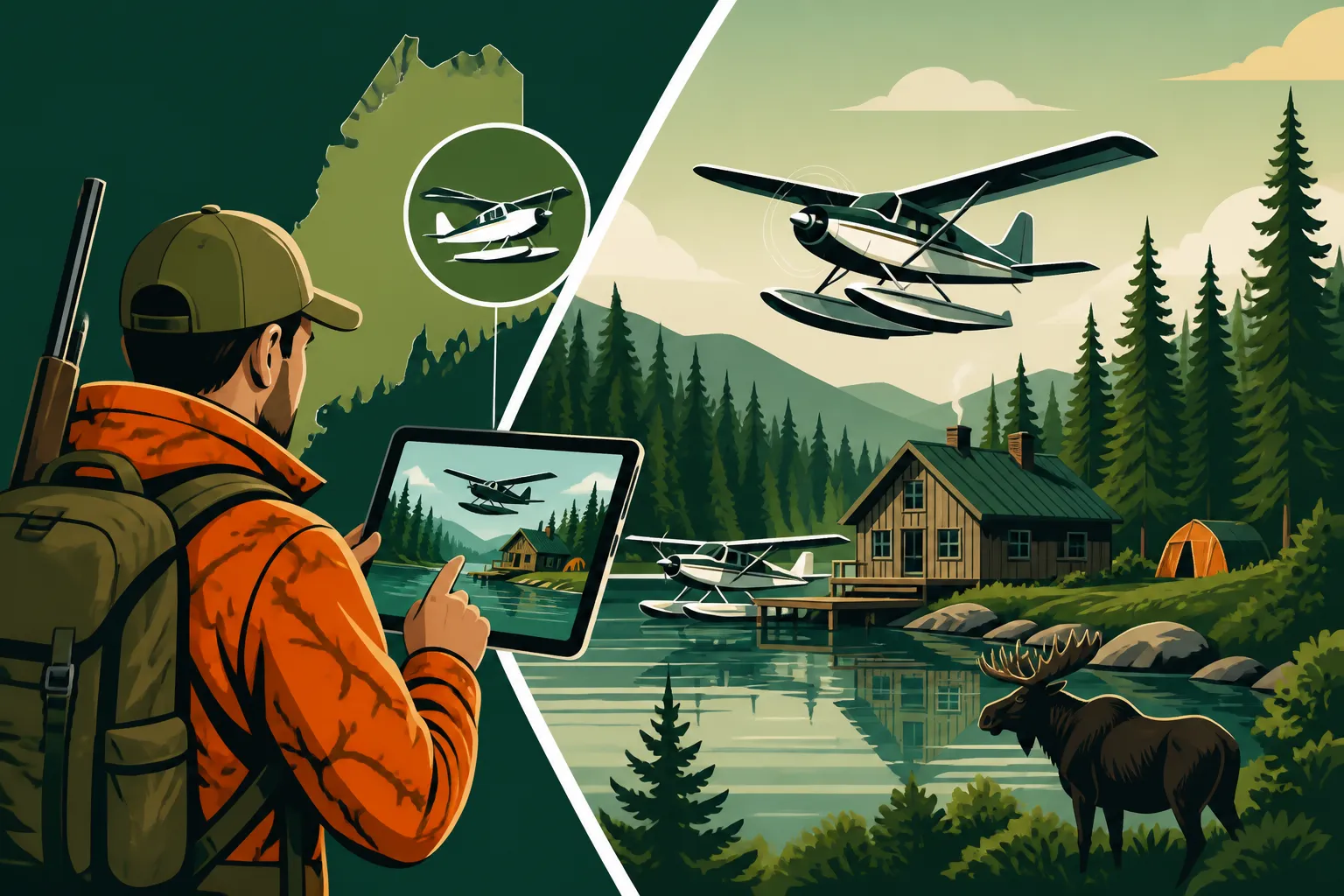
When we talk about a "remote fly-in camp" in Maine, we're not just talking about a cabin a few miles down a dirt road. We're envisioning true wilderness access, places so isolated that the only practical way in (and out!) is by floatplane. Imagine a tiny speck of a cabin nestled on the shore of a remote pond, surrounded by miles and miles of untouched forest, where the only sounds are the cry of a loon and the rustle of leaves. That's the allure.
These camps offer a profound sense of solitude and an unvarnished connection to nature that’s increasingly rare. For many hunters, it's the ultimate quest: to test their skills against mature game that rarely sees human intrusion. You’re truly immersed in the habitat of White-Tailed Deer Across Maine, Black Bears in Maine, or even Moose in Maine's North Woods, far from any roads or typical hunting pressure. The experience itself, beyond the hunt, is often the main draw – the breathtaking flights over vast timberlands, the quiet evenings by a woodstove, and the sheer challenge of living self-sufficiently, even if for just a few days or a week. It’s about stripping away the complexities of modern life and reconnecting with something primal. Many of these remote setups are extensions of long-standing Maine Sporting Camps Explained, offering a unique blend of ruggedness and historical charm.
Planning Your Remote Maine Wilderness Hunt
So, you're sold on the idea. Now comes the nitty-gritty: how do you actually make this happen? Booking a remote fly-in hunt isn't like reserving a hotel room; it requires careful planning and vetting.
Finding the Right Camp and Outfitter
The first step is often finding a reputable outfitter or guide service that operates these fly-in camps. Maine has a rich tradition of Hiring a Registered Maine Guide who specialize in such expeditions. You might start your search on dedicated hunting trip booking platforms. Websites like BookYourHunt or GoHunt often list various outfitters that provide fly-in options, complete with details on the species they hunt, success rates, and what's included in their packages.
Don't just pick the first one you see. Look for outfitters with a long-standing presence, good reviews, and clear communication. Consider what kind of experience you're after – are you seeking a fully guided hunt with meals provided, or a more DIY "outpost camp" where the plane simply drops you off at a basic cabin with no services, and you do all your own cooking and guiding? Your choice will heavily influence the cost and the type of gear you’ll need to bring.
Vetting Your Guide and Understanding the Package
Once you've identified a few potential outfitters, it’s time to ask a lot of Questions to Ask a Maine Outfitter. This is crucial for managing your expectations and ensuring a safe, productive trip. Inquire about their Registered Maine Guide license, their experience in the specific area you'll be hunting, and their safety protocols. Ask about the type of aircraft used for transport, the flight duration, and any weight restrictions on gear.
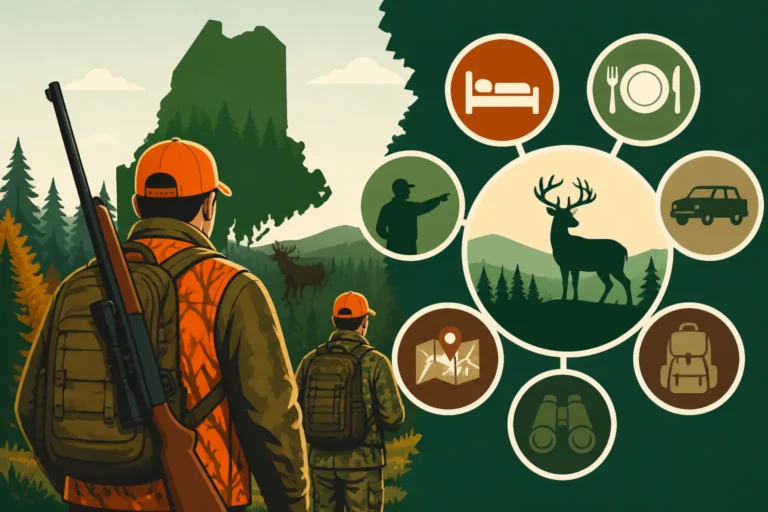
You'll also want to get a crystal-clear understanding of what is (and isn't) included in the package. Does it cover the floatplane flight, guide services, food, basic camp supplies, and field dressing assistance? What about licenses and permits? Some outfitters might include certain gear like canoes or ATVs for accessing hunting areas from camp, while others expect you to bring everything. Don't be shy about clarifying every detail – a good outfitter will appreciate your thoroughness. For non-residents, remember that certain hunts, like moose, may necessitate a guide depending on your permit type, making it even more important to understand these inclusions.
Navigating the Logistics: Getting There and Staying There
The allure of a fly-in camp is its remoteness, but that same remoteness adds layers of logistical considerations that differ from a drive-in hunt.
The Floatplane Experience and Weather Dependency
Your journey will begin at a floatplane base, typically near a larger lake or river, often somewhere like Greenville on Moosehead Lake, or perhaps farther north near a town like Portage Lake or Shin Pond. This is where you’ll meet your pilot and load your gear. The flight itself is an incredible part of the adventure, offering unparalleled views of Maine's vast wilderness, but it's entirely dependent on weather.
Wind, fog, and heavy rain can ground planes, sometimes for hours, or even days. This isn't a minor inconvenience; it can significantly impact your hunting schedule and your overall trip length. Outfitter contracts will usually outline their weather cancellation and delay policies. It's wise to build a day or two of flexibility into your travel plans on either end of your scheduled hunt, just in case Mother Nature decides to intervene. You don't want to miss your flight out because a morning fog lingered too long.
Communications and Emergency Preparedness
In a remote fly-in camp, cell service is a distant memory. This is part of the appeal for many, but it also means you need a plan for communication and emergencies. Most reputable outfitters provide a satellite phone at camp for emergency use, or your guide will carry one. Confirm this arrangement before you go. Having a plan for checking in with family (e.g., a pre-arranged schedule for the outfitter to make a satellite phone call on your behalf) can provide peace of mind for everyone involved.
Your Packing for a North Woods Moose Hunt list, or any remote hunt, should include a comprehensive first-aid kit, and you should know basic wilderness first aid. Remember, professional medical help is not a quick phone call and drive away. It could involve a multi-hour floatplane flight, potentially in challenging weather. Make sure you discuss emergency procedures with your guide and fully understand the risks inherent in such a remote experience.
What to Expect: Realities of a Fly-In Camp Experience
The dream is one thing; the reality, while often incredible, has its own unique characteristics you should be prepared for.
Some fly-in camps are truly spartan, just a roof over your head, while others offer more comforts. Here's a general idea of what you might encounter:
| Feature | Basic Fly-In Outpost Camp | Full-Service Fly-In Sporting Camp |
|---|---|---|
| Accommodation | Simple cabin, bunks, wood stove | Private cabins, beds, heat, hot water |
| Meals | Bring your own food & cook | Catered meals, often home-cooked |
| Guide Service | Often self-guided or spike camp | Dedicated Registered Maine Guide |
| Transportation | Floatplane to nearest lake/pond | Floatplane to camp's private dock |
| Amenities | Outhouse, limited power (solar) | Flush toilets, showers, generator power |
| Communication | Satellite phone for emergencies | Satellite phone/internet (limited) |
| Gear | You bring everything | Some gear provided (boats, ATVs) |
| Cost | Lower initial price | Higher, but more inclusive |
Rustic Accommodations Versus Amenities
Don't expect luxury. Even a "full-service" fly-in camp will likely be rustic by most standards. Think comfortable but utilitarian cabins, heated by a woodstove, perhaps with propane lights or limited generator power for an hour or two in the evening. Running water might mean a hand pump or a gravity-fed shower, and an outhouse is standard. The charm of these places lies in their simplicity and functionality, allowing you to focus on the hunt and the wilderness around you.
A self-guided outpost camp will be even more basic, often requiring you to bring all your own cooking gear, sleeping bags, and potentially even water filtration. You are truly on your own, save for the floatplane pilot who will pick you up on your scheduled day (weather permitting). This self-reliance is a huge part of the appeal for many experienced hunters.
Hunting Pressure and Game Management
One of the biggest advantages of fly-in access is the reduced hunting pressure. You’re often hunting areas that are simply too difficult for the average hunter to reach by vehicle or foot. This isn't a guarantee of success, but it certainly increases your odds of encountering undisturbed game. Outfitter guides are typically intimately familiar with their territories and the habits of Maine Deer Herd Size or How Many Black Bears Live in Maine in those remote zones. They’ll know where the best feeding areas are, where deer yard up in heavy snow, or where bear tend to forage.
Game management in these remote areas is also a key factor. Outfitters often work hard to maintain healthy game populations on their leases or permitted areas, sometimes engaging in habitat improvements or careful harvest strategies. This means you might see more mature animals and benefit from decades of local knowledge.
Meat and Trophy Care in the Bush
Harvesting an animal in a remote setting presents unique challenges for meat and trophy care. Unlike road-accessible hunts where you can often get an animal to a processor relatively quickly, you’ll be doing much of the work yourself, often several miles from camp. Your guide will be invaluable here, but knowing the basics of Field Dressing a Moose in the North Woods or a deer is essential.
You'll need a plan for keeping meat cool, especially if the weather is mild, and for packing it out. If you're fortunate enough to tag a large animal like a moose, the effort to Getting a Moose Out of the North Woods from a remote location can be monumental, involving quartering, boning out, and multiple trips back to the floatplane pickup point. Most outfitters will help facilitate this, and discussing their procedures for meat handling and transportation is a crucial part of your pre-trip planning. You'll want to ensure your hard-earned harvest makes it back in prime condition, perhaps to a local facility for Processing Meat Near a North Woods Camp or a taxidermist for your trophy. Whether you're considering Booking a Guided Maine Moose Hunt, Booking a Guided Maine Bear Hunt, or even Booking an Upland Bird Hunt in Maine, the remote aspect adds an extra layer of planning and self-sufficiency.
Disclaimer
This article is for general informational purposes only and does not constitute professional advice. Laws, prices and regulations vary by location and change over time. Consult a qualified professional for guidance on your specific situation.