Reading Between the Lines of Outfitter Reviews
Booking a hunting trip with an outfitter in Maine can feel like a huge gamble, especially when you're relying on online reviews. It's easy to get lost in a sea of five-star praise or one-star rants, and trying to figure out what's truly authentic and what's just noise can be incredibly frustrating. This guide is here to help you cut through the fluff, decode the hidden messages in outfitter reviews, and make a confident, informed decision for your next Maine hunting adventure.
The Lure and Lies of Online Reviews
Let's be honest, when you're looking for a Maine outfitter, the first place most of us turn is the internet. You type in "Maine bear hunt reviews" or "moose guide feedback," and suddenly you're presented with page after page of opinions. While these reviews can be a goldmine of information, they're also a minefield of potential misinformation if you don't know how to navigate them. It's not always as simple as looking at the star rating.
Why Reviews Are a Double-Edged Sword
Reviews are, by their very nature, subjective. What one hunter considers a perfect trip, another might find lacking. We all have different expectations, different hunting styles, and different definitions of "success." A review might rave about an outfitter's hospitality, but completely omit details about the actual hunting strategy or success rates. Conversely, a negative review might stem from a client who had unrealistic expectations, failed to follow instructions, or simply had a bad weather week that impacted their hunt, none of which is necessarily the outfitter's fault. It's a tricky balance, and understanding that inherent bias is the first step to reading between the lines.
Spotting the Red Flags in Review Language
When you're sifting through reviews, especially on platforms like BookYourHunt or GoHunt, keep an eye out for certain linguistic cues that might suggest a review isn't entirely genuine or helpful. Generic, overly enthusiastic praise with no specific details, like "Best hunt ever! So much fun!" without mentioning the game, the guide, or any particular experience, can be a red flag. Similarly, a string of reviews posted all within a very short timeframe, all sounding eerily similar, might suggest a coordinated effort. On the flip side, extremely aggressive, personal attacks in a negative review, rather than constructive criticism, often reveal more about the reviewer's temperament than the outfitter's performance. You're looking for authenticity, not just positivity. Sometimes a completely perfect score across the board can be just as suspicious as a string of terrible ones; real experiences often have minor imperfections that add to their credibility. When you're trying to figure out which guide is right for you, it pays to know Vetting a Maine Hunting Outfitter thoroughly.
Deciphering the Details: What to Look for Beyond the Stars
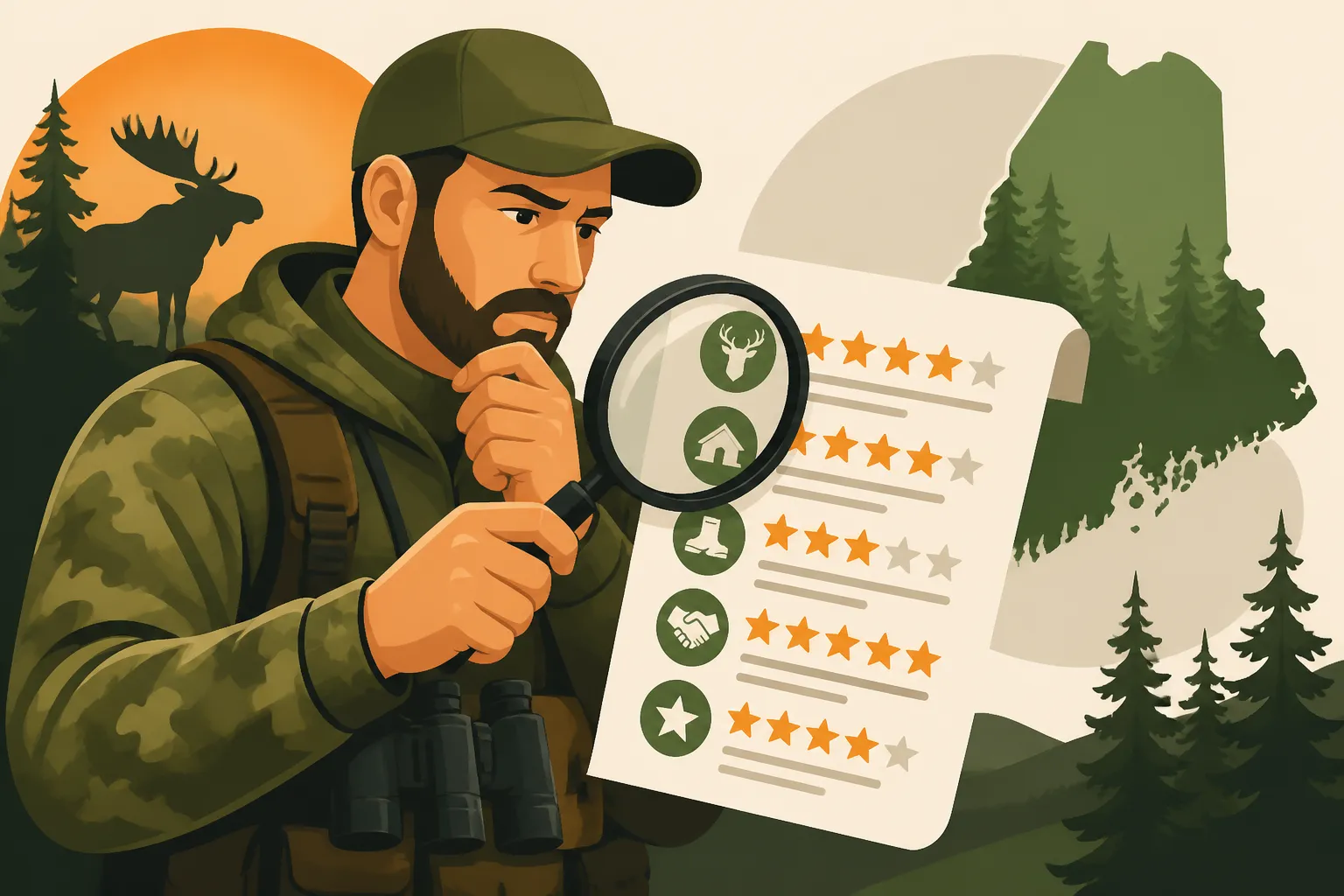
The star rating is a quick glance, but the real meat is in the narrative. This is where you'll find the specific insights that truly matter to your hunting trip. Don't just skim; read carefully, looking for patterns and specifics that paint a clearer picture of the outfitter's operations.
Specificity Is Your Friend
A truly valuable review is one that dives into the specifics. Instead of "Great guide," look for "Our guide, Mark, understood the wind shifts in the alder runs and consistently put us on woodcock, adjusting our approach after each flush." This kind of detail tells you about the guide's expertise, their local knowledge, and their adaptability. For a Guided Maine Moose Hunt, you want to hear about how they handled quartering the animal, retrieval logistics, or calling success. For a bear hunt, details about bait site management, trail camera intel, or the dog handler's communication are crucial. Did they mention the quality of the hunting areas? The type of game seen? The difficulty of the terrain? These are the nuggets of information that help you visualize your own potential experience.
Consistent Themes and Patterns
One glowing review or one scathing critique might be an anomaly. But if you see similar positive or negative comments repeated across several different reviews, that's a pattern worth noting. For example, if multiple reviews praise the outfitter's communication leading up to the trip, that suggests a reliable operation. If several reviews mention a lack of game sightings, even if they still give a decent rating, it might indicate that particular outfitter's grounds are not as productive as others. Look for consistency in comments about the quality of the food, the cleanliness of the camp, the punctuality of the guides, or the handling of harvested animals. These consistent themes often reveal the true strengths and weaknesses of an outfitter.
Guide Interaction and Communication
The relationship with your guide is paramount to a successful and enjoyable hunt. Reviews often provide invaluable insights into how guides interact with clients. Did the guide actively listen to the hunter's preferences and physical capabilities? Were they patient with new hunters or willing to share knowledge with experienced ones? How did they handle setbacks, like missed shots or slow hunting days? A review that highlights a guide's ability to remain positive and adapt to challenging conditions, or one that specifically calls out excellent communication, is a strong indicator of a good experience. Think about Questions to Ask a Maine Outfitter before you even start looking at reviews, so you know exactly what aspects to focus on.
Cross-Referencing and Deeper Dives
Never settle for just one source of information. The internet is vast, and good outfitters will have a presence (or at least mentions) across various platforms. Your goal is to gather a holistic view, not just a snapshot.
Checking Multiple Platforms
While sites like BookYourHunt and GoHunt are excellent starting points for finding reviews, they shouldn't be your only stop. After identifying a potential outfitter, dig deeper. Check their own website for testimonials – but be wary, as these are often curated. Search hunting forums and social media groups dedicated to Maine hunting. Sometimes, hunters will share very candid experiences on these platforms that they might not post on a formal review site. A simple Google search for the outfitter's name plus "reviews" or "experiences" can often unearth more obscure, but potentially valuable, feedback. This multi-platform approach helps you triangulate the truth.
The Outfitter's Response to Reviews
This is a huge, often overlooked, indicator of professionalism. How does the outfitter respond to both positive and negative reviews? A good outfitter will often thank clients for their positive feedback. More importantly, how they handle criticism is incredibly telling. Do they respond defensively, making excuses, or do they acknowledge the feedback, offer an explanation, or express a commitment to improvement? A professional, measured response to a negative review, even if they disagree with it, shows integrity and a commitment to customer service. An outfitter who ignores all reviews, or only responds to the positive ones, might be signaling a lack of engagement with client feedback. Be aware of the Red Flags When Booking a Maine Hunt when you notice an outfitter consistently dismisses valid concerns.
Seeking Direct References
After you've done your online detective work, the absolute best way to "read between the lines" is to talk to someone who has actually been there. Don't hesitate to ask the outfitter for references—the contact information for past clients they've guided. A reputable outfitter will be happy to provide these. When you call these references, ask specific questions that your review analysis might have raised. What was the guide's demeanor? Were there any unexpected costs? How accurate was the pre-trip information? This personal conversation will give you the deepest, most authentic insight into what you can expect. This step is crucial, and knowing Asking an Outfitter for Hunter References properly can save you a lot of grief.
Tailoring Your Review Analysis to Your Hunt
Not all hunting trips are created equal, and neither should your review analysis be. The specific type of hunt you're planning in Maine should dictate which aspects of the reviews you prioritize.
Species-Specific Insights
If you're planning a Guided Maine Moose Hunt, you'll want to focus on reviews that discuss calling success, tracking capabilities, and the logistical challenges of handling such a large animal in the remote North Woods. For a Booking a Guided Maine Bear Hunt, look for details on bait site maintenance, dog handling (if you're doing a hound hunt), and safe stand placement. If it's Upland Bird and Small Game Hunting in Maine, pay attention to comments about dog handling, bird numbers, and access to cover. Each species presents its own unique challenges and successes, and the reviews should reflect that specialization. Don't put too much stock in a review about a deer hunt if you're booking a sea duck trip.
Experience Level Considerations
Your own hunting experience also plays a role in how you should interpret reviews. A seasoned hunter might appreciate a guide who gives them more autonomy, whereas a first-timer might need a guide who is more hands-on, patient, and focused on instruction. Look for reviews from hunters who describe themselves as similar to you in terms of experience. If you're new to the woods, a review that praises a guide's patience and teaching ability will be far more valuable than one from a veteran hunter who simply states "Guide put me on game." Conversely, if you're an experienced hunter, you might look for reviews that highlight a guide's willingness to adapt to your style or offer advanced insights.
Location and Logistics
Maine is a big state with diverse terrain. Reviews often contain clues about the outfitter's specific location and the logistical realities of hunting there. Are they located deep in the North Maine Woods Gate System, requiring extensive travel and perhaps higher costs, or are they closer to more developed areas? Comments about lodging, meals, travel time to hunting spots, and access to services (or lack thereof) are vital. For remote trips, pay close attention to any mentions of cellular service, camp amenities, and the overall comfort level. Understanding What a Sporting Camp Week Actually Costs often involves factoring in these logistical details mentioned in reviews. If you're looking for an immersive experience, reviews that mention the remoteness and wildness might be exactly what you want. If comfort is key, you'll scrutinize reviews for any complaints about accommodations or travel. Preparing properly, including for the logistics, is key, so consider insights like Packing for a North Woods Moose Hunt when evaluating reviews related to remote camps. The type of experience you're after, whether it's a rustic camp for a Booking a Guided Maine Deer Hunt or a more comfortable lodge, should guide your review focus. Many hunters value the tradition of Maine Sporting Camps Explained, and reviews often highlight the unique ambiance and hospitality of these establishments.
| Review Characteristic | Credible Review Examples | Questionable Review Examples |
|---|---|---|
| Specificity | "Guide John knew the cedar swamp like the back of his hand, putting us on a fresh buck rub line by 7 AM. We saw 3 deer that morning." | "Awesome guide, great hunt!" |
| Emotion/Tone | "Had a challenging week with the weather, but our guide worked hard every day and kept spirits high." | "Worst guide ever, ruined my vacation!" (lacks detail) / "Absolutely perfect, nothing could be better." (overly superlative) |
| Balance | "Harvested a small buck, but the camp food was fantastic and the camaraderie was top-notch." | "Got a huge bull, so it was the best trip ever!" (success-dependent) |
| Timeline | Posted months or weeks after the trip, with reflective detail. | Multiple similar reviews posted on the same day. |
| Engagement | Mentions specific names of guides, staff, or unique camp features. | Generic "the staff" or "the outfitter." |
| Response (Outfitter) | Outfitter responds professionally, addressing points raised. | Outfitter is defensive, dismissive, or completely silent. |
Ultimately, reviews are a tool, not the definitive answer. Use them to gather clues, identify patterns, and formulate specific questions. Then, combine that information with direct communication with the outfitter, and if possible, past clients. This layered approach will give you the most accurate picture, helping you choose the right Maine outfitter for the hunting trip of your dreams.
Disclaimer
This article is for general informational purposes only and does not constitute professional advice. Laws, prices and regulations vary by location and change over time. Consult a qualified professional for guidance on your specific situation.