Standard Tip for a Deer Guide
It’s a moment every hunter faces after a fantastic trip into the Maine woods with a guide: the hunt is over, the stories are being told, and then that little voice in your head asks, "How much do I tip?" It can feel a bit awkward, like navigating an unspoken agreement, but showing proper appreciation to your guide is more than just a courtesy; it's a vital part of the hunting community. This guide will walk you through the nuances of tipping a Maine deer guide, why it's so important, and how to do it with confidence and gratitude.
Why Tipping Your Maine Deer Guide Isn't Just Custom, It's Crucial
Let's be real for a moment. Most people who haven't worked in a service industry might not fully grasp just how much a tip can mean. For your Maine deer guide, it's often a significant portion of their income, reflecting the incredible amount of unseen work that goes into making your hunt a success. These aren't just folks who show up for a few hours; they dedicate their lives to the outdoors and to helping you have the best possible experience.
Think about it: long before you ever set foot in their truck or on their land, your guide has likely spent countless hours scouting. They've walked miles upon miles, checking game cameras, looking for fresh sign, identifying bedding areas, and understanding the local deer patterns. They know the best places for White-Tailed Deer Across Maine and how the weather, moon phase, and hunting pressure will affect movement. This isn't just a casual stroll; it's a science and an art. They've invested in specialized gear, maintained their vehicles, and cultivated relationships with landowners to ensure you have prime access.
During your hunt, they are your woodsmen, your tracker, your strategist, and often, your sounding board. They're up before dawn, often hours before you, getting things ready. They're making sure you're safe, comfortable, and in the right spot at the right time. If you get a deer, they're the ones helping you with the difficult task of Field Dressing a Deer in Cold Weather and getting it out of the woods, whether that means a long drag or loading it into a vehicle. Their physical exertion and mental acuity are constant.
Guiding is not a 9-to-5 job; it's a lifestyle. Their season is finite, and they often work grueling, sunrise-to-sunset days, sometimes for weeks on end away from their own families. Their passion is clear, but like any profession, it needs to be sustainable. Your tip is a direct acknowledgement of that dedication, their expertise, and the service they provide that goes far beyond simply pointing you toward a deer. When you find yourself browsing hunting packages on sites like BookYourHunt, remember that the listed price for a hunt often covers the outfitter's operational costs, while the guide's personal income is heavily supplemented by your generosity.
What's the Standard Tip for a Maine Deer Guide?
Now, for the million-dollar question: how much should you actually tip? There's a widely accepted industry standard, and understanding it can take a lot of the guesswork and awkwardness out of the equation. Generally speaking, a good starting point for tipping your Maine deer guide is 15-20% of the total hunt cost.
Let's break down what "hunt cost" means in this context. This percentage is typically calculated based on the fee you paid for the guiding service itself. It doesn't usually include things like your Maine Hunting Licenses and What They Cost, travel expenses, personal gear, or taxidermy fees. It's strictly about the service provided by the guide and the outfitter for the hunting experience.
For example, if you booked a multi-day guided deer hunt that cost you $2,000, a 15% tip would be $300, and a 20% tip would be $400. This might seem like a substantial amount, but when you consider the preparation, the long hours, the expertise, and the pure physical effort involved, it begins to make sense.
It’s also important to remember that this percentage is usually per hunter. If you and a buddy went on a guided trip together, and the total cost for both of you was, say, $3,000, you'd each be looking at a tip in the 15-20% range of your individual share of that cost, or a collective tip that reflects the total service rendered to both of you. Many guides operate on the assumption that a significant portion of their income will come from tips, and they structure their personal finances around this expectation. For a clearer picture, here's a table showing some common scenarios:
| Hunt Cost (Per Hunter) | 15% Tip Range | 20% Tip Range | Considerations |
|---|---|---|---|
| $500 (e.g., Day Hunt) | $75 | $100 | For intense, full-day efforts. |
| $1,000 (e.g., 2-Day) | $150 | $200 | Common for shorter, self-contained packages. |
| $2,000 (e.g., 3-5 Day) | $300 | $400 | Typical for multi-day guided experiences, often involving lodging. |
| $3,000+ (e.g., Weeklong) | $450+ | $600+ | For premium, extended, or highly specialized hunts. |
Keep in mind that if you managed to get a discount on your hunt package, the tip should ideally still reflect the value of the service provided, not the discounted price. Your guide put in the same amount of work, regardless of any promotion you might have received. It’s also worth checking with the outfitter when you book. Sometimes, guides are employees of an outfitter, and the outfitter may have specific policies or recommendations. What a Guided Maine Deer Hunt Costs might give you a better idea of the base price from which to calculate.
Beyond the Harvest: Factors That Should Influence Your Tip
While the 15-20% rule is a solid guideline, it’s just that – a guideline. Many factors can, and should, influence whether you lean towards the lower or higher end of that scale, or even exceed it.
Effort, Not Just Success
This is perhaps the most critical point to understand about tipping in the hunting industry. Your guide's tip should be a reflection of their effort, their professionalism, and the quality of the experience, not solely whether or not you harvested an animal.
Hunting is hunting; there are no guarantees. You could be on a hunt during Hunting the Rut in Early November where deer movement is typically high, and your guide might put you on a monster buck, but if you miss the shot, that's not their fault. Conversely, you might be hunting during a particularly tough weather spell, or a year with a poor acorn crop Hunting After a Poor Acorn Year, making deer movement almost non-existent. Your guide could work tirelessly, doing everything right, but conditions might simply not allow for a harvest. They might show you incredible sign, track deer for miles, and exhaust every tactic, even if the deer never presents a shot.
In these scenarios, a professional guide has still provided an invaluable service: their knowledge, their time, their effort, their company, and their commitment to giving you the best chance possible. A guide who puts in 110% effort, even if you don't tag out, deserves a tip that reflects that dedication. If they showed you a great time, taught you something new about Maine Deer Camp Traditions, and kept you safe, that's a successful hunt in many ways.
Going Above and Beyond
Did your guide do more than just drop you off at a stand? Did they:
- Help with unexpected issues? Maybe your vehicle had a flat, or your gear malfunctioned, and they lent a hand or provided a solution.
- Provide extra amenities? Some guides might bring coffee to your stand in the morning, pack a killer lunch, or even offer to cook dinner at camp.
- Share invaluable local knowledge? Did they explain the history of the area, identify tracks, or tell you fascinating stories about Hunting a North Maine Woods Checkpoint Tract?
- Go the extra mile on the retrieve? If you shot a deer in a notoriously difficult spot, and they spent hours tracking and hauling it out, that extra effort is certainly worth acknowledging.
- Provide exceptional educational value? Especially for newer hunters, a guide who patiently explains tactics, calls, or deer behavior adds immense value beyond just the hunt itself. If you're looking for insights into specific techniques, a guide can offer unparalleled, real-time advice. You can even find guides who specialize in teaching certain skills; sometimes research on forums, like those found via GoHunt, can point you to these experts.
These "above and beyond" moments are where a guide truly shines, transforming a good hunt into an unforgettable experience.
Difficulty and Demands of the Hunt
Some hunts are inherently more challenging than others, both for the hunter and the guide. If you booked a hunt that involved:
- Physically demanding terrain: Navigating steep slopes, thick alders, or deep snow, especially when Hunting Western Maine Mountain Slopes, requires a higher level of physical output and expertise from your guide.
- Long distances from camp: More driving, more walking, more logistics involved.
- Harsh weather conditions: Hunting in freezing rain, high winds, or heavy snow takes a toll and requires extra resilience and preparedness from your guide.
A guide who expertly navigates these challenges, keeping you safe and comfortable despite the elements, is working harder, and that should be recognized.
Group Size and Attention
Consider the guide-to-hunter ratio. Was it a one-on-one personalized experience where you had their undivided attention? Or were they managing a small group of hunters? While group hunts can be efficient, a guide managing multiple individuals still has to spread their attention. A one-on-one guide often provides a more intense and personalized experience, which might warrant a slightly higher tip if the service was exceptional.
Your Overall Experience
Ultimately, how did you feel about the hunt? Did you feel safe, respected, and well-informed? Was the guide genuinely enthusiastic and committed to your experience? Did they make an effort to connect with you? A positive, respectful, and enjoyable atmosphere, regardless of the harvest, speaks volumes about a guide's professionalism and personality. This emotional aspect is often what differentiates a good guide from a truly great one.
The Art of Presenting Your Guide's Tip
So, you’ve decided on a fair amount. Now, how do you actually present it without making it awkward for either of you? There’s an etiquette to this, too.
Timing is Everything
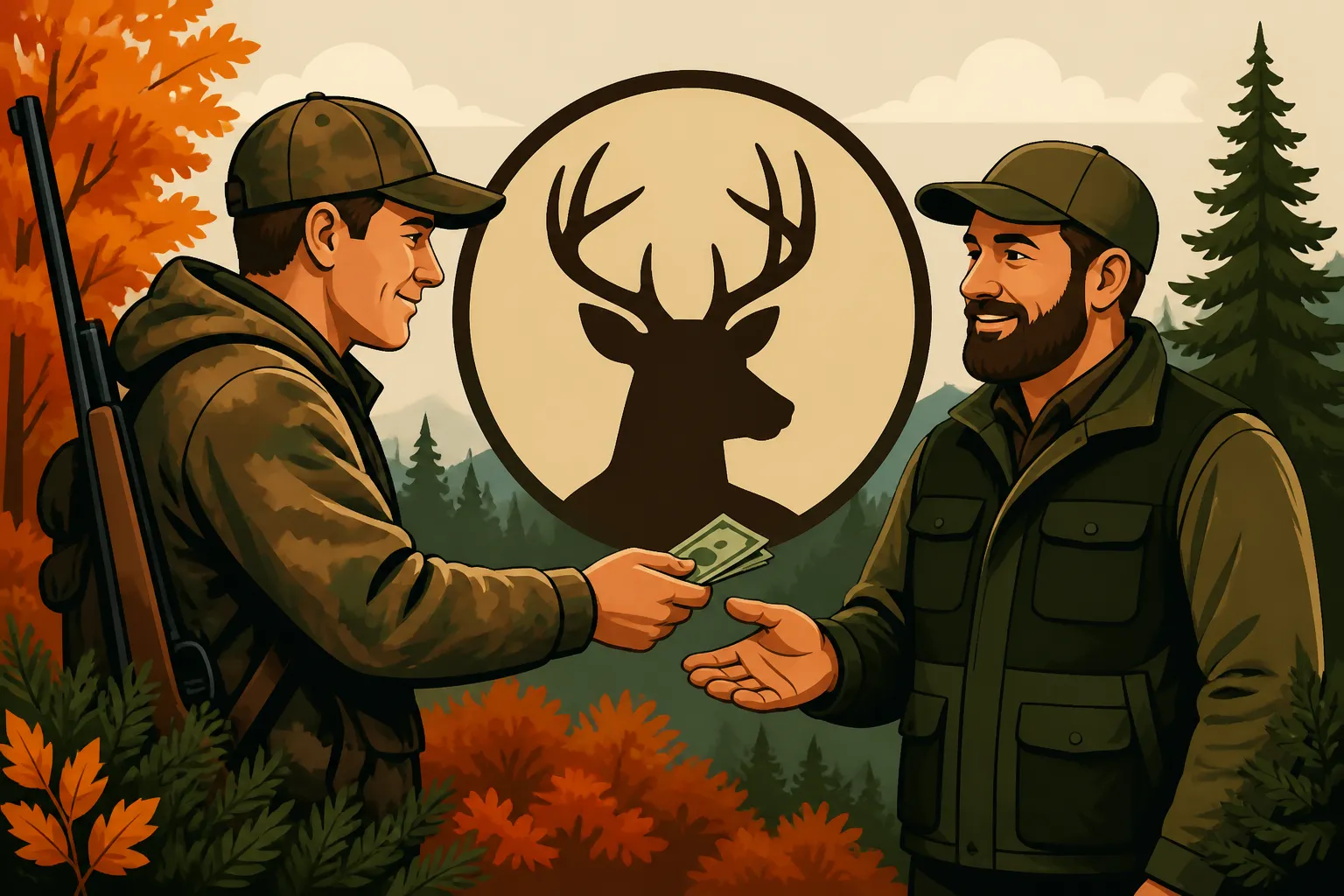
The best time to present your tip is typically at the very end of the hunt, just before you part ways. This could be after you've packed up, after the deer is processed, or when you're leaving camp for the final time. It's usually done privately, or semi-privately, rather than making a big show of it in front of others. This allows for a more personal exchange of gratitude.
Cash is King
When it comes to the method of tipping, cash is almost always preferred. There are a few reasons for this:
- Immediate Access: Cash is immediate and liquid for the guide. They don't have to wait for checks to clear or deal with credit card processing times.
- No Fees: If you add a tip to a credit card payment, the outfitter or guide may incur processing fees, which effectively reduces the amount the guide receives. Cash avoids this.
- Privacy: Cash is often seen as a more discreet way to handle tips, and it can simplify financial tracking for the guide.
If cash isn't feasible, a personal check made out directly to the guide is the next best option. Avoid adding it to the outfitter's final bill if you can help it, unless you've specifically confirmed that the outfitter passes 100% of the credit card tip directly to the guide.
A Sincere Thank You
No matter the amount, always accompany your tip with a heartfelt "thank you." A genuine expression of gratitude for their hard work, their knowledge, and the memories created goes a long way. You can mention specific things you appreciated about their efforts, like their incredible tracking skills or their patience with your questions. A brief, handwritten note is a thoughtful touch that many guides truly cherish. These small gestures enhance the human connection that makes hunting with a guide so special.
Group Tipping Strategy
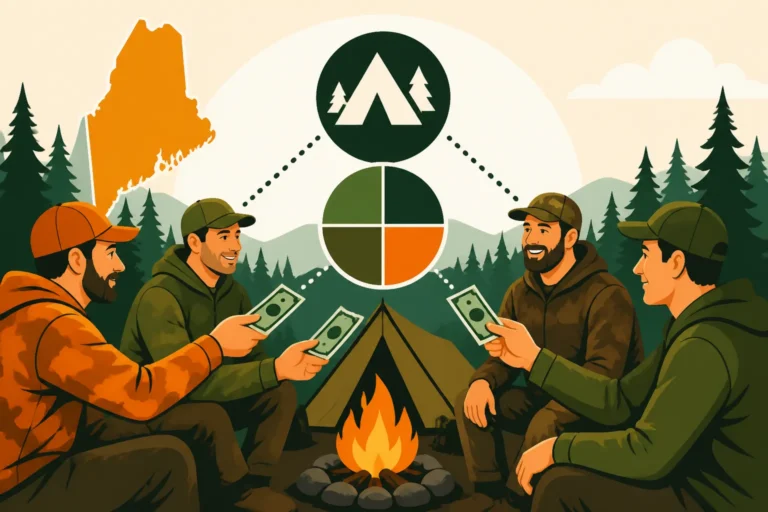
If you're part of a group hunt, it's a good idea to discuss tipping with your fellow hunters beforehand. Decide on a collective amount and designate one person to collect the money and present it to the guide. This avoids multiple, potentially awkward individual exchanges and ensures the guide receives a consolidated, clear message of appreciation.
When a Low Tip or No Tip Is Justified (Rarely)
While most guides are professional and deserving of a generous tip, there are rare instances where a low tip or no tip might be justified. If a guide was genuinely unsafe, unprofessional, disrespectful, or clearly put in minimal effort, you have the right to adjust your tip accordingly. However, this should be an extremely rare occurrence with reputable Hiring a Registered Maine Guide. If you encounter such a situation, it’s often best to address your concerns discreetly with the outfitter's management rather than simply withholding a tip without explanation. Most guides take immense pride in their work and want to ensure you have a positive experience, and constructive feedback can be valuable, even if difficult.
Remember, a tip is a token of appreciation for a service well rendered. It's a sign of respect for a guide's chosen profession and the hard work they put in. By understanding the standard practices and considering the various factors that contribute to a successful hunt, you can confidently and gratefully acknowledge your Maine deer guide's efforts, ensuring they feel valued and ready to lead the next hunter into the beautiful Maine wilderness.
Disclaimer
This article is for general informational purposes only and does not constitute professional advice. Laws, prices and regulations vary by location and change over time. Consult a qualified professional for guidance on your specific situation.