Asking an Outfitter for Hunter References
The thrill of planning a hunting trip in Maine, whether it's for a majestic moose or a wary whitetail, is undeniable. But let's be honest, the anxiety of booking a guided hunt with an unfamiliar outfitter can quickly dampen that excitement. You're investing significant time, money, and dreams into this experience, and the last thing you want is a disappointment. This guide is here to empower you by detailing exactly how to confidently ask for and vet hunter references, ensuring your next Maine hunting adventure lives up to its promise.
Why Hunter References Are Your Best Scouting Tool
You've found an outfitter that looks great online; maybe they have a beautiful website or impressive social media photos showcasing massive trophies. But how do you really know if they deliver on those promises once you're boots-on-the-ground in the Maine woods? This is precisely where hunter references become your most valuable scouting tool, acting as your personal, unbiased eyes and ears.
Beyond the Glossy Brochures: Getting the Real Story
It’s incredibly easy for any business to paint a perfect picture of itself. Outfitters are no different. They’ll naturally highlight their biggest success stories, their most picturesque camps, and their most glowing, enthusiastic testimonials. But what about the less-than-perfect days? What happens when the weather turns foul, or the animals aren't cooperating? What about the potential for hidden costs, the real dynamics of camp life, or the actual level of effort put in by the guides? A brochure or a website is, at its core, a marketing piece, meticulously designed to entice and impress you. It’s a carefully curated highlight reel, not the unvarnished full game.
Think of it this way: you wouldn't buy a used vehicle just based on a few shiny photos a seller posted online. You’d absolutely want to talk to previous owners, physically inspect the vehicle, and maybe even take it for a test drive to truly understand its condition. The very same principle applies when you’re considering investing in a guided hunt. You are, after all, putting your hard-earned money, your precious vacation time, and often years of anticipation on the line. You absolutely need to hear from real people who have lived the experience, not just read select, carefully edited snippets. These candid conversations can reveal crucial, often overlooked, details that no advertisement or website will ever openly disclose. For instance, you might learn how the guide truly handles a week of relentless rain, or if the camp food genuinely lives up to its "home-cooked" description.
Getting the real story means striving to understand the complete experience, embracing the good, the challenging, and everything in between. This comprehensive understanding is vital for managing your expectations effectively and can be the difference between a memorable trip and a costly, disheartening disappointment. It’s all about performing your due diligence, and as a paying client, this thorough investigation is absolutely your right.
Mitigating Risk and Avoiding Disappointment
Booking a guided hunt, particularly one as significant and anticipated as a Moose Hunting Maine's North Woods expedition or a Bear Hunting Maine's Three Legal Methods trip, represents a substantial investment. Imagine arriving at a remote Maine camp after a long journey, only to discover that the reality falls drastically short of what was promised. Perhaps the equipment is shoddy, the guides appear unengaged or inexperienced, or the hunting pressure in the area is far higher than implied during your initial conversations. These scenarios are, unfortunately, not uncommon, and they can severely impact your overall experience.
Hunter references serve as your essential insurance policy against these potential pitfalls and frustrations. By speaking directly with past clients, you gain the unique ability to identify consistent patterns in the outfitter's operation. Was the success rate genuinely high for those who committed to the effort? Were the guides truly knowledgeable and adept at navigating Finding Sign in Big North Woods Timber or Reading a North Woods Deer Yard effectively? Did the outfitter consistently uphold their end of the bargain regarding camp amenities, safety protocols, and the overall level of dedication from their team? If multiple references echo similar concerns or, conversely, consistently offer specific praises, you possess a strong and reliable indicator of what you can genuinely expect. This proactive step isn't solely about protecting your financial investment; it's crucially about safeguarding your precious hunting memories. A single negative hunting experience can sour you on a particular region or even a species for many years to come, making this initial effort absolutely worthwhile to prevent such a costly disappointment.
The Art of Requesting and Receiving References
It's not enough to simply ask for "some references." There's a proper and effective way to approach this request to ensure you receive genuinely helpful contacts and not just the outfitter's pre-vetted list of close friends or relatives.
What to Ask For When You Contact an Outfitter
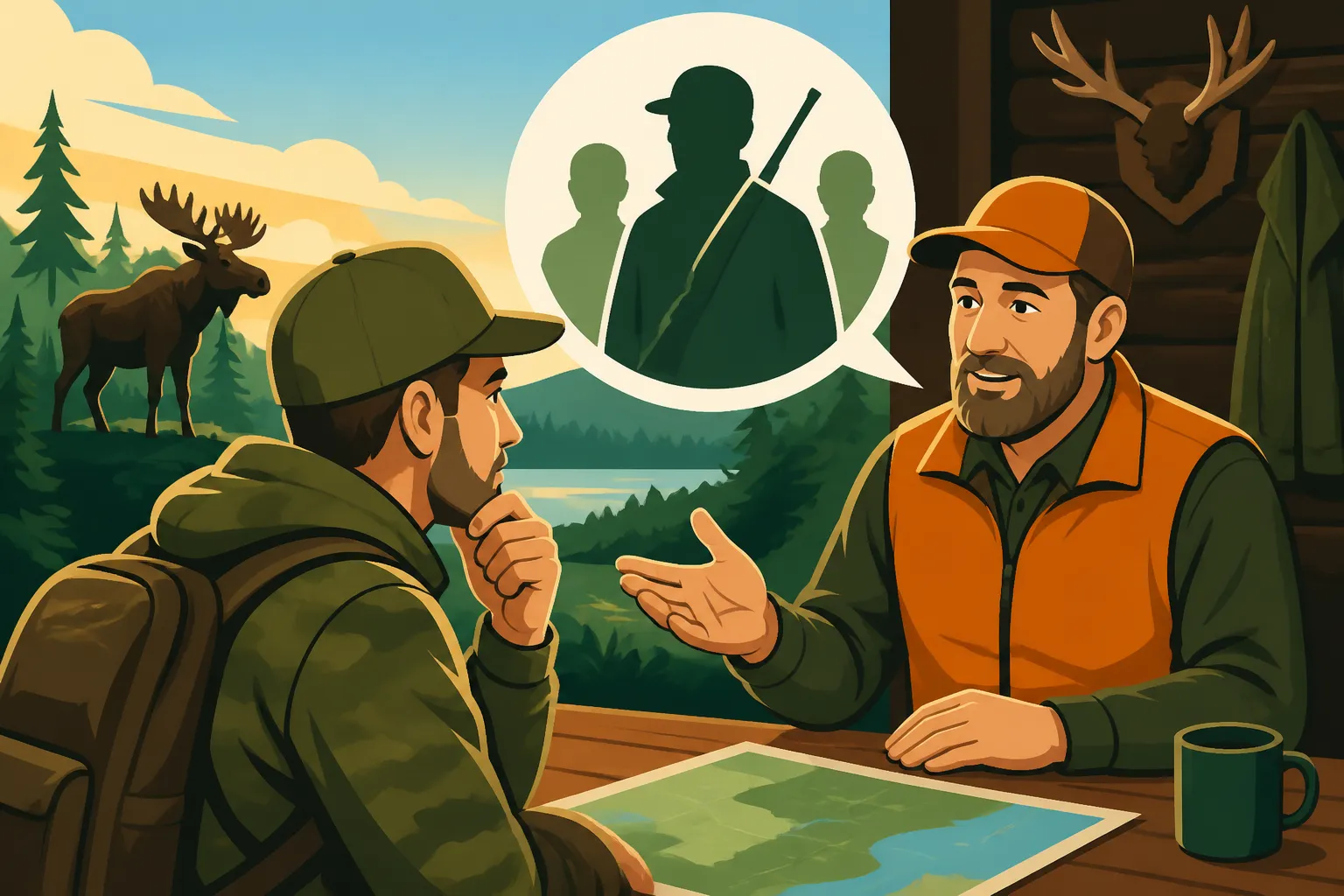
When you first make contact with a prospective outfitter, whether it's through a phone call, an email, or even an inquiry form on their website, make it clear early in your conversation that you intend to seek references. This upfront communication sets a clear expectation and often signals to the outfitter that you are a serious, discerning client who does their homework. Don't be shy or apologetic about making this request; it's a standard and professional part of booking a quality guided hunt. Your goal should be to ask for at least three to five recent references, ideally from the previous hunting season or the current season if it's already underway. Specificity is absolutely paramount here.
You don't just want any references; you need ones that are relevant to your planned trip. Request contacts from clients who hunted the specific species you are interested in pursuing (for example, deer, bear, moose, turkey, or sea duck). Furthermore, if possible, ask for references who hunted during the same time of year you intend to book. This is crucial because a guide who excels at Spring Turkey Hunting in Maine might not necessarily be the best choice for Muzzleloader Deer Hunting in Maine, as conditions, animal behavior, and tactics change dramatically throughout the hunting calendar. You need feedback that directly relates to your potential experience. Also, inquire about references who booked a similar package to the one you're considering. If you're looking for a fully guided, all-inclusive trip, speaking with someone who opted for a self-guided or partial service will provide limited relevant insight. If the outfitter hesitates, offers vague excuses, or seems reluctant to provide references, consider that a significant red flag. Reputable outfitters should have a readily accessible list of satisfied clients who are more than willing and eager to share their positive experiences. While you might find some outfitters listed on platforms like BookYourHunt or GoHunt that feature testimonials directly on their profiles, even in those cases, direct personal contact with references remains an absolutely paramount step.
Giving the Outfitter Time and Respecting Privacy
Once you've clearly articulated your request for references, it’s important to understand that the outfitter will need a reasonable amount of time to gather the necessary contact information. More importantly, they will likely need to reach out to their past clients first to ensure that those individuals are comfortable and willing to be contacted by a prospective hunter. Client privacy is a significant consideration, and most reputable outfitters will respect this by obtaining permission from their former clients before sharing their personal details, such as phone numbers or email addresses, with you.
Be patient during this period, but also feel empowered to set a reasonable expectation for when you would like to receive the information – perhaps within a few business days. If you don't hear back within that agreed-upon timeframe, a polite and professional follow-up email or phone call is entirely appropriate. Remember, you are evaluating a professional operation, and their responsiveness in providing references can offer an early and telling indicator of their overall level of customer service and organizational efficiency. If they consistently drag their feet, taking weeks to respond, you might want to consider what that could mean for their communication during your actual hunt! A good, client-focused outfitter understands that this reference-checking process is an absolutely essential component for your peace of mind and, ultimately, for maintaining their valuable business reputation.
What to Discuss with Hunter References
Once you have those precious contact details in hand, the real investigative work begins. Your overarching goal at this stage is to gather as much unfiltered, honest information as you possibly can.
Crafting Your Questions for Comprehensive Feedback
Before you pick up the phone to make that first call or even begin typing out an email, dedicate some focused time to prepare a comprehensive list of targeted questions. This isn’t just meant to be a friendly, casual chat; it should be approached more like an investigative interview. Your aim is to cover every conceivable aspect of the hunt, ranging from the intricate logistical details to the actual, tangible experience in the field. Really think deeply about what matters most to you for your upcoming trip. Here are some critical areas you should absolutely explore with each reference:
- Logistics & Accommodations: "How were the camp facilities? Was the food good, plentiful, and varied? Were the sleeping arrangements comfortable and clean? What was the overall atmosphere and camaraderie like at camp? Was it what you expected?"
- Guiding Quality & Effort: "How knowledgeable and experienced was the guide about the local area, the specific game species you were hunting, and animal behavior? Were they consistently attentive, dedicated, and personable? Did they genuinely work hard and put in the necessary effort to put you on game, even when conditions were challenging? How did they handle unexpected issues, unforeseen challenges, or those inevitable slow hunting days?" This is where you can truly gauge their expertise in critical areas like understanding Wind and Thermals in Maine Hill Country or their ability to effectively interpret Reading Maine Mud for Fresh Deer Movement.
- Hunting Opportunity & Success Rates: "What kind of hunting opportunities did you realistically have each day? Did you consistently see game or fresh sign? What was the overall success rate for your group or for other hunters in camp during your stay? Did you feel the outfitter was entirely realistic and honest about the chances of success, or did they tend to overpromise results?" It's crucial to remember that "success" isn't solely about harvesting an animal; it's also about having a high-quality, memorable, and ethical hunting experience.
- Equipment & Safety Protocols: "Was the equipment provided – such as vehicles, boats, blinds, or stands – in good working order, well-maintained, and, most importantly, safe? Did you feel secure and safe at all times throughout your hunt, both in camp and in the field?"
- Overall Experience & Value for Money: "Considering everything, would you personally book another hunt with this outfitter in the future? Why or why not? Do you honestly feel that you received good value for the significant money you spent? Were there any unexpected or hidden costs, fees, or unpleasant surprises that weren't disclosed upfront?"
Adopting this structured approach ensures that you consistently cover all critical points and allows for an effective comparison of answers across different references. As you speak with each person, make sure to take detailed notes – it's remarkably easy to forget specific details later on.
Identifying Red Flags and Green Lights
As you engage in conversations with the references, pay extremely close attention not just to the content of what they say, but also to how they articulate their experiences. Are they genuinely enthusiastic and eager to share positive stories, or do they sound hesitant, offering vague answers, or perhaps even faint, unconvincing praise? The key is to look for consistency in the feedback across multiple references.
Table: Red Flags vs. Green Lights from Hunter References
| Feature | Red Flag (Proceed with Caution) | Green Light (Go For It!) |
|---|---|---|
| Enthusiasm Level | Hesitant, vague, or excessively short answers; "It was just okay." | Enthusiastic, detailed, eager to share specific, positive stories. |
| Guide's Effort | "Guide seemed tired/disinterested," "Didn't work hard." | "Guide was relentlessly dedicated," "Worked his tail off every single day." |
| Honesty/Realism | Outfitter's initial claims don't match reference's actual experience; overpromised outcomes. | Reference confirms outfitter was realistic about hunting challenges and potential success. |
| Camp Life Quality | Negative comments about food, general hygiene, or uncomfortable sleeping arrangements. | Positive feedback on delicious food, consistently clean camp, and comfortable accommodations. |
| Communication | "Hard to get a hold of the outfitter," "Received conflicting information." | "Outfitter was exceptionally responsive," "Clear communication before and during the hunt." |
| Issue Resolution | Unresolved problems; outfitter ignored concerns or became defensive when issues arose. | Any issues (e.g., tough weather, slow hunting) were addressed professionally and proactively. |
| Rebooking Intent | "Probably not," "I'd definitely look elsewhere next time." | "Already booked for next year!" "Absolutely, I'd go back in a heartbeat, without question." |
It’s important to note that a single minor negative comment isn't necessarily a deal-breaker, as individual experiences can vary. However, a consistent pattern of similar complaints or concerns across several different references should give you serious pause and warrant further investigation. Conversely, if every reference you speak with raves about the same positive aspects – for instance, the guide's exceptional expertise in Tracking a Deer in Fresh Maine Snow or the outstanding hospitality at camp – then you've very likely identified a solid and reputable choice. Don't hesitate to ask thoughtful follow-up questions to clarify any points of concern or to delve deeper into positive aspects.
Weighing the Feedback and Making Your Decision
Gathering references is only one half of the battle; the other, equally critical half, involves thoroughly interpreting the information you've collected and seamlessly integrating it into your final decision-making process.
Comparing and Contrasting Experiences
Once you've had the opportunity to speak with all your chosen references, take the time to sit down and systematically compare and contrast their feedback. Did everyone describe a largely similar experience, or were there significant discrepancies in their accounts? It's quite common and understandable for different hunters to have slightly varied experiences, as individual expectations, personal hunting styles, and even the specific timing of their hunt can all play a role. However, if one reference describes a lavish, amenity-rich camp while another reports a much more rustic, "roughing it" experience, that's a significant red flag that absolutely warrants further investigation and clarification from the outfitter. Ultimately, you're looking for a consistent and coherent picture of the outfitter's entire operation and the typical client experience.
Also, consider the background of each reference. Was one a first-time hunter, perhaps on their maiden guided trip, while another was a seasoned veteran with a decade of guided hunts under their belt? Their individual perspectives and priorities might differ significantly, and both are valuable in their own right. A first-timer might be easily impressed by basic amenities, whereas a veteran might have much higher expectations regarding guide knowledge and specific hunting tactics. A truly good outfitter should ideally be capable of satisfying both types of clients. Crucially, you need to determine if your specific expectations align well with the typical experience offered. For example, if you're a hardcore, dedicated hunter eager to engage in Still-Hunting Aroostook County Farmland from dawn until dusk, but all the references describe more relaxed, half-day hunts, then despite their positive reviews, it might simply not be the right fit for your particular style, even if they had a fantastic time.
Trusting Your Gut and Final Steps
Ultimately, after all the diligent research, thoughtful discussions, and careful comparisons, you must allow yourself to trust your gut feeling. If something still feels inherently "off" or unsettling, even if the references provided generally positive feedback, it is absolutely worth exploring other outfitter options. Your intuition can sometimes pick up on subtle cues, unspoken hesitations, or underlying issues that aren't explicitly articulated by the references. Perhaps the outfitter seemed a bit too pushy during the initial booking conversation, or you felt rushed during your call with a reference. These small, lingering feelings can accumulate and suggest a potential mismatch. Always keep in mind Questions to Ask a Maine Outfitter and be aware of Red Flags When Booking a Maine Hunt throughout this entire process.
Once you feel genuinely confident and comfortable with your choice, it’s time to finalize your booking. Before you send any deposit, however, ensure you have every single detail in writing. This includes the exact hunt dates, the specific species you're targeting, the agreed-upon total price, a clear itemized list of what is explicitly included and excluded from the package, and, critically, the outfitter's cancellation and refund policy. Never leave anything to assumption or verbal agreements. This written confirmation step is especially vital for significant financial investments, such as applying for a Maine Moose Lottery Application Process hunt. A truly reputable and professional outfitter will be more than happy to provide a clear, comprehensive written agreement or contract. And remember, once you've had your incredible and memorable Maine hunting adventure, consider paying it forward by being a willing, honest, and helpful reference for future hunters!
Disclaimer
This article is for general informational purposes only and does not constitute professional advice. Laws, prices and regulations vary by location and change over time. Consult a qualified professional for guidance on your specific situation.