Hunting the Allagash Wilderness Waterway Corridor
The thought of hunting Maine's legendary Allagash Wilderness Waterway Corridor often conjures up images of pristine wilderness and abundant game, but the reality for many hunters is a daunting tangle of remote access, complex regulations, and the sheer physical demands of a truly wild landscape. It’s easy to feel overwhelmed by the planning involved when you’re dreaming of a remote hunt in such an iconic place. This guide aims to break down the ins and outs of hunting this unique corridor, helping you navigate the challenges and maximize your chances of a successful and unforgettable experience.
Understanding the Allagash Wilderness Waterway (AWW)
The Allagash Wilderness Waterway isn't just another stretch of river; it's a 92-mile ribbon of protected lakes, ponds, rivers, and streams flowing through the heart of northern Maine's vast forests. Designated a National Wild and Scenic River, the AWW is managed by the Maine Bureau of Parks and Lands, and it’s a place where the wild still truly dominates. This isn't a suburban woodlot or even a typical managed forest; it's an experience that tests your preparedness and respect for nature. Many hunters arrive expecting easy access, only to find themselves facing serious logistical puzzles.
What Makes the AWW Unique
The unique appeal of the Allagash lies in its wild character and the blend of deep woods and interconnected waterways. Imagine paddling through still waters, surrounded by towering pines and spruce, with only the calls of loons breaking the silence. That's the Allagash. Unlike many hunting areas, where roads crisscross the landscape, the AWW is primarily accessed by watercraft, making it a true float trip experience. This means your "trail" is often the river itself, and your primary mode of transportation is a canoe, kayak, or small boat, sometimes portaging around rapids or dams. The challenges it presents—from navigating currents to keeping your gear dry—are what make a successful hunt here so profoundly rewarding. It's a place where you're truly immersed in the wilderness, far from the conveniences of modern life. You won't find many gas stations or cell towers here, which for some is the greatest draw, and for others, the greatest source of anxiety.
Navigating the Waterway's Geography
The AWW stretches from Telos Lake and Chamberlain Lake, flowing north through Eagle and Churchill Lakes, then transitioning into the legendary Allagash River itself, which eventually empties into the St. John River near Allagash Village. This journey means varied terrain: wide-open lake expanses, narrower river stretches with faster currents, and a few notable rapids and dams that require portaging. Knowing the specific sections you plan to hunt is crucial. For instance, the southern lakes (Chamberlain, Eagle) offer different opportunities than the river sections further north. The geography dictates everything from how you travel to where deer and moose might be concentrated. Detailed maps, especially waterproof ones, are non-negotiable. Many experienced hunters use mapping apps like GoHunt to scout and pinpoint potential game corridors, old logging roads that might still be passable on foot, or beaver flowages that attract wildlife. Understanding the flow, the portage points, and the distinct characteristics of each section is foundational to planning your hunt. If you underestimate a particular stretch of river, you could find yourself in a very difficult situation with a canoe full of gear and a long way to go.
Game Species and Opportunities in the AWW
While the Allagash Wilderness Waterway is a designated "wilderness" area, it's far from devoid of wildlife. In fact, its remoteness and extensive habitat make it prime territory for several key Maine game species. The challenge, of course, is effectively hunting them within the unique confines of a float trip.
Deer and Moose Potential
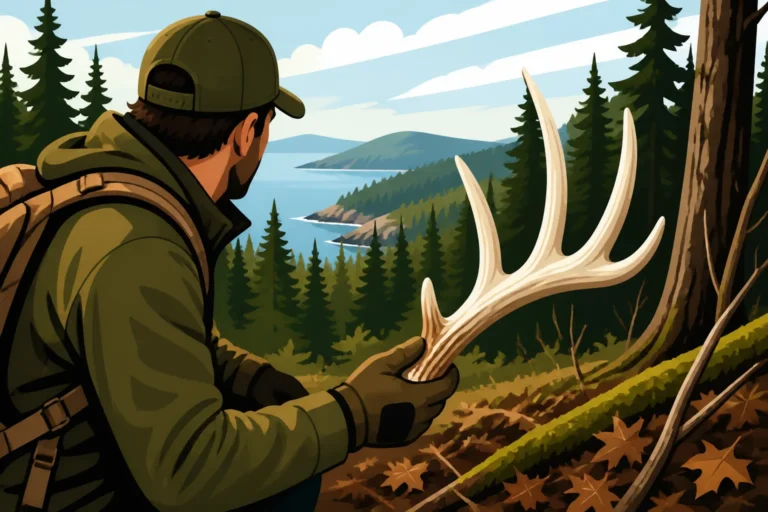
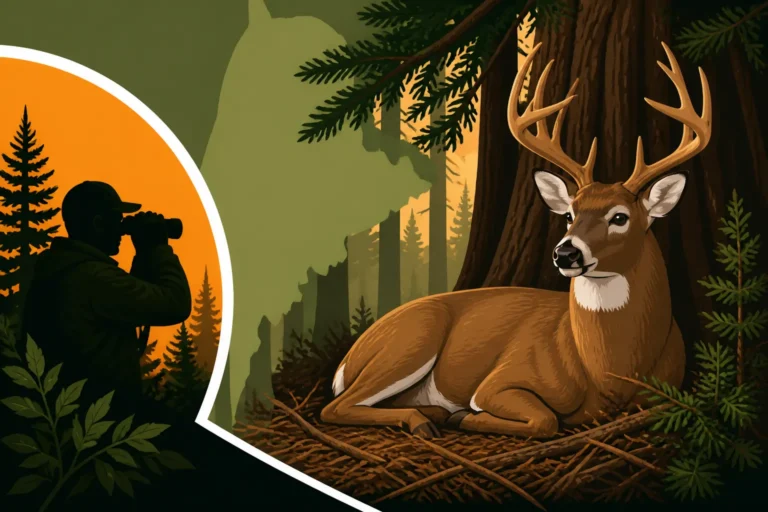
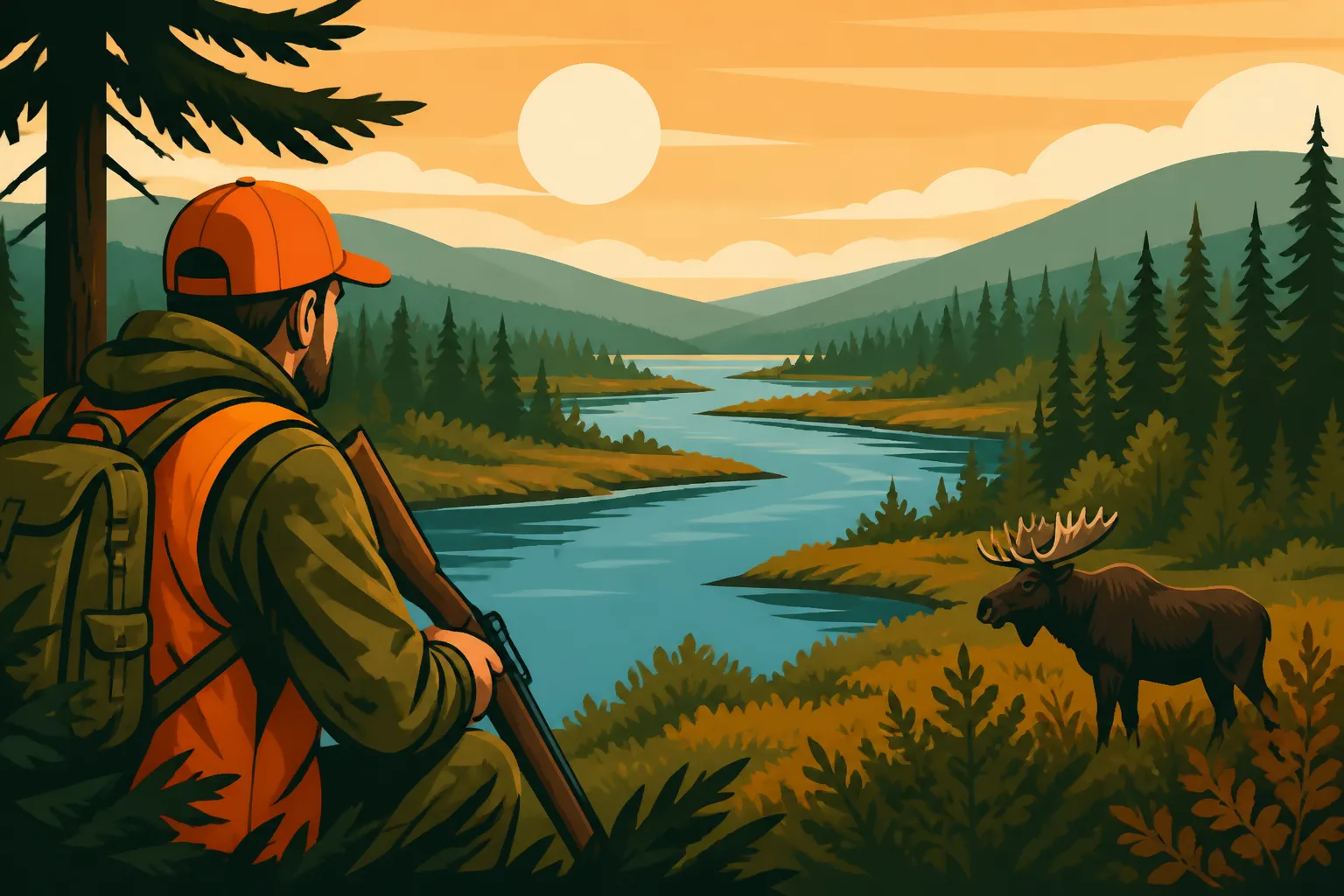
For many, the dream of an Allagash hunt revolves around big game. The corridor runs through some historically good moose country, especially in the northern reaches, and deer, particularly robust bucks, can be found. You’ll be in classic North Woods habitat, which means dense conifer stands, mixed woods, and abundant water sources. When it comes to Moose in Maine's North Woods, the AWW offers incredible scenery, but success often hinges on drawing a tag for the correct Wildlife Management District (WMD) that encompasses your chosen section of the waterway. Hunters with a moose permit for WMDs like 2, 3, or 4 often target portions of the Allagash corridor. Deer hunting here is a different beast than in southern Maine. The deer density in the deep North Woods is generally lower than in agricultural areas, but the deer that thrive here are often larger and more resilient. Looking for White-Tailed Deer Across Maine in the Allagash means focusing on edges – where softwood meets hardwood, old clear-cuts (if accessible from the water), and the rich browse along riverbanks and beaver flows. The remoteness means less hunting pressure in many spots, which can lead to more relaxed deer.
Upland Birds and Small Game
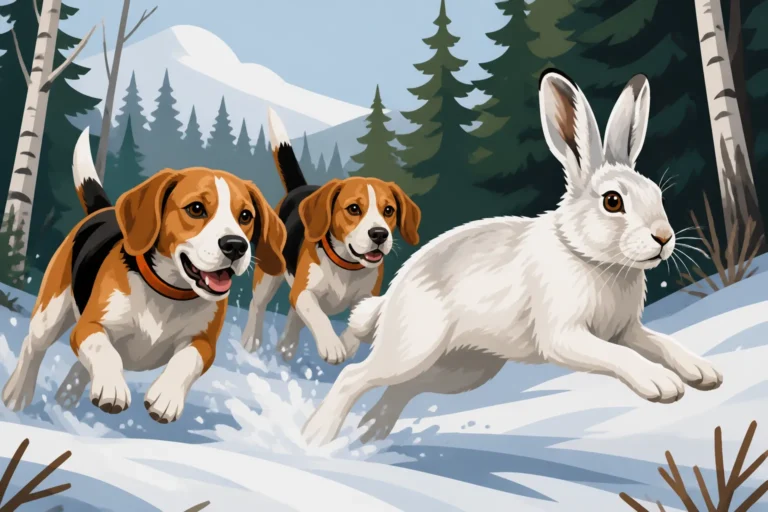
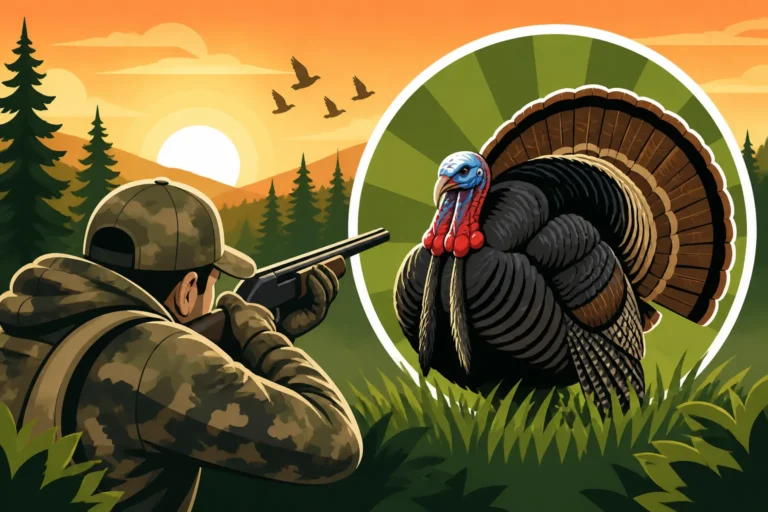
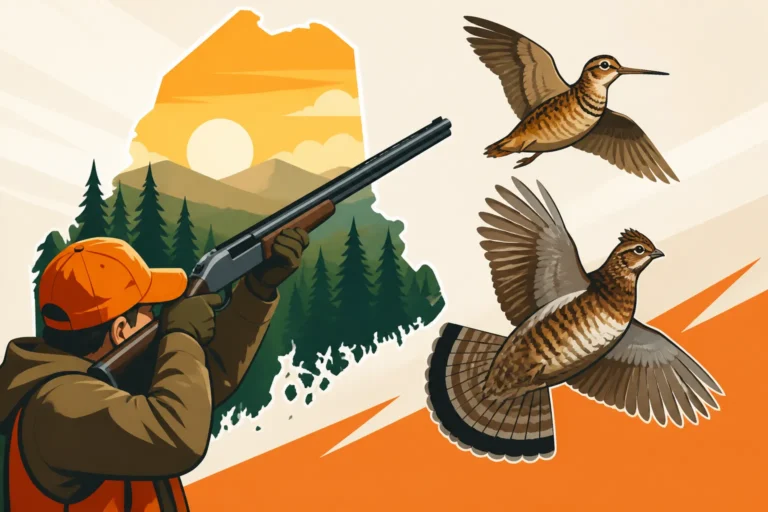
Beyond big game, the Allagash region can be fantastic for Upland Bird and Small Game Hunting in Maine. Ruffed grouse and woodcock are present in good numbers, especially along old logging trails, regenerating cuts, and alder thickets that line the waterway. Imagine pulling your canoe ashore and working a small covert with a bird dog – it's a classic Maine experience. The sound of a grouse thundering out of a spruce thicket or a woodcock flushing from a wet alder bottom is exhilarating. Snowshoe hare are also plentiful in the dense softwood stands, providing another exciting small game opportunity, particularly if you have a pair of hounds. Many hunters forget about these opportunities when planning a big game trip, but adding a shotgun to your gear can offer a fantastic change of pace and an additional chance to put some wild game in the pot. Just be mindful of ammunition weight and space in your canoe!
Bear Hunting Considerations
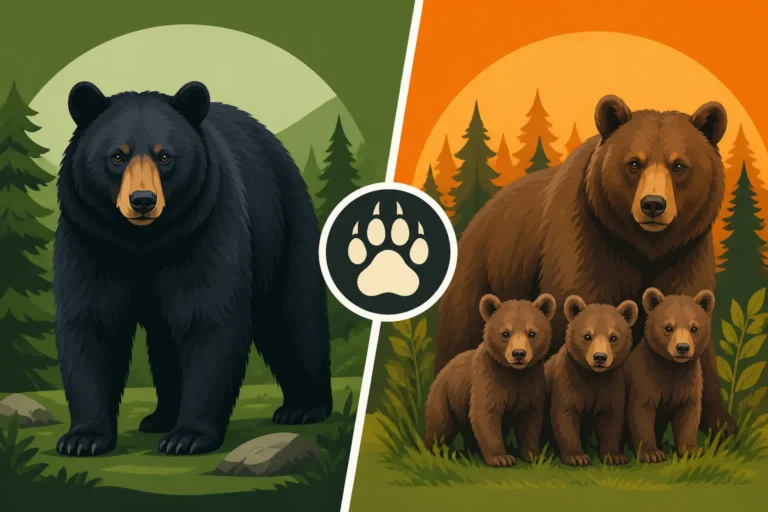
While not as commonly advertised as a primary bear hunting destination, the Allagash corridor definitely holds a healthy population of black bears. Given the dense forest, abundant food sources like berries, and relative lack of human disturbance, bears thrive here. Hunting bear along the Allagash typically falls under the methods described in Bear Hunting Maine's Three Legal Methods. While baiting is legal in Maine, setting up and maintaining a bait site deep in the AWW corridor would be an immense logistical challenge. Most successful bear hunters in this area would likely pursue them through still-hunting, glassing cuts (if available and accessible), or potentially using hounds, though navigating the waterway with a pack of dogs adds another layer of complexity. If you're carrying a deer or moose tag and spot a bear, remember that Maine allows you to fill a second bear permit if you have one. Encountering a bear is a real possibility, so always be bear-aware and have appropriate safety measures in place.
Regulations and Access for Hunting the AWW
Hunting in the Allagash Wilderness Waterway Corridor requires a solid understanding of Maine’s hunting regulations, combined with specific rules unique to the AWW itself. Missteps here can quickly turn an exciting adventure into a frustrating, ticket-prone experience.
Specific Hunting Rules and Permits
First and foremost, you need to ensure you have the correct Maine hunting licenses and permits. This includes your general hunting license, any big game permits (like moose or deer management permits), and your migratory bird endorsement if you're targeting waterfowl, which can sometimes be found on the waterway. Reviewing Maine Hunting Licenses and What They Cost is a critical first step. Beyond the general statewide rules, the AWW has specific camping regulations and group size limits. You must register at a North Maine Woods gate or a smaller ranger station along the waterway before entering, and you'll typically be assigned designated campsites. Discharge of firearms from watercraft is generally illegal, and you must understand setback distances from established campsites or occupied dwellings. It’s also important to note that many sections of the AWW fall within "unorganized territories," which sometimes have subtle differences in local ordinances regarding things like ATV use or fire permits. Always check the current Maine Department of Inland Fisheries and Wildlife (MDIFW) regulations booklet and the AWW specific rules pamphlet before your trip.
Access Points and North Maine Woods System
Accessing the Allagash is a significant logistical hurdle. The waterway lies almost entirely within the vast industrial forest lands managed by North Maine Woods (NMW). This means you'll be entering through one of their checkpoints and paying a fee. For more information, check out North Maine Woods Day-Use Fees. Common access points include the Telos Dam at the southern end (via the Telos Road from Millinocket) or various points along the St. John River to access the northern sections. There are also private roads and smaller access points managed by various timber companies that feed into the NMW system. You'll need to know which NMW gate to enter, understand their gate hours, and be prepared to pay fees for both entry and any camping. For hunters, this system is vital to understand because it controls how you get in, how you get out, and what roads you can use if you plan on shuttling vehicles. Without careful planning and communication with NMW, you could find yourself locked out or unable to retrieve a vehicle. Tools like GoHunt can help identify potential forest roads and access points, but always confirm with NMW staff.
Staying Legal and Ethical
In a wilderness setting like the Allagash, upholding ethical hunting practices and adhering strictly to regulations isn't just about avoiding a fine; it's about preserving the privilege of hunting in such a special place. This means understanding and respecting property lines, which can be tricky in the vast timberlands. While much of the land surrounding the AWW is industrial forest, there are sometimes private inholdings or specific protected zones. Always confirm land ownership, especially if you're considering a short excursion away from the main waterway. The tradition of "implied permission" on private timberlands in Maine is often discussed, but in areas with increased public use, landowners may post their property. Reviewing Asking a Maine Landowner for Permission can provide context, even if the primary access is NMW land. Additionally, "Leave No Trace" principles are paramount. Pack out everything you pack in, dispose of game waste properly, and ensure your campfires are fully extinguished. The AWW is a fragile ecosystem, and every hunter has a responsibility to minimize their impact.
Planning Your AWW Hunt: Logistics and Gear
A successful Allagash hunting trip isn't just about knowing where the game is; it's about meticulous planning and packing. The remote nature of the AWW means you can't just run to the store for forgotten items, and a broken piece of gear could derail your entire adventure.
Essential Gear and Supplies
Your gear list for an AWW hunt will be more extensive and specialized than for a typical road-accessible hunt. Beyond your hunting firearm or bow, optics, and blaze orange, consider these key categories:
- Watercraft: A durable canoe (like an Old Town or Wenonah) or a robust rafting setup is essential. Ensure it's large enough to carry all your gear, food, and potentially game.
- Paddling Gear: PFDs (personal flotation devices) for everyone, spare paddles, a repair kit for your craft, bailing sponges, and a throw bag.
- Navigation: Waterproof maps (paper and digital), a reliable GPS unit, and a compass. Apps like GoHunt can be invaluable for pinpointing your location, marking game sign, and identifying potential hunting spots.
- Camping: Lightweight but durable tent, sleeping bag rated for Maine's chilly nights (even in early fall), cooking gear, water filter/purifier, and a bear-resistant food container or bag for hanging food. Refer to Camping Along the Allagash Wilderness Waterway for more specific details on AWW camping.
- Clothing: Layers of quick-drying synthetics or wool, sturdy waterproof boots, rain gear (top and bottom), and a warm hat and gloves. Maine weather is notoriously unpredictable.
- Safety & Emergency: First-aid kit, emergency shelter, fire starter, headlamp with spare batteries, signaling mirror, whistle, and a satellite messenger or inReach device – cell service is virtually nonexistent.
- Game Processing: Sharp knife, game bags, quartering tools, rope for hanging game, and a sturdy pack frame if you plan to pack out meat over land.
| Item Category | Essential Items | Notes |
|---|---|---|
| Hunting | Firearm/Bow, Ammo, Optics, Blaze Orange, Game Tags | Check WMD-specific regulations. |
| Navigation | Waterproof Maps, GPS, Compass, Satellite Messenger | Apps like GoHunt are great, but have backup paper maps. |
| Watercraft | Durable Canoe/Raft, PFDs, Spare Paddle, Repair Kit, Bailing Sponge | Ensure adequate capacity for gear + potential game. |
| Camping | Tent, Sleeping Bag, Cookware, Water Filter, Bear Canister | Allagash campsites are designated; plan accordingly. |
| Clothing | Layers (Wool/Synthetic), Waterproof Outerwear, Sturdy Boots, Hat, Gloves | Maine weather can change rapidly. |
| Safety | First-Aid Kit, Fire Starter, Headlamp, Signalling Device, Knife | Prioritize personal safety in remote areas. |
| Game Care | Sharp Knife, Game Bags, Quartering Kit, Rope, Pack Frame | Critical for preserving meat in the field. Refer to Field Dressing a Deer in Cold Weather. |
| Miscellaneous | Sunscreen, Insect Repellent, Binoculars, Repair Kit for various items, Camera | Don't forget bug dope during early season hunts! |
Float Trip Logistics and Safety
The float trip aspect defines an Allagash hunt. You’ll need to decide on your entry and exit points, which will dictate the length of your paddle and potential shuttle needs. Some hunters arrange for a vehicle shuttle service with a local outfitter or guide. Others will park one vehicle at the take-out and drive another to the put-in. This logistical puzzle is often the most stressful part of the planning. Be realistic about your paddling ability and the time it will take. Currents, headwinds, and portages can all slow you down significantly. Safety is paramount: always wear your PFD, know how to self-rescue or rescue others, and never overload your craft. High water or strong winds can make paddling treacherous, so be prepared to hunker down at a campsite if conditions deteriorate. It’s a common frustration to have a meticulously planned itinerary completely upended by Mother Nature, but adaptability is key in the Allagash.
Campsites and Overnight Stays
The Allagash Wilderness Waterway has numerous designated campsites, each typically equipped with a picnic table, fire ring, and privy. You are required to use these sites and obtain a permit from the NMW or AWW ranger. It’s generally a first-come, first-served system, though during peak times, some outfitters might reserve sites for their clients. Planning your daily mileage around these sites is essential. You'll want to aim for campsites that are within reasonable paddling distance but also offer good hunting opportunities nearby. Being able to set up a comfortable camp, dry out gear, and cook a warm meal after a day of paddling and hunting makes all the difference. Remember to practice "Leave No Trace" principles at all times; this pristine environment depends on it.
Hunting Strategies Specific to the Allagash
Hunting the Allagash isn't like hunting from a pickup truck on a logging road. Your strategy needs to leverage the waterway itself as your primary access and hunting platform. This requires patience, keen observation, and an understanding of how game uses the river corridor.
Still-Hunting Along the Shoreline
One of the most effective methods for hunting the Allagash is still-hunting the shoreline. As you slowly paddle or drift, constantly scan the banks, looking for deer, moose, or bear feeding along the water's edge, drinking, or simply moving through the cover. Pulling your canoe quietly ashore and carefully slipping into the woods to still-hunt for a few hundred yards can be incredibly productive. Focus on areas where the terrain changes, where hardwood ridges meet the water, or where beaver activity has created new browse. Early mornings and late evenings are prime times for animals to be active near the water. Remember that your scent will be carried by the prevailing winds and thermals, so approach carefully from downwind. This method requires a steady hand with a paddle and the discipline to move slowly and deliberately, but it allows you to cover vast stretches of otherwise inaccessible country.
Calling and Stand Placement
Both deer and moose respond well to calling, and the relatively low hunting pressure along much of the AWW can make animals less call-shy. For moose, cow calls and bull grunts can be highly effective during the September-October rut. Find a vantage point overlooking an open area or a thick stand of timber that moose frequent, and call sparingly. If you've drawn a tag for Moose Hunting Maine's North Woods, employing calling techniques is almost a necessity. For deer, rattling and grunting can work, especially if you're in an area with good sign and it's around the peak of the rut, typically in early November for Maine. Setting up a temporary ground blind or even a lightweight climbing stand (if permitted on the specific land you are hunting) can be effective. Consider placing a stand overlooking a natural funnel, a beaver dam crossing, or an area with abundant forage near the water. However, remember the weight of a stand and packing it in and out with all your other gear.
Hunting Remote Ponds and Feeder Streams
The Allagash is more than just the main river and major lakes; it's a network of smaller, often overlooked remote ponds and feeder streams. These smaller waterways can be absolute goldmines for game, as they often receive even less pressure. Take the time to study your maps and identify any small streams or ponds that are accessible with a short paddle and portage. These hidden gems can hold undisturbed deer, moose, and even a concentration of Snowshoe Hare in Maine in the dense cover around their edges. Often, the banks of these smaller streams are choked with thick vegetation, offering excellent cover and browse for animals. Parking your canoe at the mouth of a feeder stream and carefully working your way upstream on foot can lead to unexpected encounters. Look for fresh tracks, rub lines, and scat to confirm game presence before investing too much time in one area. This is where detailed scouting with tools like GoHunt can really pay off, allowing you to mark promising smaller drainages or isolated ponds that others might paddle right past.
Challenges and Considerations for the Remote AWW
The Allagash Wilderness Waterway offers an unparalleled hunting experience, but it’s not for the faint of heart. The very elements that make it wild and beautiful also present significant challenges that demand respect and thorough preparation.
Weather and Water Conditions
Maine weather is famously fickle. A warm, sunny autumn day can quickly turn into a cold, driving rain, or even an early snowstorm, particularly in the northern reaches. This isn't just an inconvenience; it can be a safety issue. Cold, wet conditions increase the risk of hypothermia, and high winds can make paddling impossible, stranding you at a campsite. Fluctuating water levels can also impact your trip. Low water might expose more rocks and require more strenuous paddling, while high water can increase currents and submerge hazards. Always check the weather forecast before and during your trip (if you have satellite communication) and be prepared to adapt your plans. Packing extra dry bags, spare clothing layers, and a reliable tarp for camp are essential. The phrase "there's no bad weather, just bad gear" rings particularly true on the Allagash.
Dealing with Remote Travel and Emergencies
The remoteness of the AWW means that help is not quickly available. You are often hours, if not days, away from the nearest medical facility or even a paved road. This underscores the critical importance of a well-stocked first-aid kit, emergency communication devices (like a satellite messenger), and a clear understanding of basic wilderness first aid. What if someone breaks a leg? What if you have a severe allergic reaction? These aren't hypothetical questions in this environment. Additionally, what happens if you successfully harvest a moose deep in the corridor? Retrieving a large animal, quartering it, and transporting it back to your canoe can be an immense undertaking, especially without a guide. Considering Getting a Moose Out of the North Woods from this type of remote location requires significant planning and physical exertion. You need a solid plan for game recovery and preservation. Many hunters find that utilizing the services of a Registered Maine Guide who specializes in the AWW is invaluable for managing these logistics and safety concerns, even for an otherwise self-guided group.
Minimizing Impact and Practicing Leave No Trace
Hunting in a protected corridor like the Allagash comes with a heightened responsibility to minimize your impact. The "Leave No Trace" principles are not just suggestions here; they are the bedrock of responsible outdoor ethics. This means packing out all trash, including food scraps and spent casings. Properly disposing of human waste in designated privies or by burying it well away from water sources. Keeping campfires small and contained, and ensuring they are dead out before leaving. When processing game, scatter gut piles away from campsites and water, allowing nature to reclaim the remains without creating an eyesore or attracting unwanted scavengers to populated areas. Your goal should be to leave no evidence that you were ever there, preserving the pristine nature of the AWW for the next generations of paddlers, hunters, and wilderness enthusiasts. This land isn't just for us; it's a legacy we're entrusted to protect.
Disclaimer
Please be aware that hunting regulations, fees, and access policies can change. Always consult the most current regulations from the Maine Department of Inland Fisheries and Wildlife (MDIFW) and the Maine Bureau of Parks and Lands (for the Allagash Wilderness Waterway) before planning your trip. This guide is for informational purposes only and does not substitute for official regulatory documents or professional guidance.