Late-Season Food Sources for Maine Whitetails
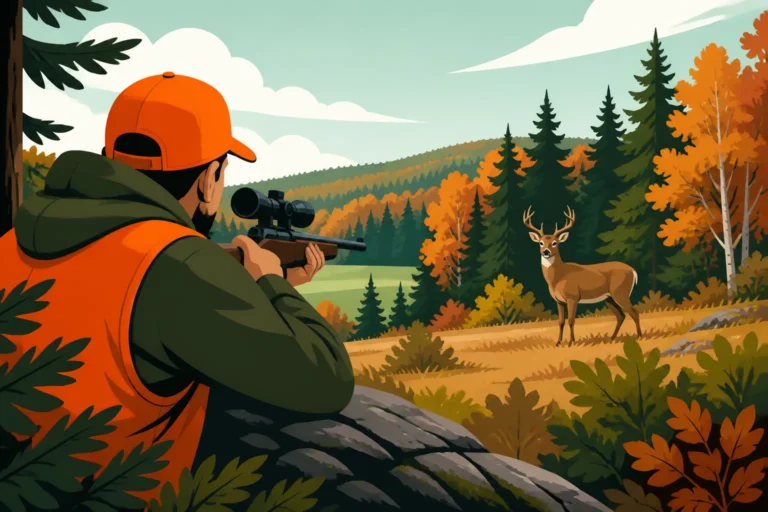
As the snow deepens and temperatures plummet across Maine, finding whitetail deer can feel like searching for a ghost in a blizzard. The easy pickings of acorns and lush green browse from earlier seasons are long gone, leaving hunters scratching their heads about where the deer have vanished to. This comprehensive guide is here to unravel that mystery, focusing on the critical late-season food sources that whitetails absolutely depend on to survive the harsh Maine winter, helping you pinpoint their locations when it matters most.
Understanding Late-Season Deer Metabolism and Nutritional Needs
Once the vibrant hues of autumn fade and the real cold sets in, a whitetail deer's world changes dramatically. Their bodies shift into survival mode, and their dietary needs become highly specialized. It's not just about eating; it's about consuming the right kind of fuel to generate heat and maintain fat reserves against the relentless chill and ever-present threat of starvation.
The Impact of Cold and Snow on Deer
When Maine gets slammed with heavy snow, which is pretty common from late November through December, it’s not just an inconvenience for us hunters. For deer, deep snow directly impacts their mobility and energy expenditure. Imagine trying to walk through waist-deep snow all day long – it's exhausting, right? Deer face this constantly. Every step costs precious calories, and when food is scarce, that's a dangerous equation. They also contend with freezing temperatures, which demand even more energy to maintain core body heat. This combination means they're looking for the most calorie-dense food they can find, often in areas that also offer some thermal cover from the biting wind and snow. Understanding this profound physiological stress helps us predict where they'll be.
Switching to Energy-Dense Foods
Gone are the days of nibbling on tender shoots. In the late season, whitetails prioritize foods that pack a serious caloric punch. Think carbohydrates and fats. Their rumens have to adapt to process tougher, more fibrous material, but they still need that energy boost. This shift means they'll often ignore less nutritious options in favor of something that will stick to their ribs. They're trying to put on or maintain what little fat reserves they have left from the rut, which can be particularly depleting for bucks. If you're out there looking for deer sign, remember they're not just eating anything; they're selectively browsing for survival.
Hardy Browse and Persistent Mast Crops
While the abundant mast crops of early fall might be buried under snow or long consumed, a few resilient options can still provide critical sustenance for Maine whitetails. These aren't always the first things that come to mind, but they're essential for deer trying to make it through the leanest months.
Conifer Needles and Twigs in Deer Yards
In the depths of winter, especially in the North Maine Woods or any area with significant softwood growth, conifer stands become magnets for deer. Cedar swamps and dense spruce and fir thickets aren't just for thermal cover; they offer vital browse. Deer will consume the needles and tender twigs of cedar, hemlock, and fir. While not as nutritionally rich as summer browse, these conifers provide a consistent, accessible food source when deciduous trees are bare. These areas are often referred to as "deer yards," and knowing how to interpret them is crucial for hunters. Finding a good deer yard can be like hitting the jackpot because deer will literally spend weeks or months there, creating intricate networks of trails. When you're out there, look for browse lines – areas where deer have eaten vegetation as high as they can reach, often 5-6 feet off the ground. These signs indicate consistent deer activity. For more insights on these critical areas, read up on "Reading a North Woods Deer Yard".
Persistent Acorns and Apples
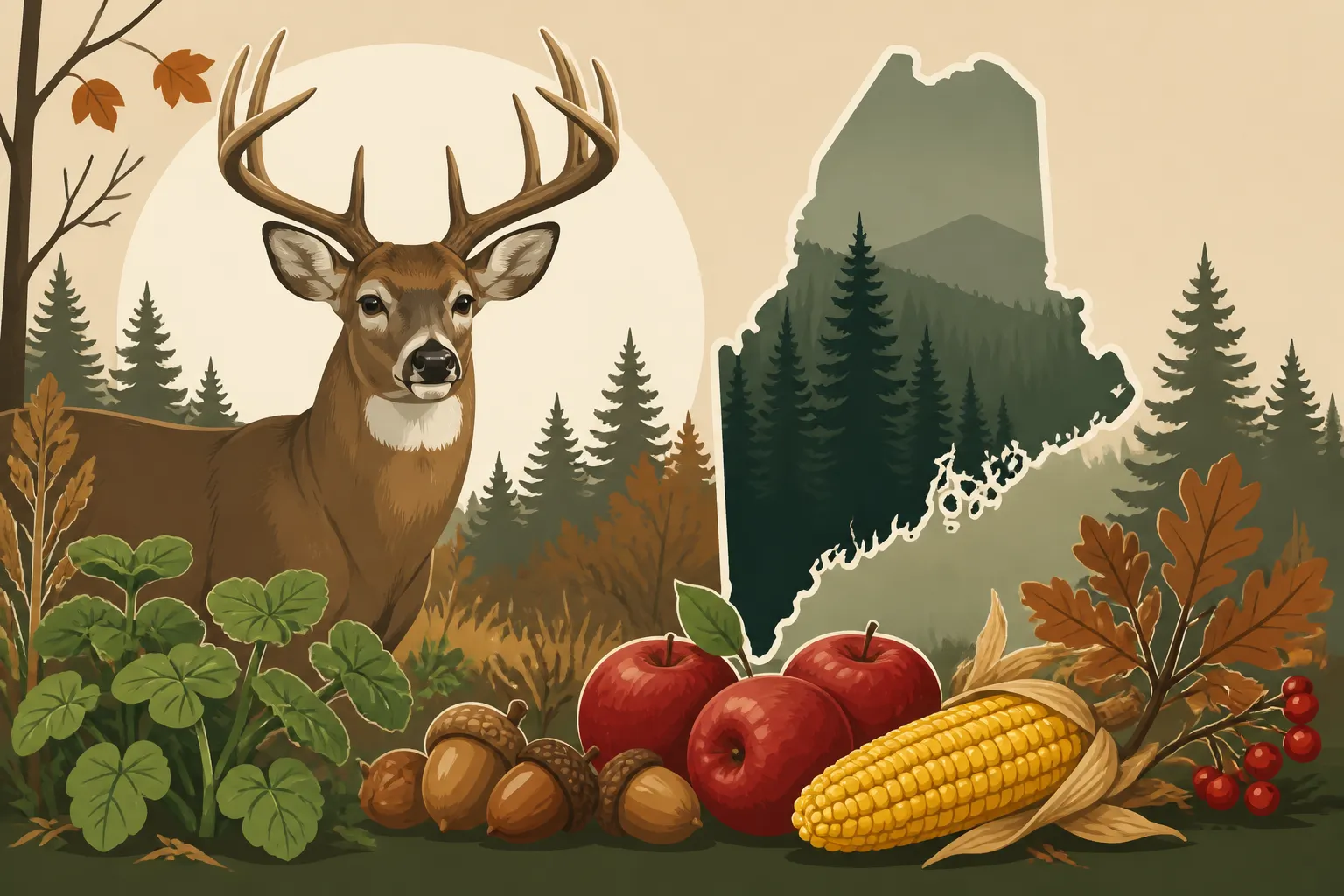
Even after heavy snow, some mast crops can remain accessible. Oak trees, particularly red oaks, sometimes hold their acorns on the ground for longer, especially if they fall into depressions or are covered by a light snow that doesn't fully freeze. Deer will tirelessly paw through snow to find these buried treasures. The fats and carbohydrates in acorns are exactly what a deer needs in the late season. Similarly, abandoned apple orchards, a common sight across rural Maine, are absolute hotbeds of late-season activity. Apples can persist on the branches or under light snow cover well into December, offering a sugary, energy-rich treat. Deer will visit these orchards repeatedly, sometimes at night, to access these valuable fruits. If you can locate an old orchard, especially one on private land where hunting pressure might be lower, you've found a goldmine. Scouting with the GoHunt app or other mapping tools can help you identify these hidden gems, often showing old homesteads or clearings that might indicate an abandoned orchard. You can learn more about finding these productive spots in "Hunting a Standing Apple Orchard".
Winterberry and Other Persistent Shrubs
Beyond the major mast crops, don't overlook the role of various shrubs that retain browse or berries into the late season. Winterberry (Ilex verticillata), with its bright red berries, is a favorite. While not a primary food source, these berries provide a supplemental snack for deer. Other plants like sumac can also be browsed, especially their seed heads, though they offer less nutritional value. These plants are often found in wetland edges, old fields, or along fencerows. Deer will nip at the tender buds and twigs of various woody browse species too, such as maples and aspens, particularly young saplings. While less palatable than summer browse, they are a readily available option when other foods are scarce. Focus on areas where these shrubs are dense and offer some cover.
Agricultural Leftovers and Winter Food Plots
For deer in agricultural areas, the late season brings a different set of opportunities, often centered around human activity. Leftover crops and purposefully planted food plots become invaluable resources.
Leftover Corn and Brassicas
In southern Maine or the vast farmlands of Aroostook County, agricultural fields are critical. Farmers often leave some corn in the fields, either intentionally or due to harvesting inefficiencies. Deer will absolutely hammer these fields, digging through snow to get at the fallen kernels. Corn is a high-energy carbohydrate bomb, perfect for winter survival. Similarly, brassica crops like turnip, kale, or forage radish, if planted as a food plot or cover crop, are incredibly attractive. These plants actually become sweeter after a few hard frosts, making them even more appealing to deer. Their roots and leaves can remain accessible even under snow, providing a consistent food source. Scouting the edges of these fields, especially where they meet thick cover, is paramount. Deer will often stage in the woods nearby, waiting for dusk to move into the fields. For successful hunting in these spots, consider "Entry Routes Through a Cut Cornfield".
Winter Wheat and Alfalfa
Some farmers plant winter wheat as a cover crop, and this can be a huge draw for deer. Even a small patch of green wheat pushing through the snow provides a burst of fresh forage that is highly palatable and digestible. While not as calorie-dense as corn, it offers vital vitamins and minerals. Alfalfa fields, particularly if they haven't been grazed down to nothing, can also hold deer. Alfalfa is a legume rich in protein, which is essential for antler growth (even if bucks have shed by late season, their bodies are still preparing for next year's growth cycle) and overall health. If you can find a standing alfalfa field or a winter wheat plot, you've likely found a consistent late-season feeding area. Pay attention to fields that back up to dense woods or swamps, as deer will use these as bedding areas before venturing out to feed.
Locating Late-Season Hotspots and Deer Yards
Finding late-season deer isn't just about identifying food sources; it's about understanding how deer use the landscape to access those foods while conserving energy and staying safe. This means looking for specific microhabitats.
Identifying Natural Deer Yards
As mentioned earlier, deer yards are crucial. These are typically dense stands of conifers, often cedar swamps or thick spruce-fir forests, that provide shelter from deep snow and harsh winds. Deer will congregate in these areas, forming well-worn trails and creating "beds" in the snow. They move minimally within the yard to conserve energy, only venturing out to feed if necessary and if a good food source is nearby. The key is to find these yards and then identify the primary escape routes and feeding trails leading out of them. A good resource for understanding these critical winter habitats is "Maine Deer Wintering Yards Explained". Look for them on topographic maps in conjunction with aerial imagery, focusing on low-lying, sheltered areas with dense evergreen cover, especially adjacent to a water source like a creek or swamp.
Scouting with Technology and Reading Sign
In today's hunting world, technology is an invaluable asset for late-season scouting. Apps like GoHunt, Gaia GPS, or onX Hunt allow you to layer satellite imagery with topography, property lines, and even historic logging cuts. You can mark potential food sources like old orchards, agricultural fields, or dense conifer stands from your couch. This is particularly helpful when planning a hunt in unfamiliar territory or exploring public land options. When you're physically out in the field, learn to read the snow. Fresh tracks leading to a particular type of browse, pawed-up areas under oak trees, or disturbed snow in a cornfield are all tell-tale signs. Look for concentrated droppings, which indicate consistent feeding. Pay attention to where the deer are entering and exiting these food sources, as those are your ambush points. For deep snow tracking tips, consider "Tracking a Deer in Fresh Maine Snow".
Creek Bottoms and River Corridors
Don't overlook creek bottoms and river corridors, especially those with relatively high banks or dense riparian vegetation. These areas often provide a microclimate that is slightly warmer and more sheltered from the wind. They can also act as natural travel corridors, funnels, and, importantly, host a variety of persistent food sources. Willow thickets, alders, and various sedges that grow along these waterways can offer browse that is more accessible than on exposed uplands. Furthermore, the edges of these waterways often have different soil types that might support different types of trees, including those that hold mast later into the season. Deer will frequently travel along these natural pathways between bedding areas and food. When facing a hard winter, deer often gravitate to such features for both cover and sustenance. Targeting these linear features can be an effective strategy for "Working a Creek Bottom for Late-Season Deer".
Here's a quick look at some key late-season food sources and their benefits:
| Food Source | Primary Nutritional Benefit | Typical Location | Persistence in Winter | Deer Preference |
|---|---|---|---|---|
| Conifer Needles/Twigs | Fiber, some energy | Cedar swamps, dense spruce/fir stands (deer yards) | High (always available) | Moderate |
| Red Oak Acorns | High fat, carbohydrates | Oak ridges, sheltered groves | Moderate (can be buried, but sought out) | High |
| Abandoned Apples | High sugar, carbohydrates | Old orchards, homesteads, field edges | Moderate (can persist on trees/ground under snow) | High |
| Winterberry/Shrubs | Vitamins, minerals, some energy | Wetland edges, fencerows, old fields | High (berries and twigs last) | Moderate |
| Leftover Corn | Very high carbohydrates | Agricultural fields | High (stalks and kernels persist under snow) | Very High |
| Brassicas (Turnips, Kale) | High carbohydrates, protein | Food plots, cover crops | High (sweetens with frost, roots accessible under snow) | High |
| Winter Wheat | Protein, vitamins, minerals | Cover crops, food plots | High (greens up under snow, provides fresh browse) | High |
| Alfalfa | High protein | Established hayfields | Moderate (can be browsed if not fully covered by snow) | Moderate |
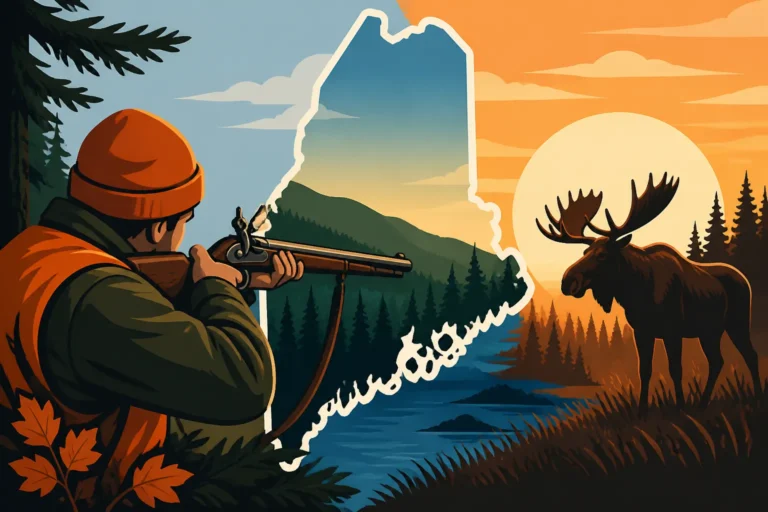
When you're out there during the tail end of the season, perhaps during the extended muzzleloader hunt, remember that every deer is just trying to survive. Focus your efforts on these critical food sources, and you'll dramatically increase your chances of finding that elusive late-season whitetail. It’s a challenging time to hunt, but also one of the most rewarding when you connect with a deer that’s truly earned its keep through the cold Maine winter. Make sure you're prepared for the weather; a "Cold-Weather Sitting Strategy in Maine" will be invaluable.
Disclaimer
Hunting is an inherently dangerous activity. Always prioritize safety, adhere to all Maine hunting laws and regulations, and obtain the necessary licenses and permits. The information provided in this guide is for informational purposes only and should not replace professional guidance or your own thorough research and scouting. Conditions in the field can change rapidly, and personal responsibility is paramount.