Maine Fawn Survival Rates
There's nothing quite like the hopeful anticipation of deer season, but sometimes, a quiet woods or fewer deer sightings can leave you wondering about the health of the herd. A critical piece of that puzzle, and often a source of worry for many of us, is how well our fawns are surviving their first year. Understanding Maine's fawn survival rates helps us gauge the vitality of our white-tailed deer population and what the future might hold for hunting opportunities across the state. This guide will dive deep into the factors influencing these rates, how they're assessed, and what it means for the deer you pursue.
The Critical First Year: Why Fawn Survival Matters So Much
For white-tailed deer, the period immediately following birth and through their first winter is arguably the most perilous of their entire lives. Fawn survival rates are a crucial metric for wildlife biologists and hunters alike because they directly reflect the health and reproductive potential of the overall deer population. If fawns aren't making it past their first few months, the future of the herd is certainly in question. A strong fawn cohort means a robust future deer population, offering consistent hunting opportunities and a healthy ecosystem balance. Conversely, poor fawn survival can signal deeper issues within the deer herd or its habitat, leading to noticeable declines in deer numbers over time. It's a barometer for the future.
Early Weeks: The Most Vulnerable Period
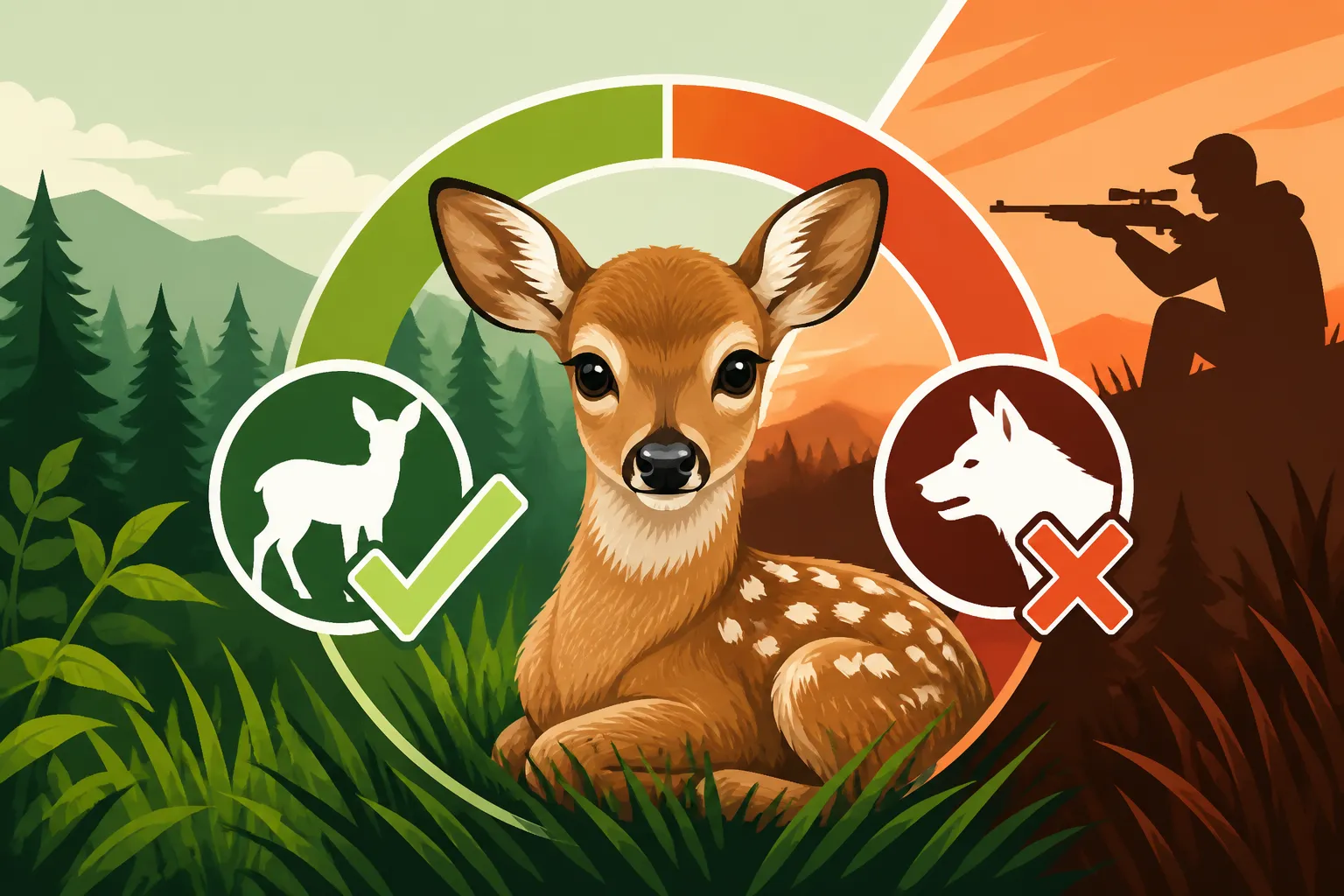
The first few weeks of a fawn's life are incredibly challenging. Born in late May or early June, they are tiny, scentless (to a degree), and rely entirely on their mothers for sustenance and protection. Their primary defense mechanism is to lie still and hidden, camouflaged by their spotted coats, while the doe forages nearby. This period of immobility makes them highly susceptible to predation, particularly from coyotes and black bears, as well as accidental encounters with humans or machinery. A doe's health, which is often a reflection of habitat quality and winter severity, directly impacts the fawn's birth weight and vigor, setting the stage for its initial survival odds.
Navigating the First Winter
Even if a fawn survives the summer and fall, Maine's harsh winters present another formidable challenge. Young deer, lacking the fat reserves and mature physiology of adult deer, are particularly vulnerable to cold temperatures and deep snow. They expend more energy simply staying warm and moving through drifts. Their smaller body size means they lose heat faster, and they're less efficient at foraging for scarce winter food sources. Why Deep Snow Limits Northern Maine Deer is a significant factor in how many fawns make it through to their second spring, especially in the state's northern reaches where conditions are often more extreme. These challenging conditions can deplete their energy reserves, making them susceptible to disease and weakening them to the point of starvation.
Key Factors Influencing Maine's Fawn Survival Rates
Maine's diverse landscape presents a complex array of challenges and opportunities for newborn fawns. Several critical factors converge to determine whether a fawn makes it to its first birthday, and understanding these can offer valuable insights into local deer dynamics. It's never just one thing; rather, it's a delicate balance of environmental pressures and resources.
Predation Pressure from Coyotes and Bears
Without a doubt, predation is one of the most significant factors impacting fawn survival in Maine. Our landscape is home to healthy populations of opportunistic predators, namely eastern coyotes and black bears. Coyotes, in particular, are highly efficient at locating and preying on vulnerable fawns during the critical first weeks after birth. They'll often key in on birthing areas or simply patrol likely fawn hiding spots. A doe's ability to defend her fawn, or the fawn's ability to remain perfectly still and undetected, are their best defenses.
Black bears also contribute to fawn mortality, often opportunistically encountering fawns while foraging for other food sources. The intensity of this predation pressure can vary significantly by region within Maine, often correlating with predator density and the availability of alternative food sources. For instance, areas with higher Coyotes and Predators in Maine populations might experience lower fawn survival if other food is scarce. This balance is constantly shifting, making it a dynamic challenge for deer populations.
Habitat Quality and Cover Availability
High-quality habitat is paramount for fawn survival. This isn't just about food; it's crucially about cover. Fawns need dense, thick vegetation where they can hide effectively from predators. Think of young, regenerating clear-cuts, thick cedar swamps, dense spruce-fir stands, or brushy field edges. These areas provide the camouflage and physical barrier that fawns rely on. A lack of adequate fawning cover forces does to choose less secure locations, exposing their fawns to greater risk.
Beyond hiding cover, the overall health of the habitat influences the doe's nutritional status. A healthy doe produces more robust fawns with a better chance of survival and provides richer milk for longer. Areas with a good mix of forage, water, and dense cover will naturally see higher fawn survival rates. When you're Reading Aerial Photos for North Woods Deer, you might look for these areas of dense regrowth or swamps, knowing they're critical sanctuaries for young deer.
Weather Extremes and Disease
While not as consistently impactful as predation or habitat, severe weather events can certainly take a toll on fawns. Unseasonably cold and wet springs can lead to hypothermia in newborns, especially if they are already weakened. Prolonged periods of heavy rain can make it difficult for does to keep fawns warm and dry, and can also reduce the fawns' activity levels, making them more vulnerable to exposure. Extreme heat waves in summer, particularly if water sources are scarce, can also be detrimental.
Disease, thankfully, is less of a widespread issue for fawns in Maine compared to some other states. Maine proudly maintains its Maine's CWD-Free Status Explained, meaning the devastating Chronic Wasting Disease, which can significantly impact deer populations of all ages, is not a factor here. However, other localized diseases or parasites can sometimes weaken fawns, particularly if they are already stressed by poor nutrition or harsh conditions.
How Maine Biologists Track Fawn Survival Rates
Understanding fawn survival isn't just guesswork; it's a critical component of wildlife management. Maine's wildlife biologists employ a combination of direct and indirect methods to estimate fawn survival, providing the data needed to make informed decisions about deer management and hunting regulations. This science-based approach helps ensure the long-term health of White-Tailed Deer Across Maine.
Doe-Fawn Ratios and Harvest Data
One of the more traditional and widely used methods for assessing fawn recruitment is through observing doe-fawn ratios. During late summer and fall, biologists and attentive hunters can count the number of fawns accompanying adult does. This provides a snapshot of how many fawns have survived the critical early months. These observations are often gathered through roadside surveys, trail camera data, or hunter reports.
Another indirect but valuable source of information comes from harvest data. When hunters register their deer, information on sex and age (adult, yearling, fawn) is collected. Analyzing the proportion of fawns in the total harvest, especially relative to the number of adult does harvested, can give an indication of recruitment. While not a direct measure of survival from birth, it shows how many fawns survived long enough to be present during the hunting season. This data, combined with population estimates like the Maine Deer Population Estimate, paints a broader picture.
Telemetry Studies and Modern Technology
For more precise and detailed insights into fawn survival, wildlife agencies sometimes conduct telemetry studies. This involves capturing newborn fawns, usually within their first few days of life, and fitting them with tiny, lightweight radio collars. These collars allow biologists to track the fawns' movements and, crucially, to determine when and why a fawn dies.
When a collar emits a mortality signal (indicating no movement for an extended period), biologists can locate the fawn and investigate the cause of death, whether it be predation, disease, starvation, or an accident. This provides invaluable data on specific predators, the exact timing of mortality, and the habitat characteristics associated with survival or death. While resource-intensive, these studies offer the most direct and accurate survival rates and insights into Maine Predator Impact on Fawn Recruitment. For hunters interested in understanding their local herd, using mapping tools like GoHunt, which can highlight habitat features critical for fawn cover and deer movement, can be a valuable scouting resource, even if it's not directly tracking fawns.
Typical Fawn Survival Rates in Maine
Pinpointing a single "typical" fawn survival rate for all of Maine is a bit like trying to find one average temperature for the entire state in winter – it varies wildly depending on where you are and what the local conditions have been. However, we can discuss the general ranges and the factors that cause these fluctuations.
Regional Differences Across the State
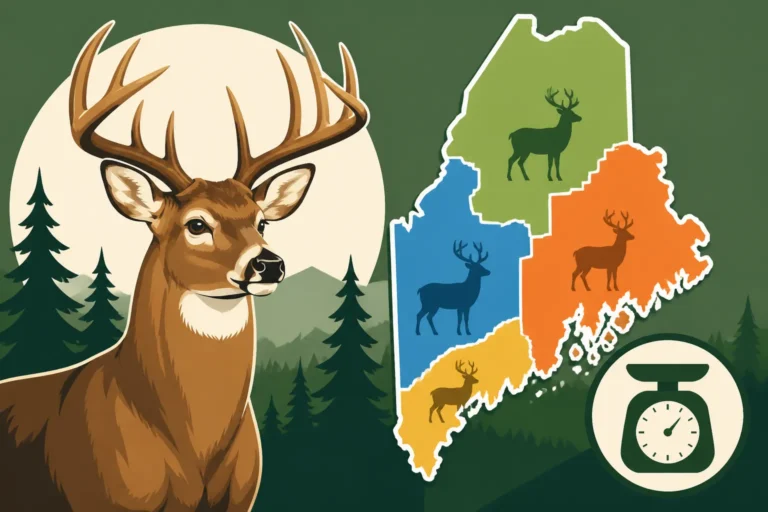
Fawn survival rates in Maine are not uniform. You'll often see significant differences between the heavily forested, predator-rich North Woods and the more developed, agricultural southern and central regions.
- Northern and Western Maine: In these vast, often remote areas, particularly in Aroostook, northern Penobscot, and western Somerset counties, predation pressure can be higher due to larger populations of coyotes and bears. Additionally, severe winters with deep snow, as discussed in Why Deep Snow Limits Northern Maine Deer, can dramatically increase winter mortality for fawns. Here, survival rates might trend lower, sometimes falling below 50% in challenging years. The dense conifer cover, while providing wintering yards, doesn't always offer enough escape cover from persistent predators outside those yards.
- Southern and Central Maine: These regions, with more fragmented forests, agricultural fields, and often milder winters, tend to have higher fawn survival rates. While predators are still present, the mosaic of habitat, often interspersed with human activity, can sometimes dilute predation pressure. Better nutrition from agricultural crops and diverse browse also contributes to healthier does and fawns. Survival rates in these areas can often be in the 60-70% range, or even higher in exceptional years.
What Constitutes a "Good" or "Poor" Year
A "good" year for fawn survival in Maine generally means that a significant majority of fawns (say, 60% or more) born in the spring make it through their first fall and ideally, their first winter. This usually follows a mild winter, a healthy mast crop the previous fall (boosting doe health), and perhaps lower-than-average predator numbers or more abundant alternative food for predators. These years contribute substantially to increasing the overall Maine Deer Herd Size.
Conversely, a "poor" year might see survival rates dip significantly, sometimes into the 40-50% range or even lower in localized areas. This is typically linked to a severe winter (weakening does and fawns), high predator populations, or a combination of environmental stressors that collectively impact the fawns' ability to thrive. These dips in survival can be felt by hunters a few years down the line, as fewer deer recruit into the huntable age classes. Biologists pay very close attention to these annual fluctuations, using tools like GoHunt for data visualization and analysis of habitat changes, to help understand these trends.
Supporting Fawn Survival: What Hunters and Land Managers Can Do
While nature runs its course, there are certainly actions that hunters and land managers can take to help improve fawn survival rates and contribute to a healthier, more robust deer herd in Maine. It's about providing the best possible conditions for these vulnerable young animals to thrive.
Enhancing Fawning Cover and Habitat
The most direct way to boost fawn survival is to create and maintain excellent fawning cover. This means focusing on areas that provide dense, impenetrable vegetation where a fawn can truly hide.
- Allowing Regenerative Growth: On private land, consider allowing certain areas to grow thick with young hardwoods, shrubs, and conifers. Regenerating clear-cuts or areas where timber has been selectively harvested can provide this type of cover within a few years. These dense thickets offer both security from predators and thermal cover.
- Creating Edge Habitat: Edges where different types of cover meet (e.g., a field meeting a dense woodlot) are often utilized by does for fawning. Enhancing these transition zones with brush piles or plantings can provide additional hiding spots. Hunting a Clear-Cut Regrowth Edge is often effective because these areas are prime for fawn rearing.
- Protecting Cedar Swamps: Cedar swamps are invaluable wintering yards, but their dense understory also serves as excellent fawning cover in spring and summer. Protecting and managing these areas is critical for both winter survival and fawn recruitment. Learning to identify and understand Maine Deer Wintering Yards Explained is a key step.
Landowners and hunters can strategically implement habitat improvements. Consulting with local biologists or using resources from platforms like GoHunt that offer detailed satellite imagery and land ownership overlays can help identify ideal locations for creating or improving fawning cover.
Responsible Predator Management
Predator management is a complex and often debated topic, but it undeniably plays a role in fawn survival. In areas where coyote populations are exceptionally high and fawn recruitment is suffering, some hunters engage in ethical and legal coyote hunting efforts. This isn't about eradication, but about managing localized populations to reduce pressure on vulnerable deer.
- Targeted Hunting and Trapping: Legal hunting and trapping of coyotes, especially during the late winter and spring months, can help reduce local predator numbers prior to fawning season. Coyote Calling Maine Farm Country can be an effective method, and the state has very liberal seasons for predator hunting.
- Focus on Problem Areas: If you're consistently seeing poor fawn numbers in a specific area, and predator sign is abundant, a focused effort on predator management in that localized spot might be warranted.
It's important to remember that predators are a natural part of the ecosystem, and completely removing them isn't the goal, nor is it feasible. The aim is to achieve a balance where deer populations can thrive while coexisting with their natural predators. Understanding the overall ecosystem health, and not just focusing on one factor, is key to sustained success for Maine's Deer and Moose Disease Monitoring and other wildlife management goals.
Supporting Research and Sound Management Practices
Finally, one of the most impactful things hunters can do is to support the Maine Department of Inland Fisheries and Wildlife (MDIFW) through license purchases, engaging in surveys, and providing accurate harvest data. The funds generated from hunting licenses directly support the research and management efforts that help biologists understand and improve fawn survival rates. When you register your deer, you're contributing valuable data that helps shape future management decisions. Additionally, staying informed through MDIFW publications and engaging in educational opportunities like Maine Hunter Education Requirements allows you to be a more knowledgeable and responsible steward of Maine's deer resource. Our collective efforts, big and small, contribute to the future of deer hunting in the Pine Tree State.
Disclaimer
This article is for general informational purposes only and does not constitute professional advice. Laws, prices and regulations vary by location and change over time. Consult a qualified professional for guidance on your specific situation.