Maine Buck-to-Doe Ratio by Region
It’s a frustration many Maine deer hunters know all too well: you put in the hours scouting, hang your stand in what looks like prime territory, and then the season opens and all you see are does and fawns. Or maybe you're in an area where you hardly see any deer at all. Understanding the buck-to-doe ratio in different regions of our great state isn't just a numbers game; it's a critical piece of the puzzle that can significantly impact your hunting success and overall experience. This guide will walk you through what these ratios mean, why they vary so much across Maine, and how you can use this knowledge to become a more effective and ethical hunter, no matter where you choose to pursue whitetails.
Understanding the Buck-to-Doe Ratio and Why It Matters
When we talk about hunting, especially for whitetail deer, the term "buck-to-doe ratio" comes up a lot. But what does it truly mean for the hunter navigating Maine's diverse landscapes? It's more than just a statistic; it's a window into the health and dynamics of the deer herd you're pursuing.
What Exactly is a Buck-to-Doe Ratio?
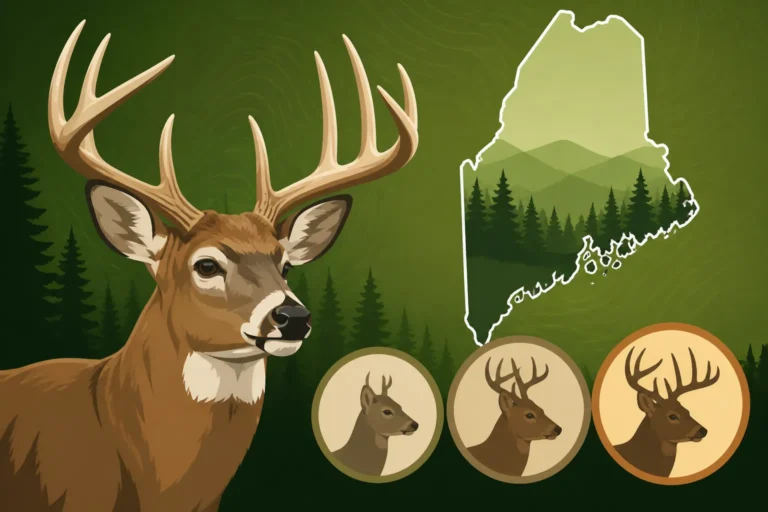
At its core, the buck-to-doe ratio is a measurement of how many antlered bucks there are for every doe within a given deer population. For instance, a 1:3 ratio means there's one buck for every three does. A ratio closer to 1:1 is considered highly balanced, while a ratio of 1:10 or higher (meaning many more does than bucks) indicates an imbalance. This isn't just about deer "dating profiles"; it reflects the age structure, the health, and the reproductive potential of the entire herd. Maine's Department of Inland Fisheries and Wildlife (MDIFW) monitors these numbers closely, often by Wildlife Management District (WMD), to make informed decisions about antlerless permit allocations and overall herd management goals.
Think of it like this: if you're looking at a healthy forest, you'd expect a good mix of young trees, mature trees, and decaying ones, all contributing to the ecosystem. Similarly, a healthy deer herd thrives with a balanced age structure and sex ratio, promoting robust breeding and genetic diversity.
Why This Ratio is Crucial for Maine Hunters
For those of us hitting the woods, knowing the buck-to-doe ratio in our hunting area is like having insider information. It profoundly impacts several key aspects of the hunt:
- Rut Intensity and Activity: A more balanced ratio (closer to 1:1 or 1:2) means bucks don't have to travel as far or search as hard to find receptive does. This often translates to a more visible, intense rut, with more chasing, sparring, and general buck movement during daylight hours. You're more likely to see mature bucks actively seeking does, responding to calls, and checking scrape lines. Conversely, in areas with a heavily skewed ratio (say, 1:5 or 1:10), bucks spend less time chasing and more time breeding, as there are plenty of does to go around. This can make them harder to pattern and predict. Hunting the Rut in Early November becomes a much different game depending on these numbers.
- Antler Quality and Mature Buck Potential: When the buck-to-doe ratio is more balanced, it generally means fewer does are getting bred by young, immature bucks. This allows a greater percentage of male fawns to grow into older age classes, where they can develop larger bodies and more impressive antlers. If young bucks are doing all the breeding because older bucks are scarce, the genetic potential for impressive racks isn't fully realized. A balanced herd equals healthier, older bucks, which is often what many hunters are hoping to encounter.
- Population Health and Sustainability: From a conservation perspective, a healthy ratio ensures a sustainable population. Too many does without enough bucks can lead to overpopulation in some areas, potentially stressing the habitat and increasing the spread of disease. Too few does, of course, limits reproduction. Knowing your local WMD's ratio can give you a deeper appreciation for the management efforts in place and help you align your personal harvest goals with the broader health of the herd. This is especially relevant when considering Maine's CWD-Free Status Explained and the ongoing monitoring efforts.
Regional Differences in Maine's Buck-to-Doe Ratios
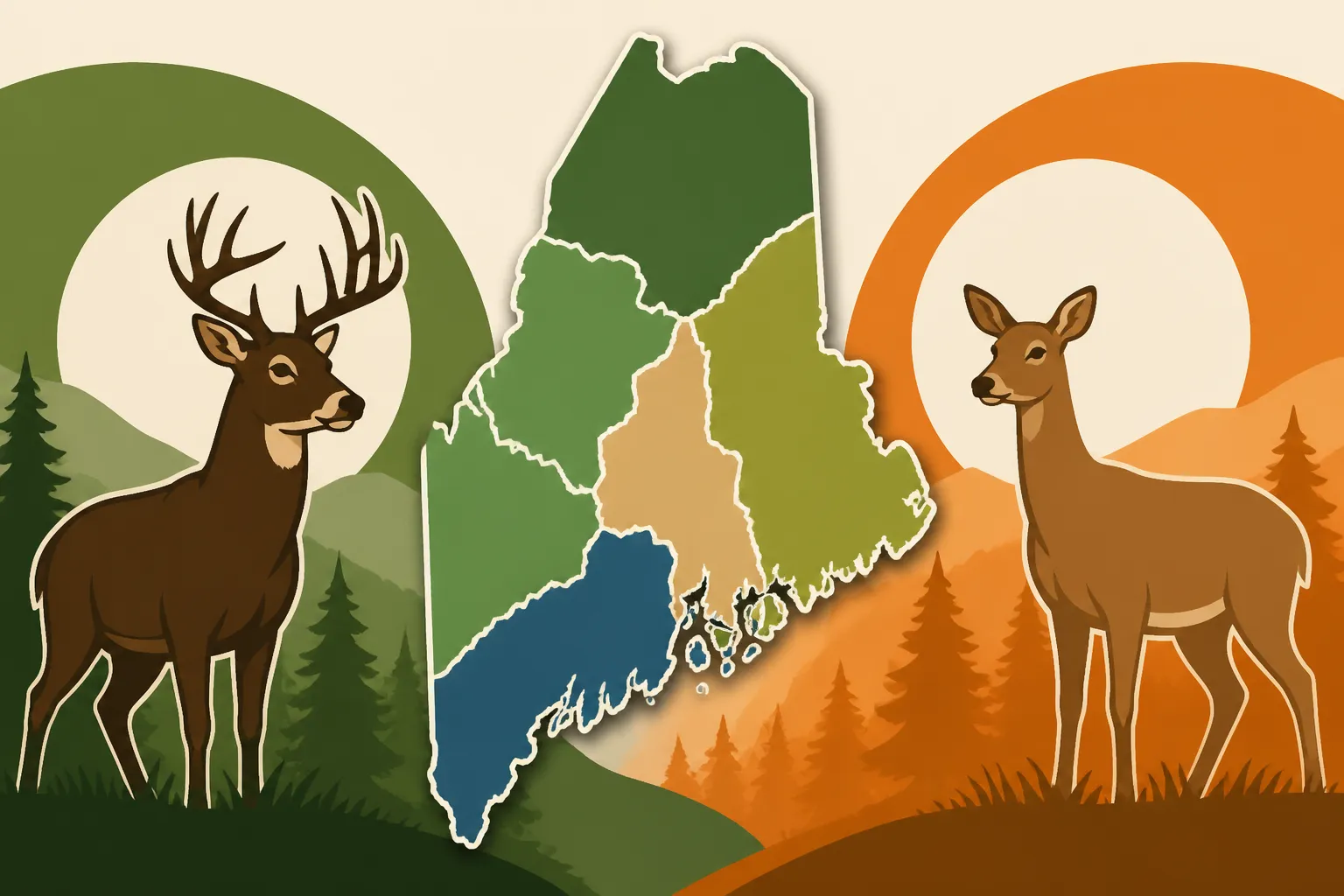
Maine is a vast state, and its deer populations are far from uniform. The deep, wild North Woods operates under entirely different ecological pressures than the suburban fringes of southern Maine, and these differences are starkly reflected in the buck-to-doe ratios we find.
The Northern Woods: High Doe Densities, Lower Buck Ratios
Head up into the vast expanse of Aroostook, Piscataquis, or northern Penobscot counties, and you're entering a different world for whitetails. This is the realm of the big woods, where dense conifer forests dominate, interspersed with logging cuts and remote ponds. Here, you'll generally encounter buck-to-doe ratios that are more skewed, often in the range of 1:4 to 1:8 or even higher in some pockets.
Why the higher doe densities relative to bucks? A few critical factors are at play. First, the winters here can be incredibly harsh and prolonged. Why Deep Snow Limits Northern Maine Deer is a perennial challenge. Deep snow makes it incredibly difficult for deer to move, find food, and escape predators. Bucks, especially those that are worn down from the rut, are often hit harder by severe winters than does, which tend to yard up in dense cover to conserve energy. Secondly, predation from coyotes and bears can be significant, especially on fawns, and this pressure can sometimes disproportionately affect male fawns or simply keep overall buck numbers lower in relation to the more resilient doe population. Finally, while logging creates some browse, the overall nutritional quality of the forage in vast timberlands often isn't as high as in agricultural areas, which can affect antler growth and overall health. When you're Reading a North Woods Deer Yard, you'll often see mostly doe and fawn sign.
Hunters in these areas might see many does, but mature bucks can be elusive giants, often solitary and reclusive. It takes a lot of effort and understanding of the terrain to consistently find them.
Central and Western Maine: Balanced Opportunities
As you move south and west, into areas like central Penobscot, Somerset, Franklin, and Oxford counties, you start to see a more balanced picture. Here, the landscape is a patchwork of mixed hardwoods, smaller timber tracts, agricultural fields, and more diverse habitat types. This often results in buck-to-doe ratios that are healthier, perhaps in the 1:3 to 1:5 range, offering more consistent opportunities for encountering mature bucks.
These regions often benefit from a combination of factors. Winters can still be tough, but generally less extreme than in the far north. There's often a better mix of natural browse and agricultural food sources, providing deer with higher quality nutrition. This improved diet can lead to better fawn survival and stronger antler growth. Hunting pressure is still present, but often distributed across a wider variety of land types, including more accessible private land and well-managed public parcels. You might find yourself Still-Hunting Western Maine Mountain Slopes or working diverse coverts, and the slightly better ratios mean your chances of encountering a buck are often improved compared to the deep woods. It's a sweet spot for many hunters looking for a good challenge with rewarding prospects.
Southern and Coastal Maine: Lower Doe Densities, Better Buck Ratios
In the most southerly and coastal regions of Maine, including Cumberland, York, Kennebec, and parts of Knox and Waldo counties, the buck-to-doe ratios tend to be the most favorable for buck hunters, often approaching 1:2 or even 1:1 in some specific, well-managed areas. While overall deer density might not be as high as in some central regions due to fragmented habitat and human development, the quality of the bucks can be exceptional.
The primary reasons for these healthier ratios are often a combination of milder winters, abundant, high-quality food sources (think suburban gardens, apple orchards, and small farm fields), and often, different hunting pressure dynamics. With less severe winters, fawn survival rates are typically higher, and deer expend less energy merely surviving, allowing for better antler development. Hunting in these more populated areas often means dealing with smaller, more fragmented land parcels and potentially more restricted hunting access, which can inadvertently reduce pressure on bucks, allowing them to age. Where Hunting Small Woodlots Near Portland is common, quality over quantity can be the mantra. Additionally, specific WMDs in these regions may have very conservative antlerless permit allocations, further allowing buck populations to mature. The challenge here isn't necessarily finding a buck, but finding access to land where mature bucks thrive.
Factors Influencing Maine's Buck-to-Doe Ratios
The buck-to-doe ratio in any given region isn't a static number; it's a dynamic indicator influenced by a complex interplay of environmental factors and human activity. Understanding these driving forces helps paint a clearer picture of why your hunting grounds might be different from another part of the state.
Habitat and Food Availability
The type and quality of habitat directly impact a deer herd's ability to thrive, which in turn sways the buck-to-doe ratio. In areas with abundant, high-quality forage – like agricultural landscapes or recently timbered areas that promote dense regrowth – deer generally have better nutrition. Better nutrition translates to healthier does that can successfully raise more fawns, and those fawns have a higher survival rate into adulthood. It also means bucks can put more energy into antler growth rather than simply maintaining body condition.
Think about the difference between the vast, mature spruce and fir forests of the North Maine Woods versus the mixed woodlands and sprawling potato fields of Aroostook County or the rich oak and apple groves in southern Maine. In the deep woods, food can be scarce, especially in late winter, and deer might have to travel significant distances just to find enough browse. This stress impacts all deer but can be particularly hard on bucks recovering from the rut. Contrast that with a region where a diverse mix of agricultural crops, natural mast (like acorns after a good year), and diverse forest stages provides a year-round buffet. Deer in these areas tend to be healthier, fawns survive at higher rates, and bucks reach older age classes more frequently, leading to a more balanced ratio. Understanding Hunting After a Poor Acorn Year can tell you a lot about how deer are forced to move and find nutrition, which impacts their overall health and subsequent breeding success.
Hunting Pressure and Antlerless Permits
Human intervention, specifically through hunting regulations and harvest pressure, is one of the most significant factors influencing buck-to-doe ratios. In many regions, the MDIFW issues antlerless permits (often called "any-deer" permits) to manage deer populations and ensure the herd remains within the carrying capacity of the land.
- Antlerless Permit Allocation: When a WMD has a high doe population and a skewed buck-to-doe ratio, the MDIFW might issue more antlerless permits to reduce the number of does. This helps balance the herd, reduces competition for food, and allows bucks a better chance to survive and mature. Conversely, in areas where doe populations are stable or declining, fewer or no antlerless permits are issued. Applying for a Maine Antlerless Permit Draw Odds by District can give you an idea of where the state needs more doe harvest, which usually aligns with areas of high doe densities.
- Buck-Only Regulations: Many hunters, especially those focused on trophy potential, preferentially harvest bucks. While Maine has an "any-deer" permit system, most hunters without such a permit are limited to harvesting antlered bucks. This consistent pressure on bucks, especially younger ones, can sometimes contribute to a skewed ratio if not carefully managed. However, a well-regulated system aims to maintain a healthy balance, ensuring that enough bucks survive to breed and mature. The Maine Buck Bag Limit of one antlered deer per hunter per season also plays a role in distributing pressure.
Winter Severity and Predation
Maine winters are no joke, and they play a massive role in deer survival, particularly for fawns and bucks recovering from the rut.
- Winter Mortality: Severe winters with deep, prolonged snow cover and extreme cold can decimate deer populations. Fawn mortality skyrockets as they struggle to find food and expend massive amounts of energy just to move through deep snow. Bucks, often run ragged from the breeding season, enter winter with depleted fat reserves, making them vulnerable. A series of harsh winters can significantly reduce overall deer numbers and throw buck-to-doe ratios out of whack. This is particularly true in the northern reaches of the state.
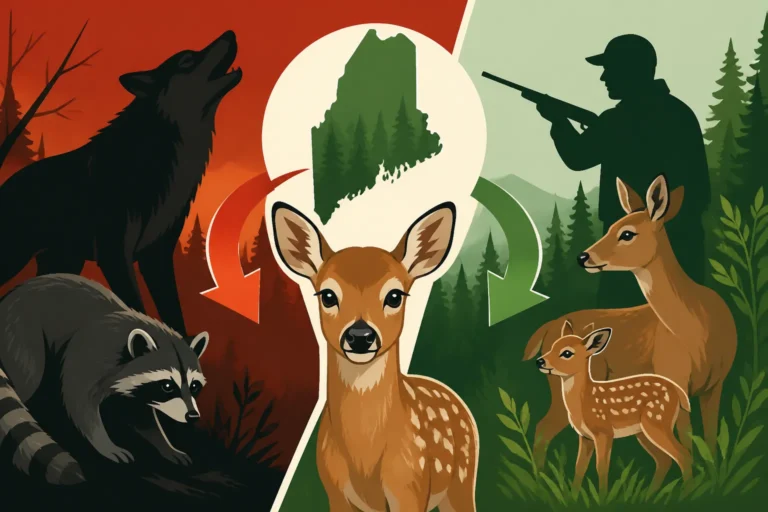
- Predator Impact: Maine is home to healthy populations of predators, primarily coyotes and black bears. These predators often target fawns and weakened adult deer. While a natural part of the ecosystem, intense predation pressure, especially in combination with severe winters, can suppress fawn recruitment and preferentially impact certain age or sex classes of deer. For instance, Maine's Eastern Coyote Origins has led to a widespread population that can be a significant factor in fawn survival. MDIFW constantly monitors deer populations and predator impacts to understand how these dynamics influence herd health and overall buck-to-doe ratios across the state. In areas with higher predator densities, the natural mortality can skew the ratio towards does if bucks are more heavily targeted or impacted by secondary factors like winter stress.
How Hunters Can Leverage Buck-to-Doe Ratio Data
Knowing about buck-to-doe ratios isn't just academic; it's practical information you can put to good use in the woods. By understanding these dynamics, you can make more informed decisions about where and how you hunt in Maine.
Scouting and Strategy by Region
Your scouting efforts should absolutely be tailored to the buck-to-doe ratio typical for your chosen region.
- High Doe-to-Buck Ratio Areas (e.g., North Woods): In areas where does significantly outnumber bucks, your strategy might shift. You might focus less on seeking out active rutting sign (like fresh rubs and scrapes everywhere) and more on primary food sources and dense cover. Bucks here can be more solitary and harder to pattern. You'll want to glass clear-cuts, focus on transitional zones between dense bedding and feeding areas, and meticulously track deer movements, perhaps using mapping applications like GoHunt to identify potential travel corridors or hidden pockets of browse. Your goal is to find the few dominant bucks rather than expect widespread rut activity. Consider Still-Hunting Aroostook County Farmland edges or focusing on larger, unbroken tracts of timber.
- Balanced Ratio Areas (e.g., Central/Western Maine): Here, you can expect a more active rut, so your scouting might lean towards finding heavily used scrape lines, rub lines, and buck bedding areas during the pre-rut. Setting up on funnels and pinch points that connect bedding and feeding, or along traditional rutting corridors, can be highly effective. The increased buck activity means rattling and grunting calls have a better chance of drawing in a curious buck. Rattling and Grunting Maine Bucks can be very effective in these zones.
- Lower Doe-to-Buck Ratio Areas (e.g., Southern Maine): In regions where the ratio is tighter, indicating more mature bucks, your focus might be on securing access to quality private land, where hunting pressure can be lower, and deer have ample food. Scouting for older buck sign (larger rubs, well-used scrapes, bigger tracks) becomes paramount. Utilizing trail cameras in strategic locations, often identified with detailed mapping like GoHunt, can help you inventory the bucks in a small, dense parcel. These areas can produce exceptional deer, but they demand careful, low-impact scouting to avoid educating older animals.
Managing Expectations for Antler Quality and Rut Intensity
Understanding the ratio helps you set realistic expectations for your hunt, which can save you from frustration and allow you to appreciate the opportunities available.
- Antler Quality: While you can certainly find big bucks anywhere in Maine, regions with more balanced buck-to-doe ratios generally produce a higher percentage of mature bucks with impressive antlers. This is simply because more bucks survive to older age classes where they can reach their full genetic potential. If you're primarily focused on harvesting a Boone and Crockett-class animal, understanding these regional trends is crucial for deciding where to concentrate your efforts and where to apply for permits. Best Maine WMDs for Big Bucks often correlate with areas of healthier buck-to-doe ratios.
- Rut Intensity: Expect the most visible and intense rut activity in areas with a more balanced ratio. You'll likely see more chasing, hear more grunting, and observe bucks actively scent-checking and working scrapes. In areas with highly skewed ratios, while the rut still occurs, the visible activity can be less dramatic because bucks don't have to work as hard to find does. This doesn't mean there are no bucks, just that they might be less responsive to traditional rut-focused tactics. Adjust your calling strategy accordingly; sometimes a softer, more subtle approach is best in areas where bucks aren't as competitive.
Applying for Antlerless Permits Strategically
The buck-to-doe ratio data, often presented by the MDIFW for individual WMDs, should heavily influence your strategy for applying for antlerless permits.
- Contribute to Herd Health: If you hunt in a WMD with a high doe-to-buck ratio and the MDIFW is offering a significant number of antlerless permits, consider applying for one. Harvesting a doe in these areas isn't just about filling your freezer; it's a valuable contribution to balancing the herd, reducing pressure on food sources, and ultimately promoting healthier buck populations for future seasons. It aligns with ethical hunting and responsible wildlife management. You can often see the Maine Antlerless Permit Draw Odds by District to gauge where the need is greatest.
- Focus on Bucks in Balanced Areas: Conversely, if you primarily hunt in a WMD with an already healthy, balanced ratio, and antlerless permits are limited, you might choose to focus your efforts primarily on buck hunting, confident that the herd is in good shape. This doesn't mean you shouldn't harvest a doe if you draw a permit, but it helps inform your overall strategy for the season.
Understanding the buck-to-doe ratio empowers you with knowledge, allowing you to adapt your approach to Maine's diverse hunting landscapes. It's about being a more effective hunter and a more responsible steward of our incredible whitetail resource.
| Region Type | Typical Buck-to-Doe Ratio | Winter Severity | Primary Habitat Type | Hunting Pressure Dynamics | General Hunter Takeaway |
|---|---|---|---|---|---|
| Northern Woods | 1:4 to 1:8+ | Severe | Dense conifers, logging cuts | Often lower hunter density, but intense local pressure | Focus on primary food, thick cover, and wintering yards. Bucks are solitary, less visible. |
| Central/Western Maine | 1:3 to 1:5 | Moderate | Mixed hardwoods, agriculture | Moderate, often more distributed | Good rut activity. Focus on funnels, scrapes. Balance of challenge and opportunity. |
| Southern/Coastal Maine | 1:1 to 1:2 | Mild | Fragmented woods, suburban, agriculture | High, but often restricted by private land access and small parcels | Quality bucks, but access is key. Focus on smaller tracts, patterns, and low-impact scouting. |
Disclaimer
This article is for general informational purposes only and does not constitute professional advice. Laws, prices and regulations vary by location and change over time. Consult a qualified professional for guidance on your specific situation.