Hunting a Beaver Flowage on Public Land
Hunting productive public land in Maine can sometimes feel like searching for a needle in a haystack, especially when you're trying to escape the crowds. Many hunters overlook specific, rich micro-habitats, but some of the best-kept secrets often lie in plain sight, like beaver flowages. This guide will walk you through why these unique wetland areas are magnets for game, how to pinpoint them on public lands, and the best strategies to make your hunt a success.
Why Beaver Flowages Are Hunting Hotspots
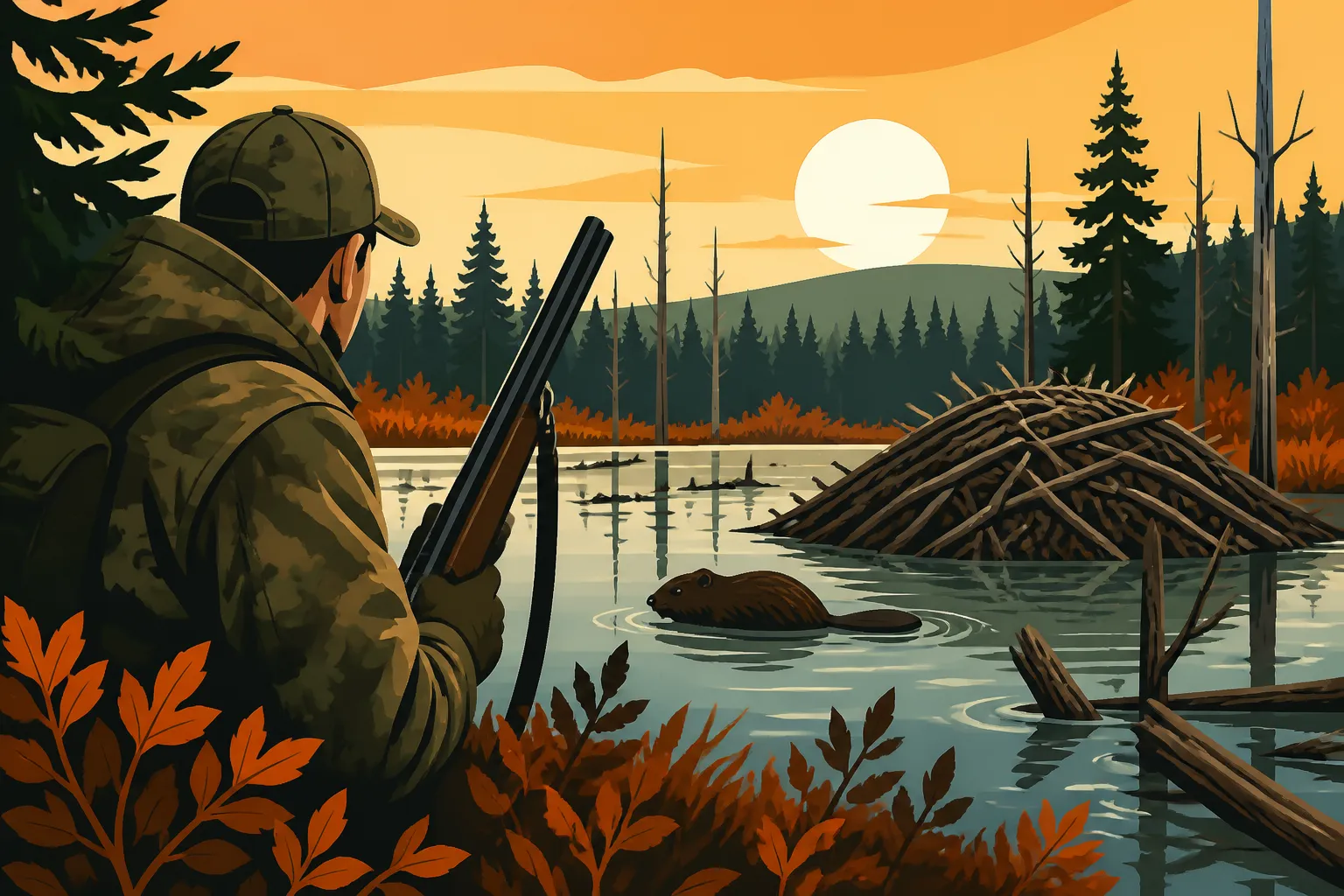
Beaver flowages, those beautiful, often marshy areas created by beavers damming streams, are far more than just pretty scenery. They are vibrant ecological hubs, transforming otherwise uniform forest into incredibly diverse and productive wildlife habitat. For a hunter, understanding why these spots are so good is the first step to unlocking their potential.
Ecological Magnets for Wildlife
Think of a beaver flowage as a natural landscaper's masterpiece. When beavers dam a stream, they flood acres of timber, killing some trees and creating standing deadwood. This influx of water and dead timber creates a dynamic environment. The standing water provides new habitat for aquatic insects, amphibians, and waterfowl. The dying and dead trees attract wood-boring insects, which in turn feed woodpeckers and other birds. More importantly for larger game, the edges of the flowage, where the water meets the uplands, burst with new, tender growth. This early successional vegetation, often rich in browse, is like a grocery store for deer and moose. The soft, marshy bottom also offers a ready supply of tubers and other forage for bears digging for roots or hibernating in nearby dens.
Water as a Primary Resource
Every living creature needs water, and a beaver flowage offers it in abundance. In drier periods, especially during late summer and early fall when many natural springs and small brooks might be reduced to trickles, these flowages remain a consistent, open water source. Deer, moose, and bear will routinely visit these areas to drink. This makes the trails leading into and out of a flowage prime locations for ambushing animals as they move to satisfy their thirst. Furthermore, the constant presence of water ensures a humid microclimate, which can be particularly attractive to wildlife on hot days, providing a cooler, more comfortable spot for bedding or feeding.
Edge Habitat Dynamics
The "edge effect" is a well-known ecological principle, and beaver flowages are quintessential examples. An edge is where two distinct habitats meet, and these zones typically host a greater diversity and abundance of wildlife than either habitat alone. A beaver flowage creates a massive amount of edge: where the open water meets the marsh grasses, where the marsh meets the shrubby regrowth, and where the shrubby regrowth transitions into mature timber. These varied edges offer food, cover, and travel corridors all in one compact area. Deer might bed in the mature woods nearby, move to the shrubby edge to browse, and then dip into the marsh for a drink. Grouse and woodcock thrive in the thick, young alders and willows that often colonize these moist edges. Recognizing these dynamic transitions is key to anticipating where game will be.
Locating and Scouting Public Land Flowages
You know why beaver flowages are great, but how do you actually find them on public land that might stretch for thousands of acres? It’s a combination of modern technology and good old-fashioned legwork.
Digital Reconnaissance with Mapping Apps
Before you ever step foot in the woods, your best friend is a high-quality mapping app. Tools like onX Hunt or GoHunt are absolute game-changers for identifying potential hotspots. Start by looking at satellite imagery. Beaver flowages often appear as distinct, irregular-shaped bodies of water, usually with signs of past or present beaver activity like dead trees standing in the water or a prominent dam structure. Zoom in and look for the tell-tale signs:
- Irregular Water Bodies: Unlike natural ponds or lakes, flowages often have a more meandering, "fingery" shape, following the original stream bed.
- Dead Timber: Gray, skeletal trees standing in or around the water are a dead giveaway.
- Dams: While sometimes subtle, you can often spot the distinct line of a beaver dam across a stream on detailed satellite views.
- Contour Lines: On topographic maps, flowages will appear as areas where contour lines spread out widely, indicating flat, low-lying ground, usually with a stream running through it.
Use the public land overlay on onX Hunt to ensure the flowage you're eyeing is actually accessible and legal to hunt. You can also use different layers to see timber cuts or old logging roads that might provide easier access or funnel deer. For deeper dives, Reading Aerial Photos for North Woods Deer can offer more insights into interpreting these digital landscapes.
Boots-on-the-Ground Verification
Digital scouting is a powerful start, but there's no substitute for getting your boots dirty. Once you've identified a promising flowage on your map, plan a scouting trip, ideally before the season opens.
- Access Routes: How will you get in and out? Are there old logging roads, game trails, or will you be bushwhacking? Look for hidden paths or natural funnels that animals use.
- Sign, Sign, Everywhere Sign: Look for fresh tracks in the mud, scat, rub lines, and especially browse lines on shrubs and saplings, indicating deer or moose feeding. Along the edge of the water, you might even find actual beaver chew marks or fresh mud on a dam.
- Wind and Thermals: Pay attention to how the wind moves through the area. Flowages are often in low-lying areas, which can create tricky thermal drafts, especially in the mornings and evenings.
- Potential Stand Sites: Identify trees that offer good cover and shooting lanes. Consider both morning and evening setups, taking prevailing winds into account. Where deer trails enter the flowage or cross the dam are prime locations. Scouting Maine Private Land Before Season offers general scouting tips that apply well to public land.
Reading the Landscape and Water Levels
Beaver activity means constantly changing water levels. A fresh dam can flood new ground quickly, while an old, breached dam can revert an area to a swampy meadow. Pay attention to these changes.
- Recent Flooding: Look for areas where trees are newly inundated, creating fresh browse and new travel patterns for deer seeking higher ground or new food.
- Dried-Up Sections: If a flowage has partially drained, exposed mud flats can reveal heavy track activity, showing how animals are navigating the area. These firm patches might also offer crucial dry ground for a setup.
- Identifying Funnels: The irregular shape of a flowage often creates natural funnels where land narrows or where higher ground pushes deer movement into predictable patterns. Look for these bottlenecks on your map and verify them on the ground. A good flowage might be located near a Hunting a Ridge-Top Saddle for Rutting Bucks, providing both water and high ground travel.
Hunting Strategies for Different Species
Beaver flowages are multi-species magnets, offering opportunities for deer, moose, bear, and even waterfowl and upland birds. Tailoring your approach to the specific game you're after is crucial.
Whitetail Deer Tactics
For deer, flowages are a hub of activity. They offer water, diverse food sources, and excellent cover in the form of thick alders and regenerating clearings nearby.
- Stand Placement: Position yourself downwind of heavily used trails entering or paralleling the flowage. Look for pinch points created by water on one side and thick cover on the other. A stand overlooking a beaver dam itself can be deadly, as deer frequently cross these structures. You might consider Hanging a Stand on a Private Land Field Edge which shares principles applicable to any open edge.
- Entry and Exit: Your approach and departure must be silent and undetected. Use the flowage itself to your advantage – if you can access it via a canoe or kayak, you might be able to get in quietly from the water, reducing your scent signature on land. Otherwise, pick a path that minimizes disturbance.
- Rutting Activity: During the rut, bucks will cruise the edges of flowages, checking for does that frequent these areas. Setting up on a travel corridor along the edge or rattling from a hidden vantage point can be effective. Rattling and Grunting Maine Bucks can be particularly effective in these edge habitats where sound carries well over water.
Moose and Bear Encounters
While deer are a primary target, flowages also draw bigger game.
- Moose: Moose absolutely love the succulent browse found along flowage edges, especially young regenerating hardwood. They'll wade into the shallow water to feed on aquatic vegetation. During the moose season, calling from a position overlooking a large flowage can bring a bull out of the timber. Look for fresh tracks and huge droppings. Calling a Bull Moose in Late September is a tactic often employed near these water sources.
- Bear: Bears are opportunistic eaters and will visit flowages for early season berries, roots, or even carrion. They'll also use the dense cover around the edges for bedding. Look for torn-up logs or overturned rocks where they’ve been digging for grubs. While Baiting Black Bears Legally in Maine is a common bear hunting method, you can also encounter bears by still-hunting or sitting near natural food sources around flowages.
Waterfowl and Upland Bird Opportunities
Don't forget the feathered residents! Beaver flowages are prime real estate for various bird species.
- Waterfowl: If the flowage is large enough and relatively open, it can be a fantastic spot for wood ducks, mallards, and other dabbling ducks. Set out a few decoys and hide in the thick vegetation along the shore. Early season, when ducks are still local, can be particularly productive. Look for signs of ducks feeding, like dabbled water or droppings on logs. You might even find some Decoying Eiders on a Falling Tide if the flowage is close enough to coastal tidal influence, though that's less common.
- Upland Birds: Ruffed grouse and American woodcock absolutely thrive in the dense, brushy cover found along the edges of beaver flowages. The moist soil is perfect for woodcock probing, and the young alders provide excellent forage and cover for grouse. Hunting these birds with a pointing dog in the thick stuff around the flowage can be incredibly rewarding. Grouse Hunting Maine Alder Runs and Woodcock Hunting Maine Covert Country are classic methods that shine in flowage environments.
Essential Gear and Safety Considerations
Hunting beaver flowages means dealing with wet, potentially difficult terrain. Being prepared with the right gear and knowledge of safety protocols is paramount.
Wading and Navigation
You're going to get wet. Expect it, and plan for it.
- Waders or Waterproof Boots: Hip waders or chest waders are often indispensable, allowing you to cross shallow sections, retrieve game, or set up in spots inaccessible by dry land. If not waders, at least knee-high waterproof boots are a must.
- Navigation Tools: Your onX Hunt app is great, but always carry a compass and a physical map as a backup. Batteries die, and signals can drop. Scouting With the Maine Hunting App is a strong recommendation, but redundancy is key in remote areas.
- Walking Stick/Trekking Poles: These are invaluable for probing water depth, maintaining balance on slippery logs, and navigating muddy bottoms.
- Headlamp: Even if you plan to be out before dark, a reliable headlamp with fresh batteries is critical for any unexpected delays or tracking. Blood Trailing After Dark in Maine can be a slow, difficult task, and a good light is essential.
Cold Weather Preparedness
Maine weather can turn on a dime, especially near water. Hypothermia is a real threat if you get wet and the temperature drops.
- Layered Clothing: Dress in synthetic or wool layers that wick moisture away from your skin. Avoid cotton.
- Waterproof Outerwear: A good quality waterproof and windproof jacket and pants are essential.
- Extra Clothing: Pack a dry set of socks, gloves, and a hat in a waterproof bag, even for a day hunt. If you take an unexpected plunge, having dry clothes can be a lifesaver.
- Fire Starter: Carry waterproof matches or a lighter, along with some tinder, in case you need to build a warming fire in an emergency. Cold-Weather Sitting Strategy in Maine often involves careful layering and knowing how to stay warm even when wet.
Ethical Considerations and Respect
Hunting on public land comes with a responsibility to respect the environment and other users.
- Leave No Trace: Pack out everything you pack in, and then some. Leave the area cleaner than you found it.
- Game Retrieval: Beaver flowages can be tough terrain for retrieving game. Plan your shot carefully and be prepared for a challenging haul. Knowing how to Recovering a Deer From a Cedar Swamp offers transferable skills for extracting game from wet, thick cover.
- Respect Other Hunters: Public land means shared access. Be aware of other hunters and give them space. Communicate if you encounter someone else to ensure safety.
Beaver flowages are incredible hunting grounds, rich with diverse wildlife. By understanding their ecological significance, using modern tools for scouting, applying species-specific tactics, and prioritizing safety, you can unlock some of Maine's most rewarding public land hunting experiences.
Here's a quick reference table for some common game and their appeal to beaver flowages:
| Game Species | Primary Attractants in Flowages | General Hunting Tip |
|---|---|---|
| Whitetail Deer | Water, young browse, edge cover, travel routes | Set up downwind on pinch points or dam crossings. |
| Moose | Aquatic vegetation, young hardwood browse, water | Call from vantage points overlooking large sections, look for tracks. |
| Black Bear | Roots, berries, thick cover, water | Still-hunt thick edges, look for fresh digging sign. |
| Ruffed Grouse | Dense alder and willow thickets, insects | Walk edges slowly, listen for drumming, use a dog if available. |
| American Woodcock | Soft, moist soil for probing, thick cover | Focus on wet, brushy edges at dawn/dusk, look for splash marks. |
| Waterfowl | Open water, aquatic plants, insect life | Set decoys in open pockets, hide well in shoreline cover. |
Disclaimer
This article is for general informational purposes only and does not constitute professional advice. Laws, prices and regulations vary by location and change over time. Consult a qualified professional for guidance on your specific situation.