Hunting a Mountain Notch in Western Maine
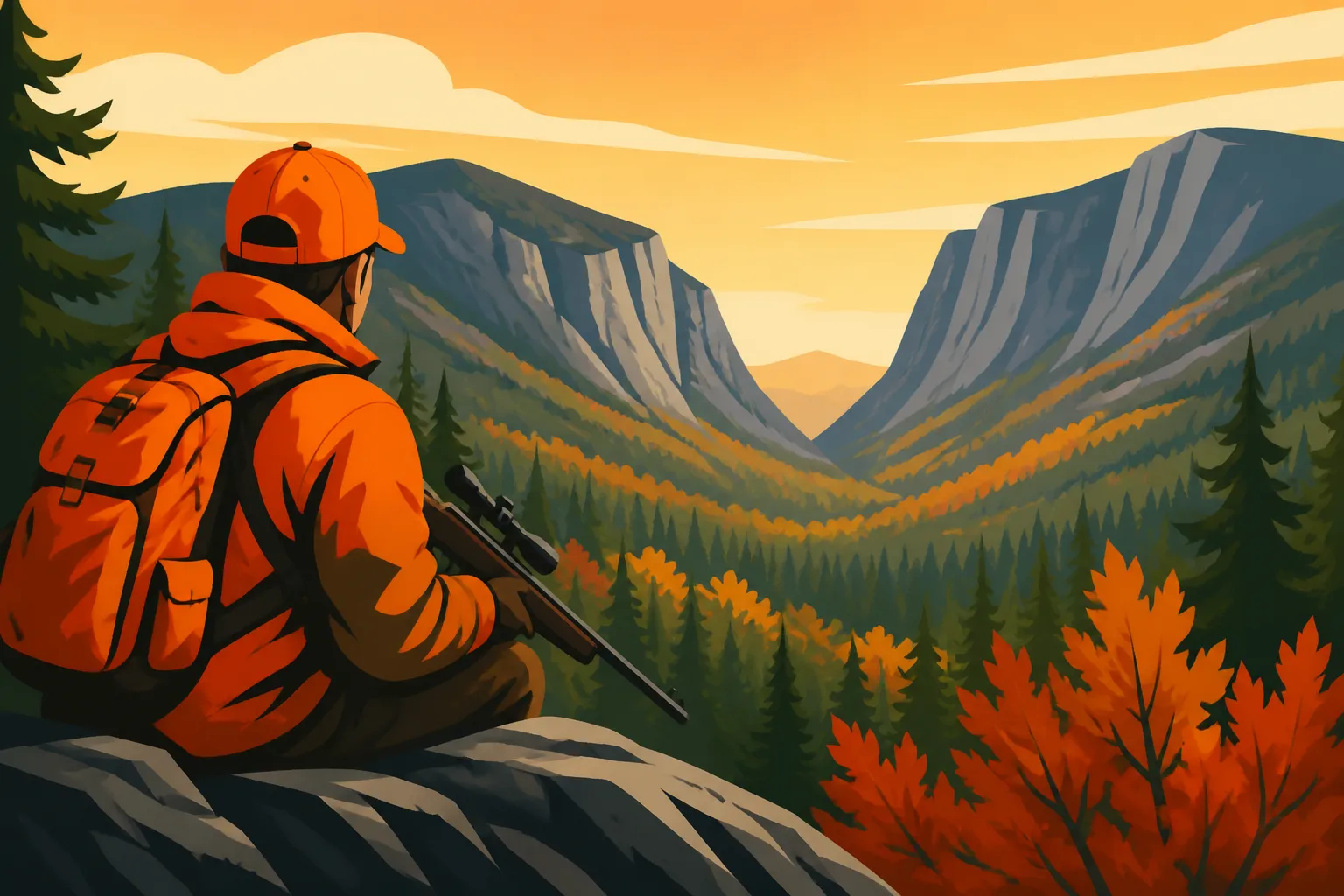
Hunting a mountain notch in Western Maine can feel like trying to find a needle in a haystack, especially if you're used to flatland hunting. The steep terrain, dense cover, and unpredictable weather can be incredibly intimidating, making it tough to even know where to start looking for deer. This guide will help you understand why these hidden passages are deer magnets, how to scout them effectively, and the tactics you can employ to fill your tag in this challenging yet rewarding landscape.
Unraveling the Mystery of Western Maine Mountain Notches
When we talk about "mountain notches" in Western Maine, we're not just referring to any old dip in the terrain. We're zeroing in on those specific saddles, gaps, and narrow passes that cut through the ridges and peaks, often acting as natural funnels for wildlife movement. These aren't always grand, sweeping valleys; sometimes, they're subtle depressions that only become obvious once you're on the ground, or more commonly, when you're studying a topographical map.
Why Notches Attract Deer
Deer, particularly mature bucks, are creatures of efficiency and security. They'll use the path of least resistance when moving between feeding, bedding, and watering areas, but always with an eye on safety. Mountain notches offer both. Imagine a buck moving from a bedding area on one side of a ridge to a prime feeding area on the other. Instead of expending energy climbing over the highest point, or risking exposure skirting the base, he'll often choose a lower, more sheltered notch.
These notches create natural corridors where deer can travel with less effort and more concealment. The topography often creates swirling winds and thermals, which deer exploit to their advantage, helping them detect predators while remaining hidden. During the rut, these funnels become even more critical, as bucks are constantly on the move, searching for does. Does also use these routes extensively, knowing that bucks will inevitably scent-check them. Think of them as deer highways, but with plenty of cover to make a quick escape if danger arises. Understanding Wind and Thermals in Maine Hill Country is paramount here.
The Unique Challenges of Hunting Mountainous Terrain
Hunting in Western Maine's mountainous notches is a whole different ballgame compared to flat woodlands or agricultural fields. The vertical nature of the landscape is your first challenge. What looks like a short distance on a map can translate into a grueling climb, especially with a pack or a harvested deer. Then there's the cover itself: a mix of dense evergreens, thick alder swamps in the bottoms, and rugged hardwood ridges. Visibility can be extremely limited, making long-range shots rare and tracking difficult.
Weather is another major player. Conditions can change rapidly, from crisp autumn sunshine to driving rain or even early-season snow, especially at higher elevations. This means hunters need to be exceptionally prepared for varying conditions, ensuring they have appropriate gear for warmth, dryness, and safety. The sheer isolation of some of these areas also means help isn't always close by, demanding a strong emphasis on self-reliance and sound judgment.
Scouting Strategies for Mountain Notches
Successful hunting in Western Maine's mountain notches starts long before opening day. Effective scouting is about understanding the terrain, identifying key deer sign, and using modern tools to minimize wasted effort. Don't underestimate the importance of pre-season work; it’s what separates the lucky hunters from the consistently successful ones.
Reading Topographical Maps and Satellite Imagery
Before you even set foot in the woods, spend significant time studying topographical maps and satellite imagery. Tools like onX Hunt or GoHunt are invaluable here. Look for saddles, draws, and dips between ridges that connect larger expanses of deer habitat, like dense bedding areas, clear-cuts, or potential food sources. These digital tools allow you to zoom in and see subtle changes in elevation, vegetation types, and even old logging roads that might not be visible on a standard paper map.
Identify primary and secondary notches. Primary notches might be larger, more obvious passes, while secondary notches are smaller, more subtle dips that deer might use to navigate smaller humps or escape pressure. Pay attention to how these notches relate to water sources, old apple orchards, or mast crop areas. By overlaying public land boundaries and timber company lands, you can get a clearer picture of accessible areas. When you're ready to head out, knowing where property lines lie is crucial, especially when Scouting Maine Private Land Before Season.
Identifying Key Deer Sign in Notches
Once you've identified potential notches on a map, it's time to hit the ground. Deer sign in these funnels can be subtle, but consistent. Look for:
- Well-used trails: These will be compacted paths, often with broken twigs or rubbed-out dirt. In notches, deer trails often converge, making them more pronounced.
- Scrapes and rubs: Bucks often establish scrape lines along these travel corridors during the pre-rut and rut. Rubs on saplings or small trees indicate buck activity and often point to the direction of travel or a bedding area. Scrape Lines Along a Logging Road are a common sight.
- Droppings and tracks: Fresh droppings indicate recent activity, and tracks in soft soil or mud will tell you the size of the deer moving through.
- Bedding areas: Look for flat benches or sheltered depressions on the leeward side of ridges, especially those with good visibility downwind. Deer will often bed just off the main travel routes, using the notch as their primary access.
- Browsing: Freshly clipped twigs or munched leaves indicate feeding activity. Identify what they're eating – often hardwoods like maple, birch, or beech in these upland areas.
The key is to connect these pieces of sign to paint a picture of deer movement patterns within and through the notch. Don't just look for one piece of sign; look for the whole story.
Timing Your Scouting Missions
The best time for scouting mountain notches is often in the late summer or early fall, before the leaves fully drop but after the undergrowth has matured. This allows you to see the terrain without the obscuring snow, but still identify summer feeding patterns. However, late-season scouting after the main firearms season can also be incredibly informative. With snow on the ground, deer trails become highways, and bedding areas are clearly visible. You'll see exactly how deer use the terrain under hunting pressure.
Remember, deer patterns can shift with food availability, hunting pressure, and weather. A productive notch in September might be less active in November if the acorns are gone or pressure pushes deer elsewhere. Regular checks, even quick trips, can keep you updated. Using the mapping features on your onX Hunt app to mark all sign will create a detailed historical record of deer movement over time.
Effective Hunting Tactics in Notch Country
Hunting Western Maine's mountain notches demands patience, physical endurance, and a flexible approach. No two notches are exactly alike, and what works one day might not the next. Being adaptable and having a diverse toolkit of tactics will significantly increase your odds.
Still-Hunting and Stalking the Notches
For many, still-hunting is the quintessential Maine mountain hunting experience. It's an active, engaging method that involves moving slowly and deliberately through the terrain, stopping frequently to observe, listen, and scan for deer. In a mountain notch, this means taking one to two steps, then pausing for several minutes, using binoculars to pick apart the dense cover. Focus on the downwind side of the notch, or areas where thermals are predictable, as deer will often travel with the wind in their favor.
When still-hunting, use the terrain to your advantage. Move along contour lines, staying just below the ridgeline to maintain a low profile. Utilize large trees, rocks, and thickets for concealment. Foot placement is crucial – every step should be quiet and intentional. This method is particularly effective during the rut, when bucks are more apt to be moving during daylight hours, cruising these funnels for does. During the peak rut, Rattling and Grunting Maine Bucks can be deadly in these tight quarters.
Strategic Stand Placement
While still-hunting is great, sometimes a well-placed stand is the ticket, especially if you've identified a heavily used trail or scrape line within a notch. When choosing a stand location, consider the prevailing wind patterns and thermals. Notches often create unpredictable swirling winds, so a location that mitigates this, or gives you an advantage, is crucial. Look for natural pinch points where deer are forced into a smaller area, making a shot more likely.
A stand should offer good visibility of the travel corridor while remaining concealed. Consider the sun's position – you don't want to be silhouetted or have the sun in your eyes at prime hunting times. Climbing stands or hang-on stands are popular choices, as they offer flexibility in placement and can be moved if deer patterns shift. However, if you're on private land or an accessible public parcel, a carefully brushed-in ground blind can also be highly effective, especially for wary deer. Remember to check local regulations for Treestand Rules on Maine Public Land or Ground Blind Rules on Maine WMAs.
Hunting During Various Weather Conditions
Western Maine's weather can be a game-changer. Cold, crisp days after a fresh snowfall can make tracking easier and deer movement more predictable, as they seek out food. Light rain can quiet the woods, masking your approach while still allowing good visibility. Heavy rain, however, might keep deer bedded down, or send them to the thickest cover available.
Here's how weather impacts hunting in notches:
- Snow: A fresh snowfall is a gift. It not only makes deer sign incredibly obvious but can also push deer into lower, more sheltered notches for easier travel. This is prime time for Tracking a Deer in Fresh Maine Snow.
- Rain: Light rain can be a hunter's friend, muffling footsteps and scents. Deer often move during light rain. Heavy rain might temporarily halt movement, but deer will often move directly after a heavy downpour, especially if temperatures rise.
- Cold Fronts: A sudden drop in temperature after a warm spell can kick deer movement into high gear. They'll need to feed to maintain body heat, making them more active in traditional travel corridors like notches. This is an excellent time for Hunting Deer After a Cold Front.
- Wind: Wind can be tricky in notches, creating swirling patterns. Pay close attention to your wind direction and carry a wind checker. Deer will often move on the leeward side of a ridge in high winds for shelter, but will use the wind to detect threats.
Being dressed appropriately for the weather, with layers that can be added or removed, is critical for comfort and staying alert throughout your hunt.
Gear and Considerations for Western Maine Mountain Hunts
Hunting in Western Maine's mountainous terrain is physically demanding and requires specific gear to ensure safety and success. Don't skimp on quality, especially when it comes to your boots and clothing.
Essential Gear for Mountain Hunting
Your gear choices can make or break a mountain hunt. Here’s a breakdown of what you'll need:
- Footwear: Invest in high-quality, waterproof, ankle-supporting hunting boots. The terrain is uneven, rocky, and often wet. Good traction is non-negotiable.
- Layered Clothing: Maine weather is unpredictable. Start with a moisture-wicking base layer, add insulating layers (fleece or synthetic down), and top with a waterproof/windproof outer shell. Avoid cotton, as it retains moisture and loses insulating properties when wet. Cold-Weather Sitting Strategy in Maine often involves careful layering.
- Navigation Tools: A reliable GPS unit or a smartphone with a mapping app like onX Hunt is essential. Carry a physical map and compass as a backup, and know how to use them. Cell service can be spotty to non-existent in these remote areas.
- Optics: Good binoculars (8x or 10x) are critical for picking apart dense cover and identifying deer at a distance. A spotting scope might be overkill unless you're glassing vast, open clear-cuts from a distant ridge.
- Headlamp/Flashlight: Even if you plan to be out before dark, unexpected delays or tracking a deer into the evening can require a reliable light source.
- First-Aid Kit: Be prepared for minor injuries, cuts, and scrapes. Include pain relievers, bandages, antiseptic wipes, and any personal medications.
- Knife/Field Dressing Kit: Essential for processing your harvest.
- Water and Snacks: Hydration is key, especially during strenuous climbs. Pack high-energy snacks.
- Game Cart/Pack Frame: If you're fortunate enough to harvest a deer, getting it out of a steep, rugged notch can be a monumental task. A sturdy pack frame or game cart (if the terrain allows) can save your back.
Physical Conditioning and Safety Precautions
Hunting mountain notches is not for the faint of heart. You'll be climbing, descending, and traversing difficult terrain, often while carrying heavy gear. Prioritize physical conditioning in the off-season. Hiking with a weighted pack, climbing stairs, and strengthening your core and legs will pay dividends when you're miles deep in the Maine woods.
Safety is paramount. Always hunt with a buddy if possible, especially in remote areas. If hunting alone, file a detailed float plan with someone reliable, indicating where you're going, your planned route, and when you expect to return. Carry a whistle and a way to start a fire. Be mindful of your footing, especially on wet leaves or rocky slopes. And, of course, follow all firearm safety rules and wear the appropriate amount of blaze orange, as required by Maine law, to ensure you're visible to other hunters. Understanding Maine Hunter Education Requirements is the first step to safe hunting.
Environmental Responsibility and Respect for the Land
When hunting in Western Maine's beautiful, rugged landscape, it's our responsibility to be good stewards of the land. Pack out everything you pack in, and perhaps even a little extra trash you might find. Minimize your impact on the vegetation and leave no trace of your presence. Respect property lines and obtain permission if you're venturing onto private land. This tradition of respect for landowners is deeply ingrained in Maine's hunting culture. This land is a privilege to enjoy, not a right to exploit.
Hunting mountain notches in Western Maine is an experience that combines physical challenge with the raw beauty of the wilderness. It's a test of skill, patience, and endurance, but the rewards—a hard-earned deer and unforgettable memories—are well worth the effort.
| Aspect | Flatland Hunting (e.g., Ag Fields) | Mountain Notch Hunting (Western Maine) |
|---|---|---|
| Terrain | Generally flat, gentle slopes, open fields, woodlots | Steep climbs, descents, rugged, rocky, dense varied cover |
| Deer Movement | Often predictable along field edges, creek bottoms, defined trails | Funneled through specific saddles and draws, less direct routes |
| Visibility | Often good in fields, limited in some woodlots | Highly variable, can be very limited in thick conifer pockets or steep draws |
| Wind/Thermals | More consistent, generally follows prevailing direction | Swirling, unpredictable, thermals rise/fall with sun/shade |
| Physical Demand | Moderate, often involves less strenuous walking | High, requires significant climbing and endurance |
| Scouting Emphasis | Food sources, travel corridors, field edges | Topography (notches, saddles), bedding areas, connecting corridors |
| Navigation | Less critical, easier to orient | Crucial, easy to get disoriented in steep, dense terrain |
| Typical Harvest | Often ambushing deer moving to/from fields | Still-hunting, intercepting deer in travel funnels, challenging recovery |
Disclaimer
This article is for general informational purposes only and does not constitute professional advice. Laws, prices and regulations vary by location and change over time. Consult a qualified professional for guidance on your specific situation.