Baiting Black Bears Legally in Maine
The allure of hunting black bears in Maine is undeniable, but for many, the thought of navigating the legalities and practicalities of baiting can feel like wading through thick alder swamps – confusing, frustrating, and prone to missteps. It’s not just about throwing out some donuts; it’s a strategic dance with regulations, logistics, and the bears themselves. This guide is here to untangle that knot, offering a clear, comprehensive roadmap to legally and effectively baiting black bears in the great state of Maine, ensuring your efforts are both rewarding and compliant.
Understanding Maine's Bear Baiting Regulations
Maine's bear hunting regulations are designed to manage a healthy and robust black bear population while providing ample hunting opportunities. However, the specific rules around baiting are critical and often where hunters, especially those new to the method or to Maine, can run into trouble. It's not enough to generally know "when" the season is; you need to understand the nuances.
The Legal Framework and Key Dates
The first, and arguably most important, thing you need to grasp is the specific timeline for baiting. You can't just set out bait whenever you please; there are strict windows of opportunity. Generally, the legal period for placing bait for bears in Maine begins about a month before the actual bear hunting season opens, allowing you time to condition bears to your site. This conditioning period is vital because bears need to learn that your site is a reliable food source. Without it, you’re often just feeding the local coons and jays.
It's absolutely crucial to know that the baiting season itself has a hard stop. Historically, Maine's Bear Bait Season Dates have run from late August through late September. While the general bear season might continue using other methods, the act of baiting specifically What Ends Maine's Bait Season on September 26 is tightly regulated and typically concludes on September 26th. Missing these dates, either by starting too early or continuing too late, can lead to significant penalties, including fines and license suspension. This isn't a suggestion; it's a hard and fast rule set by the Maine Department of Inland Fisheries and Wildlife (MDIFW).
Beyond the dates, Maine has clear guidelines about where you can place bait. Bait sites must be at least 100 yards from any public way or paved road, and at least 500 yards from any dwelling, even if it's unoccupied. This is to ensure public safety and minimize conflicts with landowners. You also cannot place bait within 10 miles of an active garbage dump or landfill where bears might naturally be attracted to human refuse. These regulations are in place for a reason, aiming to prevent bears from associating human residences with easy food, which can lead to nuisance bear issues.
Licensing and Permit Requirements
Before you even think about putting out that first bucket of pastries, you need to ensure all your paperwork is in order. This isn't just a formality; it's a legal requirement that directly funds wildlife management efforts across the state. Every hunter needs a valid Maine hunting license. For residents, this is straightforward, but for non-residents, it involves a slightly higher fee and often requires proof of a hunter safety course from their home state if they've never held a Maine hunting license before.
On top of the general hunting license, anyone planning to hunt bear, regardless of method, needs to purchase a specific Maine bear hunting permit. This permit is an additional endorsement on your license. As of current regulations, the Maine Bear License Cost is an affordable addition for both residents and non-residents, making bear hunting accessible. The funds generated from these permits go directly back into bear research, monitoring, and conservation efforts, which helps maintain Maine's thriving bear population.
It's also worth noting that if you're utilizing the services of a Registered Maine Guide for your bear bait hunt, they will handle many of the logistical details regarding baiting site registration, but you are still responsible for possessing the correct licenses and understanding the rules. Always carry proof of your licenses and permits while in the field; a quick check by a game warden is not uncommon, and being caught without proper documentation can ruin an otherwise perfect hunt. Make sure you understand all the Maine Bear Hunting Permit Requirements before you head into the woods.
Choosing and Preparing Your Bear Bait Site
Finding the perfect spot for a bear bait site is less about luck and more about understanding bear behavior and the environment they thrive in. It's a bit like real estate: location, location, location. Bears are creatures of habit and efficiency, always looking for the path of least resistance to food.
Selecting the Ideal Location
When scouting for a bait site, you're essentially looking for a bear's grocery store. This often means dense cover – think thick spruce, cedar swamps, or extensive alder thickets – where bears feel secure and can move undetected. They don't like to be out in the open for long, especially mature boars. Look for areas adjacent to these thickets, preferably near a reliable water source like a stream, bog, or small pond. Bears need water, and a site near one minimizes their travel. Consider a spot where a small stream runs through a heavy conifer stand, creating a natural travel corridor that they will utilize daily.
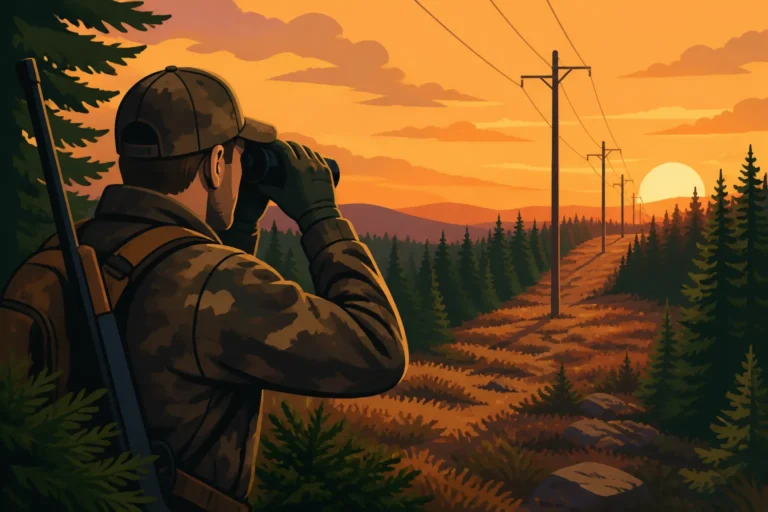
Another key factor is identifying natural travel corridors. These could be old logging roads, game trails, ridge lines, or even powerline cuts that offer easier movement through dense woods. Placing your bait near one of these "bear highways" increases the likelihood of bears finding your site quickly. Tools like satellite imagery and topographical maps, especially those offered by platforms like GoHunt, can be incredibly valuable for identifying these features and understanding land ownership. This kind of mapping can prevent you from inadvertently setting up on private land where you don't have permission. Remember, even in Maine, while there's an implied permission tradition, it's always best practice when Scouting Maine Private Land Before Season to ask for explicit permission for baiting, as it's a more involved use of land than just passing through.
Finally, think about human access. While you want the site to be remote enough for bears to feel comfortable, you also need to be able to access it easily for baiting and, hopefully, for game retrieval. A spot that requires an hour-long bushwhack just to get to could become a serious problem when you've got a harvested bear to drag out. Look for discreet, yet manageable, access points – an old skidder trail, a long-abandoned logging road, or even just a relatively open timber stand.
Setting Up Your Bait Station
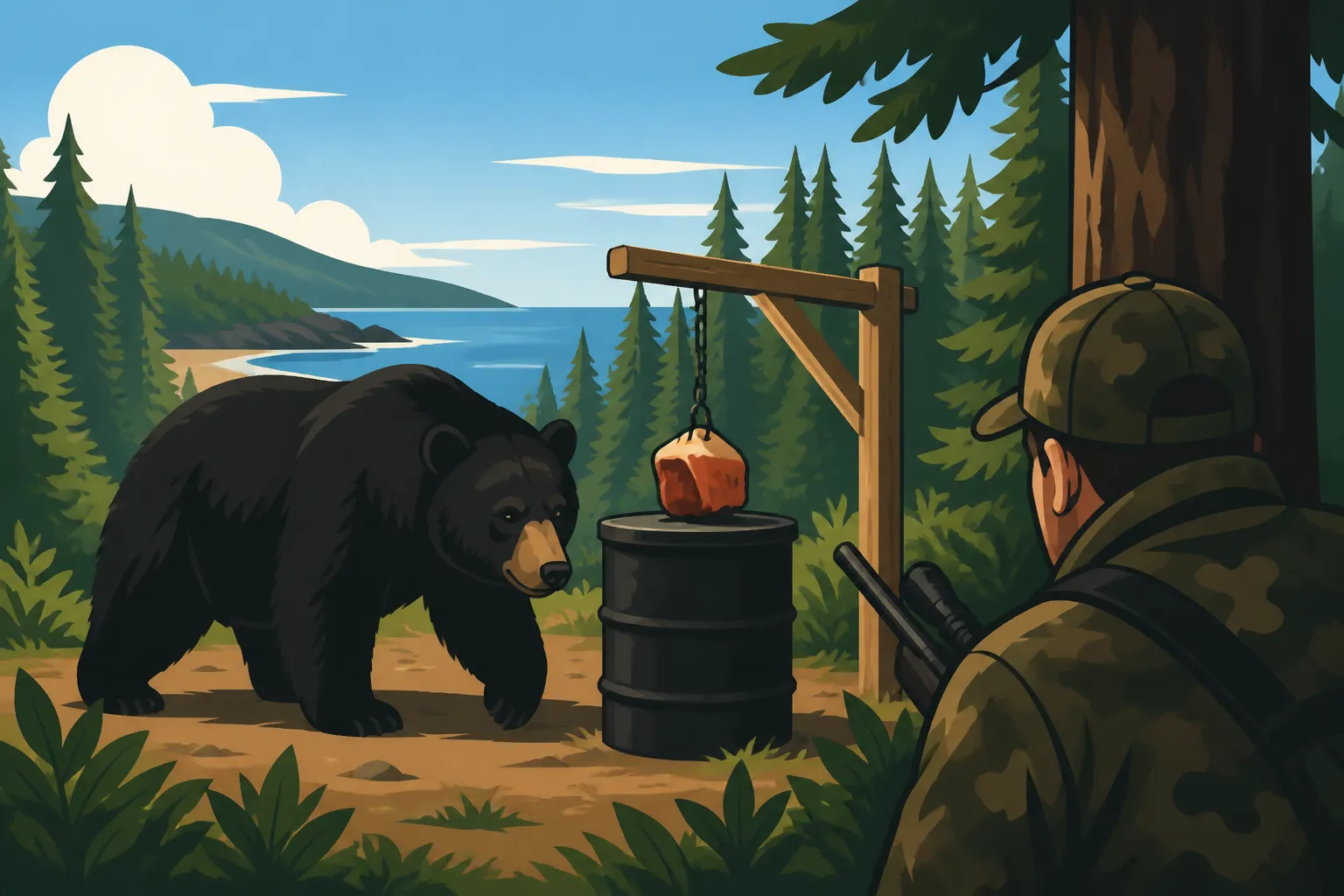
Once you've pinpointed that ideal location, it's time to transform it into an irresistible bear cafeteria. The physical setup of your bait station is crucial, not just for attracting bears, but for managing the site, ensuring ethical hunting, and complying with regulations. A common setup involves a robust container, like a heavy-gauge steel barrel or a stout wooden box, chained or cabled to a large tree. This prevents bears from dragging the bait into the deep woods and keeps other critters from easily pilfering all your offerings.
Consider your stand placement early on. Most hunters opt for a tree stand overlooking the bait, usually 15-20 yards away, to allow for a clean, ethical shot. When Hanging a Stand on a Private Land Field Edge, think about prevailing wind directions and how your scent might travel. You want the wind to carry your scent away from where the bears will approach the bait. Sometimes, a well-camouflaged ground blind is a better option, especially in areas with poor stand trees or if you prefer a more concealed approach. If using a ground blind, make sure to adequately Brushing In a Blind on a Field Edge to blend into the surroundings. Place trail cameras strategically to monitor activity without disturbing the bears, ensuring they are facing away from the rising or setting sun to avoid glare.
Finally, don't forget your access route to and from the stand. This route should be as discreet as possible, avoiding direct trails to the bait site. You want to minimize scent and visual disturbance. Approach your stand from a direction that keeps the wind in your favor, and use natural cover to conceal your movements. The goal is to create a predictable, comfortable environment for the bears and a safe, effective hunting setup for you.
What to Use for Bear Bait and How to Deliver It
The success of your bait site hinges almost entirely on the quality and consistency of the bait itself. Bears, much like us, are driven by their stomachs, but their preferences lean heavily towards high-calorie, easily digestible foods that provide maximum energy.
Effective Bait Choices
When it comes to bear bait, think "sweet and stinky." Bears have an incredible sense of smell, far superior to a bloodhound's, and they are masters at following a scent trail. The goal is to create an odor bomb that carries for miles. Pastries – stale donuts, cookies, cakes, bread – are absolute gold. They're high in sugar and fat, making them irresistible to bears. Many local bakeries are happy to offload their day-old goods, often for free or a nominal fee, making them a cost-effective and highly effective bait. Candy, especially hard candies or jellies that can be melted and poured, also works wonders.
Another excellent base for your bait is dog food or livestock feed, especially high-fat varieties. Mix this with grease, cooking oil, or even old french fry oil (often available from restaurants) to create a powerful, long-lasting scent. Some hunters also use discarded sweet products from confectioneries or food manufacturers, such as frosting, chocolate, or molasses. These provide an intense aroma and a high-energy reward. It's important to remember that Maine has strict rules about what you can use. You cannot use meat or products from domestic animals, nor can you use any human food waste that contains meat. Stick to grains, fruits, vegetables, and sweets. Check current regulations for any specific prohibitions, but generally, anything that was once part of a domestic animal is a no-go.
Experimentation can also pay off. Some hunters swear by certain fruit flavors, while others focus on intensely smoky or oily scents. The key is to provide a variety of high-calorie, strong-smelling foods that keep bears coming back and encourage them to spend time at the site.
Consistent Baiting Strategies
It’s not enough to simply dump a barrel of goodies in the woods once. Successful bear baiting is all about conditioning. You need to train the bears in your area to associate your bait site with a reliable, easy-to-access food source. This means consistent, regular baiting, starting well before the season opens. When Baiting a Bear Site Before the September Close, you’re not just feeding bears; you're habituating them.
Start with a generous amount of bait, creating a strong initial scent cone to attract bears from a distance. You can further enhance this by hanging scent lures – commercial attractants, anise oil, or even bacon grease – from nearby trees, allowing the wind to carry the aroma. Once bears begin hitting the site regularly, you can maintain it with smaller, but still consistent, refills. Many successful hunters check their bait sites every 2-3 days, replenishing as needed. Trail cameras are invaluable here, telling you exactly when and how often bears are visiting, allowing you to tailor your baiting schedule to their patterns.
Consistency is key, especially as the season progresses. Bears will start to recognize the pattern and will visit more frequently, knowing that the "buffet" will be restocked. Remember, bears are looking to put on fat for the winter, so offering a high-calorie reward that requires minimal effort is incredibly appealing to them. A consistent baiting strategy builds trust and reinforces the idea that your site is a safe and dependable place for a meal.
Hunting Over Bait: Tactics and Considerations
Once your bait site is established and bears are regularly visiting, the real work of hunting begins. This phase requires patience, precision, and an intimate understanding of both your setup and the bears themselves. It’s about being in the right place at the right time, completely undetected.
Setting Up for the Shot
Your stand placement, chosen during the setup phase, now becomes paramount. It needs to offer a clear, ethical shot at the bait from a comfortable and concealed position. Wind direction is the single most critical factor when sitting over bait. A bear's nose is its primary defense, and if it catches your scent, your hunt is over. Always hunt with the wind in your favor, blowing your scent away from the approach paths and the bait site itself. If the wind is wrong for your primary stand, have a secondary option or simply don't hunt that day. Sitting a stand with a poor wind is a recipe for frustration.
When you settle into your stand, whether it's an elevated tree stand or a ground blind, minimize all movement. Bears have surprisingly good eyesight, especially for detecting motion. Use your binoculars to scan the area around the bait, particularly the dense cover from which bears typically emerge. Be prepared for a shot at any moment. Many bears will approach cautiously, circling downwind before committing to the bait. You might only have a narrow window for a shot, so practice shooting from your stand position beforehand.
Patience is a virtue here. Bears might show up immediately, or they might make you wait for hours. They often prefer to move during the late afternoon and early evening, so dedicating your time during those prime hours is usually most productive. Understand that seeing a bear at your bait means you’ve successfully attracted one; now it’s up to your woodsmanship to execute the harvest.
Interpreting Bear Sign and Activity
Successful bait hunters become adept at reading the "story" left behind at their bait sites. Trail cameras are, without a doubt, the most valuable tool for this. They allow you to passively monitor activity 24/7, telling you not just if bears are visiting, but when, how many, and what size. This information is gold. You can track individual bears, identify patterns in their visits, and even start to differentiate between a lone boar, a sow with cubs, or younger bears. When Judging a Legal Bear From a Sow With Cubs, your camera intel is indispensable, as it provides a safe, ethical way to make sure you're not targeting a protected animal.
Beyond cameras, look for physical sign. Fresh tracks in the mud or soft soil around the bait will tell you about size and recent activity. Scat can indicate diet and frequency of visits. Claw marks on trees around the bait site, or even rub marks where bears have scratched themselves, are all clues. A well-used trail leading into the thicket near your bait confirms a bear's approach route. Pay attention to how the bait itself is being consumed – is it being picked apart carefully (smaller bears, possibly sows) or is the barrel tossed and emptied (larger, more confident bears)?
By meticulously analyzing these signs, you can refine your hunting strategy. You might notice a large boar consistently showing up just before dark, prompting you to adjust your sitting times. Or you might identify a sow with small cubs, prompting you to hold off on hunting that particular site until you know they've moved on or the cubs are no longer present. This level of interpretation transforms baiting from a passive waiting game into an active, informed hunting strategy.
Post-Harvest Procedures and Ethical Considerations
Harvesting a bear over bait is an exhilarating experience, but the work doesn't end when the shot is fired. Ethical hunting demands responsible post-harvest actions, from recovery to registration and proper meat care.
Tracking and Recovery
One of the most common mistakes after shooting a bear over bait is rushing the track. Bears are incredibly tough animals, and even a well-placed shot can see them run a considerable distance. After the shot, take a deep breath, and wait. Give the bear at least 30 minutes to an hour, sometimes longer, especially if you suspect a marginal hit or if it’s getting dark. This allows the bear to expire quietly nearby rather than running for miles on adrenaline.
When you do begin tracking, approach the area cautiously. Mark your shot location clearly. Look for blood, broken branches, or disturbed leaves along the bear's escape route. Bears, like deer, will often try to find the thickest cover available to them when wounded. If the blood trail is sparse or disappears, slow down. Grid search the area. Remember that Blood Trailing After Dark in Maine can be incredibly challenging and dangerous if not properly equipped or experienced. If you lose the trail, it's often best to back out, mark the last known sign, and return in the morning with fresh eyes, and perhaps some assistance.
Don't be afraid to ask for help. A few extra sets of eyes can make all the difference. Some states allow the use of tracking dogs, though regulations vary, so always check Maine's current rules. Successfully recovering your bear is the ethical conclusion to your hunt and ensures that your efforts aren't wasted.
Registration and Meat Care
Maine has strict regulations regarding the registration of harvested game, and black bears are no exception. After you've successfully recovered your bear, you are legally required to present it for registration within 18 hours of harvest at an official registration station. This is where game wardens and MDIFW staff collect vital data on Maine's bear population, including sex, weight, and sometimes a premolar tooth for aging the animal. Handling a Bear Harvest Check-In is a straightforward process, but it's crucial for wildlife management.
Once registered, proper meat care becomes your next priority. Bear meat is excellent table fare when handled correctly. Immediately after recovery, field dress the bear to allow the carcass to cool down as quickly as possible. Remove all internal organs and prop the cavity open. If you're in a remote area, hanging the bear or getting it out of the woods as quickly as possible is vital to prevent spoilage, especially in warmer early season temperatures. Many hunters opt to quarter the bear in the field to make extraction easier. While the specific guidance might be aimed at deer, the principles outlined in Butchering a Deer at Camp can be largely adapted to bear meat, focusing on cleanliness and rapid cooling.
Consider taking your bear to a professional meat processor. They have the facilities to cool, cut, and wrap the meat efficiently. If you plan to do it yourself, ensure you have a clean workspace and the right tools. Bear fat can be rendered for cooking, and the hide can be salted and frozen for later taxidermy if you choose to preserve it. Responsible post-harvest actions not only respect the animal but also provide you with delicious, organic protein for your table.
Table: Popular Bear Bait Options & Characteristics
| Bait Type | Attractiveness (Scent/Taste) | Cost (Per Load) | Availability | Notes |
|---|---|---|---|---|
| Pastries | Excellent (Sweet, High Cal) | Low to Medium (Donated/Stale) | Bakeries, Grocery Stores | Quick to attract, highly preferred. Can mold quickly in humidity. |
| Dog Food (High Fat) | Good (Savory, Fat Scent) | Medium | Pet Stores, Farm Stores | Excellent base, lasts longer than pastries. Mix with grease for max scent. |
| Grains (Oats, Corn) | Medium (Earthy, Mild Sweet) | Low | Farm Stores, Co-ops | Good filler, adds bulk. Best when mixed with molasses or grease. |
| Molasses/Syrup | Excellent (Intense Sweet) | Medium | Grocery, Farm Stores | Strong long-range attractant. Great for dousing other baits. |
| Candy (Hard/Jelly) | Very Good (Pure Sugar) | Medium | Grocery Stores | High calorie, melts slowly for scent dispersal. |
| Grease/Cooking Oil | Excellent (Oily, Fatty Scent) | Low | Restaurants (Used Oil), Grocery | Long-lasting scent, binds other baits together. |
Disclaimer
Hunting bears over bait, like all hunting, carries inherent risks. Always prioritize safety, understand and follow all Maine hunting laws and regulations, and respect private property. This guide is for informational purposes only and should not replace professional guidance or official MDIFW regulations. Before engaging in any hunting activities, consult the most current Maine hunting law book.