Questions to Ask Before Booking an Outfitter
Choosing the right outfitter for a Maine hunting trip can feel like navigating a dense thicket in the North Woods without a compass. There are so many options, so many promises, and frankly, a lot of money on the line, that it’s easy to get overwhelmed and make a decision you might later regret. You want that dream hunt to be everything you imagine, not a frustrating experience because you didn't ask the right questions upfront. This guide is here to equip you with the essential inquiries to make sure you're setting yourself up for success and satisfaction, ensuring your Maine hunting adventure is truly memorable.
Vetting the Outfitter: Credentials, Experience, and Reputation
Before you even start talking about hunt dates or species, you absolutely need to dig into the background of any outfitter you're considering. This isn't just about trust; it's about making sure you're dealing with a legitimate, experienced professional who can deliver on their promises. Think of it like scouting a new hunting spot – you don't just show up; you do your homework first.
Licensing and Insurance: The Non-Negotiables
This is the bedrock of any reputable operation. Don't assume anything. It's a fundamental question, and any hesitation or vagueness here should be a massive red flag.
When you're entrusting your hunting experience, and your safety, to an outfitter, knowing they're properly licensed and insured is paramount. First and foremost, ask to see proof of their current Registered Maine Guide license. Maine has a rigorous system for its guides, and they must pass exams and demonstrate significant outdoor experience. A legitimate guide will be proud to show you their credentials. This isn't just a piece of paper; it means they've met the state's standards for safety, first aid, and knowledge of the Maine outdoors. Without this, you're taking an unnecessary risk, not just with your hunt, but potentially with your well-being. This is why understanding What a Registered Maine Guide License Requires is so important for hunters.
Beyond state licensing, ask about their insurance coverage. Accidents, while rare, can happen in the backcountry. Does the outfitter carry liability insurance? What does it cover? While no one wants to think about worst-case scenarios, a professional outfitter will have these protections in place for their clients and themselves. If they balk at this question or claim it's "not necessary," it’s time to politely thank them for their time and move on. You're looking for peace of mind, not just a promise of a good hunt. This due diligence ensures that if something unexpected does occur, you're not left in a precarious position.
Asking for References and Success Rate Transparency
A good outfitter will have a track record of satisfied clients. But don't just take their word for it.
Any ethical outfitter worth their salt will be happy to provide you with a list of recent references – not just their best friends or family members, but actual paying clients from the last year or two. When you get these references, actually call them. Ask specific questions: "Was the camp as described? Did the guide work hard? Were there any hidden costs? Would you book with them again?" Listen carefully to their answers. Pay attention not just to what they say, but how they say it. Sometimes, a lack of enthusiasm or a vague answer can speak volumes. Online resources like BookYourHunt or GoHunt can also be great places to start your research, often compiling reviews and success rates from multiple outfitters, giving you a broader perspective before you even make that first phone call. This initial research can save you a lot of time and help you narrow down your choices.
Equally important is discussing their success rates. Be realistic here. No outfitter can guarantee a kill, and if they do, that's another red flag. What you want is transparency. Ask about their actual harvest rates for the specific species and method you're interested in, over the past few seasons. How do they track this? What factors typically influence their success? For example, if you're interested in Maine's November Firearms Deer Season, ask about their average buck harvest rate during that specific period. An honest outfitter will explain the nuances – weather conditions, deer density in their hunting areas, hunter effort, and even luck. They should be able to tell you not just how many animals were harvested, but how many opportunities hunters typically had. This shows they understand the reality of hunting, rather than just selling a fantasy.
Understanding Their Operational Philosophy
Every outfitter runs their business a little differently. Understanding their approach will help you determine if it aligns with your hunting style and expectations.
Are they a high-volume operation, taking many hunters concurrently, or do they offer a more intimate, personalized experience? There’s no right or wrong answer here, but it's crucial to know what you’re signing up for. If you prefer a quiet, one-on-one guiding experience, a camp packed with a dozen other hunters might not be for you. Ask about their guide-to-hunter ratio. Is it 1:1, 1:2, or higher? This directly impacts the amount of personalized attention you’ll receive. For instance, a Guided Maine Moose Hunt might typically involve a 1:1 or 1:2 ratio due to the nature of the hunt and the vast terrain.
Inquire about their approach to fair chase and ethics. Do they strictly adhere to all Maine hunting regulations? This should be a given, but it’s always good to confirm. Ask how they handle game recovery, especially large animals like moose or bear. Do they have specific protocols for tracking a wounded animal, even into the evening or the next day? Their answers will reveal their commitment to ethical hunting and their respect for the animals they pursue. A good outfitter prioritizes a clean kill and a diligent recovery process. They should also be able to articulate their philosophy on conservation and habitat management, showing a deeper connection to the resource than just getting a client a tag.
Unpacking the Hunt: What to Expect on Your Maine Adventure
Once you're confident in the outfitter, it's time to dive into the specifics of the actual hunt. This is where you get down to the nitty-gritty details that will shape your time in the Maine woods.
Specifics of the Species and Method
Maine offers a variety of hunting opportunities, and each species and method comes with its own set of challenges and expectations. Don't leave anything to assumption.
Clearly state what you want to hunt and how. Are you after a whitetail buck during Maine's Four-Week Firearms Deer Season, or are you looking for a Bear Hunting Maine's Three Legal Methods adventure? Your outfitter needs to know your target species, preferred weapon (archery, rifle, muzzleloader), and any specific physical limitations or preferences you might have. For instance, if you're an archery hunter, you'll want to confirm they have specific stands or blinds set up for bowhunting, and that their guides are experienced in bowhunting tactics, which can be quite different from rifle hunting.
Ask about the specific hunting areas they utilize. Is it private land, timber company land in The North Maine Woods Gate System, or public access? What kind of terrain can you expect – deep woods, clear-cuts, swamps, mountains? This helps you visualize the hunt and prepare physically. If you're hoping to hunt a specific type of terrain, like big timber for deer, make sure their areas offer that. Inquire about the typical travel time from camp to the hunting grounds and what mode of transportation will be used (ATV, truck, foot, boat). All these details contribute to the overall experience and can help manage your expectations.
Logistics: From Camp to Field
The little details of camp life and daily routines can significantly impact your comfort and enjoyment.
What are the accommodations like? Is it a rustic cabin with an outhouse, a full-service sporting camp with hot showers, or something in between? Will you have your own room or be sharing? How many hunters will be in camp at one time? Knowing what to expect regarding sleeping arrangements, bathroom facilities, and common areas is essential for packing and mental preparation. A key part of the Maine hunting experience for many is the camaraderie of Maine Deer Camp Traditions, so understanding the social dynamic can be just as important as the amenities.
Food is another big one! What kind of meals are provided, and when are they served? Are packed lunches available for the field? Can they accommodate dietary restrictions or allergies? You don't want to be caught off guard by unexpected meal times or options that don't suit you. Ask about the daily schedule: when do mornings start, how long are you in the field, when do you return to camp? Understanding the typical day will help you plan your personal routine and ensure you're well-rested and prepared for each hunt.
Gear, Weather, and Contingency Planning
Being prepared for the unexpected is a hallmark of any good outdoorsperson, and your outfitter should reflect that.
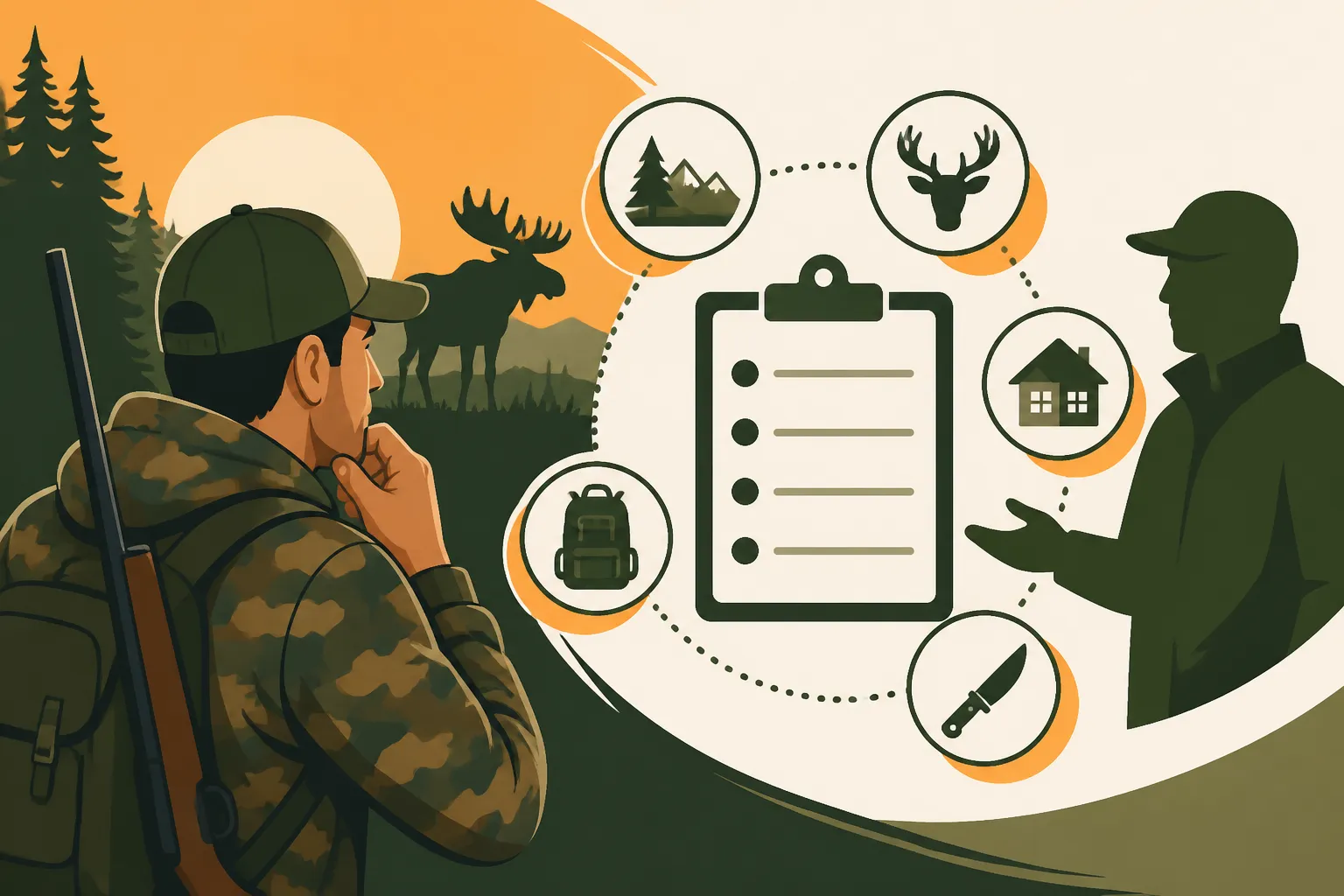
What specific gear list do they recommend? Beyond the obvious weapon and ammunition, think clothing layers, footwear, rain gear, optics, and personal items. Maine weather can be notoriously unpredictable, especially during hunting season. One day it might be mild and sunny, the next you could be facing snow and freezing rain. Ask them about typical weather patterns for your chosen hunting dates and what clothing system they advise. Many outfitters have a detailed checklist they can provide, and it's always a good idea to consult it.
Ask about their contingency plans. What happens if there's severe weather that makes hunting unsafe or impossible for a day or more? Do they have alternative activities, or is the day simply lost? What if you have an accident or medical emergency in the field? What are their communication systems (satellite phone, radio)? How do they handle a lost or wounded animal that takes extra effort to recover? A well-prepared outfitter will have clear answers and established protocols for these situations, demonstrating a commitment to safety and responsible hunting.
Money Matters: Costs, Inclusions, and the Fine Print
This is often the most uncomfortable part of the conversation, but it's absolutely vital to prevent misunderstandings and unexpected expenses. Don't be shy; clarity here saves headaches later.
What the Price Tag Really Covers (and Doesn't)
You need a crystal-clear understanding of every dollar you're spending.
Get a detailed breakdown of the total cost. Ask what exactly is included in the base price. Does it cover accommodations, meals, guiding services, field transportation, and initial game care (like field dressing)? What about licenses, permits, and tags? Often, these are separate costs that can add up quickly. For example, a Maine Moose Permit Cost for Residents is one thing, but a nonresident permit will be different, and neither is usually included in an outfitter's base fee. Make sure you understand Maine Hunting Licenses and What They Cost well in advance. Some outfitters might offer all-inclusive "packages," while others itemize everything. Understand which type of pricing structure you're dealing with.
Equally important is knowing what is not included. This is where hidden costs often sneak in. Does the price include airport pickup and drop-off, or are you responsible for your own transportation to camp? Are there extra fees for processing or taxidermy services, or even for packaging your meat to take home? What about specialty equipment rentals, like a snowmobile if conditions require it? Being explicit about these exclusions upfront will prevent sticker shock at the end of your trip. Don't assume anything is included unless it's explicitly stated in writing.
Deposit Policies, Refunds, and Cancellations
Life happens, and sometimes plans change. You need to know what happens if you have to cancel or reschedule.
What is their deposit requirement, when is it due, and is it refundable under any circumstances? What are the payment terms for the remaining balance? Is it due upon arrival, or a certain number of weeks before the hunt? Understanding these deadlines is crucial for budgeting and planning. For highly sought-after hunts, like a Moose Hunt Deposit and Cancellation Policies, deposits are often non-refundable, reflecting the limited availability and high demand.
Inquire about their cancellation policy. What happens if you have to cancel due to unforeseen circumstances (illness, family emergency)? What if they have to cancel due to unforeseen circumstances (weather, guide illness, natural disaster)? Are there options for rescheduling, receiving a partial refund, or transferring your deposit to a future date or even another hunter? Does hunting insurance factor into their policy? Some outfitters recommend or even require clients to purchase travel or hunting insurance to cover these eventualities. This is a critical discussion point, as it protects your investment in the hunt.
Gratuities and Other Potential Expenses
Beyond the direct costs, there are often customary expenses that aren't technically "required" but are very much expected.
Gratuities for guides and camp staff are a common practice in the outfitting world, but the amounts can vary. Ask about their suggested tipping guidelines. It's much better to know this upfront and budget accordingly than to be surprised at the end of your trip. A good guide works incredibly hard, often from before dawn until well after dark, and a fair tip is a way to show your appreciation. You might want to review Tipping a Maine Hunting Guide for some general guidance.
Consider other incidental expenses you might incur. Will you need cash for things like souvenirs, additional snacks, drinks, or other personal items that might be available for purchase at camp? What about communication costs if you need to make calls from a remote area? Discuss trophy fees, if applicable, especially for non-native species (not usually an issue in Maine, but good to clarify if hunting exotics). Think about transportation costs to and from Maine, any necessary overnight stays before or after the hunt, and the expense of Shipping a Trophy Home From Maine or processing your game meat. A clear picture of all potential expenses, both expected and discretionary, will ensure your budget aligns with the reality of your adventure.
| Category | Key Questions to Ask | Why It Matters |
|---|---|---|
| Credentials & Trust | Are you a Registered Maine Guide? Can I see proof? | Ensures legal operation, safety standards, and expertise. |
| What is your liability insurance coverage? | Protects you in case of accidents or unforeseen events. | |
| Can you provide recent hunter references? | Allows you to verify claims and get unbiased feedback. | |
| What are your actual success rates for my target species/method over the past seasons? | Provides realistic expectations, not just marketing fluff. | |
| Hunt Specifics | What specific areas will we be hunting (private, public, timber land)? | Helps visualize terrain, prepare physically, and understand access. |
| What is the guide-to-hunter ratio? | Determines the level of personalized attention you will receive. | |
| What is the typical daily schedule from camp to field? | Helps you plan your personal routine and manage energy levels. | |
| What is your recommended gear list, especially for clothing and footwear? | Ensures you are adequately prepared for Maine's unpredictable weather. | |
| Financials | What exactly is included in the base price (accommodations, meals, licenses)? | Prevents hidden costs and ensures budget accuracy. |
| What is not included (travel, processing, taxidermy, tips)? | Crucial for identifying all potential expenses beyond the listed price. | |
| What is your deposit policy, payment schedule, and cancellation/refund policy? | Protects your financial investment and clarifies options if plans change. | |
| What are the customary gratuity guidelines for guides and staff? | Helps you budget for expected tips and avoids awkward situations. |
Disclaimer
This article is for general informational purposes only and does not constitute professional advice. Laws, prices and regulations vary by location and change over time. Consult a qualified professional for guidance on your specific situation.