Reading a North Woods Deer Yard
The Maine North Woods can feel like an endless, daunting expanse, especially when you're trying to pinpoint where the deer are. It’s not like those big agricultural states where you can glass a sprawling field and pick out a buck. Here, deer vanish into the thick timber, and when the snow starts to pile up and the temperatures plummet, it feels like they disappear completely. This guide will walk you through the secrets of understanding and effectively hunting a North Woods deer yard, helping you unravel the mystery of where Maine's whitetails go when winter truly sets in.
Understanding the "Why" Behind Deer Yards
For anyone who's spent a proper winter in Maine, you know it's no joke. The snow can stack up to your waist, and those biting winds can cut right through you, making even a short walk feel like an expedition. Imagine being a deer out there, trying to find food and stay warm. It’s a struggle for survival, and that's precisely why deer yards, also known as Deer Wintering Areas (DWAs), are so crucial. They aren't just a place deer like to be; they're often the difference between life and death for our whitetails in the harshest months.
The Harsh Realities of Maine Winters
When those first flakes start to fly, it's a beautiful sight, but for a deer, it’s the beginning of a long, challenging season. Deep snow, often accumulating to 2-3 feet or more in the North Woods, severely restricts a deer's movement. Imagine trying to run through that much snow; it's exhausting, burns precious calories, and makes them incredibly vulnerable to predators like coyotes. The cold, especially when accompanied by wind, strips them of body heat faster than they can generate it, leading to hypothermia and starvation. This isn't just about comfort; it's about pure, unadulterated survival. The average Maine hunter knows the struggle of breaking trail through fresh powder, but a deer faces that challenge every single day, just to find a bite to eat. That's why understanding Why Deep Snow Limits Northern Maine Deer is so fundamental to hunting success in this region.
How Deer Survive Deep Snow and Cold
To cope with these brutal conditions, whitetails in Maine’s North Woods have developed an incredible survival strategy: they congregate in these specialized habitats. Deer yards are typically stands of dense conifer growth – think towering hemlock, cedar, spruce, or fir – that act like giant snow sheds and windbreaks. The thick canopy intercepts falling snow, keeping the ground underneath shallower and softer, making movement easier. It also provides crucial thermal cover, trapping some warmth and shielding them from the relentless wind. Inside these yards, deer create an intricate network of trails, almost like miniature highways, allowing them to move efficiently between bedding areas, browse, and water. This energy conservation is paramount. They might spend weeks, or even months, hunkering down in these same areas, drastically reducing their daily movements to conserve every last calorie. This strategic use of Maine Deer Wintering Yards Explained is a marvel of adaptation.
Identifying Key Features of a North Woods Deer Yard
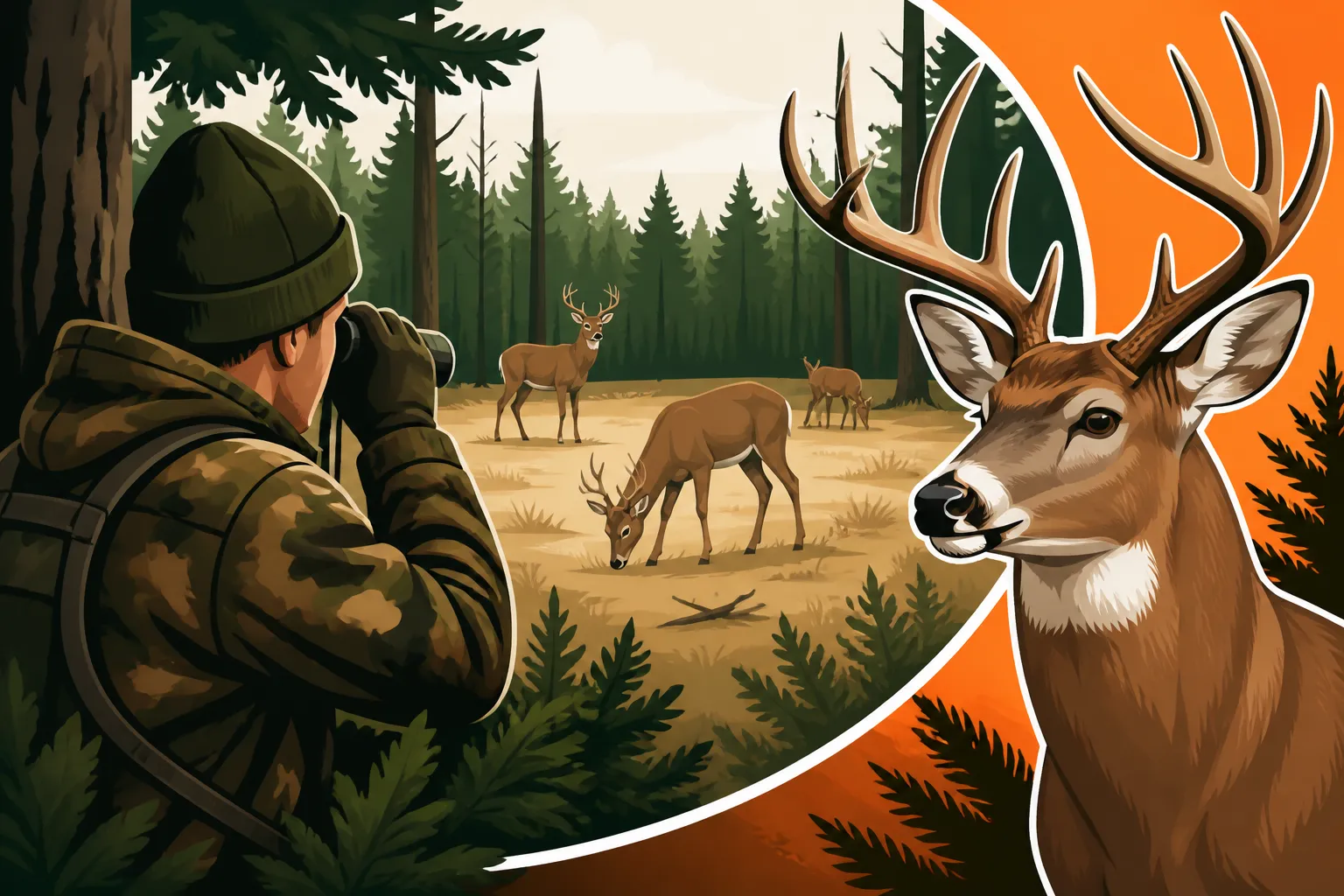
Spotting a deer yard from afar might seem impossible in the vast timber, but once you know what to look for, the signs become clearer. It's about thinking like a deer and understanding what they prioritize for survival when conditions turn severe. You’re not just looking for a few tracks; you’re looking for a whole ecosystem built around their winter needs.
Topography and Shelter from the Elements
When you're trying to locate a potential deer yard, topographical maps are your best friend. Deer often seek out areas that offer natural protection. Look for south-facing slopes, as these catch more sunlight, which can help melt snow slightly faster and offer a bit more warmth during the day. River bottoms and stream corridors are also prime locations, as the dense growth along waterways often provides the necessary cover. The key is shelter. We're talking about incredibly thick stands of mature conifers. Imagine trying to walk through a dense cedar swamp; it’s tough for a human, but it offers unparalleled protection for deer. These areas reduce wind chill dramatically and keep snow depths manageable. Sometimes, even old-growth hemlock stands on gentle slopes can serve as fantastic yards. When you're glassing aerial photos, or using tools like GoHunt, pay close attention to the darkest green blobs, especially those near water or with a favorable southern exposure. These dark spots on the map could be the thermal sanctuaries you're looking for.
Essential Food Sources Within the Yard
While shelter is paramount, deer still need to eat, albeit less frequently, to survive. A good deer yard will offer available browse within or immediately adjacent to the dense cover. Hemlock and cedar needles are often consumed, as is the bark and twigs of various shrubs and young hardwoods. Maple, birch, and even some fir branches can provide sustenance. You'll often see distinct "browse lines" within a deer yard – areas where deer have nibbled off twigs and branches up to about shoulder height. This is a dead giveaway that deer are concentrating there and have been for some time. It's a clear sign of Late-Season Food Sources for Maine Whitetails being utilized to their fullest. Don't expect lush food plots, but rather resilient, hardy vegetation that can withstand heavy browsing. If the yard offers these critical food sources without requiring deer to expend too much energy to reach them, it’s a high-quality DWA.
Signs of Deer Activity in a Yard
Once you've identified a promising area, it’s time to get boots on the ground (or skis, or snowshoes!). The signs of active deer yards are unmistakable once you learn to recognize them. First and foremost, look for heavily used trails. These aren't faint tracks; these are beaten paths, often packed down several inches deep into the snow, connecting bedding areas to feeding zones. You might see several such trails converging, indicating a major travel corridor. Droppings will be plentiful, usually small, hard pellets in clusters, indicating an energy-conservation diet. Look for beds—depressions in the snow, often under dense cover, indicating where deer have rested. Fresh beds, especially if they’re still warm, tell you deer are very close. Scrapes and rubs are less common during deep winter, as rutting activity is long over, but you might find old ones on the perimeter. Pay attention to the quality and quantity of tracks. A few scattered tracks might be a lone deer passing through, but a maze of tracks crisscrossing, especially with fresh droppings, confirms an active yard. Utilizing apps like GoHunt can help you mark these signs precisely, allowing you to build a comprehensive picture of deer movement within the yard over time. When you’re trying to understand Finding Sign in Big North Woods Timber, a deer yard is where those signs become amplified.
| Feature | Characteristics of a Prime Deer Yard (DWA) | Less Favorable Area (Non-DWA) |
|---|---|---|
| Cover Type | Dense conifer stands (hemlock, cedar, spruce, fir) that block wind and snow | Open hardwoods, sparse conifer saplings, clear-cuts without regrowth |
| Topography | South-facing slopes, river bottoms, sheltered valleys, benches | Exposed ridge tops, north-facing slopes, flat featureless terrain |
| Snow Depth | Significantly shallower snow under canopy, often 1-2 feet less than surrounding areas | Deep, unconsolidated snow, often 2-3+ feet, impeding movement |
| Browse Availability | Abundant hemlock, cedar, maple, birch, fir twigs within easy reach (browse lines present) | Limited or inaccessible browse, often covered by deep snow |
| Deer Activity Signs | Heavily packed trail networks, numerous droppings, fresh beds, extensive browsing on vegetation | Scattered tracks, isolated droppings, minimal browsing, no concentrated bedding |
| Predator Exposure | Reduced visibility for predators, more difficult for predators to move quickly in thick cover | Open ground makes deer more visible and vulnerable to predators |
| Energy Conservation | Allows deer to move efficiently and conserve energy due to reduced snow depth and thermal protection | High energy expenditure for movement, increased heat loss, leading to exhaustion and starvation |
Strategies for Hunting Deer Yards Effectively
Hunting deer yards requires a different mindset than chasing rutting bucks through the hardwoods. It's about patience, stealth, and an acute understanding of deer behavior when their primary goal is survival. You're entering their sanctuary, and any misstep can send them scattering, making your efforts futile.
Scouting Before and During the Season
Effective deer yard hunting starts long before the snow gets deep. In the late summer and early fall, use mapping tools like GoHunt and aerial photos to identify areas with dense conifer cover, especially those near reliable water sources or on south-facing slopes. These are your primary candidates for future deer yards. Pay attention to Reading Aerial Photos for North Woods Deer. Once the snow begins to fall, shift your scouting strategy. Don't be afraid to put on your snowshoes and cover ground. Look for those initial signs of increased deer activity, even if it's just a few more tracks than usual in a specific stand of evergreens. As the season progresses and snow deepens, deer will increasingly commit to these yards. This pre-season and early-season scouting is crucial for pinpointing where the deer will likely concentrate. Remember, a deer yard might not be a huge area; sometimes it's a relatively small, dense pocket of timber that offers just enough relief. When you're done with Scouting Maine Private Land Before Season and looking at the bigger picture, always keep these dense coniferous stands in mind.
Approach Tactics and Stand Placement
When you're ready to hunt a deer yard, your approach needs to be calculated and quiet. These deer are typically on high alert, and any unnecessary noise or movement will quickly give you away. Wind direction is absolutely critical; always approach from downwind. If possible, use natural terrain features like ridges or old logging roads to help mask your movement. When considering stand placement, look for established deer trails within the yard, especially where they intersect or bottleneck. Often, the edges of the densest cover, where deer might slip out for more open browsing opportunities, can be productive. Consider areas with subtle elevation changes or where different types of cover meet. A well-placed ground blind, especially one that you've brushed in naturally, can be incredibly effective in the thick cover of a deer yard, as it minimizes your silhouette and scent cone. Brushing In a Blind on a Field Edge offers similar principles for concealing your setup in these dense woods. Because of the cold, Cold-Weather Sitting Strategy in Maine becomes a major factor, so choose a comfortable and well-insulated setup. Remember, these deer are moving slowly, conserving energy, so patience in a good spot is key.
Considerations for Pressure and Ethical Hunting
Deer yards are vital survival zones, and hunting them ethically is paramount. Because deer are concentrated and often stressed by winter conditions, they are more vulnerable. Avoid over-pressuring a single yard. If you hunt a yard, consider resting it for a few days afterward to allow the deer to settle back down. Excessive pressure can push deer out of these critical areas, forcing them into less hospitable environments where their survival chances are significantly reduced. It’s a delicate balance between harvesting an animal and impacting the herd’s long-term health. Be mindful of track density and browse lines; if you see signs of extreme stress or overbrowsing, it might be best to leave that yard undisturbed. The goal is to hunt smart, not to exploit a vulnerable situation. Also, be prepared for recovery. Dragging a deer out of a dense cedar swamp in deep snow can be incredibly challenging, so have a plan for Recovering a Deer From a Cedar Swamp before you even pull the trigger. Always respect the animals and the critical role these yards play in their survival.
Disclaimer
The information provided in this guide is for general informational purposes only and does not constitute professional advice. Hunting regulations and conditions can change rapidly. Always consult the most current Maine Department of Inland Fisheries and Wildlife (MDIFW) regulations and local ordinances before engaging in any hunting activity. Safety should always be your top priority.