The Maine Deer Registration Deadline
Ah, the deer registration deadline in Maine. It’s one of those things that can feel like an afterthought when you’re out in the woods, adrenaline pumping after a successful hunt. You've just tagged your deer, and your mind is already racing ahead to getting it out, butchering, and telling the story. But neglecting that critical 18-hour window can turn a triumphant moment into a serious headache. This guide is all about demystifying Maine's deer registration requirements, ensuring you know exactly when and how to report your harvest so you stay legal and contribute to vital wildlife management efforts.
Understanding Maine's Deer Registration Deadline
Let's cut right to it: in Maine, once you've successfully harvested a deer, you have 18 hours to register it. This isn't a suggestion; it's a hard and fast rule set by the Maine Department of Inland Fisheries and Wildlife (MDIFW). It doesn't matter if it's the opening day of Maine Firearms Season Opening Day or the tail end of the season when you're Hunting the Muzzleloader Close in Mid-December. That 18-hour clock starts ticking from the moment you make your kill.
The 18-Hour Rule: What It Means in Practice
Imagine you drop a nice buck at 4:00 PM on a crisp November afternoon. Your deadline for registration isn't "by tomorrow," it's 10:00 AM the very next morning. This can be a real scramble, especially if you're deep in the North Maine Woods or far from a registration station. It’s designed to ensure timely reporting, which is crucial for wildlife biologists gathering data. This timeframe also helps ensure game is handled promptly, especially given Maine’s varying temperatures throughout the hunting seasons.
This rule applies universally across all deer seasons, whether you’re hunting during Maine Archery Season Opening Day, through the general firearms season, or during the late Hunting the Expanded Archery Season Into December in a designated zone. There are no exceptions for bad weather, remote locations, or even if you're tracking a deer after dark in Maine. The expectation is that you plan accordingly.
What to Do Immediately After the Harvest
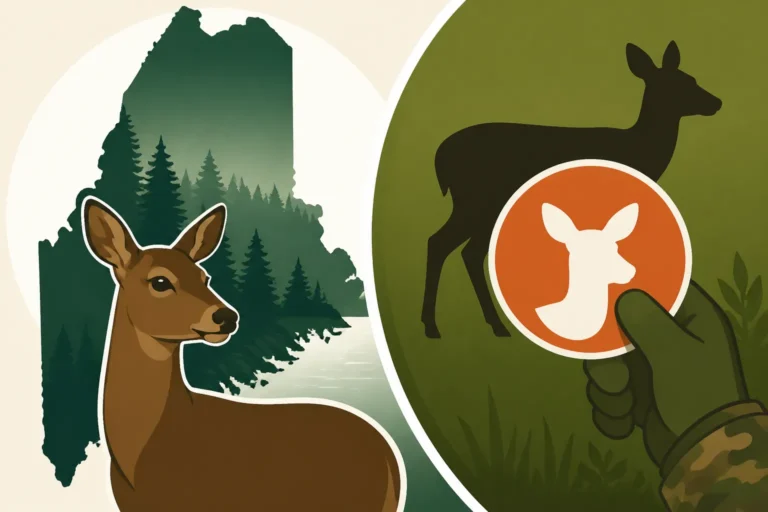
Before you even think about registration, your first legal obligation is to attach your deer transportation tag to the deer immediately after harvest. This tag, which comes with your hunting license, needs to be filled out with the date and time of kill, and the Wildlife Management District (WMD) where the deer was harvested. The tag must remain attached to the deer until it's registered. This ensures that anyone transporting the deer can easily prove it was legally harvested, providing a clear chain of custody. It's a critical step to avoid any misunderstandings with game wardens while you're getting the deer out of the woods and towards a registration point.
The "Why" Behind Mandatory Deer Registration
You might wonder why the MDIFW is so strict about these deadlines and procedures. It's not just about bureaucracy; it's fundamental to sound wildlife management and the health of Maine's deer herd. Every registered deer provides a piece of the puzzle that helps biologists understand population dynamics, harvest trends, and potential health concerns.
Population Management and Harvest Data
Each registration provides vital statistics: the sex of the deer, the number of antler points for bucks, the WMD where it was taken, and the date of harvest. This data allows MDIFW biologists to track year-to-year success rates, estimate overall deer populations, and assess the impact of various hunting seasons and antlerless permit allocations. For example, if harvest numbers in a particular WMD are consistently low despite good habitat, it might signal a need for more restrictive antlerless permits, or perhaps even indicate a localized issue like heavy predation. This information directly informs decisions about future bag limits, season lengths, and even the Maine Antlerless Permit System. Without accurate and timely registration data, these management decisions would be based on guesswork, which benefits no one – least of all the deer.
Disease Monitoring and Prevention
One of the most critical reasons for mandatory registration is disease surveillance, particularly concerning Chronic Wasting Disease (CWD). Maine prides itself on its Maine's CWD-Free Status Explained, a distinction that every hunter wants to maintain. By requiring registration, MDIFW can efficiently track where deer are harvested. If CWD were ever detected in a neighboring state, knowing the exact WMD where a deer was taken becomes crucial for rapid response and containment. Registration stations, and in some cases, online portals, collect information that could be used for targeted CWD testing if the need ever arose. It’s a proactive measure that safeguards the health of Maine's entire cervid herd and, by extension, the future of deer hunting in the state. So, when you register your deer, you're not just complying with the law; you're actively participating in protecting our shared wildlife heritage.
Legal Compliance and Ethical Hunting
Beyond the data, registering your deer is a fundamental aspect of legal and ethical hunting. It demonstrates respect for the resource and adherence to the rules that govern our sport. Failure to register a deer within the prescribed Maine Deer Registration Deadline is a violation of state law and can result in significant fines and even license suspension. Game wardens take these regulations seriously because they are the backbone of responsible wildlife management. It's also a matter of public perception; adherence to these rules helps maintain the integrity of hunting as a conservation tool. Knowing your Maine Wildlife Violation Penalties and ensuring you follow all steps, from tagging to registration, is part of being a responsible hunter in Maine.
Navigating the Maine Deer Registration Process
Once you’ve successfully harvested your deer and properly tagged it, the next step is getting it registered. Maine offers a couple of convenient ways to do this, but understanding the details for each is key to avoiding stress.
Online Registration Through Maine's IF&W Portal
In recent years, Maine has streamlined much of its licensing and registration processes, including deer. You can now register your deer online, which is a huge convenience, especially for hunters who might be far from a physical registration station or who harvest a deer outside of normal business hours. The MDIFW's online portal is typically accessed through their website, which is also where you'd purchase your Maine Resident License Options or Maine Nonresident License Options. When you log in, you'll find a section specifically for Reporting a Deer Through Maine's App or web portal.
To register online, you’ll need specific information:
- Your hunting license number.
- The date and time of the kill.
- The Wildlife Management District (WMD) where you harvested the deer. It’s critical to know this, and resources like GoHunt or the MDIFW’s own maps can help you pinpoint it accurately.
- The sex of the deer.
- The number of antler points, if it’s a buck.
- Any special permit numbers, like an antlerless deer permit if you used one.
- The method of harvest (e.g., archery, firearm, muzzleloader).
Once you submit the information, the system will generate a confirmation number, and in some cases, a printable registration tag that replaces your field tag. It's crucial to ensure this confirmation is secure and can be presented if asked by a game warden. This digital option makes meeting the 18-hour deadline much more manageable for many.
In-Person Registration at Designated Stations
For those who prefer the traditional route, or if you simply don't have reliable internet access in your hunting area, in-person registration stations are still available across the state. These are typically local businesses like general stores, hardware stores, or sporting goods shops that have partnered with MDIFW. They often have dedicated staff who are familiar with the process and can help you ensure all the details are correctly recorded.
When you go to an in-person station, bring your deer (or at least the head, if you've already butchered it and need to register the specific details like antler points, though it's always best to bring the whole carcass if possible and practical, especially for CWD sampling if required). You'll need the same information as for online registration:
- Your hunting license.
- The physical tag you attached to the deer immediately after harvest.
- Details about the kill: date, time, WMD, sex, antler points, and method.
The station agent will review your information, visually verify the deer (if present), and then enter the data into the MDIFW system. They will issue you a physical registration tag that must then be attached to the deer. This tag stays with the carcass until it is fully processed for consumption, ensuring compliance throughout the entire journey from field to freezer. It's important to remember that these stations operate during business hours, so plan your harvest and transport to align with their availability to avoid missing the 18-hour window.
Common Challenges and How to Avoid Missing the Deadline
Even the most seasoned hunters can run into unforeseen circumstances that make meeting the 18-hour registration deadline a challenge. Maine's diverse and sometimes remote terrain, coupled with unpredictable weather, can throw a wrench into well-laid plans. But with a little foresight, you can overcome most obstacles.
Dealing with Remote Locations and Lack of Connectivity
Maine is a vast state, and many of its best hunting grounds are in remote areas, especially if you're Hunting a North Maine Woods Checkpoint Tract or deep in Aroostook County. Cell service can be spotty to non-existent, making online registration difficult. This is where pre-planning becomes your best friend.
- Scout Registration Stations: Before you head out, use the MDIFW website or apps like GoHunt to locate registration stations near your hunting area. Note their operating hours and consider calling ahead if you're unsure. Identify a primary station and a backup.
- Offline Mapping: Download offline maps (many apps offer this feature) that show registration stations. This can be a lifesaver when you have no signal.
- Communicate Your Plans: If you're hunting remotely, let someone know your general area and your intended route for registration. If you're hunting with a group, coordinate who will take the deer to register.
- Backup Power: Keep your phone charged, or bring a portable power bank. While you might not have service for online registration, you may need your phone for directions to the nearest station or for emergency communication.
Remember, the 18-hour clock doesn't stop because you're in a cell service dead zone. You must still physically transport the deer to a location where registration can occur within that window. This often means having a plan for immediate extraction after a successful kill, rather than letting the deer sit overnight.
Inclement Weather and Difficult Extraction
Maine weather is famously unpredictable, especially during the fall and early winter hunting seasons. A beautiful sunny morning can turn into a torrential downpour or a sudden snowstorm, making Tracking a Deer in Fresh Maine Snow or Dragging a Deer Out of a Cedar Swamp far more difficult and time-consuming. These conditions can easily eat into your 18-hour window.
- Gear Up: Always have appropriate gear for all weather conditions, including rain gear, headlamps for Blood Trailing After Dark in Maine, and sturdy ropes or a deer sled for extraction.
- Consider the Terrain: If you're hunting in particularly difficult terrain, like a steep mountainside or a dense swamp, factor in extra time for recovery. Sometimes, an hour-long track in good weather can become a four-hour ordeal in heavy snow or mud.
- Buddy System: Hunting with a partner or a group makes extraction much faster and safer. If you harvest a deer alone in tough conditions, don't be afraid to call for help from friends or family to assist with recovery and transport to a registration station.
- Field Dressing: Properly Field Dressing a Deer in Cold Weather (or any weather) as soon as possible after the kill will lighten the load and begin the cooling process, which is important for meat quality and allows you to potentially break down the deer for easier transport.
Preventing Last-Minute Scrambles and Penalties
The best way to avoid missing the Maine Deer Registration Deadline and incurring Maine Wildlife Violation Penalties is through diligent planning and understanding the rules. It sounds simple, but it’s where many hunters get tripped up.
Table: Key Information for Deer Registration in Maine
| Requirement | Detail | Importance |
|---|---|---|
| Deadline | 18 hours from time of kill | Non-negotiable; legal compliance |
| Immediate Tagging | Fill out and attach transportation tag to deer upon harvest | Legal proof of harvest before moving |
| Information Needed | License #, Date/Time, WMD, Sex, Antler Points (if buck), Method, Permit # (if any) | Essential for data collection and proper registration |
| Registration Methods | Online via MDIFW portal/app; In-person at designated stations | Choose the most accessible/reliable method for your location |
| Proof of Registration | Confirmation number (online); Physical tag (in-person) | Must remain with carcass until fully processed |
| CWD Consideration | Be aware of potential CWD testing requirements in certain WMDs | Critical for maintaining Maine's CWD-free status |
- Review Regulations Annually: Regulations can change. Always review the current Maine hunting law book before the season starts. Information on topics like Maine Deer Tag Transfer Rules can be useful.
- Know Your WMD: Be familiar with the WMD you are hunting in. Many apps like GoHunt can display WMD boundaries, or you can check MDIFW maps. It’s a required piece of information for registration.
- Don’t Procrastinate: As soon as you have your deer, start making a plan to register it. Don’t wait until the last minute, especially if you have a long drive ahead or if you harvested late in the day.
- Keep Records: Take a photo of your filled-out tag and your registration confirmation. This simple step can save you a lot of grief if something gets lost or an error occurs.
- Transport Legally: Ensure your deer is properly tagged and covered if necessary during transport. The tag must be visible, and the deer should not appear to be "hidden."
By anticipating these challenges and preparing for them, you can ensure that your successful deer hunt concludes not with a legal headache, but with the satisfying completion of your responsibilities as a Maine hunter.
Disclaimer
Please remember that hunting regulations can change. While I strive to provide the most current and accurate information, it is always your responsibility to consult the official Maine Department of Inland Fisheries and Wildlife (MDIFW) regulations or visit their website for the most up-to-date rules and laws before heading into the field. This guide is for informational purposes only and should not be considered legal advice.