Booking a Guided Aroostook Deer Hunt
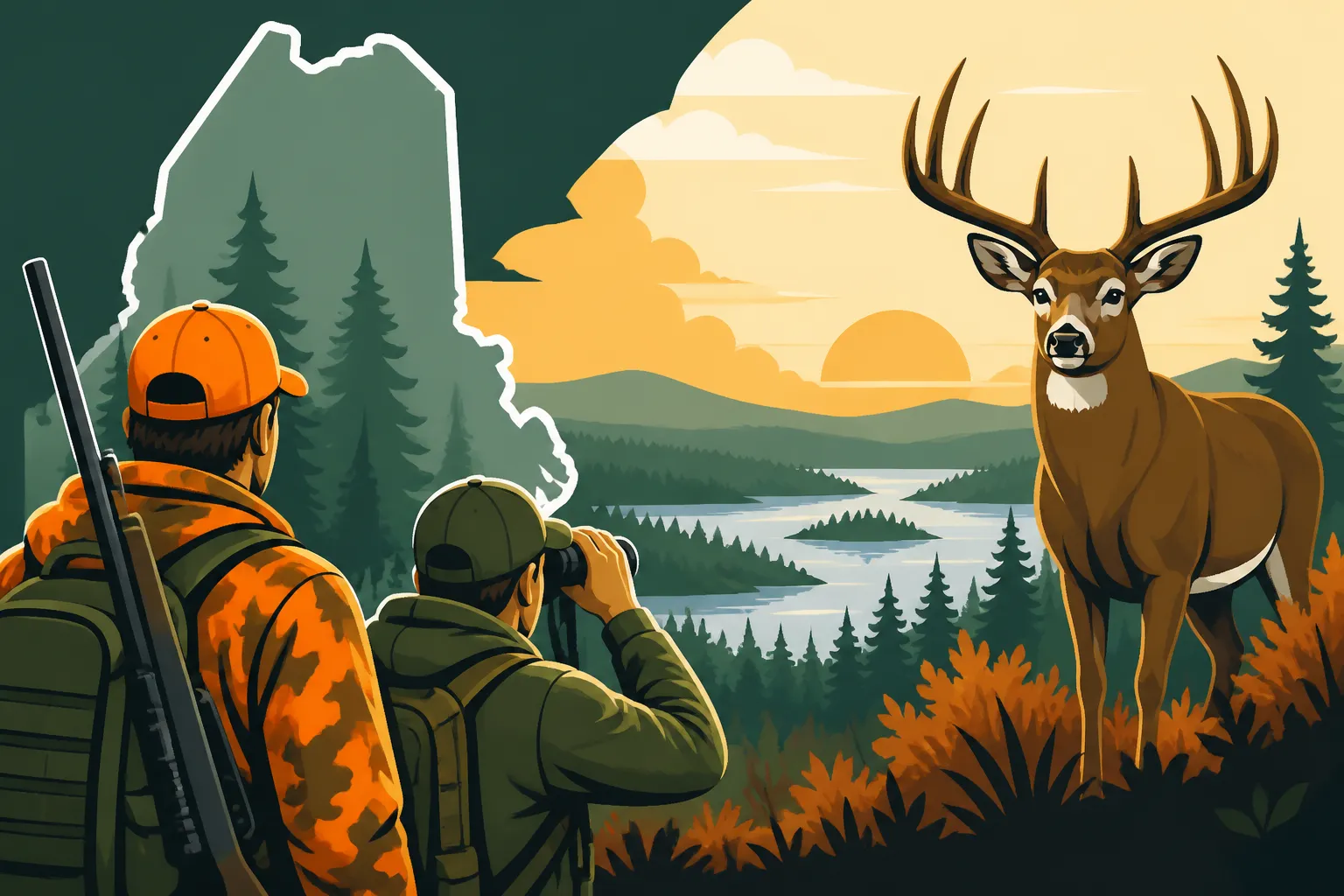
The thought of chasing whitetails in the vast, wild stretches of Aroostook County can feel both exhilarating and incredibly daunting. You've heard the legends of those big-bodied, heavy-antlered bucks that roam the dense timber and secluded farmlands up north, but you also know that hunting such expansive, rugged territory on your own can be an exercise in frustration, leaving you feeling lost and defeated rather than triumphant. This guide is designed to cut through that complexity, offering a clear path to booking a guided Aroostook deer hunt that maximizes your chances of success and enjoyment, ensuring you arrive prepared and confident for the adventure of a lifetime.
Why Aroostook County is a Premier Deer Hunting Destination
Aroostook County, often affectionately called "The County" by Mainers, isn't just a geographical area; it's a hunting institution. Spanning the northernmost reaches of the state, it represents the very essence of big woods hunting, combined with unique agricultural landscapes that hold deer differently than anywhere else in Maine. It's a place where the air smells cleaner, the silence is profound, and the deer feel truly wild.
The Lure of Northern Maine's Big Woods
When people picture Maine hunting, often they're imagining the sprawling, unbroken forests of the North Maine Woods, much of which lies within Aroostook County. This isn't your average woodlot hunting. We're talking about millions of acres of timberland, managed by various companies, crisscrossed by logging roads, and dotted with remote ponds and cedar swamps. The sheer scale can be overwhelming for those not accustomed to it, but it's precisely this wildness that makes Aroostook so appealing. Deer here are truly self-sufficient, relying on natural browse and thick cover, not suburban apple trees. This environment demands a higher level of woodcraft and perseverance, but the reward is a buck that has earned its antlers in truly wild conditions. Many hunters dream of experiencing Hunting a North Maine Woods Checkpoint Tract, and Aroostook offers prime opportunities.
Navigating these vast tracts without local knowledge can be like trying to find a needle in a haystack. The deer aren't concentrated; they're spread out, often in smaller pockets dictated by food sources, bedding areas, and wintering yards. A guided hunt here isn't just about finding a deer; it's about understanding the land itself, learning to read the subtle signs that tell you where a buck might be moving, feeding, or bedding. For the uninitiated, the "big woods" can feel impenetrable, but with an experienced guide, those dense spruce stands and alder thickets become readable maps of deer movement.
Understanding Aroostook's Deer Herd Dynamics
While Aroostook is famous for its wilderness, it's also home to vast potato and grain fields, particularly in the central and southern parts of the county. This unique blend of dense forest and agricultural land creates a fascinating deer dynamic. You have deer that live almost entirely in the deep woods, and then you have agricultural deer that spend their days bedded in heavy cover bordering fields and their nights feeding on crop remnants. This diversity means a guide often has multiple strategies, adapting to the specific property and conditions. The deer population density might not always be as high as some southern Maine regions, but the quality of deer can be exceptional. Many hunters are keen to know Aroostook County Versus Southern Maine Deer dynamics, and a guide will be intimately familiar with these regional differences.
The challenge in Aroostook often isn't the lack of deer, but finding the truly mature animals in such diverse and expansive habitat. The deer here are masters of evasion, having grown up in an environment with minimal human pressure outside of hunting season. They are less habituated to human presence than deer in more populated areas. This makes for a more challenging but ultimately more rewarding hunt. A guided hunt in Aroostook focuses on the local knowledge of these patterns, understanding how deer use the cover and food sources unique to the region, whether it's a deep cedar swamp or a standing cornfield.
Unique Challenges and Rewards of Hunting Up North
Hunting in Aroostook County comes with its own set of challenges, from unpredictable weather that can bring early snowfalls to the sheer physical demands of navigating rugged terrain. Temperatures can drop significantly, especially later in the season, making comfort and safety paramount. The vastness also means that once you're on a track, you might be following it for miles, far from any road. This is where a guide's experience truly shines, not just in finding deer, but in the practicalities of a wilderness hunt. They understand the nuances of Wind and Thermals in Maine Hill Country and how to react to changing conditions.
However, the rewards are equally unique. Successfully harvesting a deer in Aroostook, especially a mature buck, is an accomplishment that few other places can offer. It’s a testament to patience, skill, and the wilderness experience. Beyond the harvest, it's about the deep woods solitude, the starry nights, and the genuine camaraderie of a hunting camp. A guided hunt provides not just expertise, but also a safer, more comfortable way to experience these wild rewards without having to manage all the complex logistics yourself.
Deciphering the Guided Hunt: Is It Right for Your Aroostook Trip?
For many, the idea of a guided hunt conjures images of luxury and guaranteed success. While a guide certainly enhances your experience and odds, it's not a magic bullet. Deciding if a guided hunt is right for you in Aroostook involves weighing its benefits against your own experience, comfort level, and budget.
The Appeal of an Expert's Knowledge
The most significant draw of a guided hunt, especially in a vast and challenging area like Aroostook, is access to unparalleled local knowledge. A good Registered Maine Guide has spent years, often decades, learning the nuances of specific tracts of land, observing deer patterns through countless seasons, and understanding the subtle cues that reveal where a big buck might be hiding. They know the best places to Read a North Woods Deer Yard or identify Scrape Lines Along a Logging Road. They know the timber cuts, the old growth pockets, the beaver flowages, and the trails that deer prefer. This isn't knowledge you can gain from a map or a few days of scouting; it's hard-won experience.
Moreover, a guide brings practical expertise beyond just locating deer. They know how to react to unexpected changes in weather, how to handle field dressing and extraction in remote areas, and crucially, how to ensure your safety in a wilderness environment. For hunters unfamiliar with northern Maine's terrain, or those with limited time for pre-scouting, a guide acts as a vital bridge, connecting you directly to prime hunting opportunities that would otherwise remain hidden. This expertise can be the difference between a frustrating trip and a memorable, successful one.
Comparing Fully Guided vs. Semi-Guided Experiences
When looking at outfitters, you'll often see options for "fully guided" and "semi-guided" hunts. It's important to understand the distinctions.
-
Fully Guided Hunt: This is the all-inclusive experience. Your guide will typically pick you up each morning, drive you to the hunting area, often walk with you, help you scout, set up stands, track deer, and handle the field dressing and retrieval. They are with you every step of the way, providing constant assistance and advice. This is ideal for first-timers to Aroostook, hunters seeking a high level of support, or those who simply want to maximize their hunting time without worrying about logistics. Lodging, meals, and transportation within the hunting area are usually included. This is often the most expensive option, but it provides the most comprehensive service. Hiring a Registered Maine Guide usually falls into this category.
-
Semi-Guided Hunt: This option offers a middle ground. A guide might provide detailed maps, show you specific areas to hunt, recommend strategies, and assist with tracking and retrieval after a deer is harvested. However, you'll generally be hunting on your own for most of the day, making your own stand setups and decisions. Lodging might be included, but meals and daily transportation to hunting spots could be your responsibility. This is a good choice for experienced hunters who are comfortable with self-sufficiency but want the advantage of a guide's local knowledge for finding prime areas and assistance with post-harvest logistics. It's typically more affordable than a fully guided hunt.
The best choice for you depends on your budget, your hunting experience, and how much independence you desire. If you're coming from out of state and have never hunted the Maine big woods, a fully guided trip can save you immense amounts of stress and significantly boost your odds. If you're a seasoned hunter familiar with similar terrain and want a bit more challenge, a semi-guided option might be a perfect fit.
When Self-Guiding Just Doesn't Cut It
While the romance of a self-guided hunt in the wilderness is undeniable, there are times when it's simply not practical or wise, especially in Aroostook. The sheer scale of the land, the lack of familiar landmarks for those unaccustomed to vast forests, and the unpredictable nature of Maine weather can quickly turn a dream hunt into a perilous situation. Without local knowledge, finding consistent deer sign, let alone a mature buck, can be incredibly difficult across millions of acres. You might spend days covering ground that holds no deer, or worse, struggle with navigation in dense cover.
Furthermore, the logistics of a self-guided trip can be overwhelming. This includes everything from understanding Maine Hunting Licenses and What They Cost, securing proper landowner permission for specific timber tracts (which can be a maze of different companies and regulations), navigating unmarked logging roads, and having the right equipment and knowledge for field dressing and extracting a deer, particularly a large buck, from remote locations. For many non-residents or those with limited vacation time, the time and effort required to organize a truly effective self-guided Aroostook deer hunt simply isn't feasible. A guide removes these burdens, allowing you to focus purely on the hunt.
What to Expect from Your Aroostook Deer Hunt Package
Once you've decided a guided hunt is for you, understanding what a typical package entails will help you choose the right outfitter and set realistic expectations for your trip. Most guides and outfitters in Aroostook aim to provide a comprehensive, memorable experience, but the specifics can vary.
Typical Inclusions in a Guided Hunt
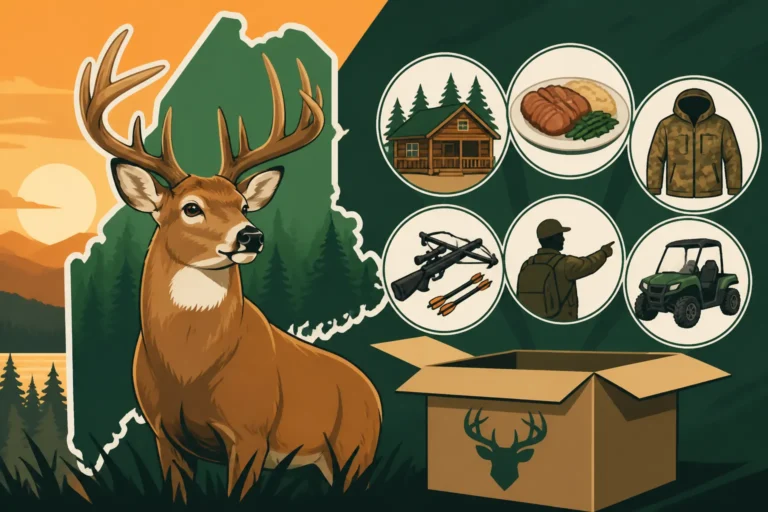
A reputable Aroostook deer hunting package usually covers much more than just the guide's time. You can often expect the following:
- Guiding Services: This is the core, providing expert guidance, local knowledge of deer habits and habitat, tracking, and retrieval assistance. For a fully guided experience, this means a guide dedicated to your party (often 1-2 hunters per guide).
- Lodging: Many outfitters operate out of comfortable, rustic sporting camps or cabins, providing a cozy base camp after a long day in the woods. These can range from primitive wilderness cabins to more modern lodges with amenities.
- Meals: For an all-inclusive package, home-cooked meals are often a highlight, with hearty breakfasts, packed lunches for the field, and delicious dinners shared with fellow hunters.
- Transportation: Getting to and from the hunting grounds, often deep into logging roads or private timberland, is a major component. Guides typically use their own 4×4 vehicles or ATVs for this.
- Game Care: This includes assistance with field dressing your deer, hauling it back to camp, and often hanging it in a cooler or shed. Some outfitters might offer basic butchering or have arrangements with local processors. Field Dressing a Deer in Cold Weather is a skill your guide will possess.
- Pre-Hunt Scouting: Good guides will have extensively scouted their areas before your arrival, placing trail cameras, identifying fresh sign, and knowing current deer patterns.
However, it's crucial to confirm specifics. Always ask exactly what is and isn't included in the package price. Some might include airport transfers, others might not. Some might have a local taxidermist on call, while others expect you to arrange your own. Knowing these details upfront prevents surprises. It's also important to remember that licenses and permits are almost always extra and are your responsibility to purchase before the hunt. This includes Maine Hunting Licenses and What They Cost and potentially an antlerless permit.
Common Hunting Methods Employed by Guides
Aroostook County's diverse landscape lends itself to various hunting tactics, and a good guide will adapt their approach to the terrain, weather, and your physical capabilities.
- Still-Hunting/Stalking: This is a classic big woods method, involving slow, deliberate movement through the forest, constantly scanning for deer. Your guide will lead you through prime habitat, teaching you to move quietly and observe effectively. This is particularly effective in dense cover or after a fresh snow. Guides are experts at Still-Hunting Aroostook County Farmland edges or thick timber.
- Stand Hunting (Tree Stands/Ground Blinds): Often used near known feeding areas (like apple orchards or field edges), pinch points, or bedding cover. Your guide might have pre-set stands or help you set one up. Ground blinds can be excellent for staying concealed in areas without suitable trees or for hunters with mobility issues. A guide can help with Using a Ground Blind on Posted-Free Land effectively.
- Tracking in Snow: If an early snowfall occurs, tracking becomes a primary method. A skilled guide can read a deer track like a book, determining the size of the deer, how fresh the track is, and its direction of travel. Tracking a Deer in Fresh Maine Snow is an art form in itself, and a guide's expertise here is invaluable.
- Drives (Limited): While less common for typical guided hunts, some guides might employ small, controlled drives in specific situations, especially if they have multiple clients or a larger group, to push deer from dense cover towards waiting hunters. This is more of a group tactic, like Deer Drives With Three or Four Hunters.
The method chosen will depend heavily on the specific time of year within Maine Firearms Season Dates, the weather, and the particular property you're hunting. Discussing these methods with your potential guide beforehand can help you understand their philosophy and ensure it aligns with your preferred hunting style.
Beyond the Hunt: Lodging, Meals, and Camp Life
The hunting itself is only one part of the Aroostook experience; the camp life is often just as memorable. Imagine returning to a warm cabin after a long day in the cold woods, the scent of a hearty meal already wafting through the air. These moments of camaraderie, sharing stories and laughs with your guide and fellow hunters, are what truly define a guided hunt in Maine. Many outfitters strive to create a welcoming, family-like atmosphere.
Meals are typically home-cooked and plentiful, designed to fuel a hunter through long, active days. From breakfast staples to a packed sandwich and snacks for lunch, to a full dinner featuring anything from wild game to pot roasts, you won't go hungry. Lodging, as mentioned, can vary. Some camps are rustic but clean, with shared bunk rooms and outhouses, embracing the traditional sporting camp feel. Others might offer private rooms with more modern amenities. If these details are important to you, make sure to ask about them when you're vetting potential outfitters. The blend of challenging hunting and comfortable, communal camp life is a hallmark of the guided Aroostook deer hunt.
Finding and Vetting Your Ideal Aroostook Deer Guide
Choosing the right guide is paramount to the success and enjoyment of your Aroostook deer hunt. This isn't a decision to rush; a good guide is more than just someone who knows the woods – they're a mentor, a host, and a trusted companion for your adventure.
Researching Reputable Outfitters and Guides
The first step is thorough research. Start by looking for outfitters specifically advertising guided deer hunts in Aroostook County. Online search platforms are invaluable here. Sites like BookYourHunt.com or GoHunt.com are excellent resources, as they often list multiple outfitters, provide customer reviews, and give you a good overview of available packages and regions. These platforms can help you compare different operations side-by-side, seeing their offerings, prices, and what past clients have said. It's often helpful to look for outfitters who are long-established in the region, as they typically have deep ties to the community and extensive knowledge of the local landscape.
Don't stop at online listings. Seek out reviews and testimonials on independent hunting forums, social media groups focused on Maine hunting, and even direct references from past clients. A reputable guide will be happy to provide references. Pay attention not just to success rates (which can be misleading without context), but to comments about professionalism, communication, quality of lodging, and overall experience. Remember, even if you don't harvest a deer, a positive experience with a great guide is priceless. Look for guides who emphasize safety, ethical hunting, and a genuine passion for the outdoors.
Key Questions to Ask Before Booking
Once you've narrowed down a few potential guides, it's time to have a direct conversation. This is your chance to get a feel for their personality and ensure they're a good fit for your expectations. Here are some critical questions to ask:
- Experience & Licensing: "How long have you been guiding deer hunts in Aroostook? Are you a Registered Maine Guide, and can I see your license?" (This is non-negotiable for legal guiding in Maine).
- Hunting Area: "What specific areas within Aroostook do you primarily hunt? Is it private land, public land, or a mix? Do you have exclusive access?" Understanding Maine's Private Land Access Tradition is important.
- Success Rates: "What's your typical success rate for deer, and how do you define success (e.g., opportunities vs. harvest)? What's the average size of deer harvested?" Be realistic; big woods deer are challenging.
- Group Size & Guide-to-Hunter Ratio: "How many hunters are in a typical group? What's your guide-to-hunter ratio?" (Often 1:1 or 1:2 is ideal for a personalized experience).
- Physical Demands: "What's the typical terrain like? What level of physical fitness is required for this hunt?"
- Gear & Weapons: "What gear do I need to bring? Are there specific weapon requirements or restrictions?" (Maine has specific Maine Legal Firearms for Deer Hunting).
- Contingencies: "What happens if the weather is really bad? What's your policy if I get injured?"
- References: "Can you provide references from hunters you've guided in the last year or two?"
Don't be afraid to ask specific, detailed questions. A professional guide will appreciate your thoroughness and be transparent in their answers. This conversation is as much about you vetting them as it is about them understanding your needs and expectations.
Understanding Contracts, Deposits, and Cancellation Policies
Before you put down any money, always ensure you have a clear, written agreement. This contract should detail everything included in your hunt package, the exact dates, the total cost, payment schedules (deposit and final balance), and crucially, the cancellation and refund policy. Deposits are standard practice and often non-refundable, as outfitters rely on these bookings for their seasonal income. However, understanding under what circumstances a deposit might be transferable or partially refundable (e.g., medical emergency, military deployment) is important.
Pay close attention to policies regarding weather cancellations or other unforeseen circumstances. While a guide will do their best to get you on deer, they cannot control Mother Nature. A fair policy might offer rescheduling options or a credit for a future hunt, rather than a full refund. Also, clarify any hidden fees, such as trophy fees (though rare for deer), meat processing costs, or taxidermy. Transparent communication on these financial and logistical details will prevent any unpleasant surprises down the road and ensure a smooth booking process.
Navigating the Costs and Logistics of Your Guided Adventure
A guided Aroostook deer hunt is an investment, both in terms of money and time. Understanding the financial breakdown and logistical requirements will help you plan your trip effectively and avoid unexpected expenses.
Breaking Down the Price Tag of a Guided Hunt
The cost of a guided Aroostook deer hunt can vary widely depending on the duration of the hunt, the inclusions of the package (fully vs. semi-guided, lodging, meals), the guide's reputation, and the time of year. Generally, you can expect to pay for a multi-day (3-7 day) guided deer hunt. For a general idea, consider researching What a Guided Maine Deer Hunt Costs to get an average.
Typical Cost Factors to Consider:
- Guide Fees: The primary cost, covering the guide's expertise, time, and expenses.
- Lodging & Meals: If included, these can significantly add to the value and convenience.
- Transportation: Costs associated with getting to/from hunting areas.
- Licenses & Permits: These are almost always separate. A resident or nonresident hunting license, plus potentially an antlerless deer permit, are required. Check Maine Resident License Options and Maine Nonresident License Options for current costs.
- Travel to Maine: Your airfare or fuel costs to get to Aroostook County.
- Gear: Costs for specialized hunting clothing, boots, and personal equipment.
- Gratuities: It's customary to tip your guide for good service.
- Meat Processing/Taxidermy: If you harvest a deer, factor in costs for professional processing and any taxidermy work.
A useful table comparing different types of Aroostook deer hunting experiences might look something like this:
| Feature | Self-Guided (DIY) | Semi-Guided Aroostook Hunt | Fully Guided Aroostook Hunt |
|---|---|---|---|
| Local Knowledge | Minimal (relies on self-scouting/maps) | Provided for specific areas/strategies | Extensive (guide leads all aspects) |
| Logistics | All your responsibility (lodging, food, transport) | Lodging often provided; some self-reliance | Mostly handled by outfitter (lodging, food, transport in area) |
| Finding Game | Highly dependent on your scouting & skill | Directed to promising areas; hunt independently | Guide actively leads you to game |
| Game Recovery | Entirely your responsibility | Guide provides assistance | Guide handles tracking, field dressing, retrieval |
| Cost | Lowest upfront (gear, license, travel) | Mid-range | Highest upfront (most inclusive) |
| Ideal For | Highly experienced, budget-conscious, patient hunters | Experienced hunters wanting a local edge | First-timers, time-constrained, maximum support/odds |
Always budget for a little extra than the quoted price. Unexpected needs, a celebratory meal, or souvenirs can add up.
Essential Gear and Licensing Requirements
Maine has specific requirements for hunters, and ensuring you're legally prepared is crucial.
- Hunting License: You'll need a valid Maine hunting license. Non-residents will pay more, and you'll typically need to have completed an approved hunter education course, unless you've held a license in Maine or another state previously. Information on Maine Hunter Education Requirements is readily available.
- Deer Permit: Depending on the WMD (Wildlife Management District) you hunt, you might need an antlerless deer permit (often called an "Any-Deer Permit") if you wish to harvest a doe or fawn. Otherwise, you'll be restricted to bucks with at least one antler three inches or longer.
- Blaze Orange: Maine law requires hunters to wear specific amounts of blaze orange during firearms season. Your guide will confirm the exact requirements, but generally, a blaze orange hat and vest or jacket are mandatory.
- Weaponry: Ensure your firearm (or bow/crossbow during appropriate seasons) meets Maine's legal specifications for deer hunting.
- Cold Weather Gear: Aroostook can be bitterly cold. Layering is key. Quality insulated, waterproof boots, warm gloves or mittens, a heavy winter hat, thermal base layers, and a waterproof/windproof outer shell are non-negotiable. Don't forget hand and foot warmers.
- Navigation: While your guide will lead, having your own GPS or a mapping app like onX loaded with the area as a backup is always wise.
- Personal Items: Binoculars, a headlamp, a good knife, a small first-aid kit, and enough food and water for the day are essential.
Your guide will provide a detailed packing list, but be prepared for cold, wet, and rugged conditions. Invest in good quality gear; it makes all the difference in comfort and safety.
Travel Considerations for Aroostook County
Getting to Aroostook County itself is a logistical consideration. It's northern Maine, meaning it's a drive.
- Driving: Most hunters drive to Aroostook. Interstate 95 is the main artery, taking you north. From Bangor, it's typically another 2-4 hour drive, depending on your final destination within The County. Be prepared for long stretches of road with limited services, especially as you get further north. Ensure your vehicle is in good working order, especially for winter driving conditions if hunting later in the season.
- Air Travel: For those flying in, Bangor International Airport (BGR) is the most common hub. From there, you'd likely rent a car or arrange for a shuttle service with your outfitter if they offer it. Some smaller regional airports exist in Aroostook (e.g., Presque Isle), but flight options are limited.
- Road Conditions: Especially during late firearms season or muzzleloader, snow and ice can be significant factors. Drive defensively and be aware of logging truck traffic on major roads and particularly on the network of private logging roads your guide might use. These roads are active industrial zones.
Communicate your travel plans with your guide well in advance. They can offer advice on the best routes, potential road hazards, and ensure someone is there to meet you or direct you to camp upon arrival. Planning ahead for your journey to Aroostook will make for a much smoother start to your hunting adventure.
Preparing for Success: Before You Arrive in Aroostook
The hunt begins long before you set foot in Aroostook County. Proper preparation, both physically and mentally, can significantly impact your enjoyment and success. Your guide will do their part, but your readiness is ultimately up to you.
Physical and Marksmanship Preparation
Aroostook County hunting, especially in the big woods, is physically demanding. You could be walking miles each day through uneven terrain, climbing over blowdowns, and pushing through dense regenerating timber. If you're fortunate enough to harvest a deer, the work of field dressing and dragging it out can be strenuous, particularly if you're deep in the woods.
- Cardio and Strength Training: Start a fitness regimen weeks or months before your hunt. Focus on cardiovascular endurance (walking, jogging, hiking) and strength training, especially for your legs and back. Incorporate exercises that mimic hunting movements, like climbing hills with a backpack or carrying weight. Don't underestimate the energy required for Dragging a Deer Out of a Cedar Swamp or up a steep incline.
- Footwear Break-In: Invest in good quality, waterproof hunting boots and wear them extensively before your trip. Blisters can ruin a hunt faster than anything.
- Marksmanship Practice: Practice shooting your hunting rifle from various positions you might encounter in the field – offhand, kneeling, sitting, or resting against a tree. Don't just practice at the bench. Simulate cold weather conditions if possible, and ensure you're comfortable and confident with your weapon. Knowing your effective range in hunting scenarios, not just on the range, is vital.
Being physically fit will not only make the hunt more enjoyable but will also increase your stamina and mental focus when it matters most. Your guide will appreciate a client who can keep up and contribute to the effort.
Mental Preparation for a Big Woods Hunt
Hunting big woods deer in Aroostook is as much a mental game as it is physical. These aren't high-fence hunts; success is earned through patience, perseverance, and often, long hours of quiet waiting or slow stalking.
- Patience is Key: Deer density in the big woods is lower than in agricultural areas. You might go hours without seeing a deer, or even a full day. Be prepared for this. Trust your guide, stay focused, and remain optimistic. Still-Hunting Western Maine Mountain Slopes requires immense patience.
- Embrace the Environment: The beauty of Aroostook lies in its wildness. Be prepared for cold, wind, and potentially snow. A positive attitude, even when uncomfortable, makes a huge difference. Focus on the experience – the sounds of the forest, the crisp air, the solitude – not just the outcome.
- Flexibility: Hunting plans can change rapidly due to weather or deer movement. Your guide will adapt, and you should be prepared to do the same. If they suggest a different area or tactic, trust their judgment.
- Manage Expectations: While a guide significantly increases your chances, a harvested deer is never guaranteed. Go into the hunt with the expectation of a great outdoor experience, and view a successful harvest as the bonus it is. This mindset will prevent disappointment and allow you to appreciate the journey fully.
A guided hunt is an opportunity to learn from an expert, to immerse yourself in a truly wild environment, and to create lasting memories. Preparing yourself mentally for the challenges and rewards will ensure you get the most out of your Aroostook adventure.
Communicating Expectations with Your Guide
Open and honest communication with your guide, both before and during the hunt, is absolutely crucial for a successful trip. Don't assume anything, and don't be afraid to voice your preferences or concerns.
- Before the Hunt: Reconfirm your arrival details, discuss your physical capabilities, and reiterate your hunting goals. Are you looking for any deer, or specifically a mature buck? Are you comfortable with long stalks, or do you prefer stand hunting? Do you have any dietary restrictions? The more information your guide has, the better they can tailor the experience to you.
- During the Hunt: If you're feeling tired, cold, or need a break, tell your guide. If you have a question about a track, a piece of sign, or a tactic, ask. Your guide is there to help and wants you to have a good experience. Similarly, listen intently to their instructions and advice. They know the terrain and the deer better than anyone. They can teach you a lot about Reading Maine Mud for Fresh Deer Movement or Finding Sign in Big North Woods Timber.
- Feedback: After the hunt, provide constructive feedback. It helps your guide improve and ensures future hunters have great experiences.
A strong guide-hunter relationship built on clear communication and mutual respect will undoubtedly lead to a more enjoyable and potentially more successful Aroostook deer hunt.
Disclaimer
This article is for general informational purposes only and does not constitute professional advice. Laws, prices and regulations vary by location and change over time. Consult a qualified professional for guidance on your specific situation.