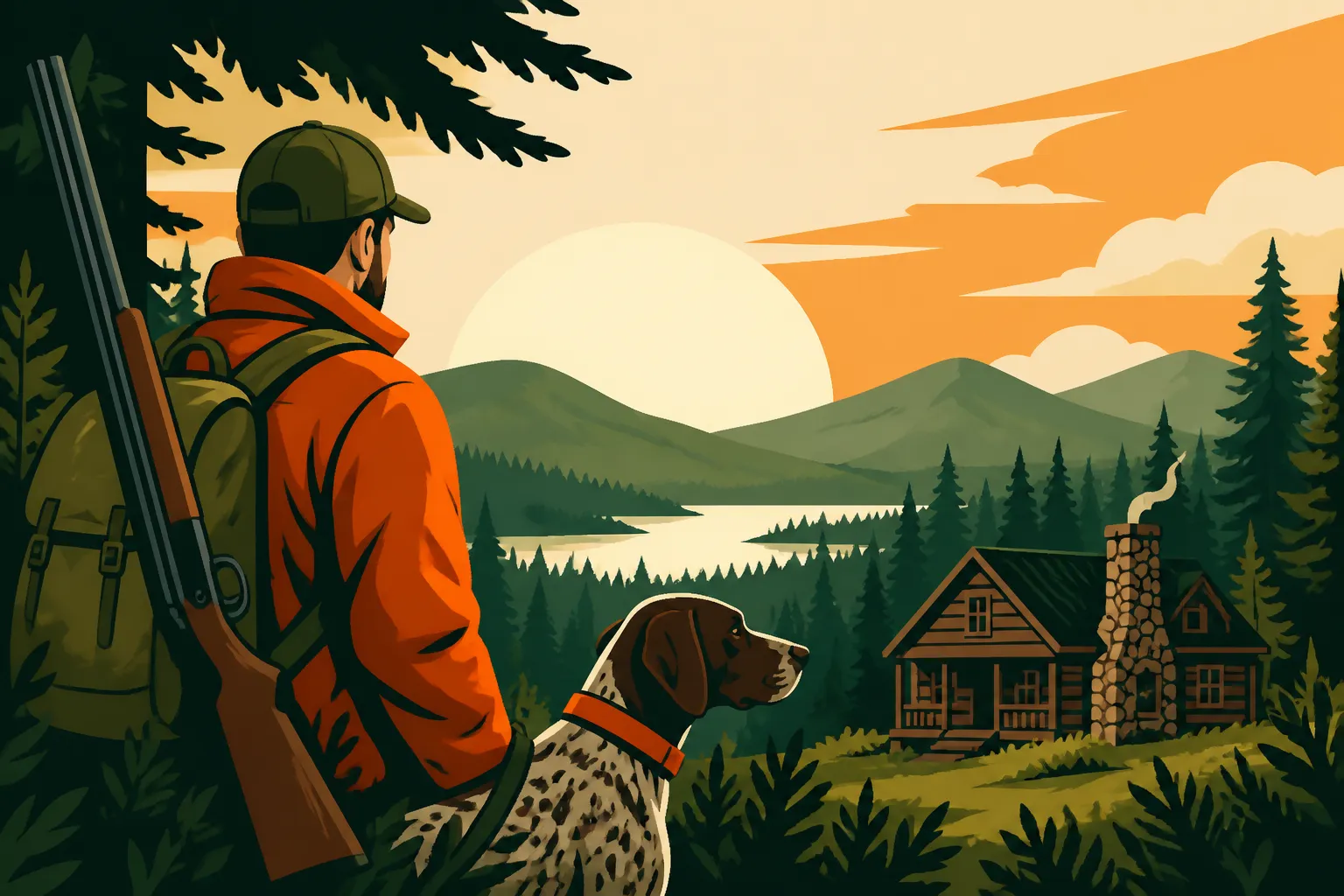
Historic North Woods Sporting Camps
There’s a certain magic that washes over you when you drive deep into the Maine woods, the pavement turning to gravel, and the cell service fading like a forgotten dream. In an era where so much of our lives are digitally tethered and urbanized, the thought of truly disconnecting and immersing oneself in the raw beauty of nature feels like a radical act. This guide is for those who yearn for that authentic connection, for the hunter or outdoors enthusiast who dreams of stepping back in time to experience Maine's historic sporting camps – places where tradition isn't just a word, but a way of life, and where stories are still told around a crackling fire, not through a screen.
What Defines a Historic North Woods Sporting Camp?
When we talk about "historic North Woods sporting camps" in Maine, we're not just describing any old lodge or cabin rental. We're referring to a very specific kind of establishment, deeply rooted in the state's outdoor heritage, often passed down through generations. These aren't your five-star resorts; they are places imbued with character, tradition, and a profound respect for the wilderness that surrounds them.
More Than Just a Place to Sleep
A true sporting camp is fundamentally different from a modern hotel or even a fancy cabin. It's a collection of rustic cabins, usually centered around a main lodge where meals are shared and stories are exchanged. These camps were originally built to serve lumbermen, trappers, and early sportsmen who ventured into Maine's vast wilderness, providing essential shelter and sustenance in remote areas. The focus was, and largely still is, on providing comfortable, clean accommodations in an unparalleled natural setting, rather than luxurious amenities. Think sturdy wooden cabins, perhaps a wood stove or a propane heater, running water (though sometimes cold-only in the cabins, with a central wash house for hot showers), and electricity that might be generated on-site for specific hours. It’s about being truly in the woods, not just next to them. Many of these camps are nestled along pristine lakes, rivers, or in the heart of vast timberlands, offering immediate access to incredible hunting, fishing, and outdoor recreation.
A Legacy of Guides and Generations
The heart and soul of many historic Maine sporting camps lie in their lineage of Registered Maine Guides and the families who have operated them for decades, often over a century. These are folks who know the land like the back of their hand, whose grandfathers and great-grandfathers guided sportsmen through these very same woods. They understand the patterns of the deer, the calls of the moose, where the woodcock frequent, and the best fishing holes in every season. This generational knowledge is what truly sets these camps apart. When you arrive, you're not just a paying guest; you're often welcomed into a tradition. The guides share their wisdom, not just about hunting techniques, but about the history of the area, the ecology, and the respectful way to interact with the Maine wilderness. It's a deep dive into local culture and expertise that a quick online search simply can't replicate. Many of these guides are proud members of the Maine Professional Guides Association, ensuring a certain standard of professionalism and deep local knowledge.
Unique Architectures and Remote Settings
These camps are typically found in genuinely remote locations, often at the end of long, unpaved roads, or even requiring boat or float plane access. This remoteness is part of their allure, but also a practical consideration. It means you'll be far from convenience stores, bustling towns, and often, reliable cell service. The architecture itself often reflects this history – hand-hewn logs, clapboard siding, stone fireplaces, and simple, sturdy construction designed to withstand harsh Maine winters and blend into the natural environment. Each camp has its own distinct character, shaped by its specific location and the families who built and maintained it. Whether it's a collection of cabins around a central lodge, or a single large structure with multiple guest rooms, the emphasis is on utility, warmth, and providing a communal space for hunters and anglers to share their experiences. This unique blend of practical design and untouched surroundings offers a palpable sense of stepping back into a simpler time.
The Enduring Appeal of Sporting Camps
There's a reason why, despite all the modern conveniences available today, people still flock to Maine's historic sporting camps year after year. It's not just about bagging a trophy or catching a limit; it's about the entire experience, an escape from the relentless pace of contemporary life, and a return to something fundamental and deeply satisfying.
Disconnecting to Reconnect
Perhaps one of the most powerful draws of a North Woods sporting camp is the forced (or welcomed) disconnection from the digital world. Many camps intentionally lack Wi-Fi, and cell service is often nonexistent or spotty at best. This can be jarring at first for those accustomed to constant connectivity, but it quickly becomes a profound relief. Without the incessant pings and demands of emails and social media, you suddenly have the mental space to truly be present. You find yourself paying closer attention to the rustle of leaves, the calls of birds, the subtle shifts in weather. Conversations become deeper, observations sharper. It's an opportunity to reconnect with nature, with your hunting partners, and perhaps most importantly, with yourself. This digital detox allows for a richer, more immersive outdoor experience, where the focus is entirely on the hunt, the fishing, and the simple pleasures of camp life. The quiet hum of the wilderness replaces the urban cacophony, and for many, that's an invaluable trade-off.
Community and Camaraderie
The communal aspect of sporting camps is another huge part of their charm. Meals are often served family-style in the main lodge, bringing together hunters and anglers from diverse backgrounds. Imagine sitting down to a hearty breakfast before dawn, or a delicious supper after a long day afield, sharing stories, strategies, and even frustrations with fellow guests and guides. There's an instant bond formed over shared experiences – the one that got away, the deer that almost stepped out, the perfect shot, or the unexpected beauty of a sunrise over a still lake. These interactions foster a sense of camaraderie that's hard to find elsewhere. You learn from others, swap tips, and perhaps even forge friendships that last long after the trip is over. It's this shared passion and collective spirit that transforms a simple hunting trip into a memorable social event, a true community where everyone is united by their love for the outdoors. This is especially true for families or groups of friends who book a camp, as it creates an intimate setting for bonding.
Access to Untouched Wilderness
One of the most practical and compelling reasons to stay at a historic sporting camp is the unparalleled access they provide to some of Maine's most pristine and productive hunting and fishing grounds. Many of these camps are situated deep within the North Maine Woods Gate System or adjacent to vast tracts of public and private timberland, offering thousands of acres of wilderness right outside your cabin door. This means less travel time to your hunting spot and more time actually hunting or fishing. For species like moose, bear, and grouse, being deep in their natural habitat is a huge advantage. These camps often hold long-standing relationships with surrounding landowners, securing special access or knowledge of prime areas that would be difficult for an unguided individual to navigate. Whether you're after a trophy whitetail, a feisty brook trout, or just seeking the solitude of the forest, these camps put you right in the middle of it all, far from crowded trailheads and over-pressured public lands. The guides at these camps are experts at Reading a North Woods Deer Yard or knowing Where Maine Bucks Bed in Big Timber.
Finding and Booking Your Authentic Maine Experience
The idea of staying at a historic sporting camp sounds idyllic, but actually finding the right one and navigating the booking process can feel a bit daunting. It’s not like booking a chain hotel online. It requires a bit more research and direct communication, but the effort is well worth the reward.
Researching the Right Camp for You
Maine has a rich tapestry of sporting camps, each with its own character, specialties, and level of rustic charm. Your first step is to consider what kind of experience you're truly seeking. Are you focused primarily on a specific hunt, like Moose Hunting Maine's North Woods or Bear Hunting Maine's Three Legal Methods? Or are you looking for a more general outdoor getaway with fishing, canoeing, and hiking? Some camps specialize in particular game species, while others are more general-purpose.
Think about:
- Location: Do you want deep North Woods isolation, or something a bit closer to a paved road? Proximity to major towns might mean easier access but less solitude.
- Target Species: Some camps are renowned for their deer hunting, others for their brook trout fishing, and many cater to bear or moose hunters.
- Level of Rusticness: Some camps have modern amenities like private baths in every cabin, while others are truly rustic, requiring walks to a central bathhouse. Be honest about your comfort level.
- Guided vs. Unguided: Do you plan to hire a guide, or prefer a self-guided trip? Most camps offer both, but some are primarily guided operations. For a truly immersive experience, especially if it's your first time in a new area, considering Hiring a Registered Maine Guide can make all the difference.
Websites like BookYourHunt and GoHunt can be excellent resources for discovering different camps, reading reviews, and getting a sense of what's available across the state. They often feature profiles of various outfitters and sporting camps, detailing their offerings and specializations. However, once you've narrowed down your choices, don't hesitate to reach out directly to the camp via phone or email for the most up-to-date and personalized information.
Booking Process and Considerations
Once you've found a few camps that pique your interest, the booking process usually involves direct communication with the camp owner or manager. This personal touch is a hallmark of the sporting camp experience. Be prepared to discuss your specific needs, preferred dates, group size, and any special requests.
Key considerations during booking:
- Deposits and Payments: Most camps require a non-refundable deposit to secure your dates, with the balance due upon arrival or a specified time before your trip. Always clarify their cancellation policy, especially if you're traveling a long distance or booking for a large group.
- Included vs. Excluded: Understand exactly what your package includes. Does it cover meals? Guided services? Boat rentals? Fishing licenses? Many camps offer package deals that bundle lodging, meals, and guiding services, but it's crucial to know the specifics. For instance, sometimes a package might cover the guide fee but not your actual Maine Bear License Cost or Maine Moose Permit Cost for Residents.
- Permit and License Advice: While camps won't buy your licenses for you, they are often excellent resources for understanding Maine's hunting regulations, permit application deadlines (like for Applying for a Maine Moose Permit), and draw odds. They can offer invaluable advice on specific WMDs (Wildlife Management Districts) or seasons.
- Availability: Popular camps, especially during peak hunting seasons for moose or the deer rut, can book up a year or more in advance. Plan accordingly, particularly if you have specific dates in mind.
- References: Don't hesitate to ask for references from past guests. A reputable camp will be happy to provide them, giving you a chance to hear firsthand accounts of the experience.
Understanding Package Deals
Many historic sporting camps offer comprehensive package deals designed to make your trip as seamless as possible. These packages typically bundle lodging, meals, and often guided services, providing a clear cost structure and convenience.
Here’s a general idea of what to expect, though every camp's offerings will vary:
| Feature | Standard Inclusion (Often) | Potential Exclusion (Check Carefully) |
|---|---|---|
| Lodging | Rustic cabin or lodge room | Private bath (might be shared bathhouse) |
| Meals | Hearty breakfast, packed lunch, full dinner (family-style) | Alcoholic beverages, snacks (unless specified) |
| Guiding | Daily guided hunt/fishing (for guided packages) | Tags/permits, processing of game, taxidermy |
| Equipment | Basic camp equipment (canoes, perhaps fishing boats) | Personal gear, firearms, fishing tackle, ammo |
| Licenses/Permits | Advice on purchase, but not included in cost | Actual cost of Maine Hunting Licenses and What They Cost |
| Transportation | On-site transportation to hunting areas | Travel to/from the camp itself |
These packages are often the best value, as they streamline your expenses and ensure you have all the essentials covered. Always ask for a detailed breakdown of what's included in the specific What a Sporting Camp Package Includes you're considering, and what additional costs you might incur. This clarity upfront will prevent any unwelcome surprises during your stay.
What to Expect at a Traditional Sporting Camp
Stepping into a historic North Woods sporting camp is an experience in itself. It’s a blend of comfortable rusticity, genuine hospitality, and an immersion into a unique way of life. Knowing what to anticipate will help you fully appreciate the charm and character of these establishments.
Rustic Comforts and Essential Amenities
Forget marble bathrooms and high-thread-count sheets. At a traditional sporting camp, the focus is on practical, robust comforts designed to make your stay pleasant after a long day in the elements. Your cabin will likely be warm, dry, and clean, often with comfortable beds, a small table, and a wood stove or propane heater. You might have electricity for lights, though outlets for charging devices could be limited, encouraging that welcomed digital detox. Water for washing might be cold in your cabin, with a central wash house providing hot showers and flush toilets – a small trade-off for the remote location.
These aren’t places of deprivation, but rather places of purposeful simplicity. The "amenities" often include things like a well-stocked woodpile, lanterns for evening walks, and comfortable chairs on a porch for enjoying the quiet. What you gain in natural beauty and solitude, you might exchange for some of the creature comforts of modern urban living. It's about settling into a rhythm that's dictated by the rising and setting sun, the call of wildlife, and the warmth of a crackling fire. This is where you appreciate a sturdy roof over your head and a warm meal after a day of chasing White-Tailed Deer Across Maine or Ruffed Grouse in Maine.
The Heart of the Camp: Food and Fellowship
The main lodge is almost always the social hub of a sporting camp, and mealtimes are a cornerstone of the experience. Picture this: you wake up before dawn, head to the lodge for a steaming cup of coffee, and then sit down to a breakfast that could fuel a lumberjack. Think pancakes, bacon, eggs, home fries – all served hot and plentiful. Lunch often means a hearty sandwich, perhaps some homemade cookies, and a thermos of coffee or soup packed for you to take into the field. Dinner, after a long day of hunting or fishing, is a true highlight. Expect home-cooked, delicious meals, often featuring traditional Maine fare like pot roasts, fresh fish, or comforting stews, accompanied by fresh-baked bread and desserts.
These meals are usually served family-style, at large tables where guests, guides, and sometimes the camp owners share not just food, but stories, laughter, and the day's adventures. It’s during these times that the camaraderie truly shines, building a strong sense of community that is unique to these historic places. The lodge often has a cozy common area with a fireplace, comfortable seating, and perhaps a small library of outdoor books, providing a perfect spot to relax, share tales, or plan the next day’s hunt.
Guided Versus Unguided Experiences
Most Maine sporting camps offer both guided and unguided options, allowing you to tailor your trip to your preferences and experience level.
- Guided Hunts: For many, especially those new to Maine or pursuing species like moose or bear, a guided hunt is invaluable. What a Registered Maine Guide License Requires is quite rigorous, and these professionals know the territory, game behavior, and regulations inside and out. A guide can significantly increase your chances of success, help with tracking, field dressing, and recovery, and most importantly, ensure a safe and ethical hunt. For instance, if you're Booking a Guided Maine Moose Hunt, your guide will have extensive knowledge of the specific zone you're hunting, and for Booking a Guided Maine Bear Hunt, they'll know the bait sites or hound running areas like the back of their hand.
- Unguided Hunts: If you're an experienced hunter familiar with the Maine woods or prefer the challenge of scouting and hunting on your own, many camps provide excellent base camps for unguided trips. They offer comfortable lodging and meals, and you can leverage their proximity to vast tracts of wilderness. While you won't have a guide by your side, the camp owners are often happy to provide general advice on local conditions, access points, and recent game activity. They can point you towards promising areas for Upland Bird and Small Game Hunting in Maine or suggest good starting points for still-hunting deer. Some hunters opt for a "semi-guided" experience, where they receive detailed maps, advice, and perhaps transportation to a drop-off point, but do the actual hunting on their own. The choice depends on your skill, budget, and desired level of independence.
Beyond the Hunt: Activities and Atmosphere
While hunting and fishing are often the primary draws, historic North Woods sporting camps offer a much broader spectrum of experiences. The atmosphere is one of relaxation, adventure, and connection with the natural world, regardless of whether you're carrying a rifle or a fishing rod.
Fishing, Canoeing, and Nature Exploration
Maine's sporting camps are often nestled beside crystal-clear lakes, pristine rivers, or winding streams teeming with fish. Beyond hunting, these camps are angler paradises, offering incredible opportunities for trout, salmon, and bass fishing. Many camps provide canoes, kayaks, or small boats for guests to use, allowing for tranquil paddles across still waters at dawn or dusk, or explorations of hidden coves and inlets. Imagine casting a line from a canoe, the only sound the dip of your paddle and the occasional splash of a rising fish.
For those who simply want to immerse themselves in nature, the surrounding wilderness offers endless possibilities for hiking, bird watching, and wildlife viewing. Miles of old logging roads and trails crisscross the landscape, perfect for exploring on foot. You might spot a moose grazing in a bog, observe a family of loons on a lake, or catch a glimpse of a soaring eagle. The sheer biodiversity of the Maine woods is a constant source of wonder, and the camps serve as perfect launching pads for these adventures. The beauty of places like the Allagash Wilderness Waterway Corridor is often just a stone's throw away.
Evening Storytelling and Local Culture
As the sun sets over the distant ridges, casting long shadows across the lake, the evenings at a sporting camp truly come alive. After a hearty dinner, the main lodge transforms into a haven for storytelling, camaraderie, and genuine human connection. Hunters and guides gather around the fireplace, swapping tales of the day’s adventures – the near misses, the perfect shots, the unexpected encounters with wildlife. These aren't just hunting stories; they're woven with local history, humor, and sometimes, a touch of Maine folklore.
This is where you soak in the rich local culture, learning about the region's logging heritage, the lives of the guides, and the traditions that have sustained these camps for generations. It’s a chance to hear firsthand accounts of the challenges and rewards of living and working in the North Woods. These moments, shared with newfound friends and seasoned woodsmen, often become the most cherished memories of a trip – the warmth of the fire, the aroma of wood smoke, and the sound of laughter echoing through the rustic lodge. It's a far cry from scrolling through social media, offering a much more tangible and heartfelt connection to people and place.
Seasonal Variations and Activities
The character and activities at a Maine sporting camp shift dramatically with the seasons, each offering its own unique allure.
- Spring (May-June): This is prime time for Spring Turkey Hunting in Maine and outstanding fishing. The woods burst with new life, wildflowers emerge, and migratory birds return. Black bear also emerge from dens, offering early spring bear hunting opportunities for those with permits.
- Summer (July-August): While main big game seasons are closed, summer is fantastic for family vacations, fishing trips, canoeing, hiking, and general outdoor exploration. The camps become tranquil havens for those seeking to escape the heat and bustle of urban areas. Bear baiting might begin in preparation for the fall season, and guides might be Baiting a Bear Site Before the September Close.
- Fall (September-November): This is the peak hunting season, when the woods explode in vibrant colors and the air turns crisp. Moose hunters arrive in September and October, followed by bear hunters through November, and then the general firearms deer season. Maine's Four-Week Firearms Deer Season brings a flurry of activity, and upland bird hunters chase grouse and woodcock.
- Winter (December-April): Many camps close for the deepest parts of winter, but some remain open for ice fishing, snowshoeing, cross-country skiing, or snowmobiling. The silent, snow-covered landscape offers a stark, beautiful contrast to the busy fall. Late-season deer hunting with muzzleloaders can extend into December in some WMDs.
Understanding these seasonal rhythms helps you choose the best time for your desired experience. No matter when you visit, the North Woods sporting camp offers a distinct and unforgettable atmosphere.
Preserving the Legacy: Challenges and Future
Maine's historic sporting camps represent a precious link to the past and an ongoing commitment to traditional outdoor pursuits. However, like all institutions rooted in history and nature, they face unique challenges in the modern era, requiring careful stewardship and adaptation to ensure their legacy endures.
Balancing Tradition with Modern Expectations
One of the ongoing balancing acts for these camps is maintaining their cherished traditions and rustic charm while subtly meeting some modern expectations. Today's travelers, even those seeking a wilderness experience, often appreciate amenities like reliable hot water, comfortable beds, and perhaps a way to charge essential electronics like GPS devices or cameras. The challenge is to integrate these conveniences without sacrificing the authentic, off-the-grid feel that defines a sporting camp. It’s about smart, sustainable upgrades that enhance comfort without detracting from character. For example, some camps have invested in solar power for more consistent electricity or improved water filtration systems, blending new technology with old-world charm. It's a fine line to walk, ensuring that the essence of the camp, the very reason people seek it out, remains intact even as the world around it evolves. The goal is to avoid becoming generic while still being welcoming.
Environmental Stewardship and Conservation
Operating deep within the Maine wilderness comes with a profound responsibility for environmental stewardship. Historic sporting camps often serve as silent guardians of the natural landscapes they inhabit. Their continued existence depends on the health of the surrounding ecosystems – the thriving populations of Moose in Maine's North Woods and Black Bears in Maine, the clean waters supporting native fish, and the vast forests that provide habitat for American Woodcock in Maine and Snowshoe Hare in Maine.
Many camps are actively involved in conservation efforts, promoting ethical hunting and fishing practices, participating in wildlife surveys, and educating guests on the importance of "leave no trace" principles. They understand that their livelihood is intrinsically linked to the health of the land. For instance, a camp might partner with local conservation groups to monitor water quality, or implement sustainable waste management practices that minimize their impact on the remote environment. The Registered Maine Guides associated with these camps are often the first line of defense, teaching guests proper woods etiquette and reinforcing the importance of preserving Maine’s natural resources for future generations. It’s a commitment to ensuring that the wildness that draws people in remains wild.
Ensuring Future Generations Can Enjoy
The long-term viability of historic sporting camps hinges on their ability to attract new generations of outdoor enthusiasts and hunters, ensuring that the unique traditions and skills of the North Woods are passed down. This involves sharing the stories, welcoming families, and demonstrating the value of disconnecting from technology to reconnect with nature.
Many camps are actively engaging in outreach, sometimes using platforms like BookYourHunt or GoHunt to reach a wider, younger audience who might not be familiar with traditional sporting camps. They're emphasizing not just the hunting or fishing, but the broader experience of wilderness living, the camaraderie, and the chance to create lasting memories away from the hustle and bustle. Programs that encourage Maine Mentored Youth Hunting Rules or family-focused outdoor activities are becoming increasingly important. By preserving their history, adapting thoughtfully to the future, and championing the conservation of Maine's wilderness, these cherished sporting camps will continue to be vital hubs for authentic outdoor adventures for generations to come. Their legacy is a testament to the enduring appeal of Maine's wild heart.
Disclaimer
This article is for general informational purposes only and does not constitute professional advice. Laws, prices and regulations vary by location and change over time. Consult a qualified professional for guidance on your specific situation.