Hunting Maine’s November Firearms Opener
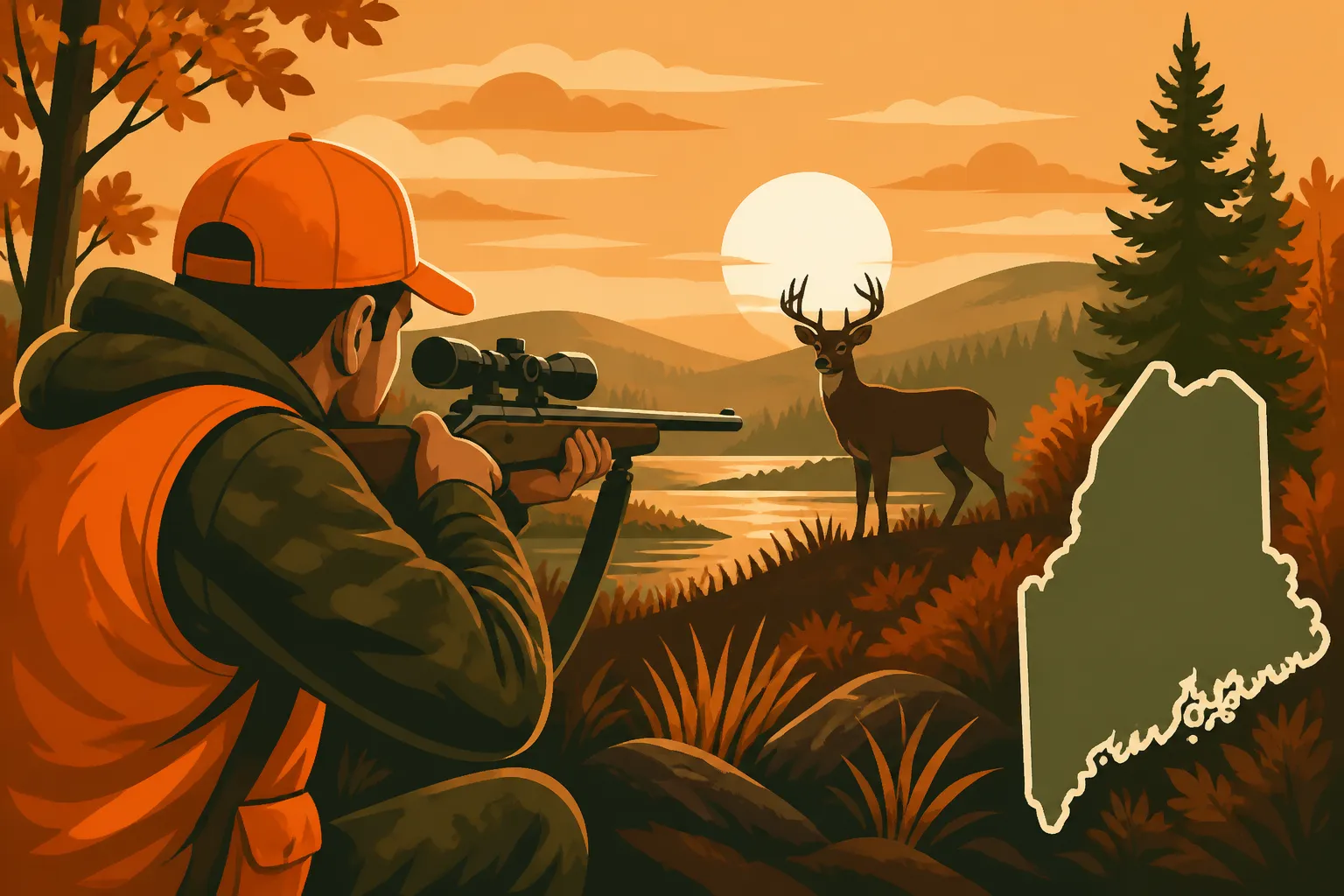
The first Monday of November in Maine isn't just another date on the calendar; for many, it's the culmination of months of anticipation, scouting, and dreaming. This day ushers in the official start of Maine's firearms deer season, a time when the woods truly come alive with hunters. However, this high energy also brings unique challenges, from navigating increased pressure to adapting to suddenly shifting deer patterns. This comprehensive guide is here to walk you through everything you need to know to successfully hunt Maine's November Firearms Opener, making sure you're prepared for the rush and ready to seize the opportunities this exciting day presents.
The Energy and Challenges of Opening Day
There's an undeniable buzz in the air on the firearms opener that's unlike any other hunting day in Maine. Whether you're a seasoned veteran or experiencing it for the first time, that crisp November morning, often with a hint of frost, holds a special kind of magic. But with that magic comes a significant shift in the woods, demanding different strategies and a keen understanding of both deer and fellow hunters.
The Rush and Anticipation
For many Maine hunters, the firearms opener is a cherished tradition, a day marked on calendars months in advance. The anticipation builds through the fall, fueled by scouting trips, trail camera photos, and stories shared around the wood stove. There's a tangible excitement in the air as hunters across the state head to their favorite spots, hoping to tag a buck. Camps are full, coffee pots are brewing before dawn, and the sound of distant shots echoes through the timber as legal shooting light arrives. It's a day of camaraderie for those hunting with friends and family, and a deeply personal quest for solitude for others. This collective energy is a huge part of what makes the opener special, but it also creates an environment that requires careful consideration.
The sheer volume of hunters entering the woods simultaneously means that deer, which might have been moving predictably for weeks, suddenly find their world turned upside down. This isn't just a handful of archers; this is thousands of people descending on their habitat. Their normal routines are disrupted, and their primary focus quickly shifts from feeding and breeding to survival and seeking refuge. Understanding this immediate, widespread impact on their behavior is the first step to developing an effective opening day strategy.
Navigating Increased Pressure
The biggest challenge on the firearms opener, hands down, is the immense hunter pressure. Deer that were comfortable moving in daylight suddenly become nocturnal or seek out the densest, nastiest cover they can find. If you hunt public land or areas with easy access, you can expect company. This pressure can be both a curse and a blessing. It's a curse because it pushes deer out of traditional feeding areas and makes them incredibly wary, reducing opportunities for a quiet, undisturbed hunt.
However, it can also be a blessing if you know how to use it to your advantage. Other hunters, whether they realize it or not, become unwitting "drives" that can push deer right past your stand. The key is to anticipate these movements. Think about where deer would go when pushed from a popular access point or a well-used logging road. They'll almost always seek the path of least resistance into thick cover, especially if it leads to a known bedding area or escape route. Using mapping tools like GoHunt can help you identify these key areas—deep cedar swamps, steep ravines, tight saddles between ridges, or islands of thick timber surrounded by more open woods. Positioning yourself on an escape route or a natural funnel that connects these high-pressure areas to safety can dramatically increase your odds.
Understanding Maine's Firearms Season Regulations
Before you even think about stepping into the woods, knowing the rules and regulations is paramount. Maine has specific laws that govern the firearms season, and being ignorant of them is no excuse. From specific dates to what you can legally carry, it's crucial to have a firm grasp on the legal landscape to ensure a safe and successful hunt.
Key Dates and Legalities for the Opener
Maine's firearms deer season has a unique staggered start. The first official Monday of November is traditionally the "Resident-Only Day," a special privilege for Maine residents to have the woods to themselves before non-residents can join the hunt. This means if you're a resident, you get a head start, often experiencing slightly less initial pressure than what builds up over the following days. Non-residents join the season on the Tuesday, adding to the hunter density. Knowing which day applies to you is critical.
Beyond the date, you need to understand what constitutes a legal firearm. Generally, rifles, shotguns, handguns, and muzzleloaders are allowed, but there are specific caliber and gauge restrictions, especially concerning minimum barrel lengths and magazine capacities. For instance, fully automatic firearms are strictly prohibited, as are those using .17 or .22 caliber rimfire ammunition for deer. It’s also important to be aware of Maine Firearms Discharge Setback Distance regulations, which dictate how far you must be from dwellings and other structures before discharging a firearm. Always consult the current Maine Department of Inland Fisheries & Wildlife (MDIFW) hunting law book for the most up-to-date and comprehensive list of legal weapons and restrictions, as these can change.
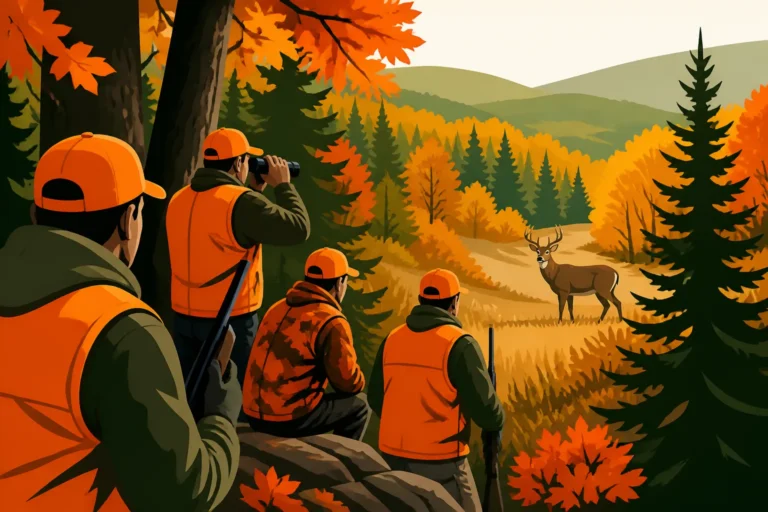
Furthermore, blaze orange is not just a suggestion; it's a legal requirement during Maine's firearms season. Hunters must wear a minimum of two articles of solid blaze orange clothing, one above the waist and one below, or a single blaze orange vest or jacket. A blaze orange hat is often worn in addition to these requirements. The point is visibility—you want to be seen by other hunters. Understanding How Much Blaze Orange Maine Requires is not just about legality, it's about safety for everyone in the woods.
Licensing and Permit Essentials
To hunt deer in Maine, every hunter, regardless of residency, must possess a valid Maine hunting license. For residents, there are several Maine Resident License Options, often combined with other privileges or as part of a lifetime license. Non-residents will need to purchase a Maine Nonresident License Options and may also need to show proof of hunter education if they haven't held a hunting license in another state or province within the last few years. It's important to complete these purchases and any necessary certifications well in advance of opening day, as the online portal or local vendors can get busy. You can buy your base license and any necessary permits either online through the MDIFW portal or at various agent locations throughout the state.
Beyond the general hunting license, Maine utilizes an antlerless deer permit system in specific Wildlife Management Districts (WMDs) to manage deer populations. While the firearms opener generally allows hunters to harvest antlered deer (bucks) statewide with just their base license, if you intend to harvest an antlerless deer (doe or fawn) in a WMD where a permit is required, you must have successfully drawn an antlerless permit. These permits are allocated through a lottery system earlier in the year. It's critical to know the specific regulations for your hunting WMD. Some WMDs may allow the harvest of antlerless deer without a permit, while others strictly require one. Understanding these nuances and how to apply for the Applying for a Maine Antlerless Permit is a key component of responsible hunting. Always double-check your WMD's specific rules in the current hunting law book.
Deer Behavior and Movement on Opening Day
Deer are creatures of habit, but the firearms opener is the ultimate disruption to their routine. The sudden influx of human activity drastically alters their movement patterns. To be successful, you need to anticipate how they'll react and adjust your strategy accordingly. It's not just about being in the woods; it's about being in the right place at the right time, understanding the chaos that unfolds.
Early Morning Movement Patterns
The first hour of legal shooting light on opening day is often the most chaotic and, potentially, the most productive. Deer that spent the night feeding, perhaps in fields or along forest edges, will be making their way back to dense bedding cover. This is their established routine. However, as the first wave of hunters moves into position, and especially once the first shots ring out, this routine can be thrown into disarray. Deer might accelerate their movement, seeking refuge faster and more directly than usual.
Instead of a leisurely stroll back to their beds, they'll be making a bee-line for the thickest, most impenetrable cover they know. Your best bet is to be in a stand well before first light, positioned on a known travel corridor between feeding areas and dense bedding cover. These could be old logging roads, natural funnels created by terrain, or even subtle trails through the woods. The deer moving during this initial rush are often responding to the sudden pressure, so being settled and ready before they get pushed by others is crucial. Consider how their natural movements will be amplified by the presence of hunters. If you're hunting during Hunting the Rut in Early November, you might also catch a buck still cruising for does before the pressure really ramps up.
Mid-Day Lulls and Secondary Movements
After the initial flurry of activity in the early morning, things often settle down. Many hunters head back to camp for breakfast or lunch, or simply give up on sitting once the woods go quiet. This "mid-day lull" can be deceptive. While the woods may seem empty, deer are almost certainly still moving, albeit much more cautiously, and often through the thickest cover available. They've reacted to the morning pressure by bedding down in deep security cover, but they're not necessarily staying put for the entire day.
Wise hunters recognize that deer will often make secondary movements during the middle of the day. These movements are typically shorter, more deliberate, and focused on repositioning within dense cover, perhaps to a slightly safer bedding area or to slip to a hidden water source. This is where still-hunting can shine. Moving incredibly slowly, pausing often, and scrutinizing every bit of cover can yield results. Or, if you're positioned on a primary escape route or a major travel corridor that connects two large blocks of security cover, deer pushed by other hunters still actively hunting or walking out might be funneled directly past you. Don't fall into the trap of thinking the woods are "dead" mid-day; they're just different. Patience and an understanding of where a pressured deer would go are key.
Evening Commotion and Feeding
As the afternoon wears on and legal shooting light begins to wane, deer often become active again. This is their opportunity to resume feeding and move more freely under the cloak of impending darkness. However, on opening day, this movement is still influenced by the day's pressure. Deer might be returning to feeding areas, but they'll do so with extreme caution, often sticking to heavy cover until the last possible moment.
Positioning yourself on the edge of a field, a clear-cut, or a standing apple orchard, or along a travel corridor leading to one of these spots, can be highly effective. The key is to anticipate how they'll approach. They won't just wander out into the open. They'll use every bit of available cover, such as fencerows, small woodlots, or brushy creek bottoms, to approach their evening meal. You might also encounter deer that have been bumped by late-day hunters making their way out of the woods. These deer might be moving quickly and erratically, so being alert and ready for a quick shot is essential. The evening hunt on opening day is about capitalizing on their need to feed, even under duress, and understanding that they will prioritize safety above all else.
Strategic Approaches for Success
Hunting Maine's firearms opener isn't just about showing up; it's about strategic thinking. The high pressure and altered deer behavior demand a thoughtful approach to stand placement, movement, and adaptation. Every decision, from where you park your truck to how you enter your stand, can impact your success.
Stand Placement for Pressure
When hunting on opening day, your stand placement is arguably the most critical factor. Forget the textbook spots you might use later in the season when pressure is lower. On the opener, you need to think like a pressured deer. Where would they go to escape the noise and activity? This usually means focusing on thick, nasty cover that other hunters are less willing to penetrate. Look for areas that offer both concealment and a perceived sense of security.
Prime locations include:
- Funnels and Pinch Points: These are natural constrictions in the landscape that force deer into a narrower travel path. This could be a small strip of woods between two clearings, a saddle between two ridges, or the high ground adjacent to an impassable swamp. Other hunters will push deer, and these funnels will concentrate that movement.
- Thick Cover Edges: Deer will often skirt the edges of cedar swamps, dense spruce thickets, or recent clear-cuts with heavy regeneration. They use the cover for security but travel along the edge to see or smell what's ahead.
- Escape Routes: Identify the paths deer would take when pushed from a popular feeding area or bedding spot. These routes often lead to even thicker, more remote cover. Position yourself to intercept deer as they try to make their escape.
- Access Points: Consider where other hunters will be entering the woods. If you can anticipate their movements and set up on a deer trail that leads away from that pressure, you're in a prime position. Using apps like GoHunt can help identify these potential ambush points by showing property lines and access roads.
It's not about finding the prettiest spot; it's about finding the hardest to reach or most logical escape spot.
Still-Hunting and Drives in High-Pressure Areas
While sitting in a stand can be highly effective, sometimes you need to get more aggressive, especially if the deer aren't moving on their own.
Still-Hunting: This technique involves moving through the woods incredibly slowly, pausing frequently, and using your binoculars more than your feet. On opening day, still-hunting through dense cover—think thick regeneration, pine plantations, or the edges of swamps—can be productive. The key is to move at a snail's pace, taking only a few steps at a time, then stopping for several minutes to scan for deer. This method works well when deer are bedded tight and are only going to react to subtle, slow movements. You're looking for an ear flick, a horizontal line in a vertical world, or a patch of hide. It's a challenging but rewarding method that leverages the deer's desire to remain hidden. To succeed, you need to understand Where Maine Bucks Bed in Big Timber or other thick cover.
Small Drives: For those hunting with a small group of three or four hunters, carefully planned Deer Drives With Three or Four Hunters can be an effective way to move deer out of thick cover on opening day. This isn't about running and yelling; it's about using one or two "drivers" to slowly push deer towards "standers" positioned on known escape routes or funnels. The drivers should move quietly and slowly, pausing often, giving deer time to get up and walk ahead naturally, rather than bolting. The standers need to be completely still and ready for a shot. This strategy requires clear communication, good knowledge of the terrain, and strict adherence to safety protocols, ensuring everyone knows where others are at all times.
Adapting to Weather and Terrain
Maine's November weather can be incredibly unpredictable. You might start the day with crisp, clear skies, only to have a snow squall roll in by afternoon, or a cold rain. Deer behavior is heavily influenced by weather, and successful hunters know how to adapt.
- Cold Fronts: Following a significant cold front, deer often move more, especially towards prime feeding areas as they try to load up on calories. If the opener coincides with a fresh cold snap, focus on food sources.
- Rain and Snow: Light rain or snow can actually be a boon for still-hunters, as it dampens sound, allowing for quieter movement. Deer also tend to move a bit more during light precipitation, knowing that heavy storms might keep them bedded down. Fresh snow is a tracker's dream, revealing exactly where deer have been and how recently. If you get fresh snow, it's an excellent time for Tracking a Deer in Fresh Maine Snow.
- High Winds: Strong winds make it difficult for deer to hear and smell approaching predators, so they often seek sheltered areas. Look for leeward slopes, deep valleys, or dense conifer stands that break the wind. High winds also make it harder for hunters to hear, so visual scanning becomes even more important.
Beyond weather, understanding the specific terrain you're hunting is crucial. In Western Maine, for instance, deer will use mountain slopes and notches. In Aroostook County, they might stick to potato country edges or woodlots. In Downeast coastal cover, thick spruce and balsam swamps are key. Each region has its unique characteristics, and successful hunters learn to read these nuances and adapt their strategies to the local landscape. Using a mapping tool like GoHunt can provide topographic data and satellite imagery to help identify these terrain features.
Scouting and Pre-Season Preparations
You wouldn't run a marathon without training, and you shouldn't tackle Maine's firearms opener without thorough preparation. The work you put in before the season begins can make all the difference, increasing your confidence and significantly boosting your odds of success on this high-pressure day.
Pre-Season Intel Gathering
Even though opening day pressure will undoubtedly change deer behavior, having a baseline understanding of deer activity in your hunting area is vital. This means getting out into the woods in the weeks and months leading up to November. You're looking for fresh sign: rubs, scrapes, tracks, and droppings. Identify common travel corridors, bedding areas, and feeding locations.
Tools like trail cameras are invaluable for understanding deer movement patterns, including what time of day they are most active. Pay attention to how deer are using specific features like logging roads, creek bottoms, or the edges of clear-cuts. Apps like Scouting With the Maine Hunting App or using onX Layers for Maine Land Status can help you identify property boundaries, access roads, and topographic features that influence deer movement. Similarly, Reading Aerial Photos for North Woods Deer can reveal hidden cover, old logging roads, and potential pinch points that are not obvious from the ground. While opening day pressure will inevitably shift these patterns, knowing the "normal" behavior gives you a much better starting point for anticipating where deer will move when disturbed. Your pre-season work helps you understand the playing field before the game even starts.
Checking Gear and Stand Access
The last thing you want on opening day is a gear malfunction or a rushed, noisy entry to your stand. Meticulous gear checks and planning your access routes are crucial steps in your pre-season preparations.
First, check your firearm. Ensure it's clean, properly sighted in, and functioning flawlessly. Practice shooting from various positions you might encounter in the woods, not just from a bench rest. Make sure your ammunition is appropriate and that you have enough for the hunt. For your clothing, think layers. Maine's early November mornings can be frigid, but the day can warm up considerably, especially if you're active. Have a system that allows you to add or shed layers as needed to stay comfortable and prevent sweating, which can lead to a dangerous chill.
Next, plan your stand access. On opening day, noise is your enemy. Deer will be on high alert, and any unnecessary sound can spook them before you even get settled. Walk your entry route in daylight beforehand. Identify any noisy spots (crunchy leaves, squeaky gates, rocky paths) and consider alternative routes or ways to mitigate the noise. Your goal is to get into your stand or hunting position silently, well before legal shooting light. This might mean starting your walk an hour or more earlier than usual. If you're using a tree stand, ensure it's securely attached and safe, and that your lines are tangle-free and ready. Even if you're using a ground blind, plan your setup for minimal disturbance, perhaps by Brushing In a Blind on a Field Edge a few days before the season. The more prepared you are, the less you'll have to scramble in the dark, and the greater your chances of a calm, successful hunt.
Post-Harvest Considerations and Ethics
Successfully taking a deer on opening day is a moment of triumph, but the hunt isn't truly over until the animal is recovered, processed, and properly registered. Ethical considerations extend beyond the shot, encompassing respectful recovery and adherence to all legal requirements.
Tracking and Recovery on a Busy Day
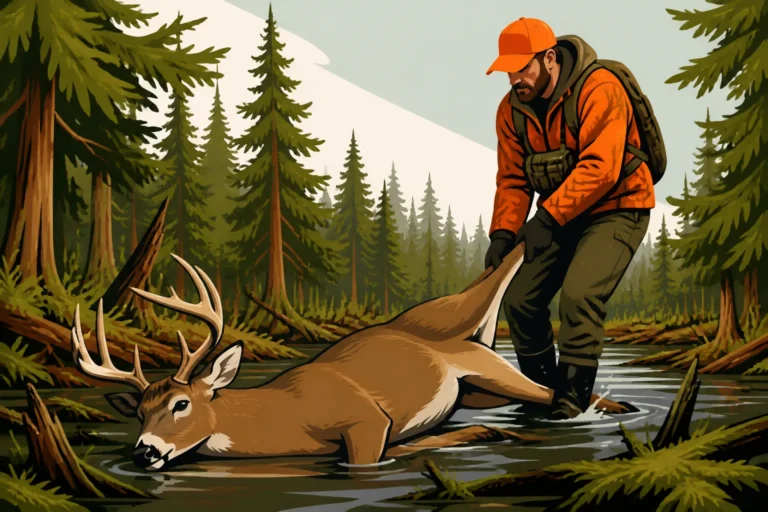
Finding your deer after the shot can be challenging on any day, but on opening day, it can be particularly difficult due to increased activity. If you make a shot, your first priority is to give the deer time. A gut-shot deer, for example, needs several hours to bed down and expire. Rushing in too quickly can push the animal further, making recovery much harder. Mark the exact spot of the shot and the deer's last known direction of travel.
When you begin tracking, move slowly and methodically, looking for blood, broken branches, or disturbed leaves. If you lose the blood trail, stop and search in ever-widening circles. Consider using a blood-trailing light if the sun is fading. On opening day, you might encounter other hunters while tracking. Be courteous and clearly communicate that you are tracking a deer. If your deer crosses onto private land, make sure you understand Retrieving Game From Private Land in Maine laws and always seek permission from the landowner before crossing their property. If darkness falls before you recover your deer, especially in areas with potential predator activity, consider calling a tracking dog or postponing the search until first light. Blood Trailing After Dark in Maine can be incredibly difficult and dangerous. The goal is to recover the animal efficiently and respectfully.
Respecting the Resource and Other Hunters
Beyond the legal requirements, ethical hunting is about respect—respect for the animal, for the land, and for fellow hunters. This means taking responsible shots to ensure a quick, clean kill. It means making every effort to recover any animal you shoot. It also means showing courtesy to others in the woods. If you're walking out and see someone else actively hunting, give them a wide berth and be as quiet as possible. Share information if it's helpful (e.g., "I saw a doe heading towards that cedar swamp"), but don't interfere with their hunt.
After recovering your deer, the next step is to ensure proper field dressing to preserve the meat. The cold November air often helps, but removing the internal organs quickly is essential. Once field dressed, you must register your deer. Maine offers convenient options for this, including online registration through the MDIFW website or via their app. Registering a Maine Deer Online is a quick and easy way to complete this legal requirement. This data is critical for MDIFW to manage the deer herd effectively. Remember, hunting is a privilege, and by acting ethically and responsibly, you help ensure that privilege continues for generations to come.
Maine Firearms Opener: Do's and Don'ts
| DO Arrive early and quietly | Get to your stand or hunting location well before first light to allow the woods to settle and avoid spooking deer. |
|---|---|
| DO Wear plenty of blaze orange | Exceed the minimum requirements. Your safety and the safety of others depend on your visibility. |
| DO Understand your WMD's rules | Know if you need an antlerless permit or if specific regulations apply to your Wildlife Management District. |
| DO Hunt thick cover and escape routes | Pressured deer will seek the densest cover. Position yourself to intercept them as they try to avoid other hunters. |
| DO Be patient and persistent | Deer movement can be sporadic. Stay in your stand longer than you think, especially through the mid-day "lull." |
| DO Scout thoroughly beforehand | Use maps, trail cameras, and boots on the ground to identify key areas, even if deer patterns shift on opening day. GoHunt can be invaluable here. |
| DON'T Rush your shot | Ensure a clear, ethical shot. No deer is worth a risky shot that could wound an animal. |
| DON'T Call or use scents excessively | On a high-pressure day, deer are wary. Over-calling or strong scents might do more harm than good; focus on being still and hidden. |
| DON'T Be loud or inconsiderate | Respect other hunters. Avoid slamming car doors, talking loudly, or walking carelessly through areas where others are hunting. |
| DON'T Forget your license and permits | Always carry proof of your valid Maine hunting license and any necessary permits (e.g., antlerless permit) while in the field. |
| DON'T Give up at mid-day | Deer are often still moving cautiously. This is a great time to still-hunt or stay put while other hunters leave the woods. |
| DON'T Forget proper registration | After a successful harvest, register your deer promptly according to MDIFW regulations, whether online or at a physical station. |
Disclaimer
Hunting is an inherently dangerous activity. This guide is for informational purposes only and is not a substitute for proper hunter education, adherence to all local, state, and federal laws, or personal safety precautions. Always consult the official Maine Department of Inland Fisheries & Wildlife (MDIFW) regulations for the most current and accurate information. The author and publisher assume no liability for any accidents, injuries, or legal infractions that may occur. Hunt safely and responsibly.